
CHUGOKU
Where two seas meet the depth of Japanese history.
The Chugoku Mountains run through the center of the region like a spine, dividing it into two coastlines with almost nothing in common. To the north, the San’in coast faces the Sea of Japan — austere, myth-laden, thinly populated. To the south, the San’yo coast opens onto the Seto Inland Sea, sheltered, island-scattered, and historically connected to the rest of Japan by water. Both sides have shaped the region’s history, food, and culture in distinct ways.
History & Heritage
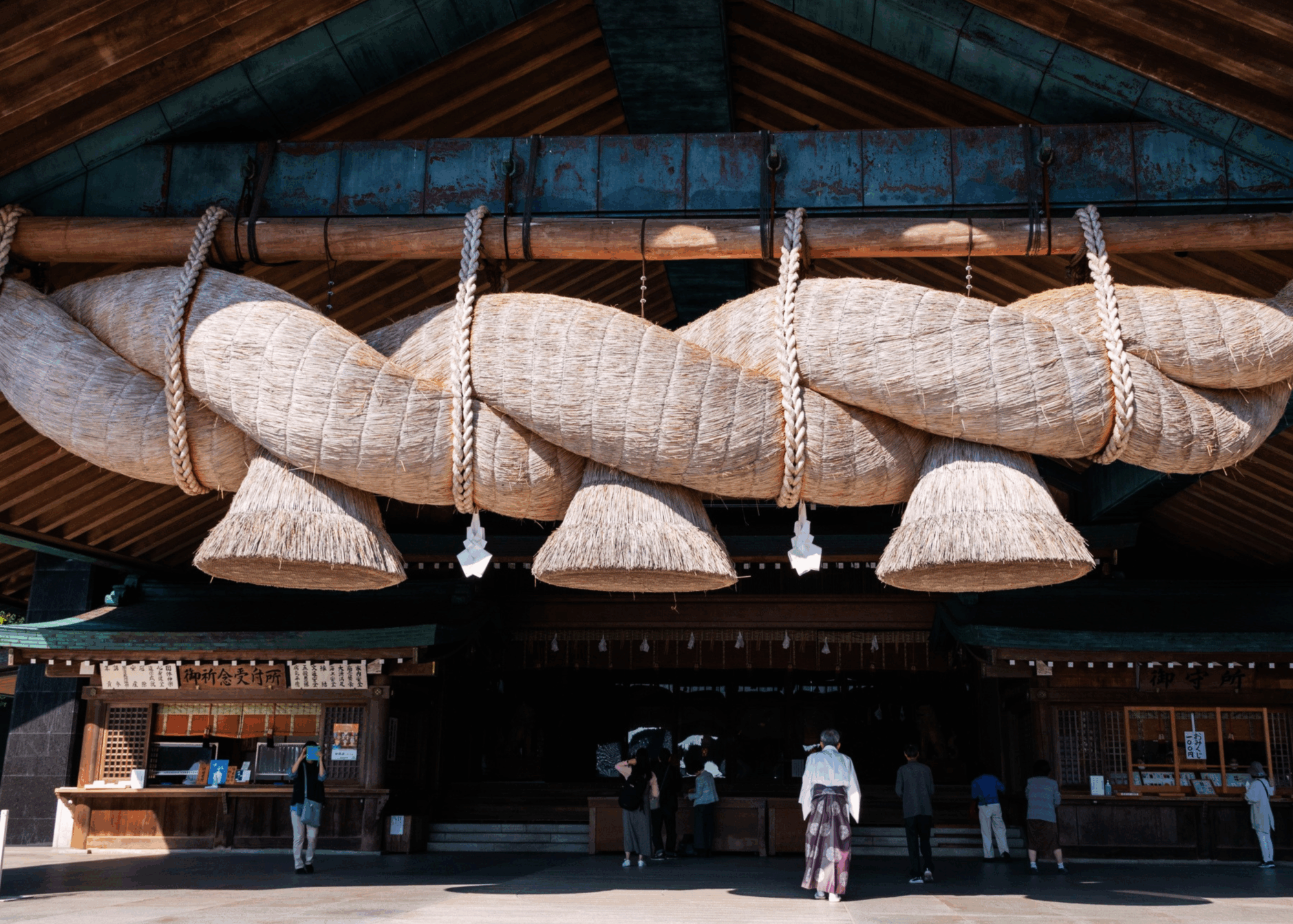
Izumo Taisha on the San’in coast is one of Japan’s oldest sacred sites, where the gods are said to convene each autumn. The San’yo coast, meanwhile, served as the maritime corridor that carried ships, soldiers, and commerce between Kyushu and the capital for centuries — and medieval warlords fought to control it. In the nineteenth century, the domain of Choshu in present-day Yamaguchi produced an outsized share of the reformers who built modern Japan. The heavy industry that followed settled along the same shore.
Culture & Craft
Chugoku’s craft and culture are rooted in practical beauty shaped by nature and ritual. Hagi and Bizen pottery, Kumano brushes, and Okayama’s selvedge denim represent a region where skilled making has always been central to daily life. Tatara, the centuries-old ironmaking tradition that produced steel for Japanese swords, still continues in Shimane. Kagura, the masked ritual dance performed at shrines across the region, transforms myth into performance each season. From soil and fire to indigo and iron, the tradition of making things well runs deep.
Culture & Craft
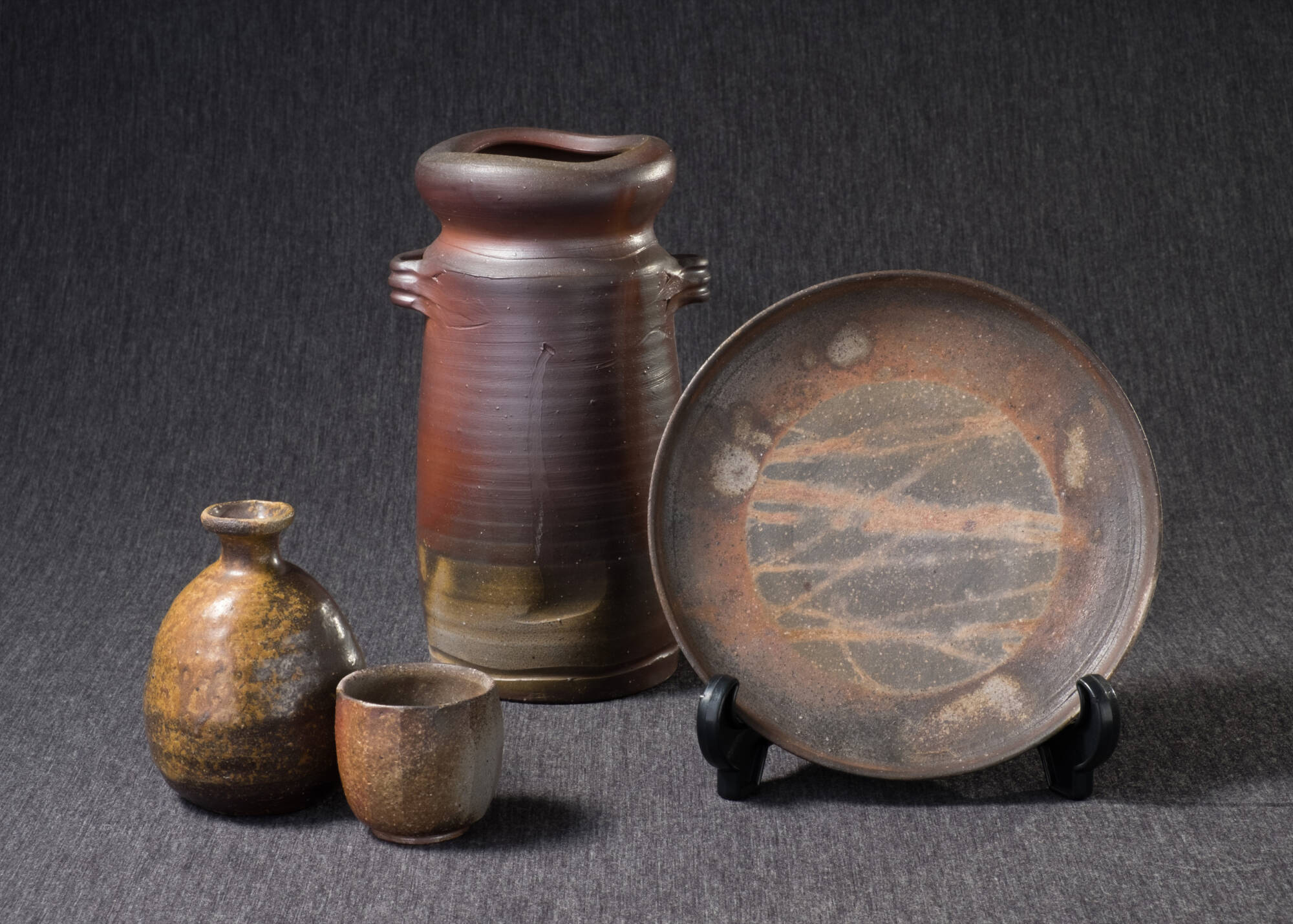
Chugoku’s craft and culture are rooted in practical beauty shaped by nature and ritual. Hagi and Bizen pottery, Kumano brushes, and Okayama’s selvedge denim represent a region where skilled making has always been central to daily life. Tatara, the centuries-old ironmaking tradition that produced steel for Japanese swords, still continues in Shimane. Kagura, the masked ritual dance performed at shrines across the region, transforms myth into performance each season. From soil and fire to indigo and iron, the tradition of making things well runs deep.
Landscape & Adventure
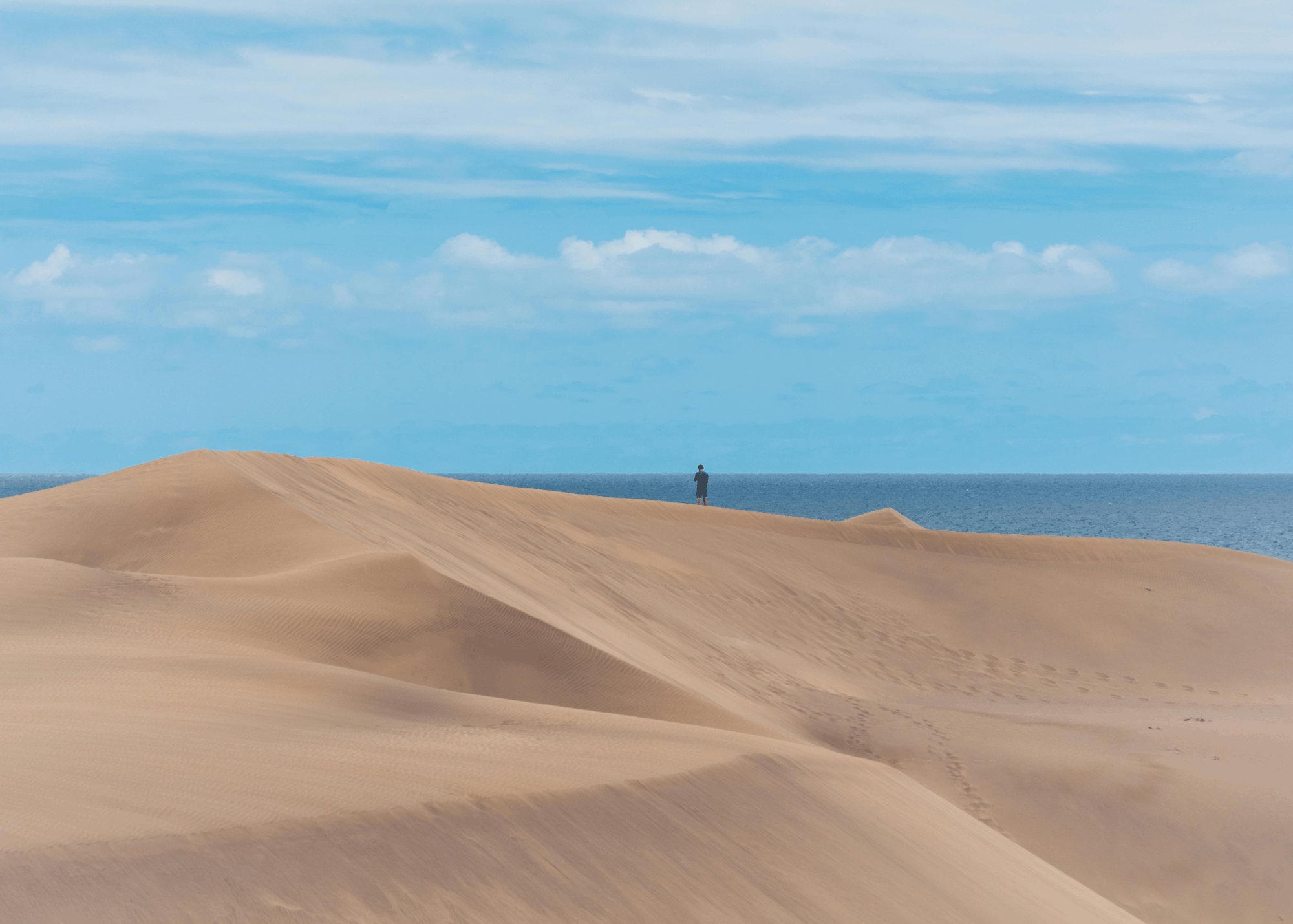
The Seto Inland Sea offers island-hopping and the Shimanami Kaido, a 70-kilometer cycling route across six islands that is widely regarded as one of Asia’s finest. The Sea of Japan coast turns wilder: the Tottori Sand Dunes stretch 16 kilometers along the shore, shaped by wind into forms that change with every season. Inland, the Chugoku Mountains offer trekking and winter sports, with Mount Daisen as the region’s most prominent peak. Throughout, historic hot springs and coastal onsen resorts provide a natural counterpoint to the terrain.
Food & Cuisine
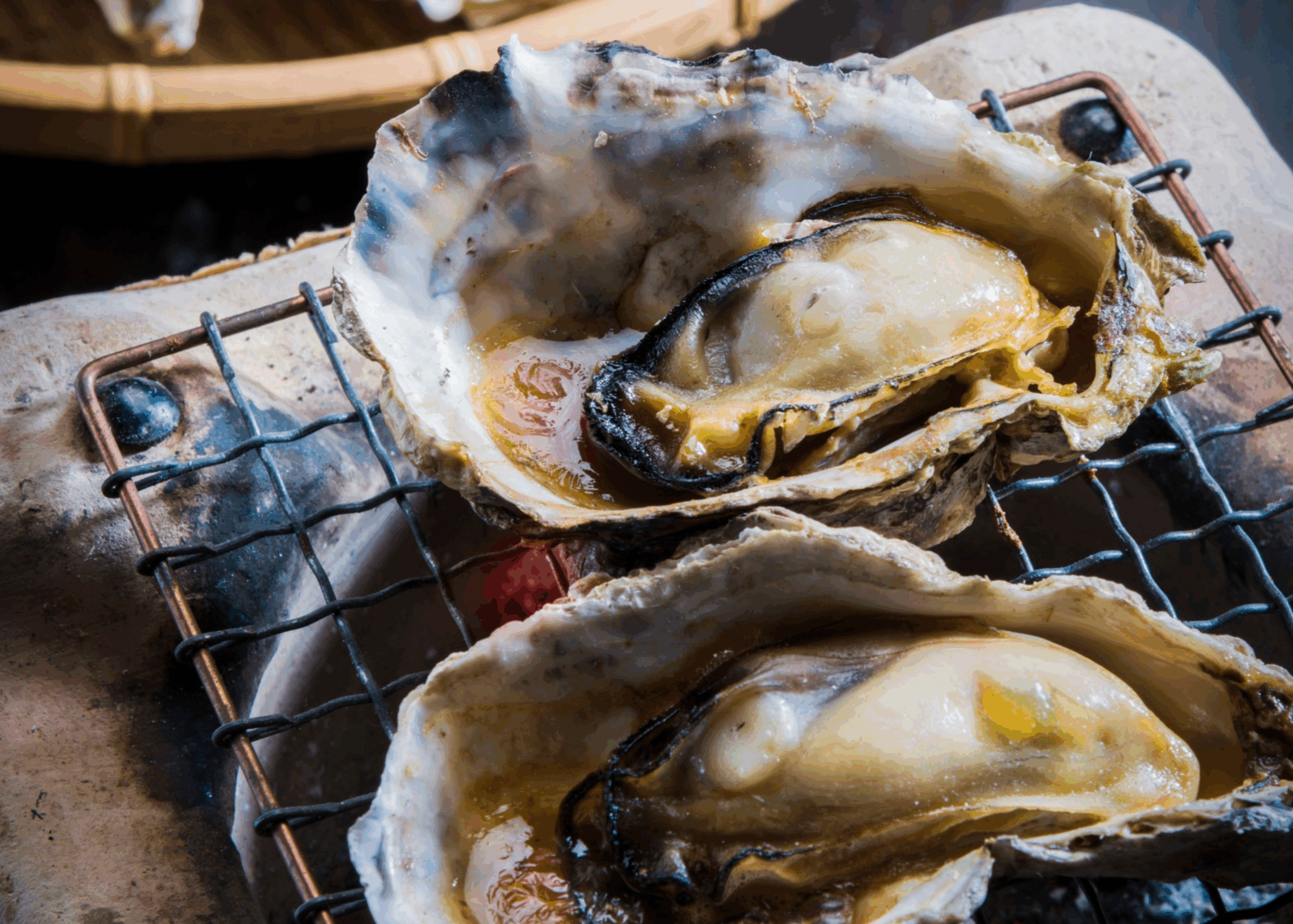
Chugoku’s food is defined by two coastlines that have almost nothing in common. The San’in side, facing the Sea of Japan, produces matsuba crab, the winter delicacy that defines the region’s cold-weather table, alongside Izumo soba, ground dark with its own hull. The San’yo side offers the Seto Inland Sea’s quieter bounty: Hiroshima oysters, which account for over 60 percent of Japan’s cultivated output, sea bream, and conger eel. Okayama’s warm climate yields Muscat grapes and white peaches considered among Japan’s finest.
Food & Cuisine
Chugoku’s food is defined by two coastlines that have almost nothing in common. The San’in side, facing the Sea of Japan, produces matsuba crab, the winter delicacy that defines the region’s cold-weather table, alongside Izumo soba, ground dark with its own hull. The San’yo side offers the Seto Inland Sea’s quieter bounty: Hiroshima oysters, which account for over 60 percent of Japan’s cultivated output, sea bream, and conger eel. Okayama’s warm climate yields Muscat grapes and white peaches considered among Japan’s finest.
Places to Stay
SETOUCHI KEIRIN HOTEL 10 by Onko Chishin
Tamano, Okayama Prefecture
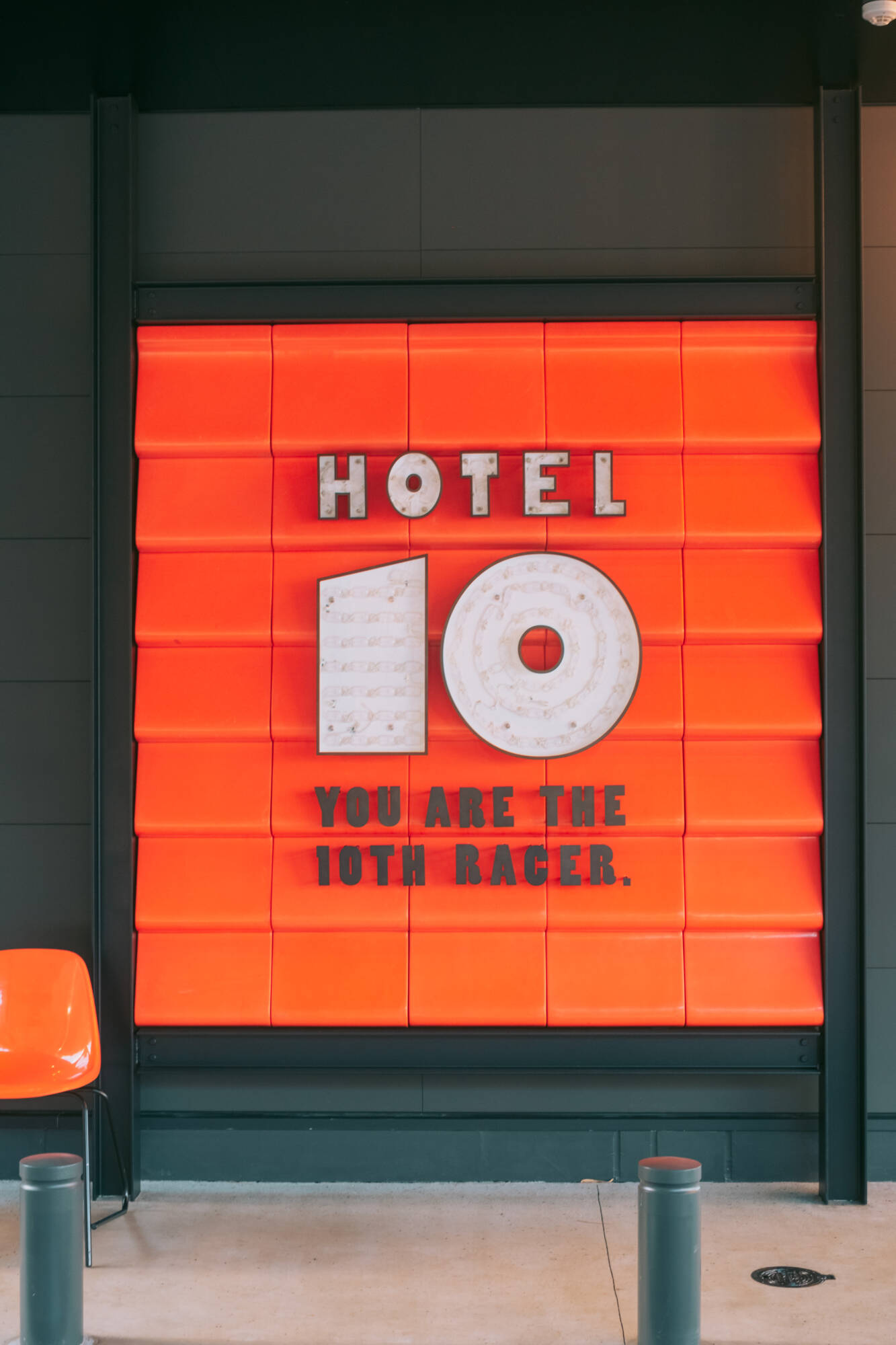
You Are the 10th Racer.
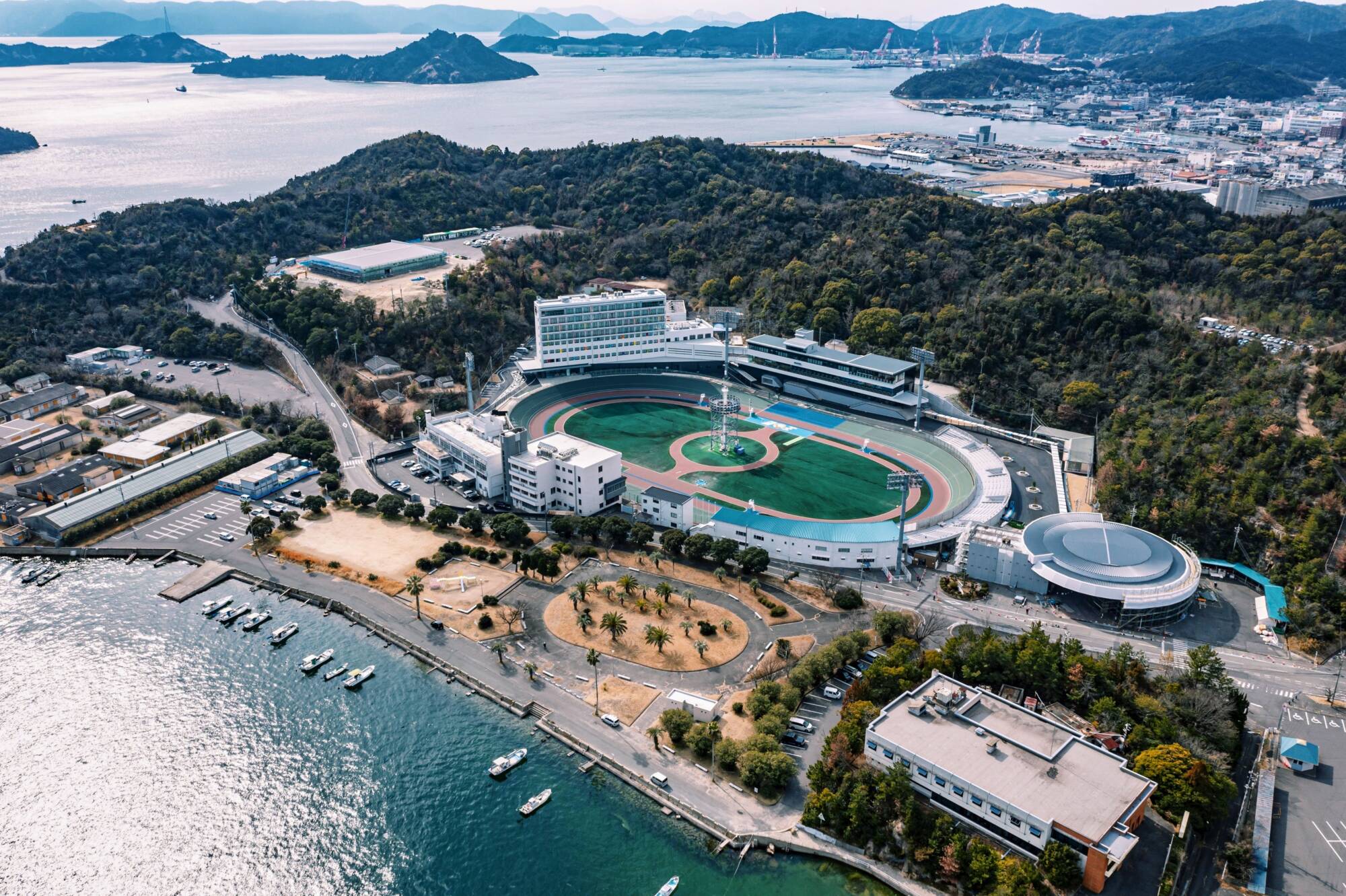
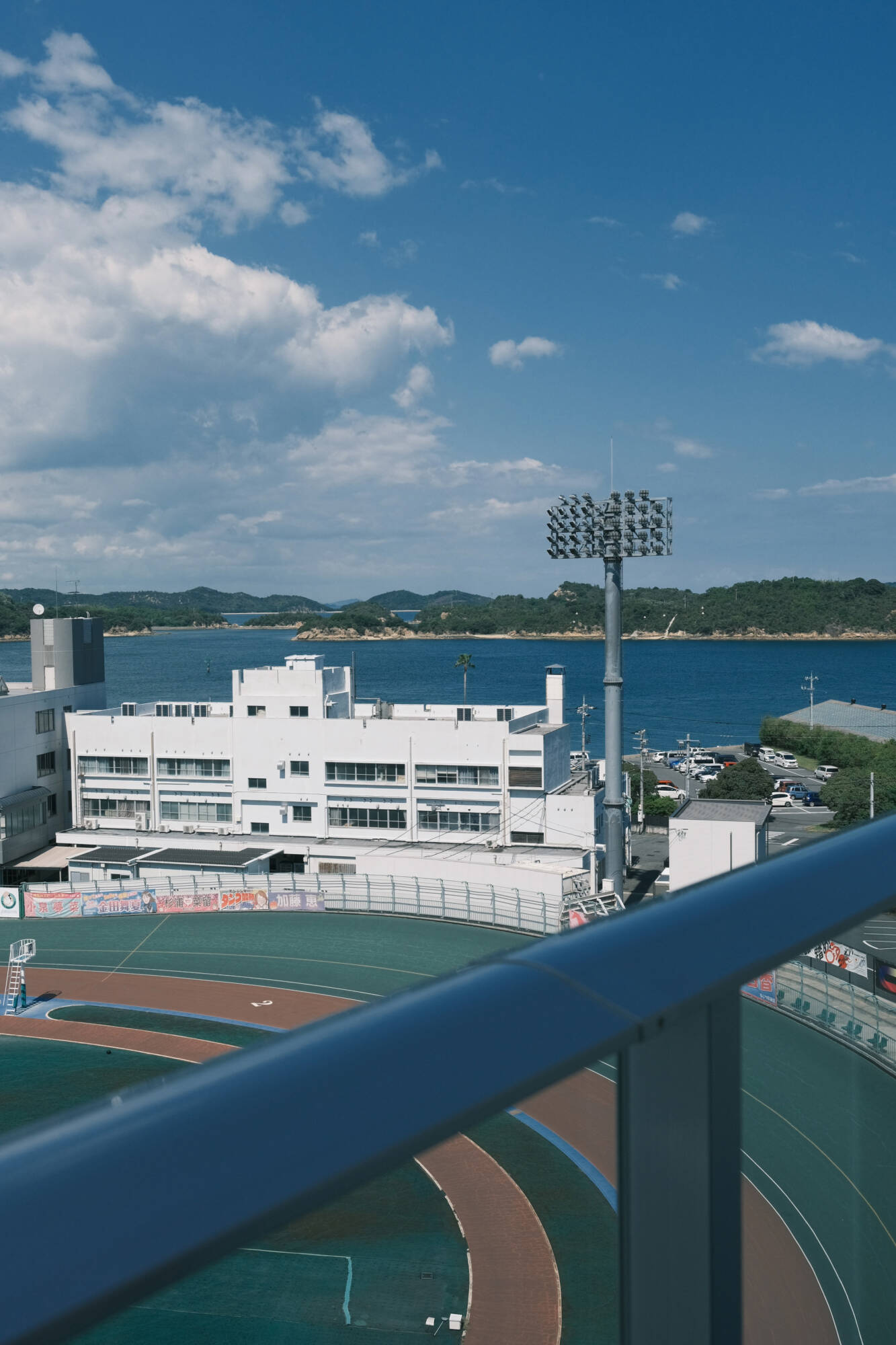
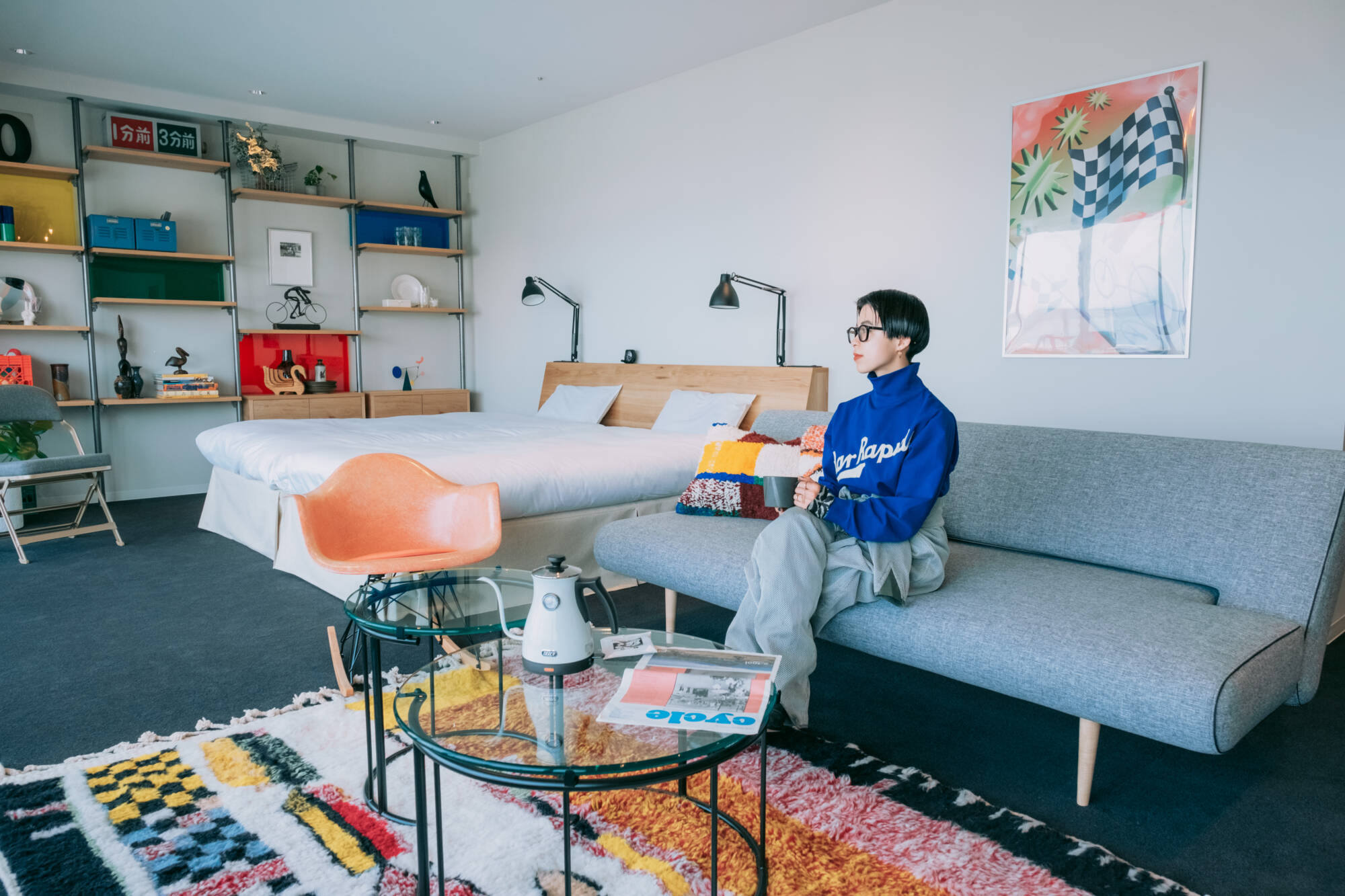
Japan’s first stadium-integrated hotel, where 126 of 149 rooms face the velodrome track directly. The “10” makes every guest the symbolic tenth racer in Keirin’s nine-competitor format. Located near Uno Port, gateway to the art islands of Naoshima and Teshima.
・149 Rooms — 126 track-facing with velodrome and Seto Inland Sea views
・Live Race Viewing — Watch training and races from your room, restaurant, or spectator stands
・Stadium Heritage Design — Upcycled track materials as art and furniture
Access: 1 hr 20 min by car from Okayama Airport | 15 min walk from Uno Station (Uno Port: gateway to art islands Naoshima and Teshima)

Places to Visit
maison owl
maison owl
Ube, Yamaguchi Prefecture
It seems as though it has been there for ten thousand years
—and will remain for ten thousand more.
Designed by architect Junya Ishigami,
this cave-like sanctuary hosts intimate tasting menus
by owner-chef Motonori Hirata. Ten restaurant seats.
One party per night.


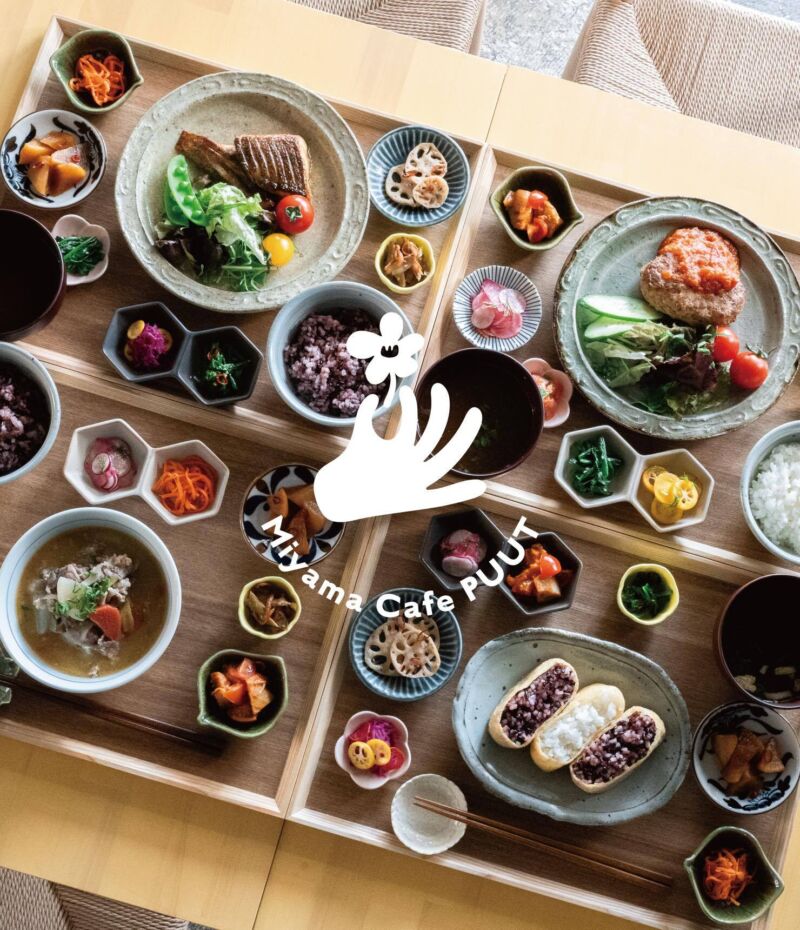
Miyama Cafe PUUT
Miyama Cafe PUUT
Tamano, Okayama
A park café where the land feeds you well.
Nourishing set meals built around Tamano’s seasonal vegetables and local ingredients.
Within Miyama Park roadside station.