
HOKKAIDO
Japan’s last frontier.
Cross the Tsugaru Strait from Honshu and something shifts. Hokkaido covers 22 percent of Japan’s land area but holds less than five percent of its population. That ratio shapes everything about what the island feels like — vast, wild, and unlike anywhere else in the country.
History & Heritage
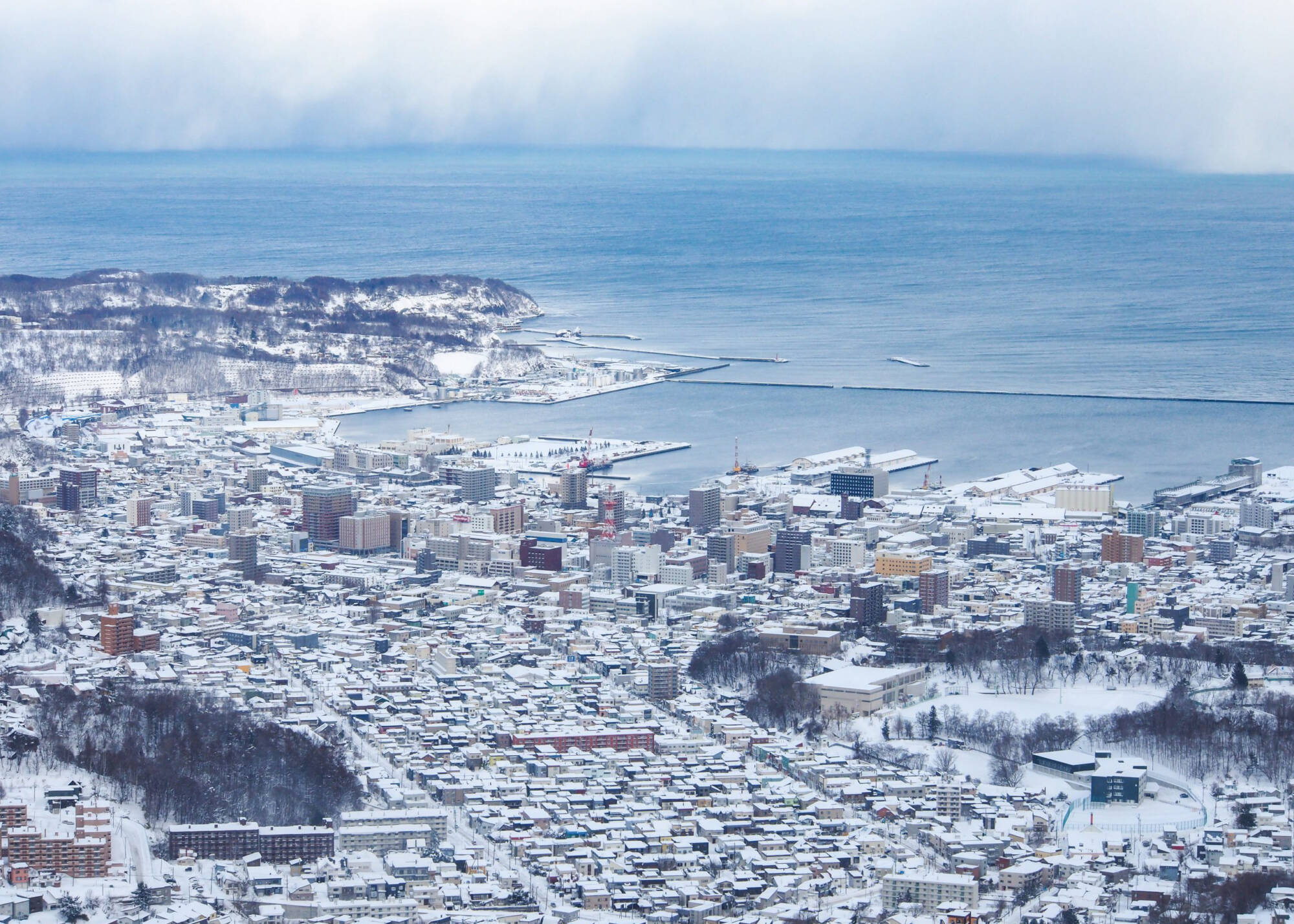
Two distinct histories run alongside each other here without resolution. The Ainu people built a civilization on this land over thousands of years, trading across Sakhalin, the Kuril Islands, and the Asian continent. The Meiji-era settlers who arrived in the 1860s built port towns, agricultural plains, and planned cities from nothing. The stone warehouses of Otaru rose on herring-trade wealth, while the grid streets of Sapporo were drawn from scratch. Both timelines remain visible on the same map.
Culture & Craft
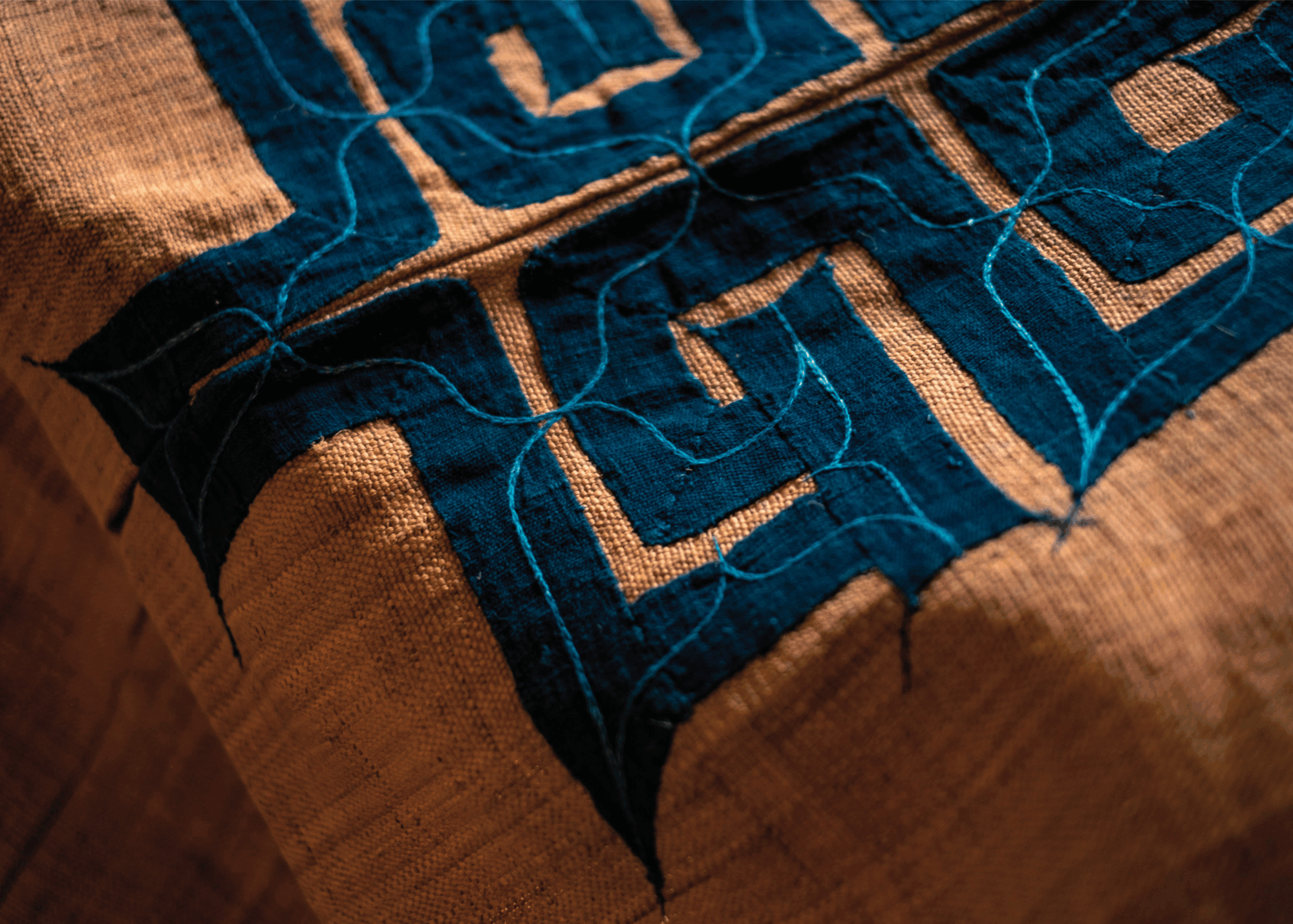
Ainu culture is not a chapter. It is still being written. Around 80 percent of the island’s place names derive from the Ainu language, often from the landscape itself — rivers, terrain, and other features of the natural world. That presence continues through food, visual art, craft, and the efforts of communities working to sustain these traditions today.
Culture & Craft
Ainu culture is not a chapter. It is still being written. Around 80 percent of the island’s place names derive from the Ainu language, often from the landscape itself — rivers, terrain, and other features of the natural world. That presence continues through food, visual art, craft, and the efforts of communities working to sustain these traditions today.
©Yosuke Kashiwakura
Landscape & Adventure
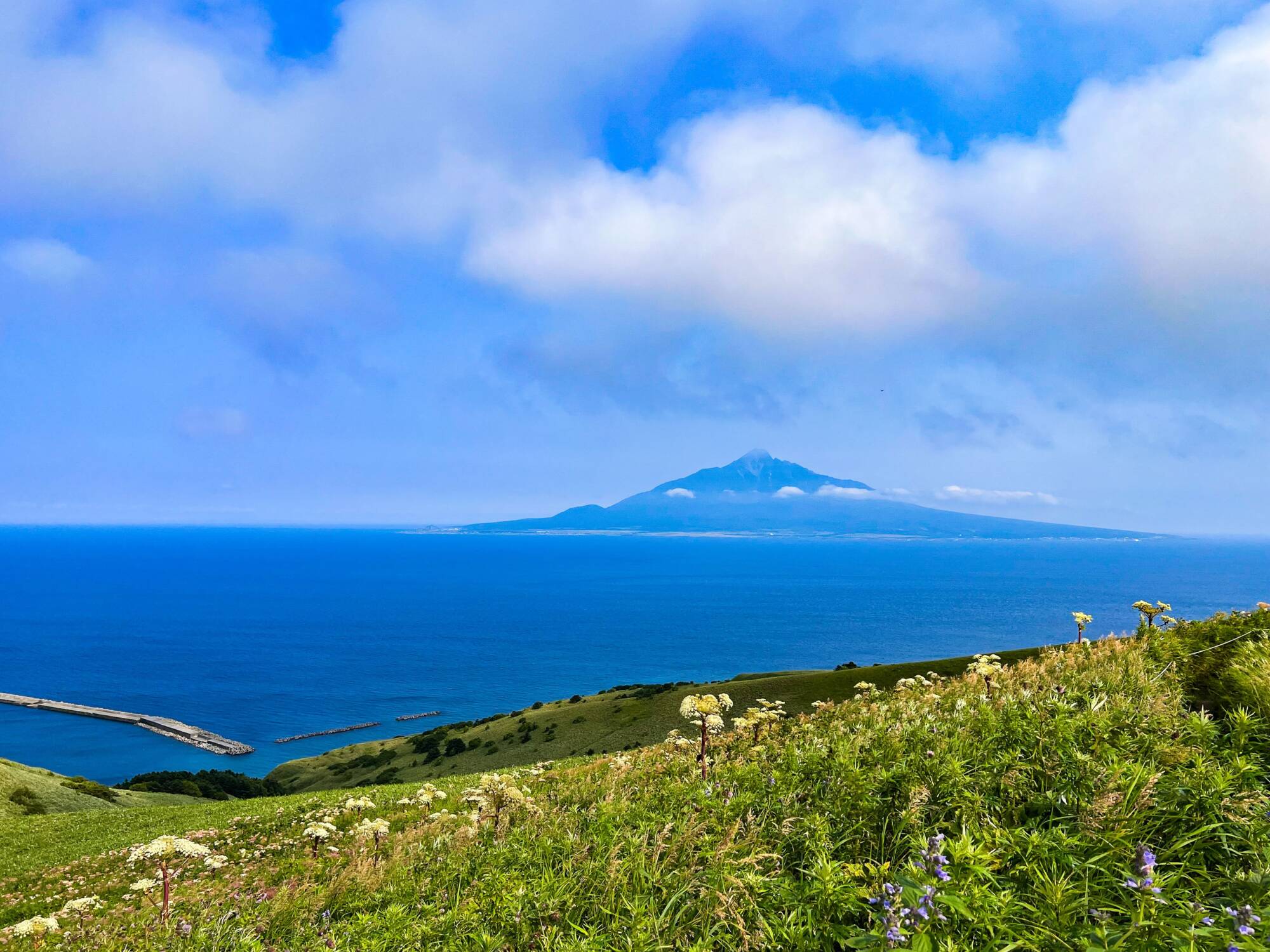
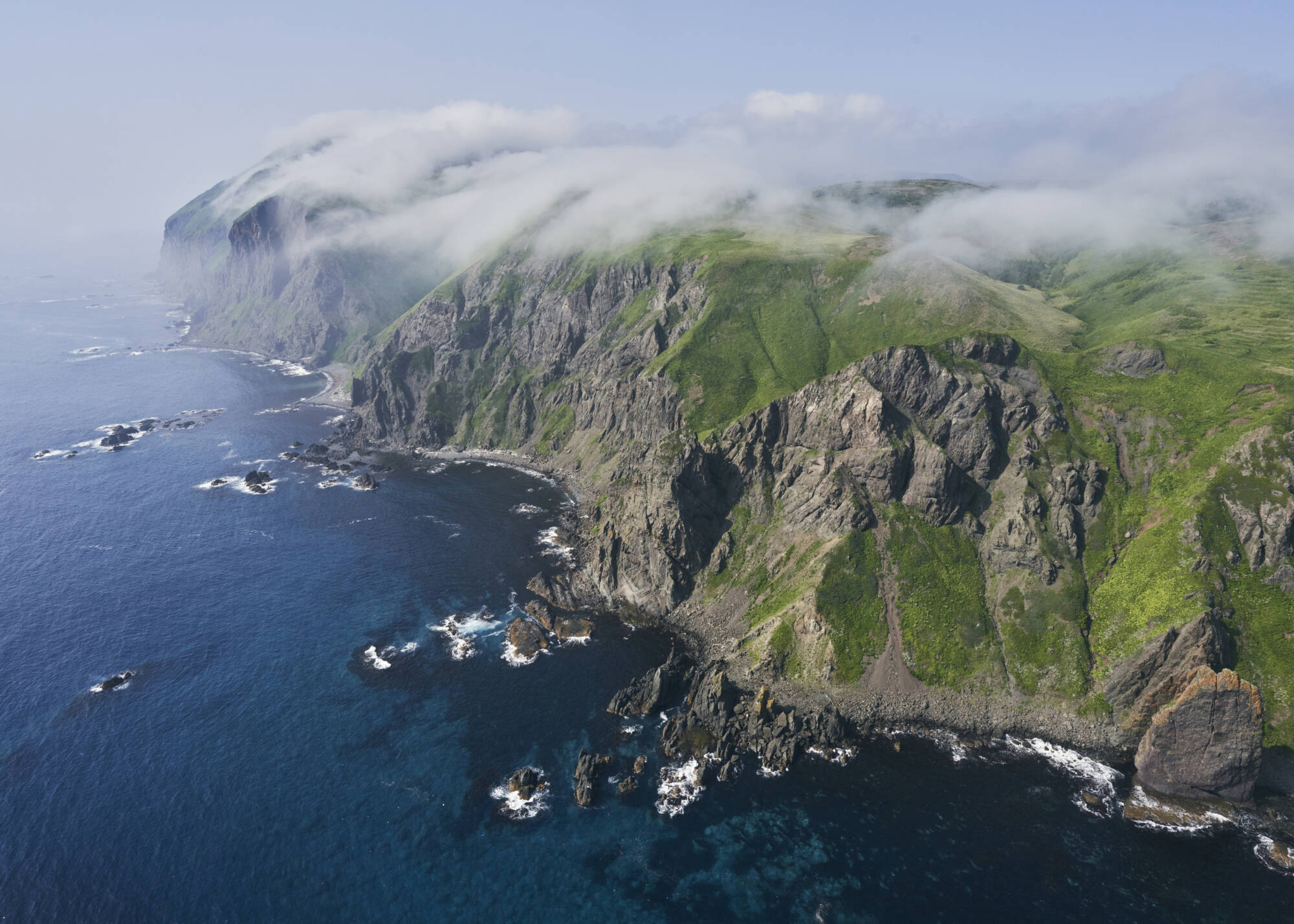
Niseko receives more than 15 meters of snowfall each year. The Shiretoko Peninsula, a designated UNESCO World Heritage Site, is a remote wilderness where brown bears roam and Steller’s sea eagles gather, while each winter drift ice sweeps down from the Sea of Okhotsk, transforming the coastline into a striking, frozen landscape. On Rebun Island, rare alpine wildflowers bloom at sea level, while the vast Kushiro Wetlands—Japan’s largest wetland—serve as a vital stopover for migratory birds along the East Asian flyway. Within a single prefecture, these landscapes reveal natural environments that feel entirely worlds apart.
Food & Cuisine
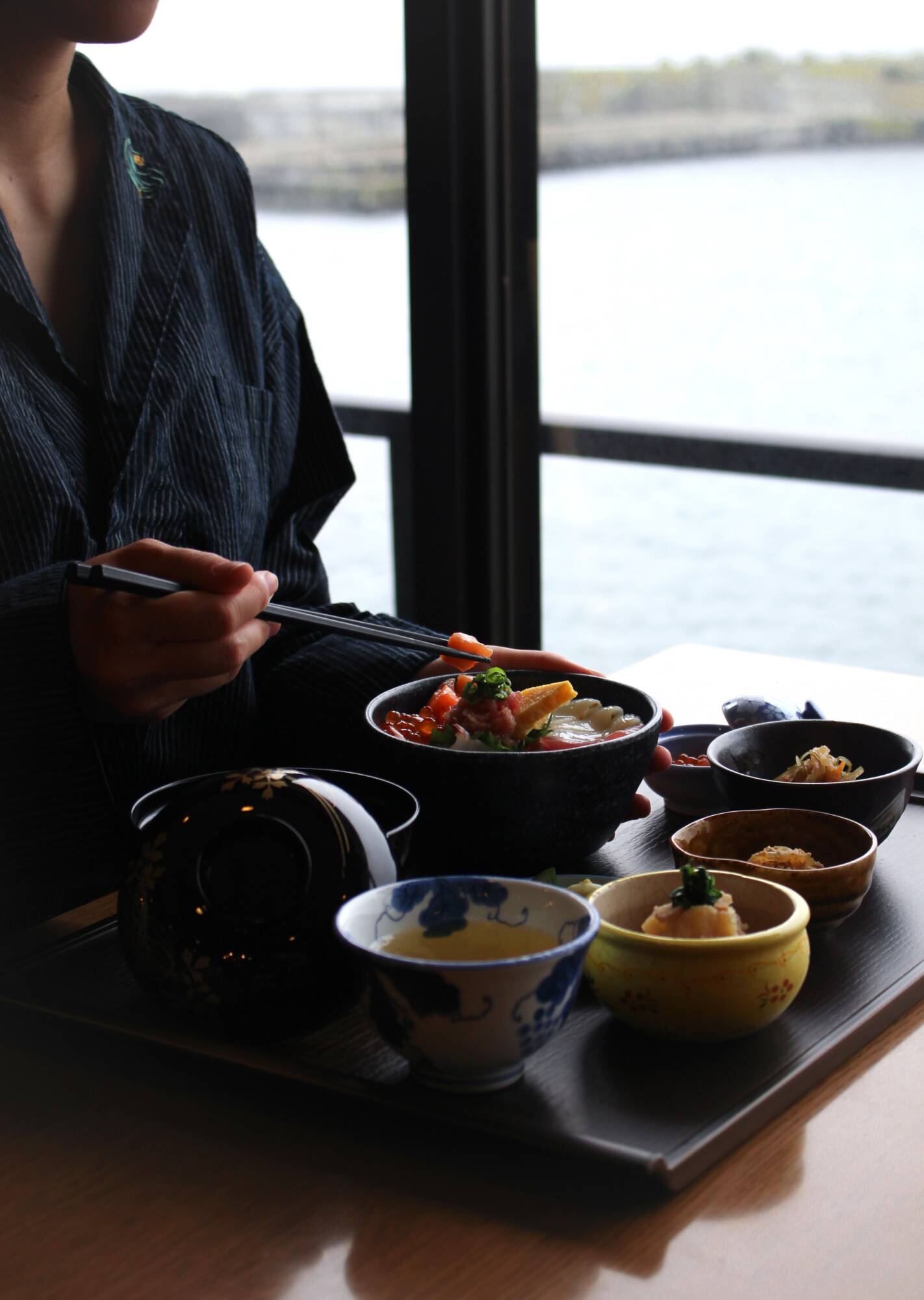
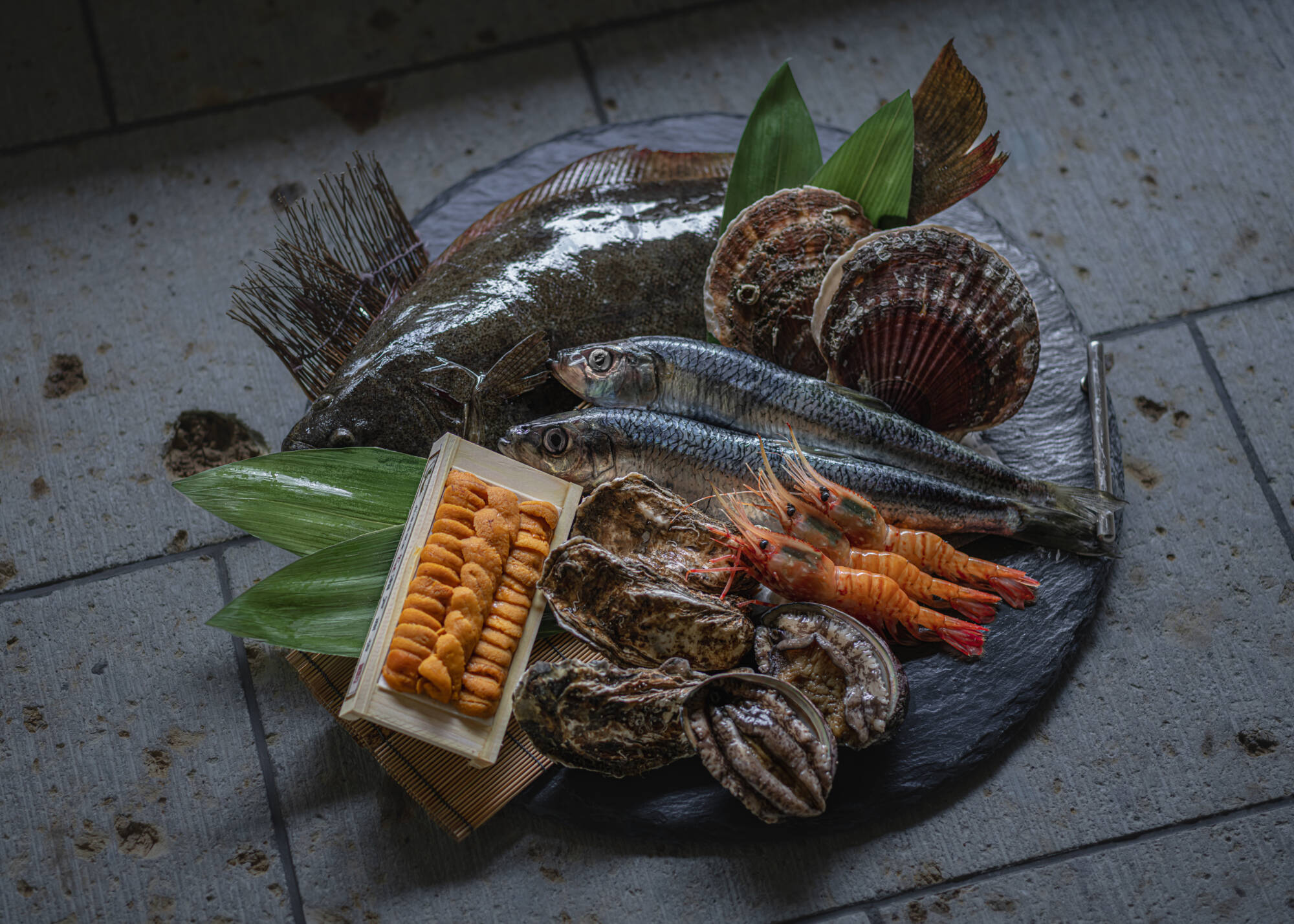
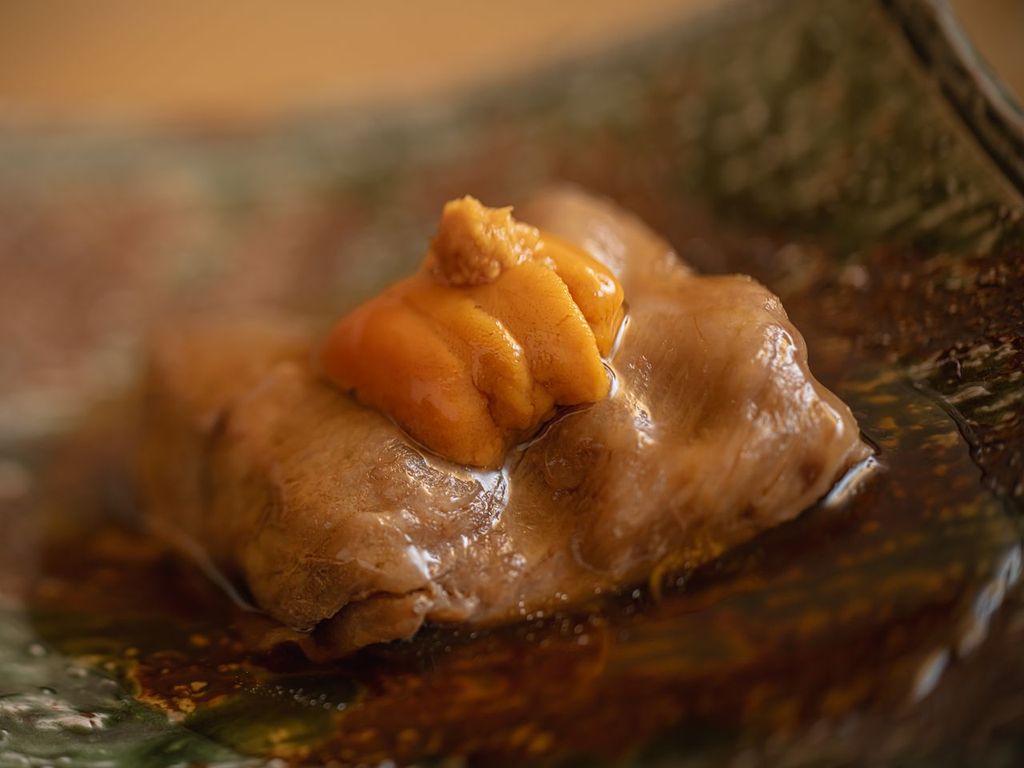
On any map of Japanese cuisine, Hokkaido stands in a category of its own. The island produces nearly half of the country’s dairy, while prized sea urchin from Rebun Island and Rishiri Island, crab from the Sea of Okhotsk coast, and wheat and dairy from the Tokachi Plains speak to a culinary identity shaped by each distinct region—now complemented by a quietly evolving wine culture. In culinary terms, Hokkaido feels less like a prefecture than a country.
Food & Cuisine
On any map of Japanese cuisine, Hokkaido stands in a category of its own. The island produces nearly half of the country’s dairy, while prized sea urchin from Rebun Island and Rishiri Island, crab from the Sea of Okhotsk coast, and wheat and dairy from the Tokachi Plains speak to a culinary identity shaped by each distinct region—now complemented by a quietly evolving wine culture. In culinary terms, Hokkaido feels less like a prefecture than a country.
Places to Stay
OTARU RETREAT KURAMURE by Onko Chishin
Otaru, Hokkaido
Held by the Mountains. Stilled by the Silence.
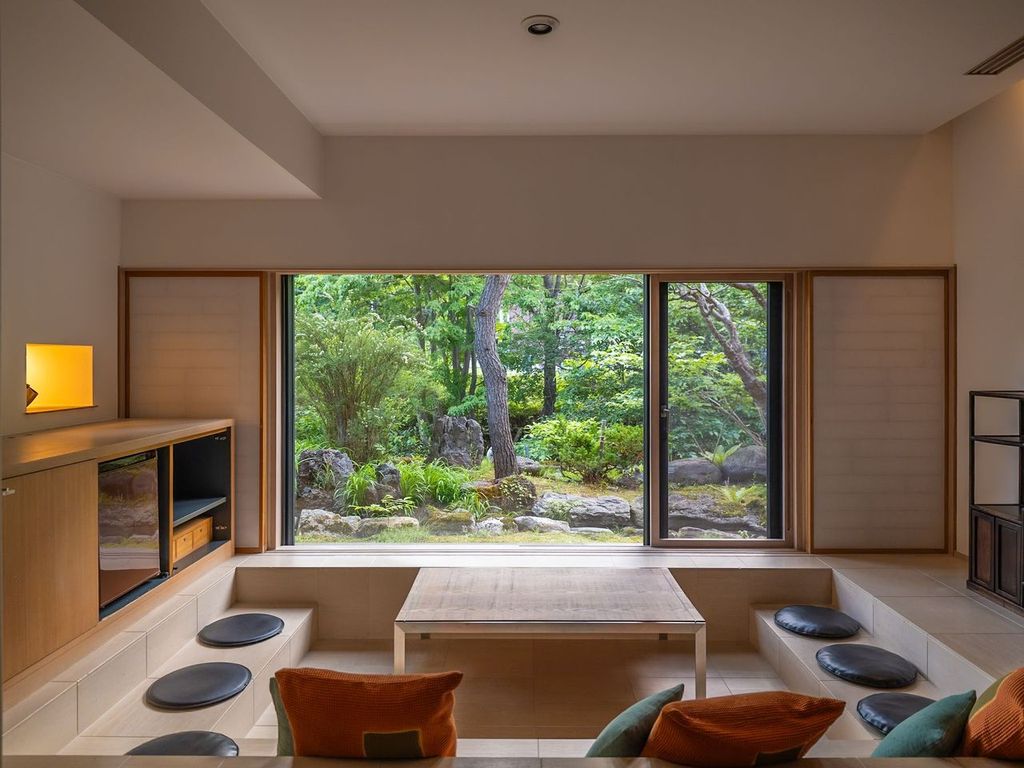
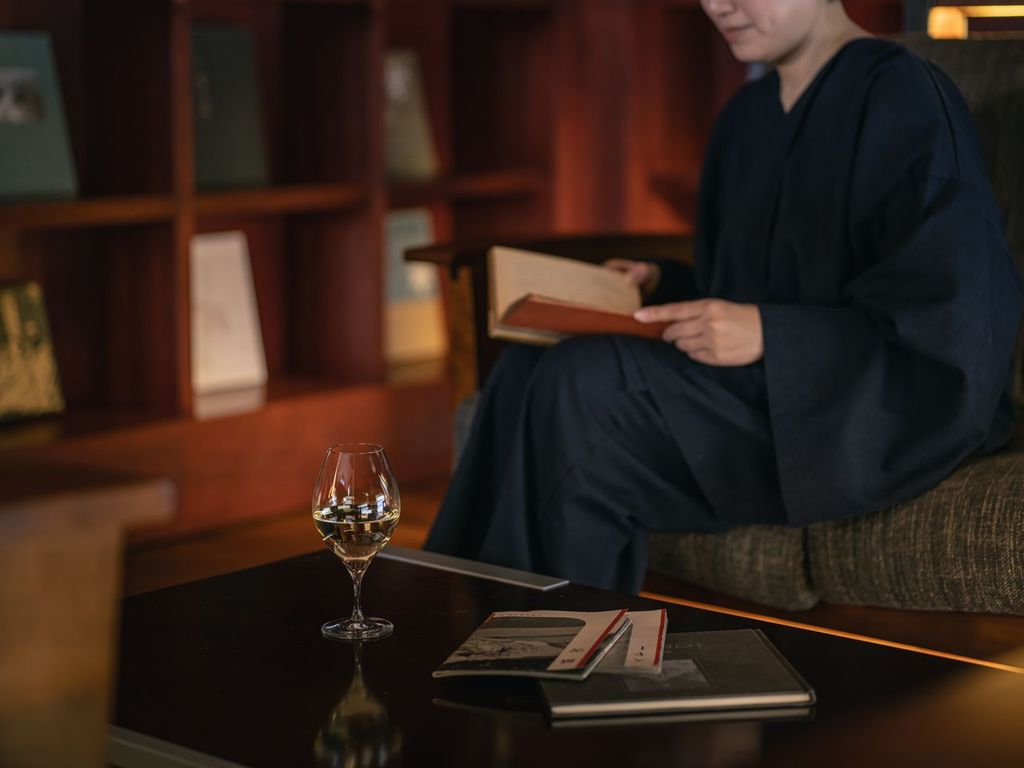
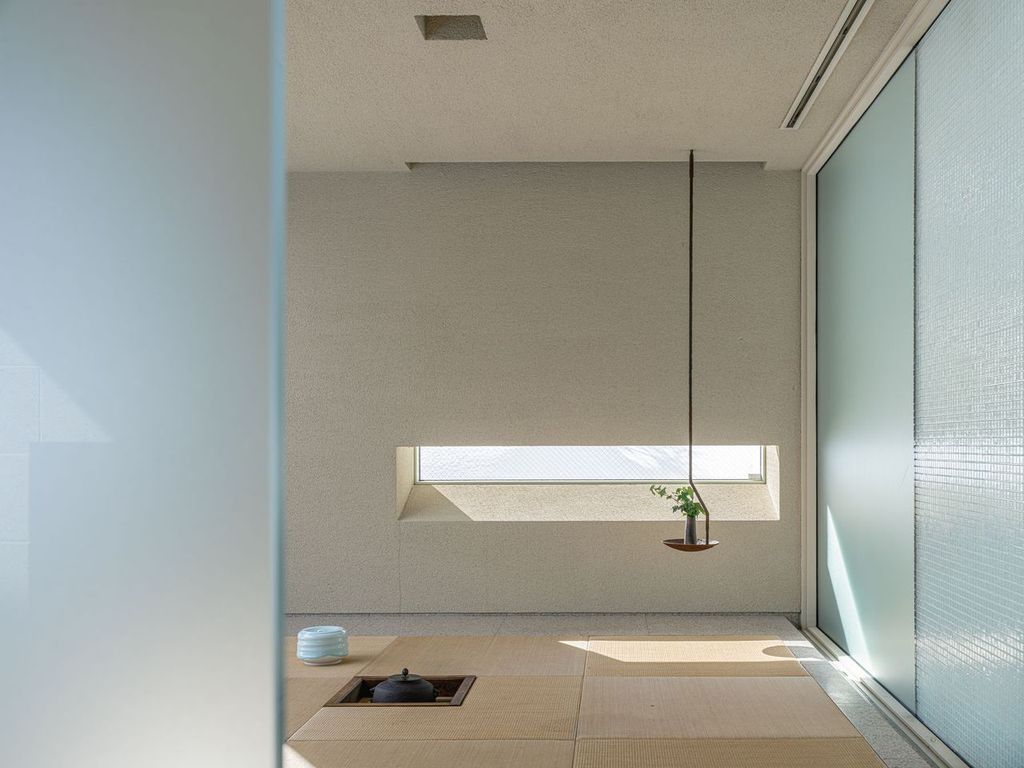
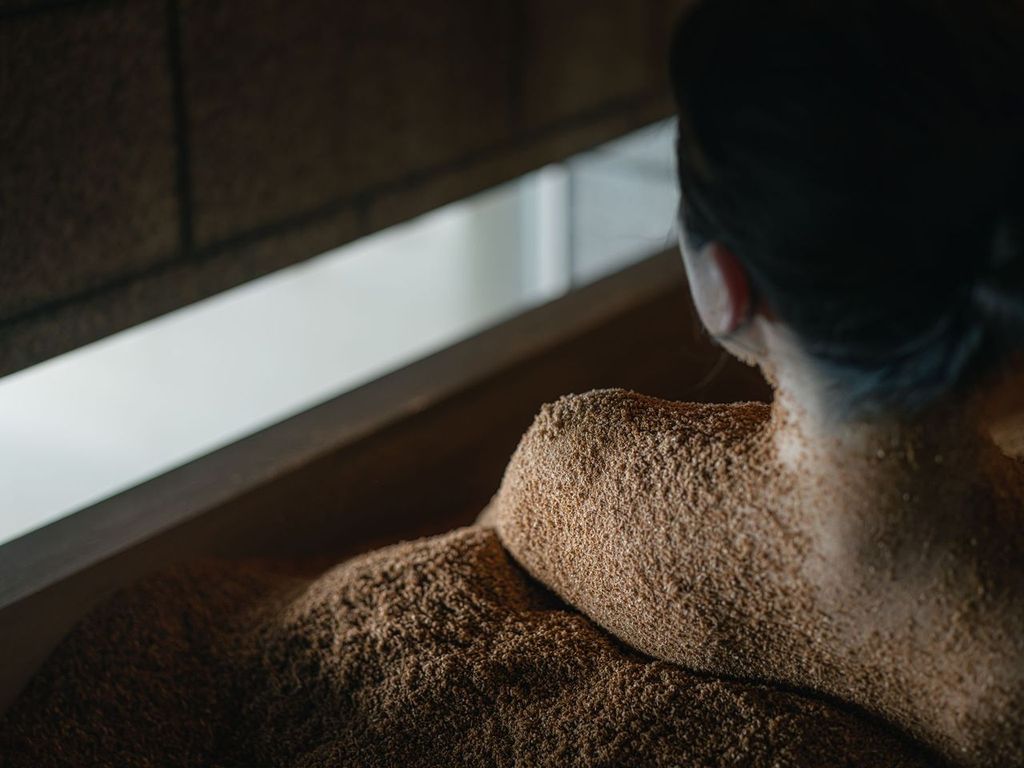
Built around Otaru’s fermentation heritage and the concept of kan (stillness). Architect Makoto Nakayama’s kura-inspired spaces are furnished with Japanese and Korean antiques. Enzyme baths, hot springs, and fermentation-focused cuisine restore from within.
・19 Rooms — All with private onsen baths · All-Inclusive
・Gastronomy — Hokkaido ingredients with fermentation techniques, Hokkaido wine pairings
・Architecture & Design — Makoto Nakayama design with antique furnishings
・Wellness — Enzyme bath, spa with fermented essences, private onsen, sauna
Access: 40 min by car from Sapporo | 2 hr by train from New Chitose Airport *Complimentary transfers (advance reservation required)
REBUN HOTEL SARYO
Rebun Island, Hokkaido
Japan’s Northernmost Flower Island — Open May to October
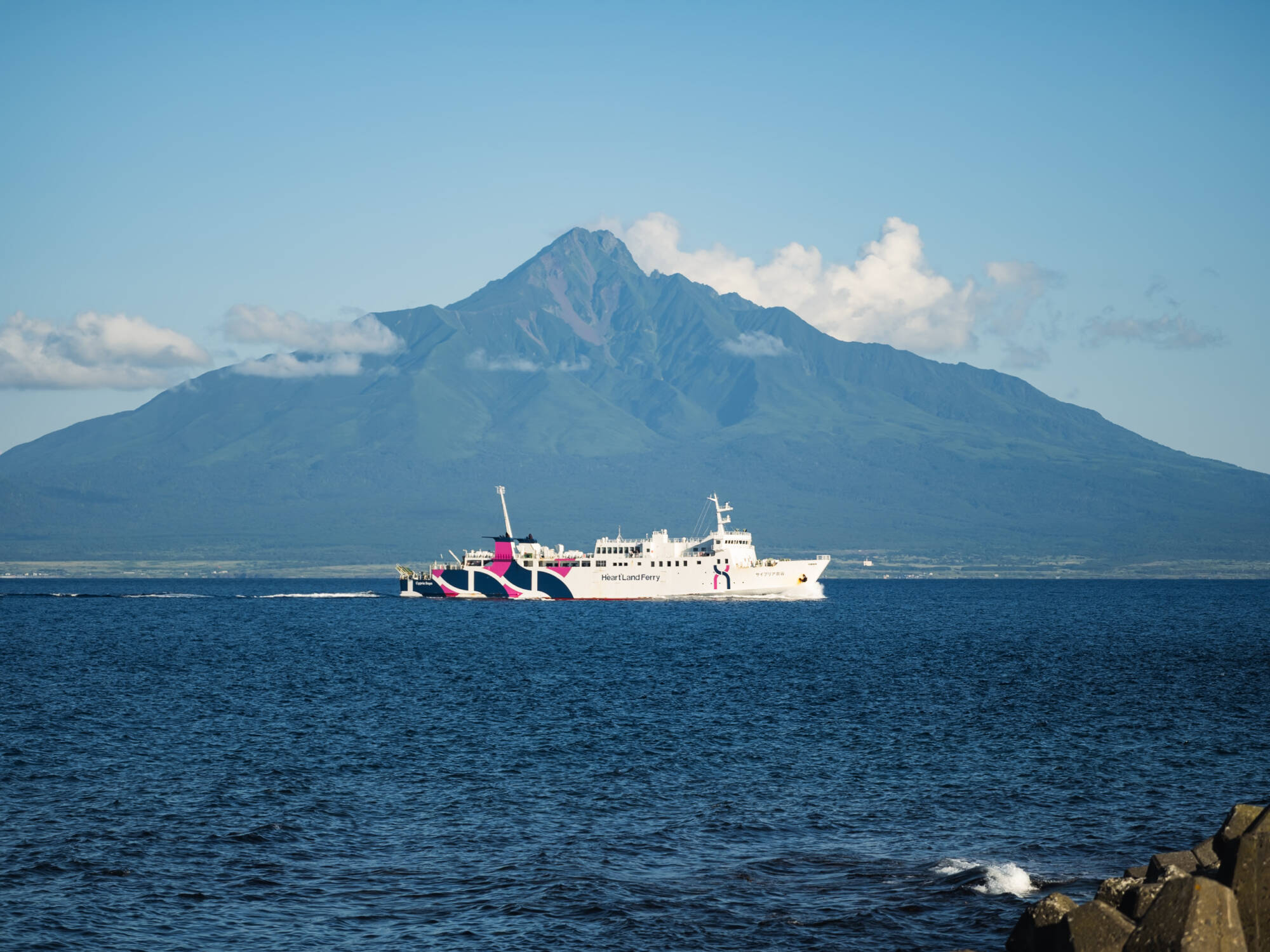
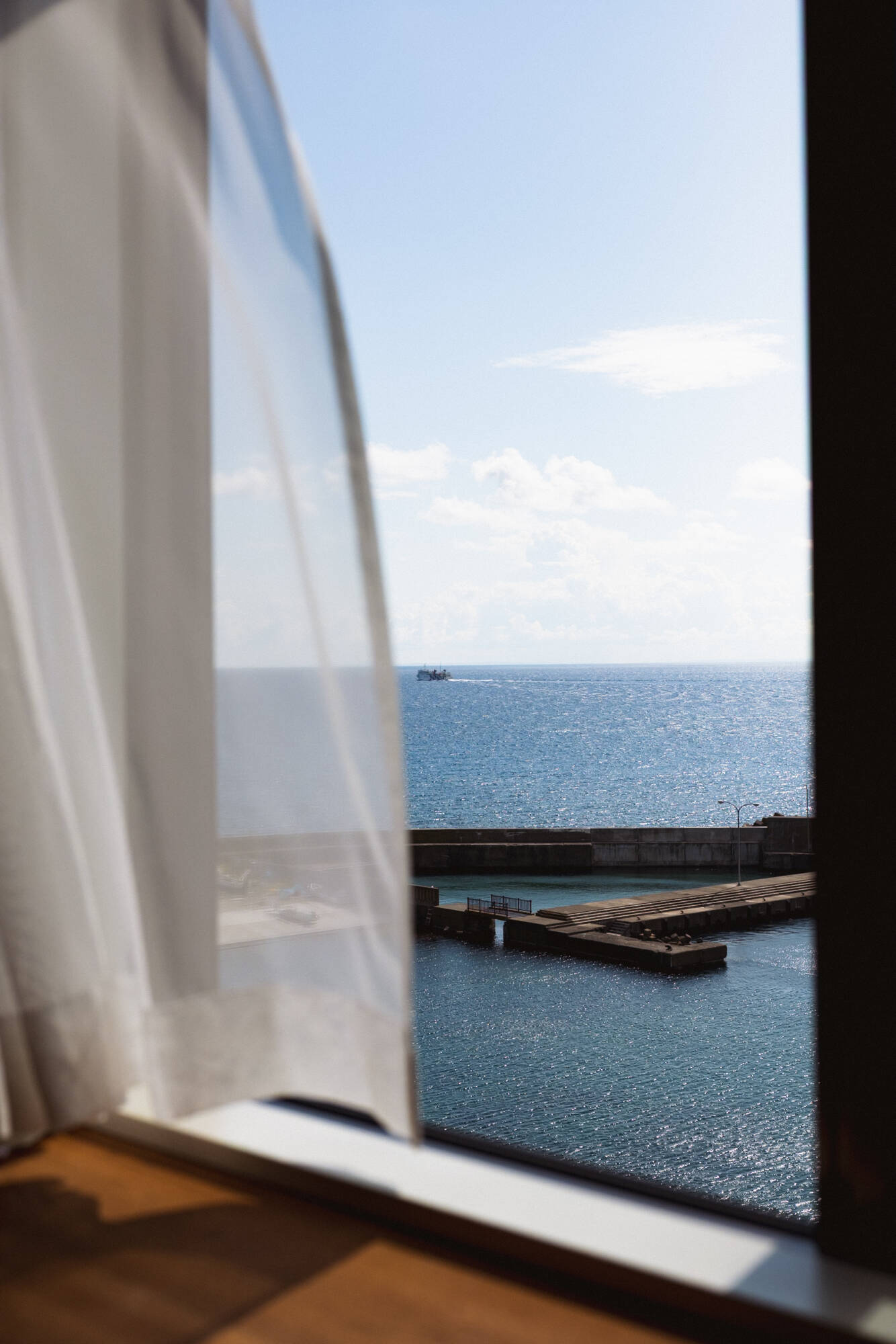
At Japan’s northern edge, where alpine wildflowers bloom at sea level and hiking trails lead to dramatic coastal cliffs. The ferry is the only way in. One of the country’s most remote and rewarding landscapes.
・100 Rooms — Japanese-style and Western-style rooms
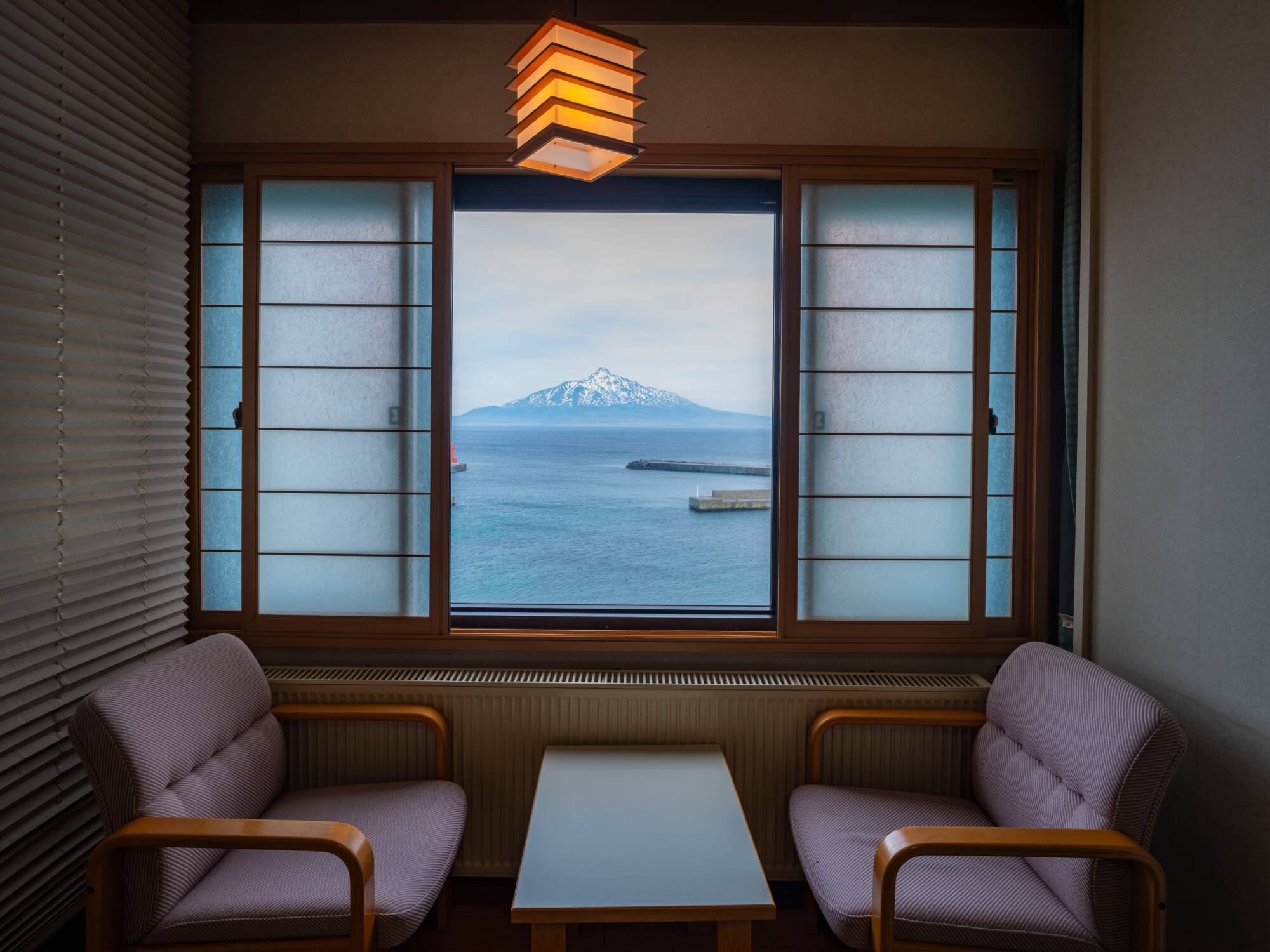
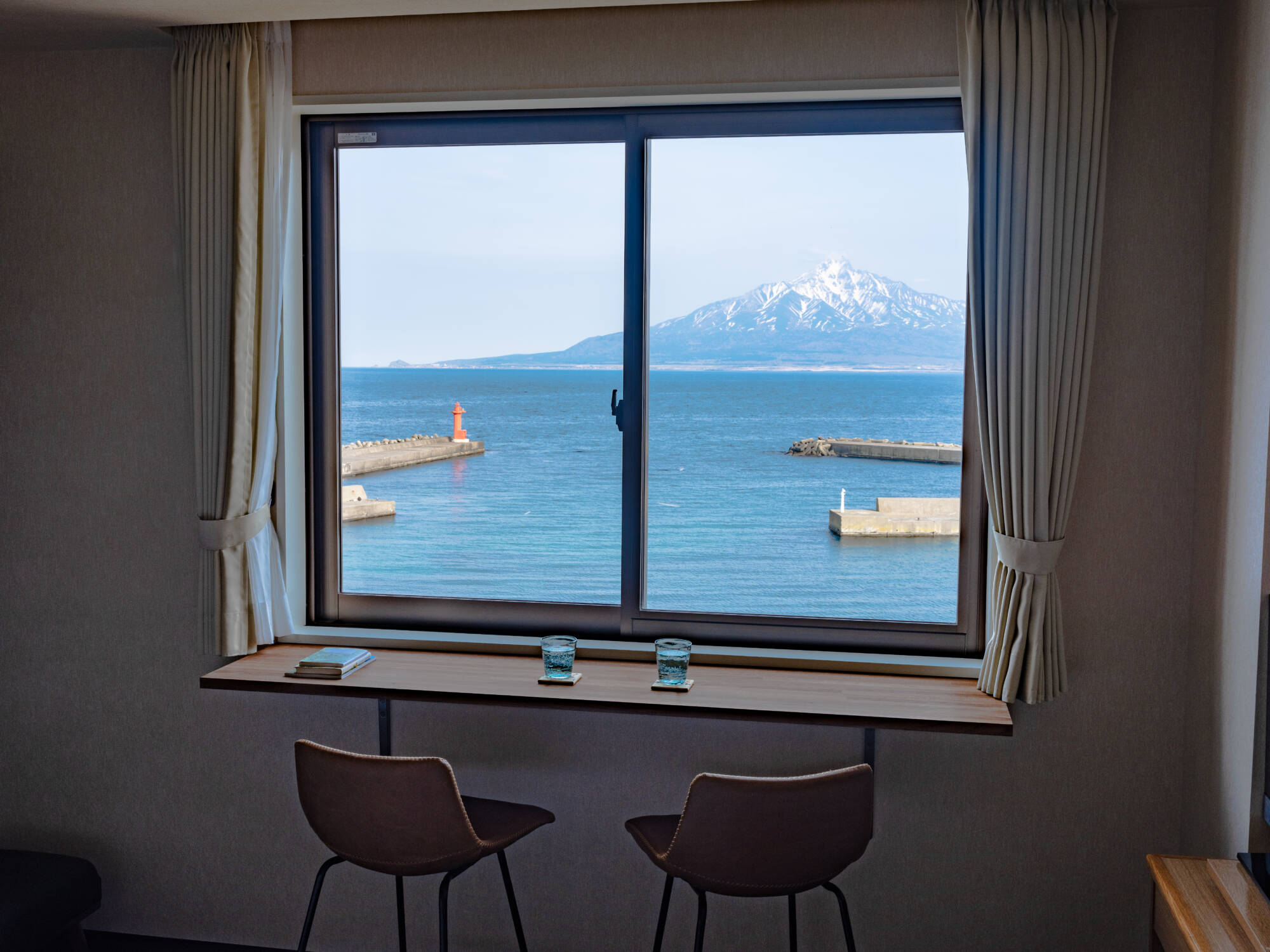
・Panoramic hot spring baths overlooking Mt. Rishiri and the ocean
・Japanese cuisine centered on Rebun’s fresh seafood
Access: 3 hrs 25 min from New Chitose Airport (flight + ferry + bus) | 2 hrs 25 min from Wakkanai Airport *Complimentary transfers (advance reservation required)