
HOKURIKU KOSHINETSU
The roof of Japan, and everything it feeds.
The moisture carried in from the Sea of Japan meets the Northern Alps and falls as snow. That snow melts into rivers, rice paddies, sake breweries, and ceramic glazes. Six prefectures — Nagano, Niigata, Yamanashi, Toyama, Ishikawa, and Fukui — are shaped by the same mountains, the same water, the same winters.
History & Heritage
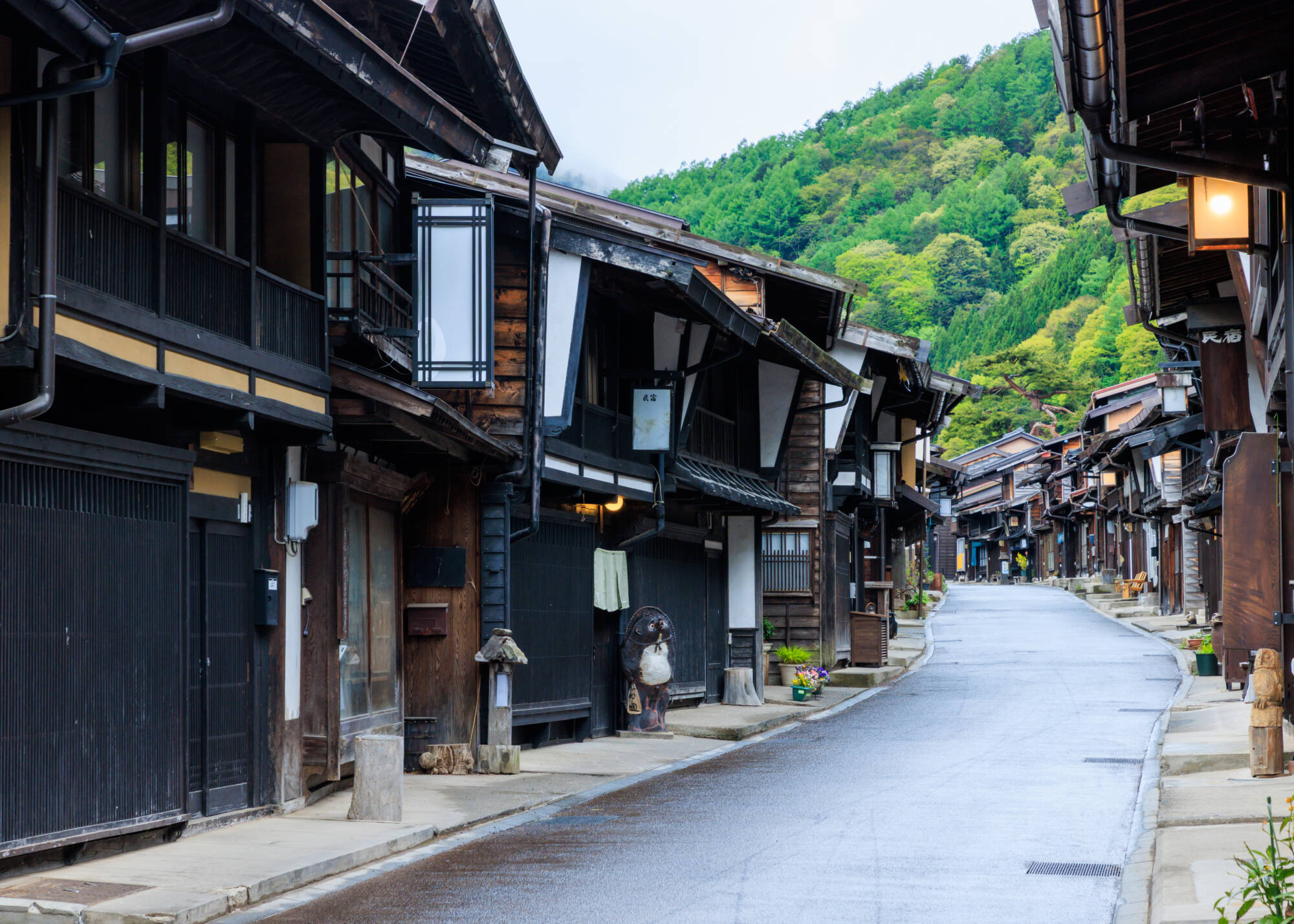
Inland, post towns and pilgrimage routes along the old Nakasendo highway shaped life in the region. In Fukui, the ruins of Ichijodani preserve the remains of a castle town built and lost within a single century. Along the Sea of Japan coast, the Kitamaebune shipping route carried rice, medicine, and craft goods between port towns for centuries, helping to build the prosperity still visible today. In Ishikawa, the Maeda clan, one of Japan’s wealthiest feudal lords, invested that wealth in craft and culture, laying the foundations for what Kanazawa is today.
Culture & Craft
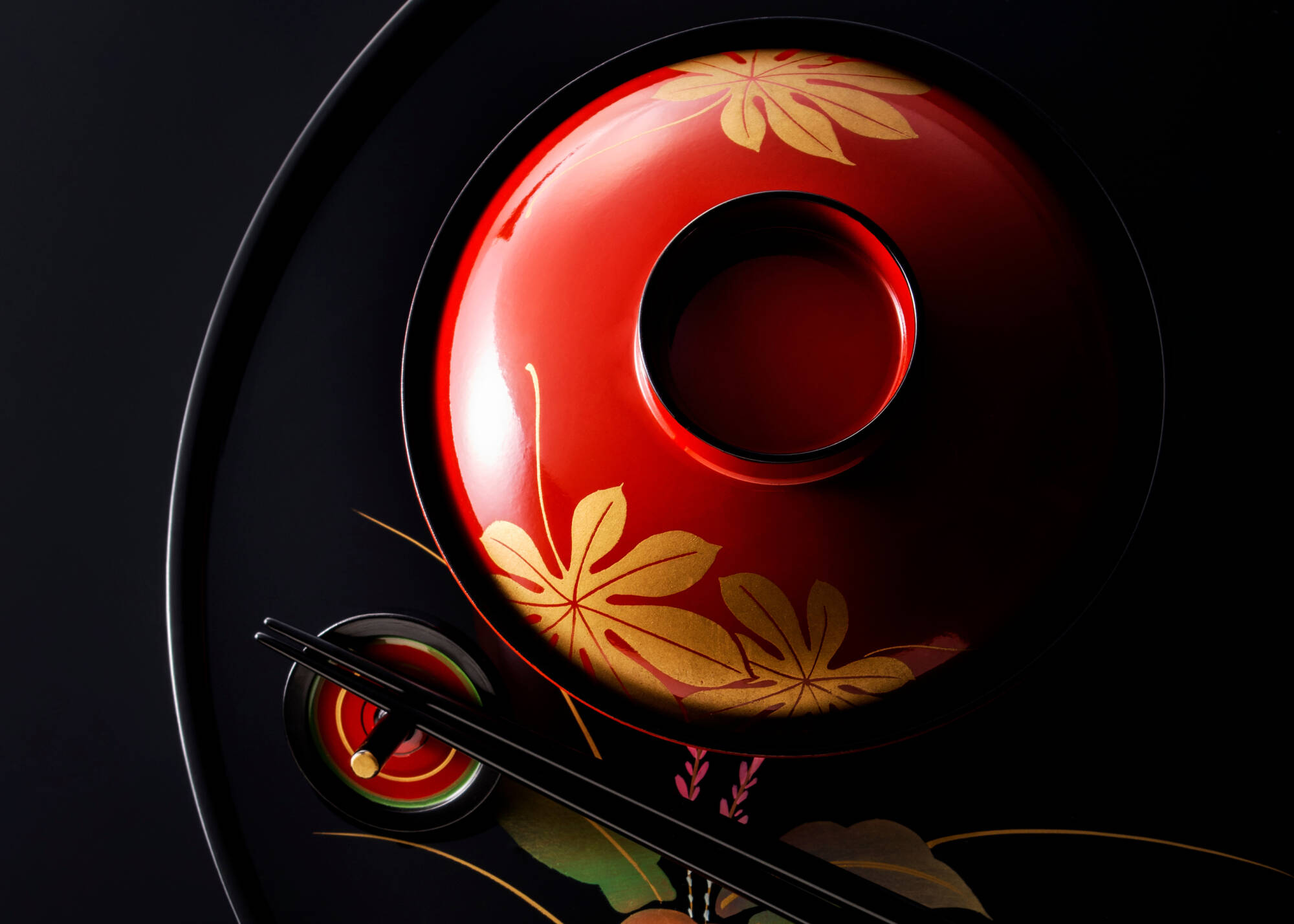
The crafts of this region were made to be lived with, not just admired. Takaoka copperware, Wajima lacquerware, Kutani ceramics, and Tsubame-Sanjo knives follow long-standing workflows passed from one generation of artisans to the next. Their durability and quiet refinement reflect snow-locked winters and a culture of home-based industry. From Kaga Yuzen silk dyeing in Ishikawa to the blades of Echizen in Fukui, this inland-coastal belt forms a concentration of craft traditions that is difficult to match elsewhere in Japan.
Culture & Craft
The crafts of this region were made to be lived with, not just admired. Takaoka copperware, Wajima lacquerware, Kutani ceramics, and Tsubame-Sanjo knives follow long-standing workflows passed from one generation of artisans to the next. Their durability and quiet refinement reflect snow-locked winters and a culture of home-based industry. From Kaga Yuzen silk dyeing in Ishikawa to the blades of Echizen in Fukui, this inland-coastal belt forms a concentration of craft traditions that is difficult to match elsewhere in Japan.
Landscape & Adventure
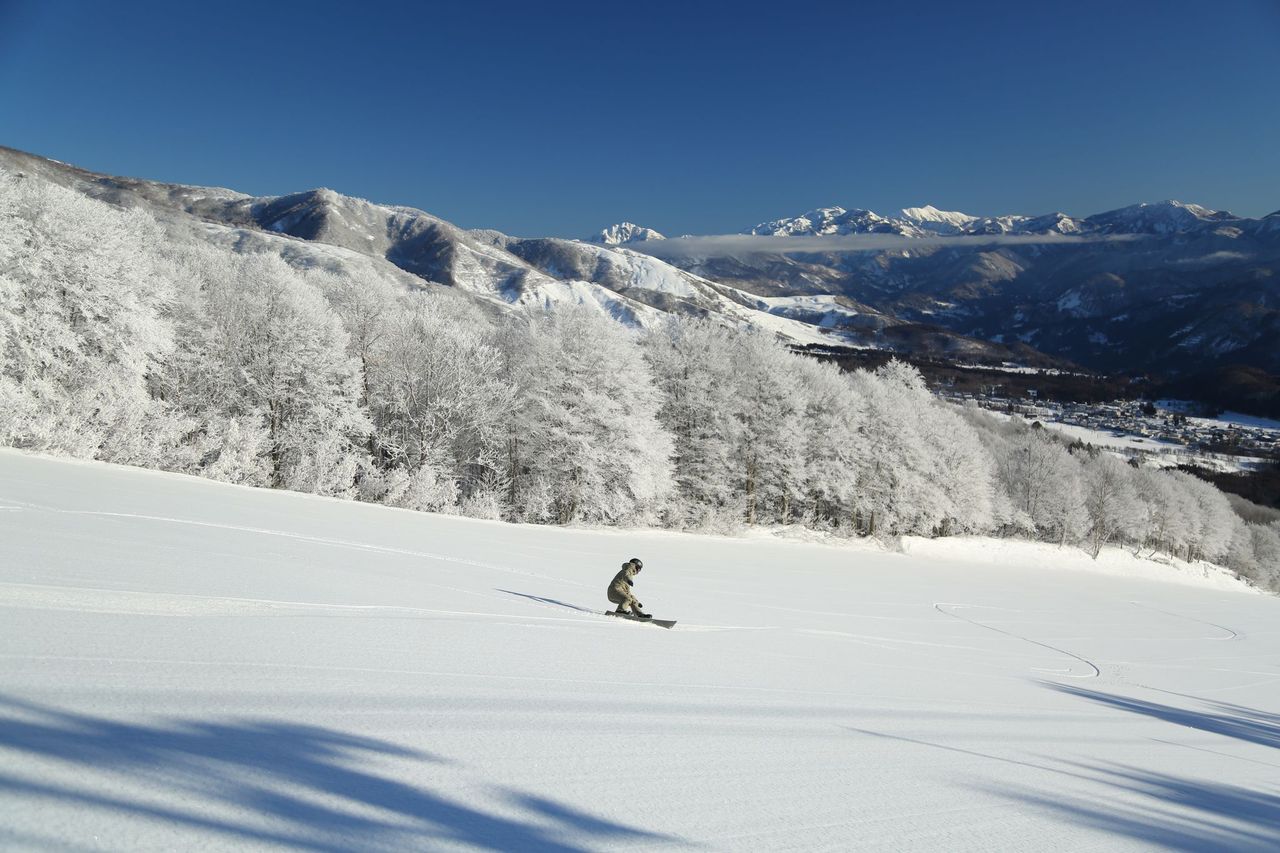
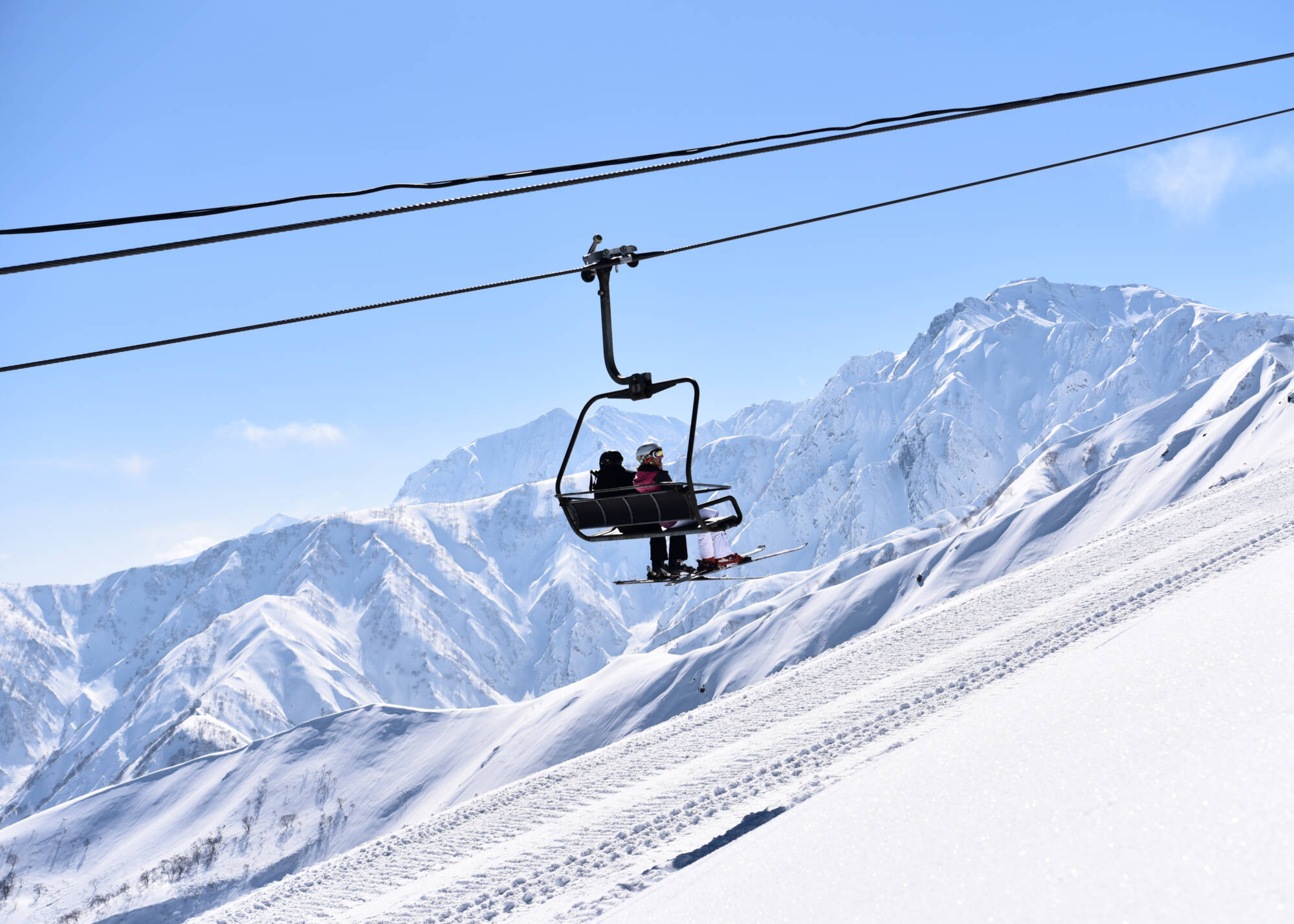
The mountains and the sea sit at an unlikely distance from each other. In Toyama, the 3,000-meter Tateyama peaks and the 1,000-meter depths of Toyama Bay fall within about 50 kilometers of each other. Hakuba hosted the alpine events of the 1998 Winter Olympics and receives more than 11 meters of snow each season. Karuizawa, long established as Japan’s preeminent highland retreat, sits at the foot of Mount Asama — two hours from Tokyo, and a different sense of time entirely.
Food & Cuisine
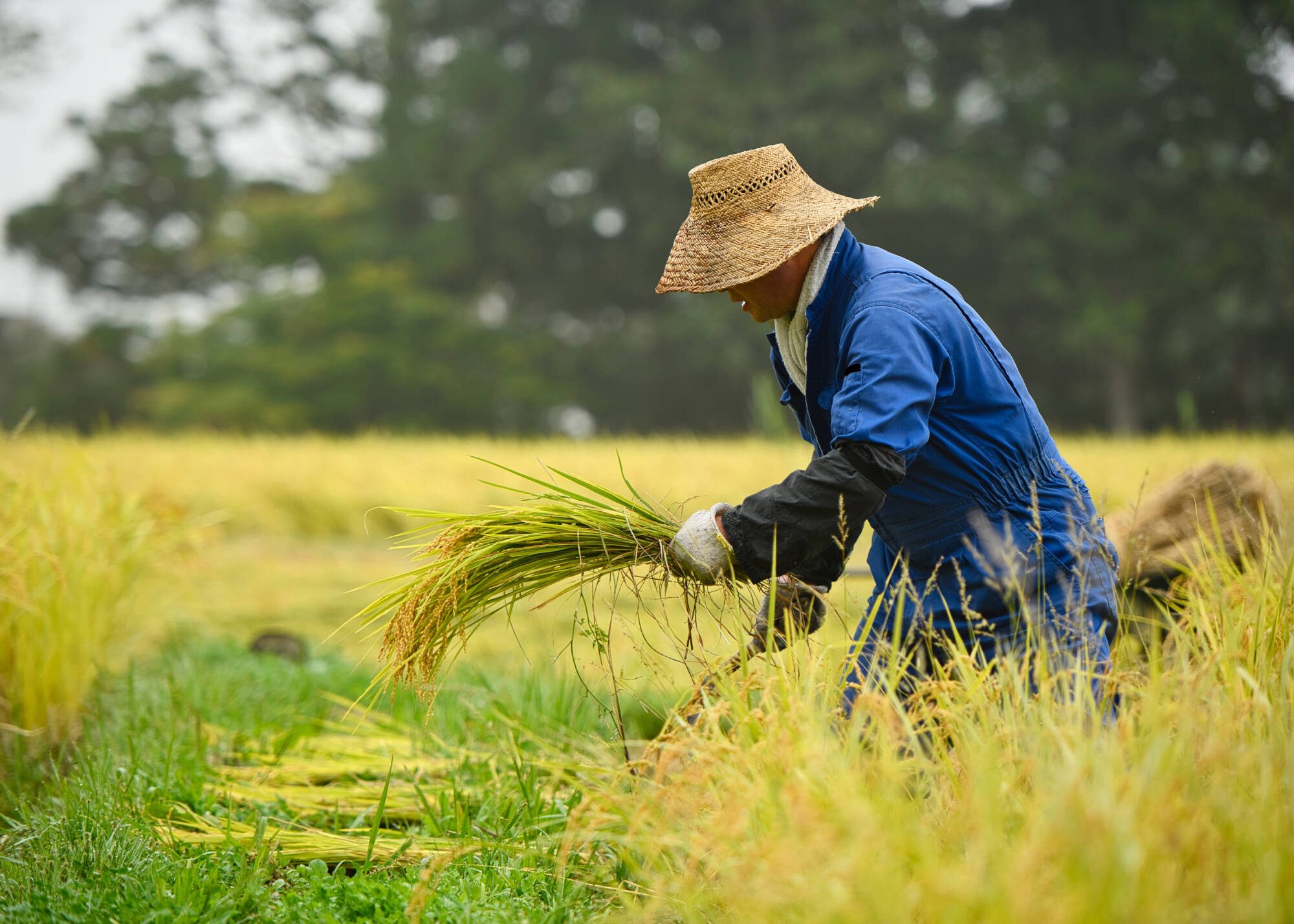
Better water means better rice, better sake, and a richer table. Niigata’s Koshihikari rice is the benchmark against which most Japanese rice is measured; the prefecture also leads the country in sake production. Yamanashi and Nagano are among Japan’s most established wine regions, and both are known for stone fruit, grapes, and apples cultivated over generations. Toyama Bay’s white shrimp and firefly squid are among the most prized catches of the bay. Cross a prefectural border, and even the crab changes its name.
Food & Cuisine
On any map of Japanese food, Hokkaido stands in a category of its own. The island produces nearly half of Japan’s dairy, while sea urchin from Rebun and Rishiri, crab from the Okhotsk coast, wheat and dairy from the Tokachi plains, and a growing wine culture reflect a food culture shaped by every region. In culinary terms, Hokkaido feels less like a prefecture than a country.
Places to Stay
HOTEL LA VIGNE HAKUBA by Onko Chishin
Hakuba, Nagano Prefecture
Where the Mountain Shapes What’s in Your Glass.
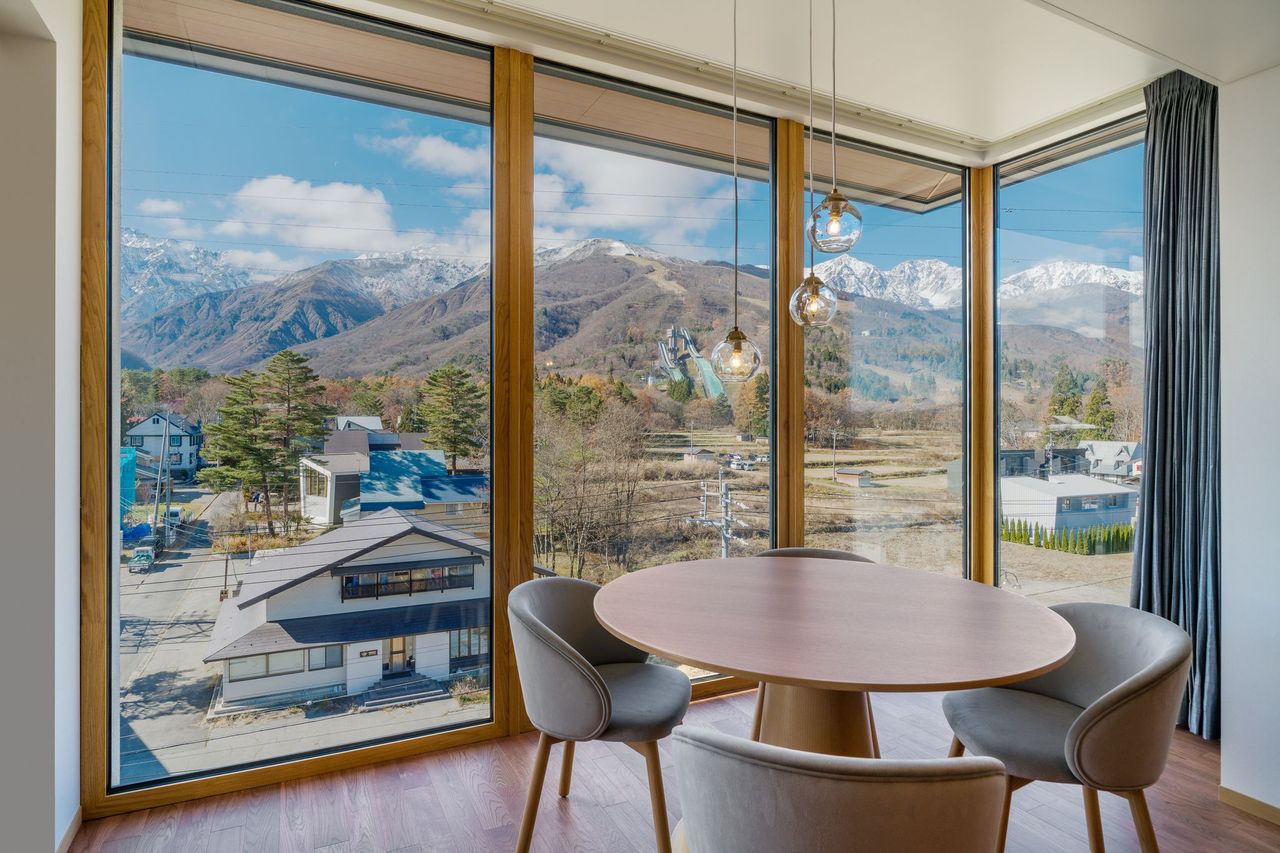
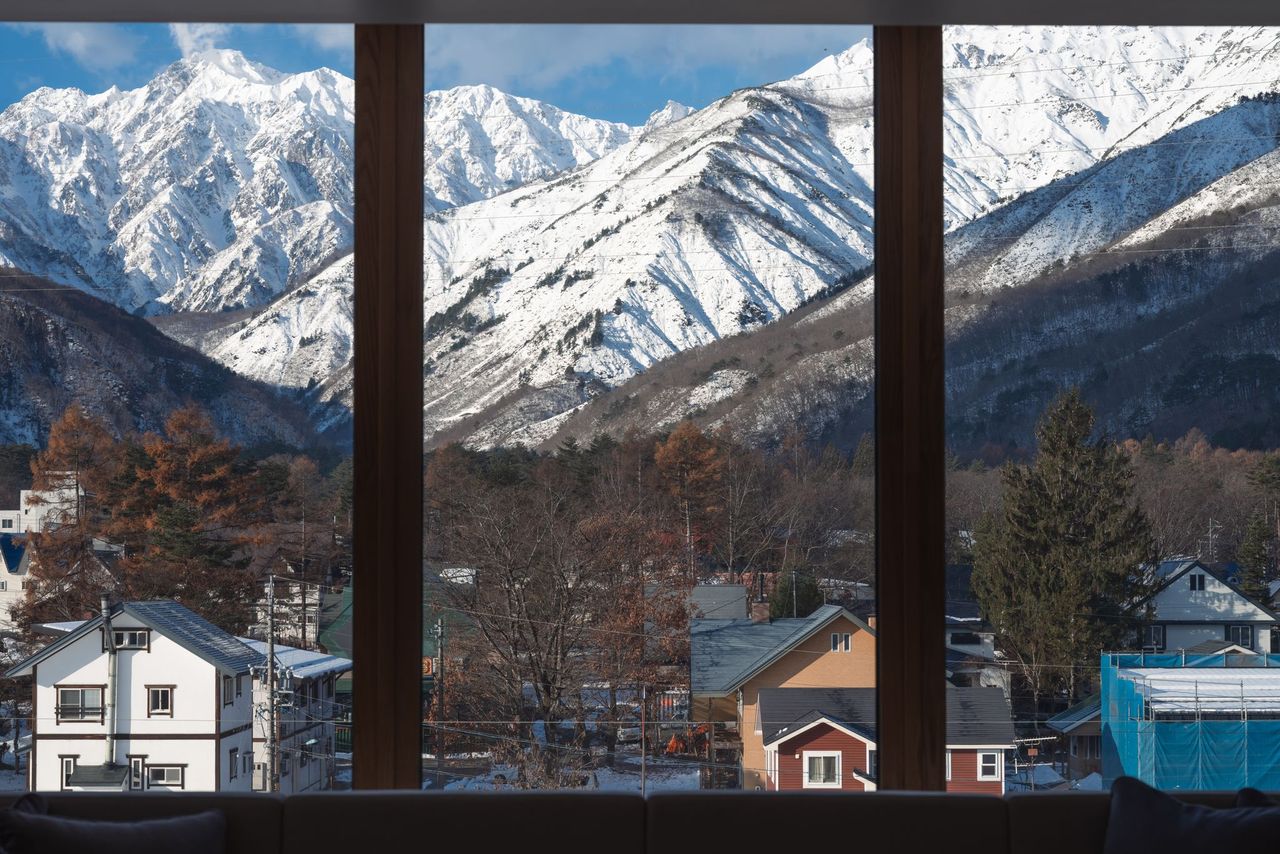
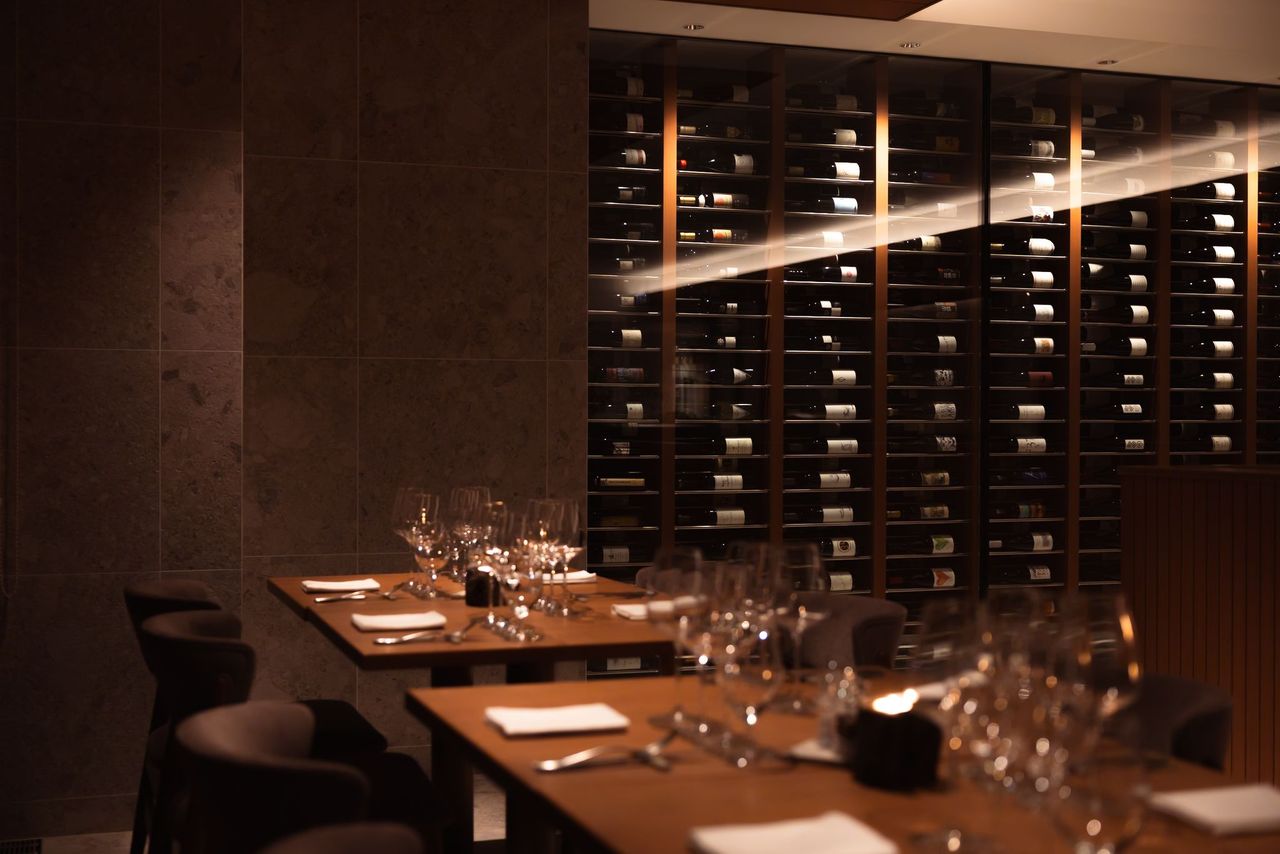
Located in the heart of Hakuba village, surrounded by the Northern Alps that shift vividly through the seasons. Built around Japanese wine and alpine terroir, with a cellar of 1,000+ curated bottles. Designed for extended mountain stays where nature and space become part of the rhythm.
・38 Rooms — All with balcony and mountain views, full kitchen, washer-dryer, and large refrigerator
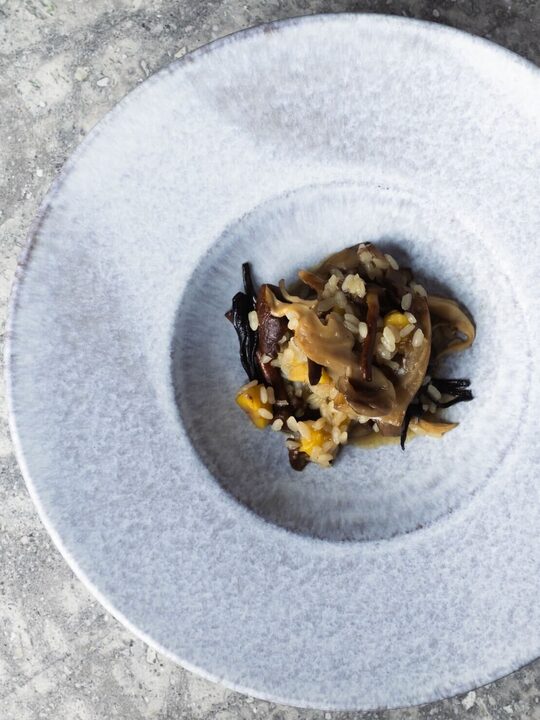
・Alpine Gastronomy — Shinshu ingredients with Japanese wine pairings
・Activities — skiing, hiking, cycling in the Northern Alps
Star Wine List of the Year Japan 2025
Access: 2 hrs 40 min by train from Tokyo | 3 hrs 30 min by train from Nagoya *Complimentary transfers (advance reservation required)