
KANSAI
The heart of Japan’s history and culture.
Japan has many regions, but only one where the country’s founding myths, imperial history, merchant ingenuity, and artistic traditions converge in a single place. Kansai served as the center of Japanese civilization for over a millennium — and in many ways, it still does. The temples of Nara, the gardens of Kyoto, the merchant culture of Osaka, the pilgrimage routes of Wakayama: each is a chapter in a story that began here and has never fully ended.
History & Heritage
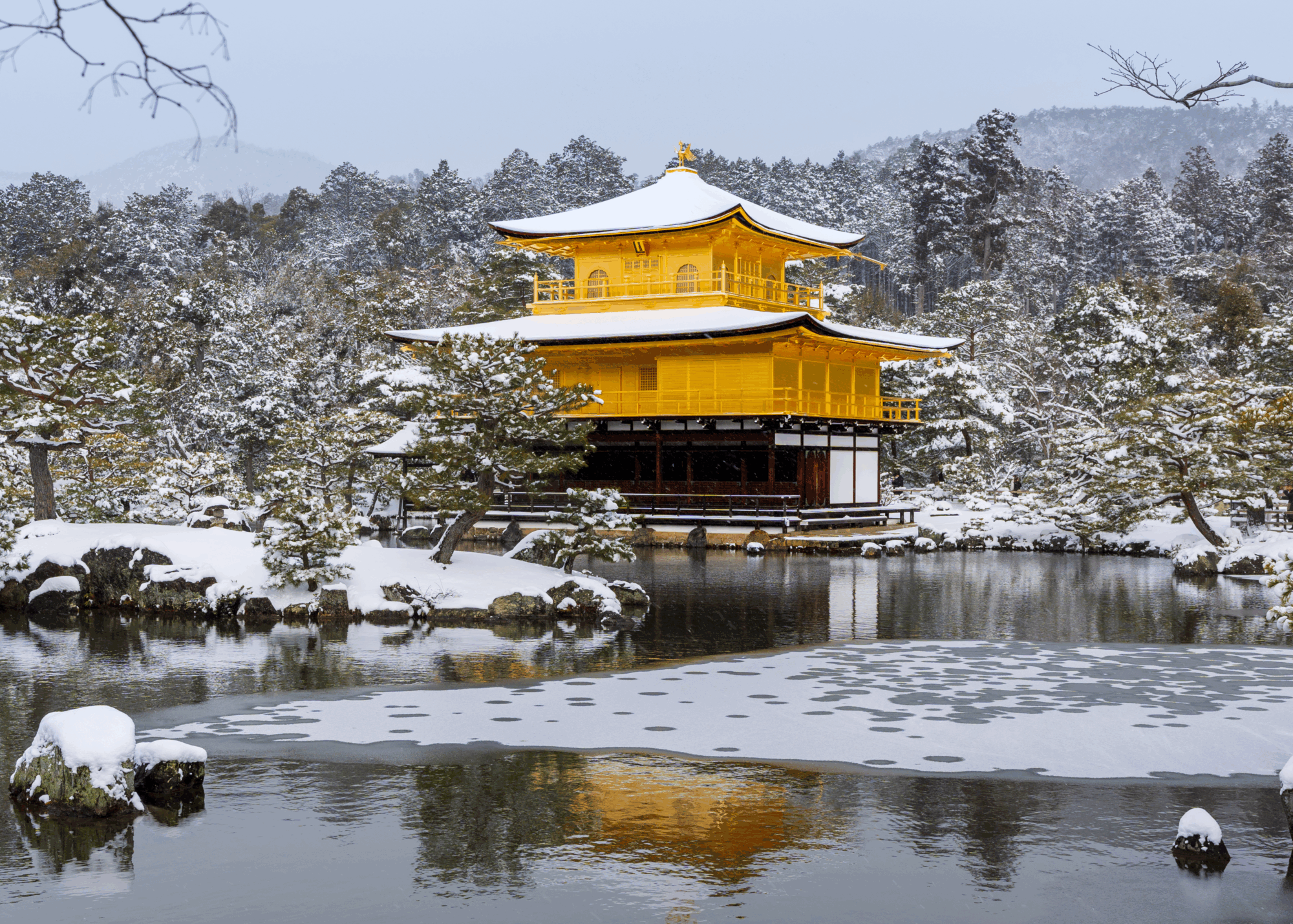
Kansai is where Japan began. Nara served as the country’s first permanent capital in the eighth century, where Buddhism took root and the foundations of a centralized state were laid. Kyoto succeeded it in 794 and remained the imperial capital for over a thousand years. Osaka developed as the nation’s commercial engine — a city of merchants and waterways known as the “kitchen of Japan.” When the Tokugawa shogunate established its seat in Edo in 1603, political power shifted east; the imperial court followed in 1869. Kansai has never stopped being the cultural heart of the country.
Culture & Craft
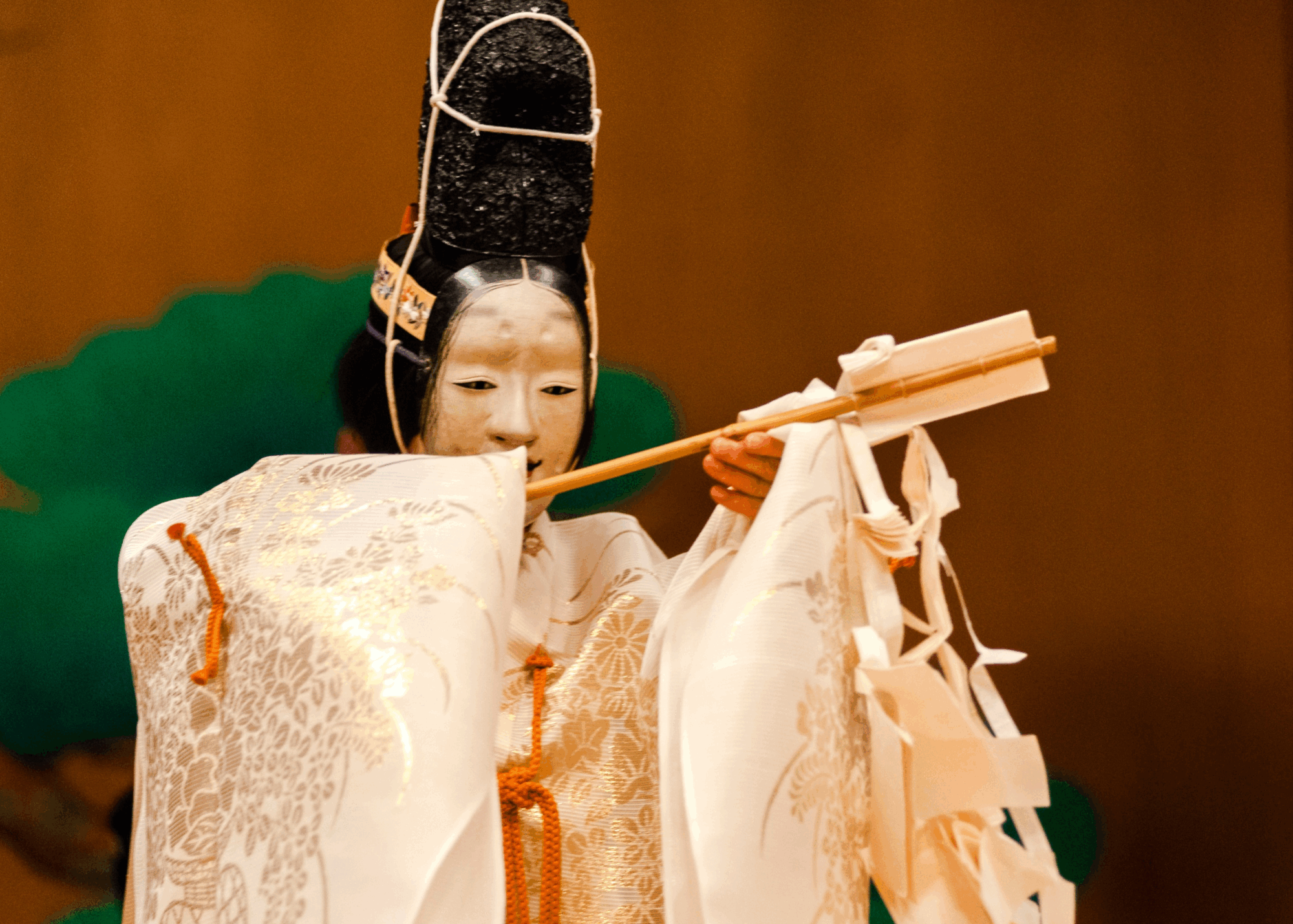
Kansai holds the highest concentration of traditional crafts in Japan. Kyoto alone has 17 nationally designated craft traditions, including Kyo Yuzen silk dyeing, Nishijin weaving, and Kiyomizu ceramics. It is also the birthplace of Noh theater, the tea ceremony, and ikebana. Osaka gave rise to Bunraku puppet theater and a civic culture built on merchant pragmatism. Sacred sites such as Koyasan, the Kumano Kodo pilgrimage routes, and Enryakuji on Mount Hiei sustained a parallel tradition of devotional craft that runs just as deep.
Culture & Craft
Kansai holds the highest concentration of traditional crafts in Japan. Kyoto alone has 17 nationally designated craft traditions, including Kyo Yuzen silk dyeing, Nishijin weaving, and Kiyomizu ceramics. It is also the birthplace of Noh theater, the tea ceremony, and ikebana. Osaka gave rise to Bunraku puppet theater and a civic culture built on merchant pragmatism. Sacred sites such as Koyasan, the Kumano Kodo pilgrimage routes, and Enryakuji on Mount Hiei sustained a parallel tradition of devotional craft that runs just as deep.
Landscape & Adventure
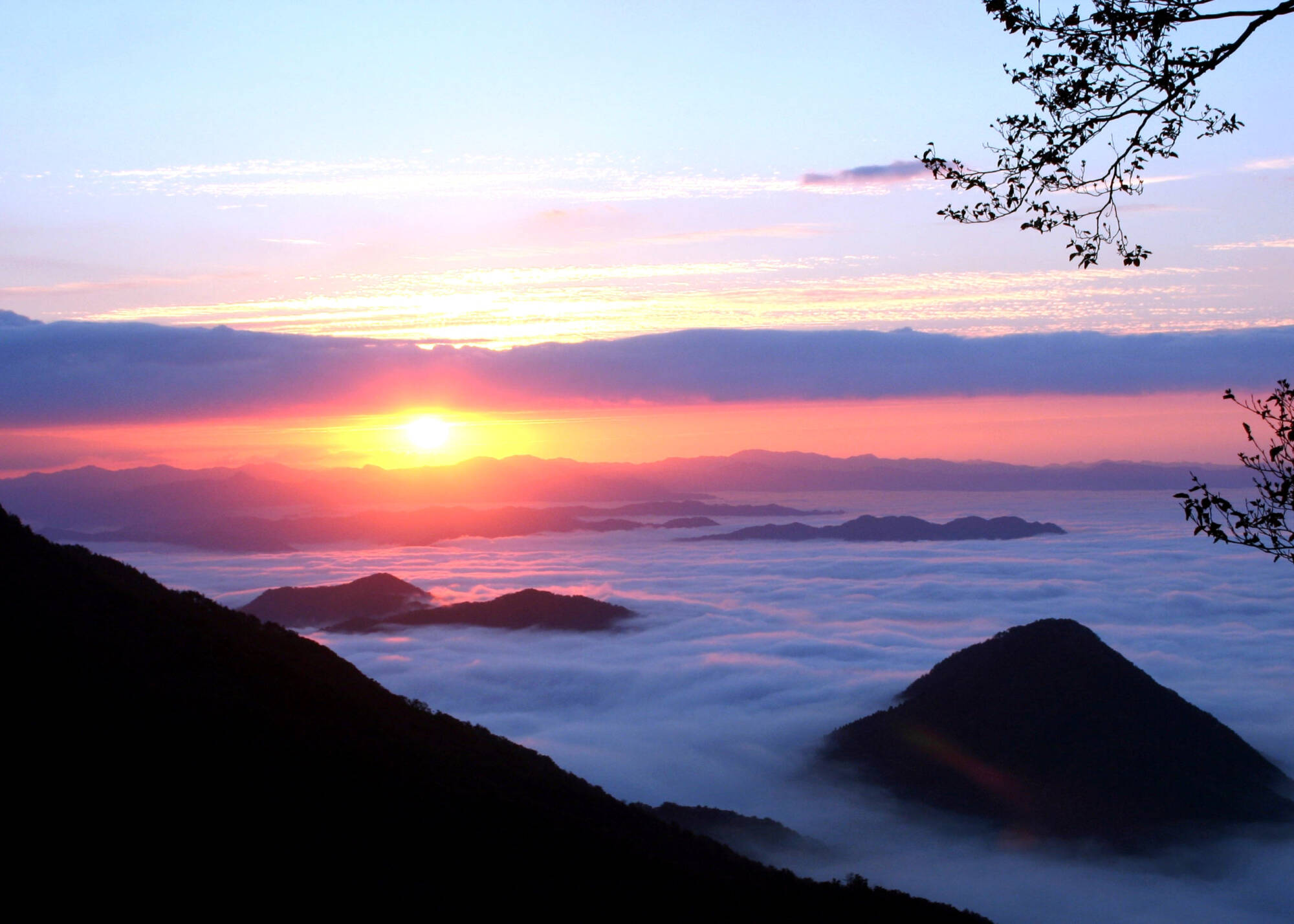
Osaka and Kyoto sit within easy reach of some of Japan’s most compelling natural terrain. Lake Biwa, Japan’s largest freshwater lake, lies just east of Kyoto and serves as a base for kayaking, sailing, and cycling along its shore. The sacred trails of the Kumano Kodo wind through the deep forests of the Kii Peninsula in Wakayama. The Sea of Japan coastline to the north offers dramatic scenery of a different kind. Hot springs sit at the end of most trails throughout the region.
Food & Cuisine
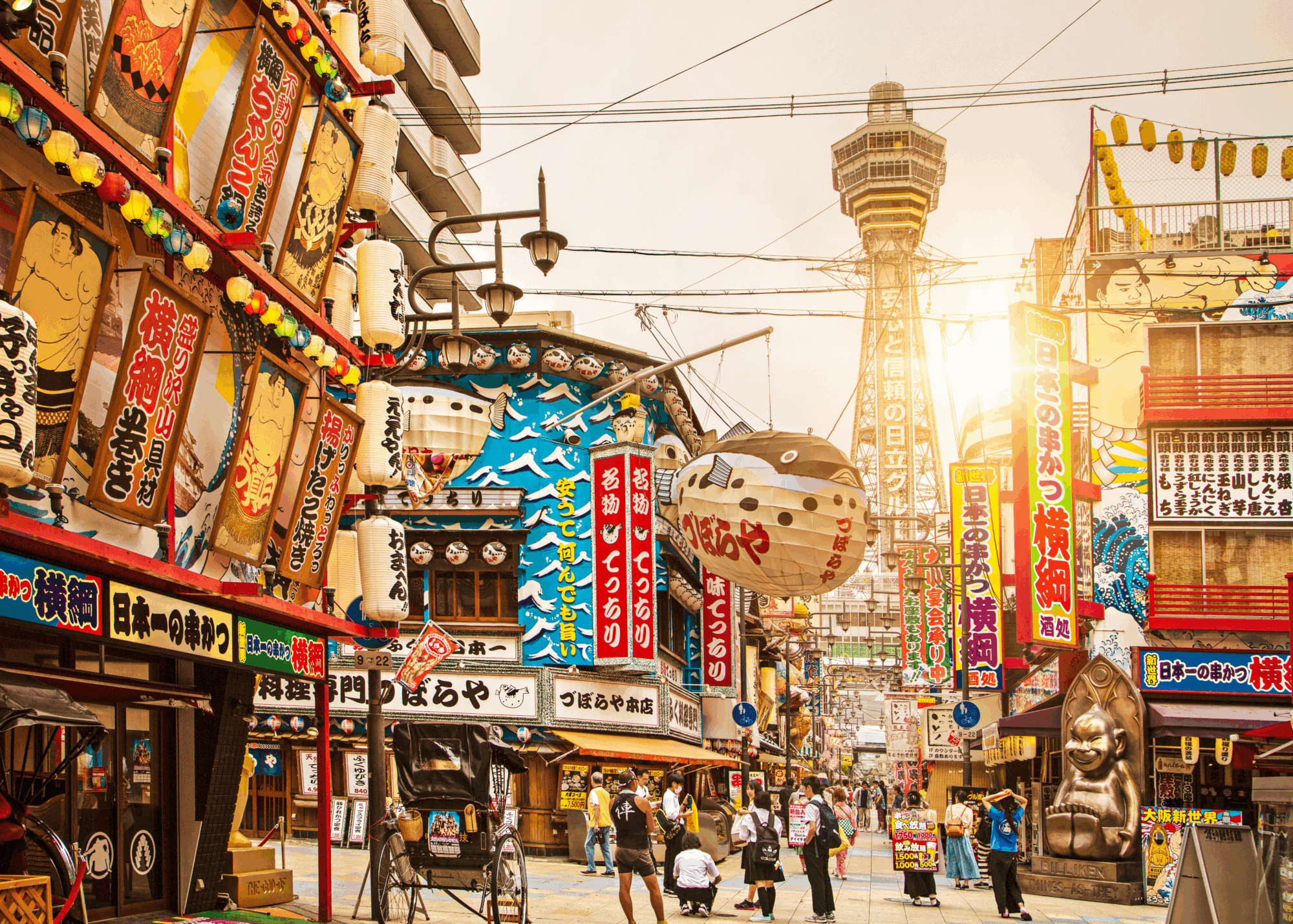
Few regions in Japan cover as much culinary ground as Kansai. Kyoto’s kaiseki tradition elevates seasonal ingredients into a structured art form rooted in the tea ceremony; temple lodgings throughout the region serve shojin ryori, a Buddhist vegetarian cuisine refined over centuries. Osaka’s food culture runs on dashi and flour-based street food, sustenance as much as pleasure. Hyogo’s Nada district is Japan’s foremost sake-producing area, and Kobe its most prized Wagyu. Wakayama holds the origins of Japanese soy sauce. Running through it all is a culture of fermentation shaped by geography and history.
Food & Cuisine
Few regions in Japan produce ingredients of this range or quality. Mie’s Matsusaka beef and Gifu’s Hida beef rank among Japan’s finest wagyu. Shizuoka’s Suruga Bay yields sakura shrimp found nowhere else, alongside kinmedai and fresh shirasu; the prefecture also leads Japan in green tea production and is known for wasabi grown in cold mountain streams. Lake Hamana is one of Japan’s most storied eel-farming grounds. Aichi’s food culture is built around a dark soybean miso with no equivalent elsewhere in the country.
Places to Stay
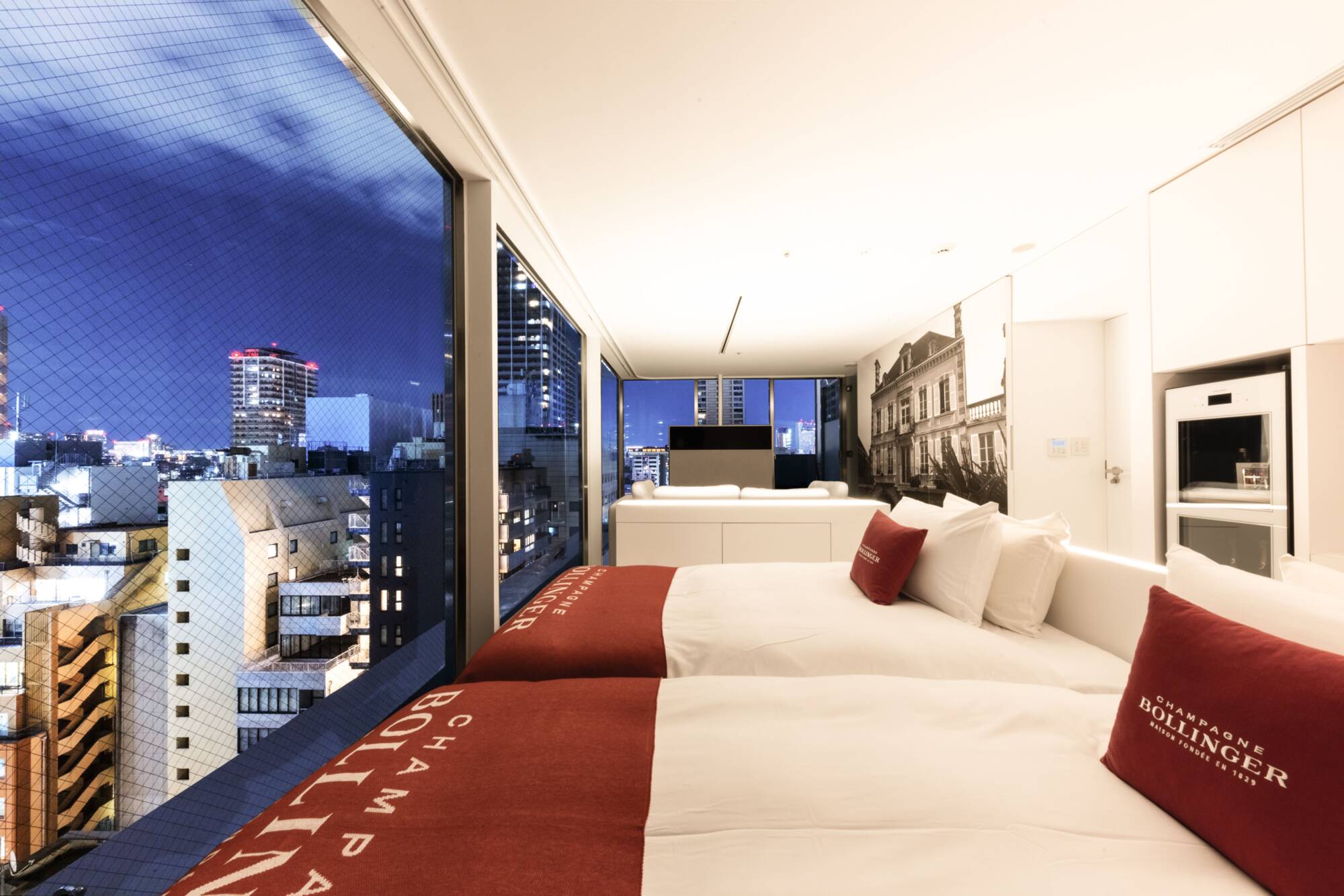
CUVEE J2 HOTEL OSAKA by Onko Chishin
Shinsaibashi, Osaka
The World’s Only Place to Stay Inside Champagne.
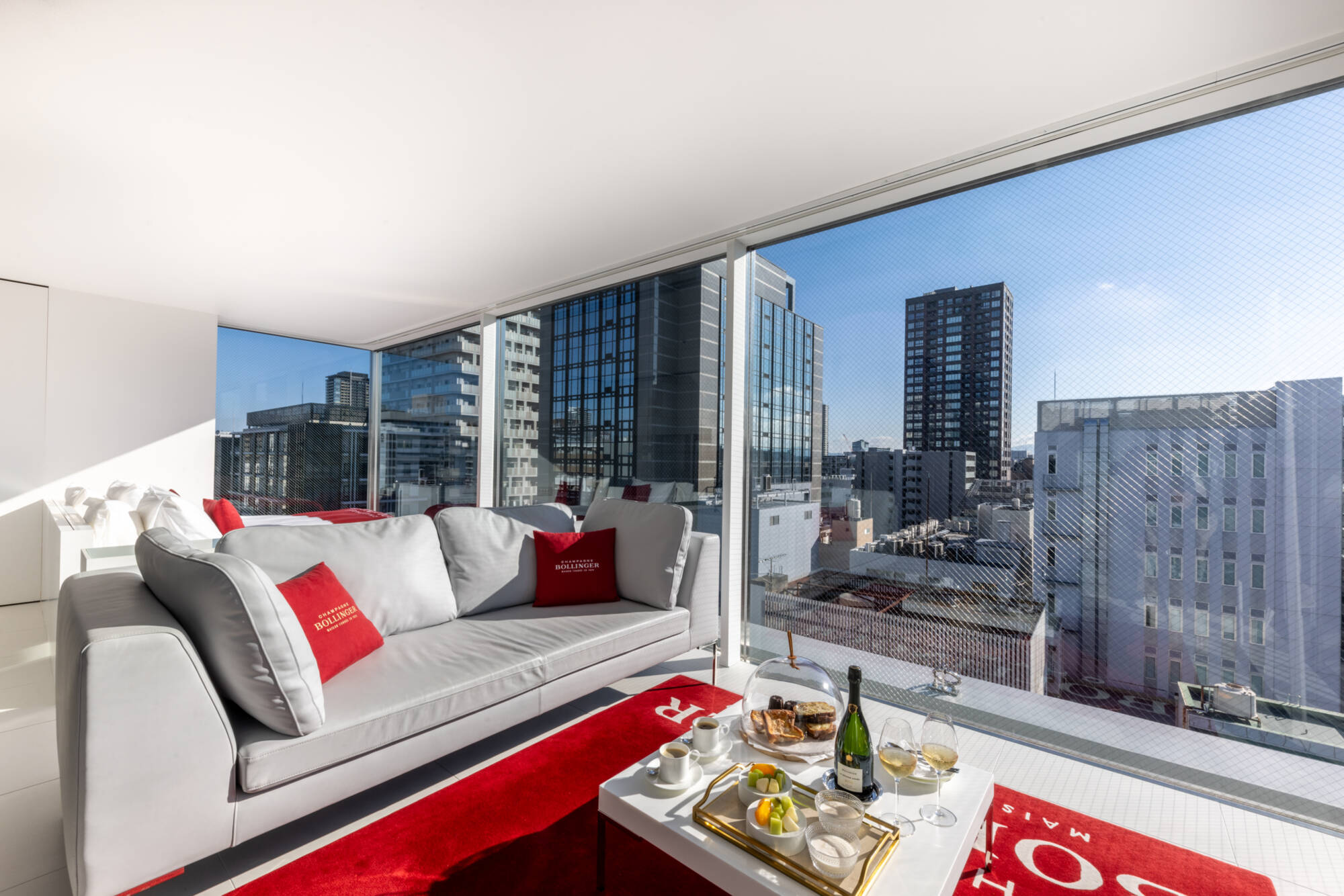
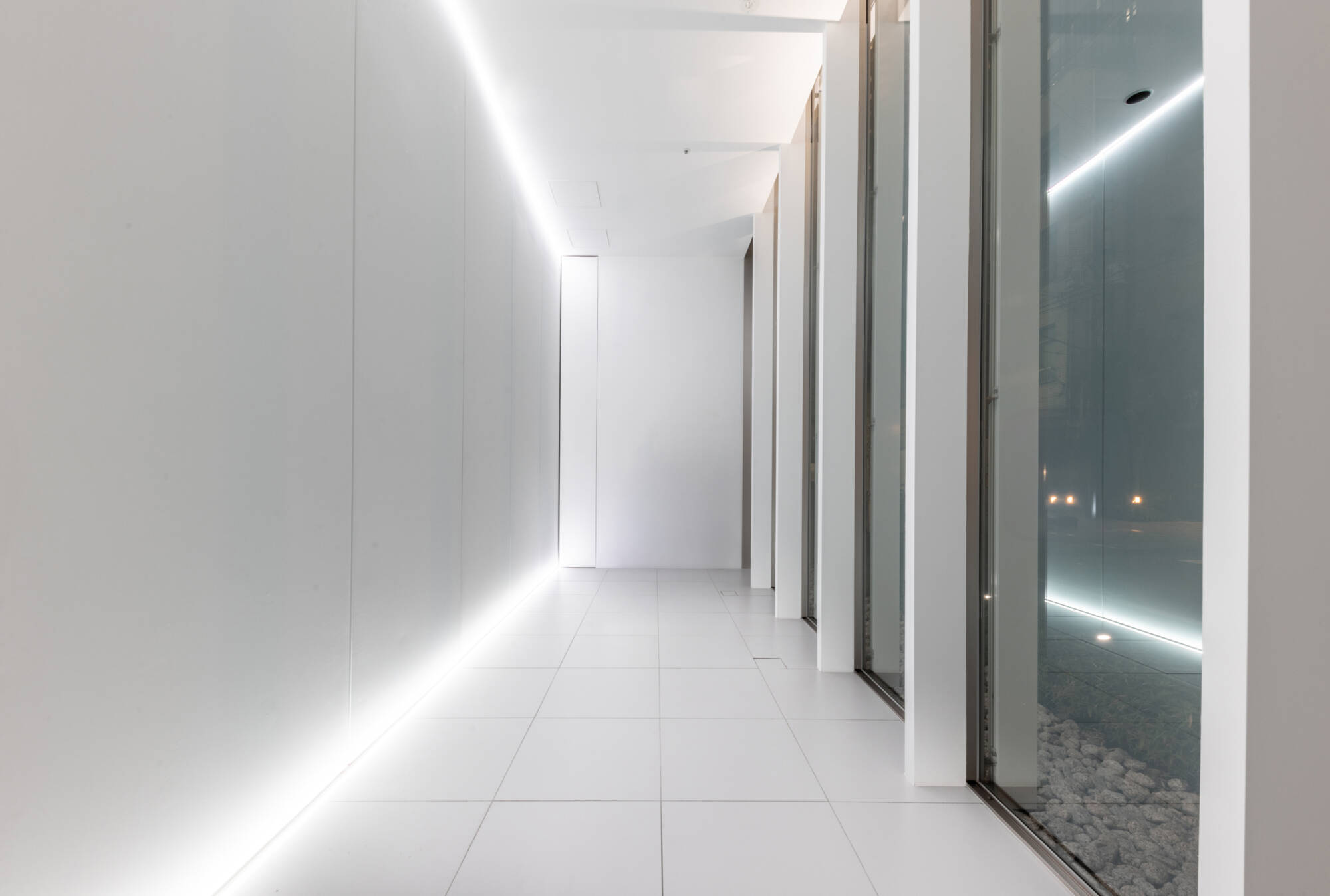
The world’s first official champagne hotel, co-created with eleven celebrated Champagne Maisons. Each room immerses guests in a different Maison’s world. Minimalist architecture by Shinichi Ogawa.
・11 Rooms — Each co-created with a Champagne Maison
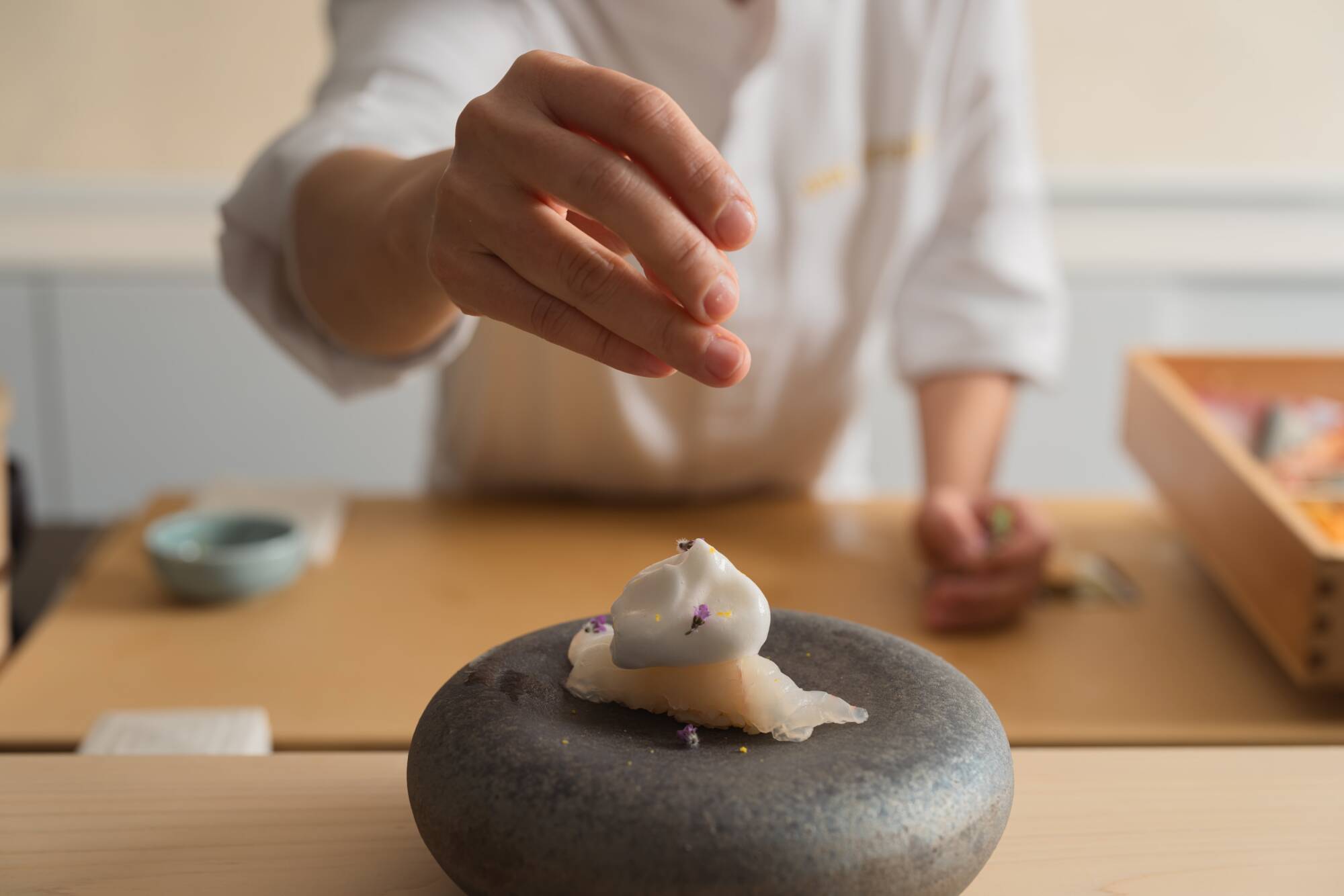
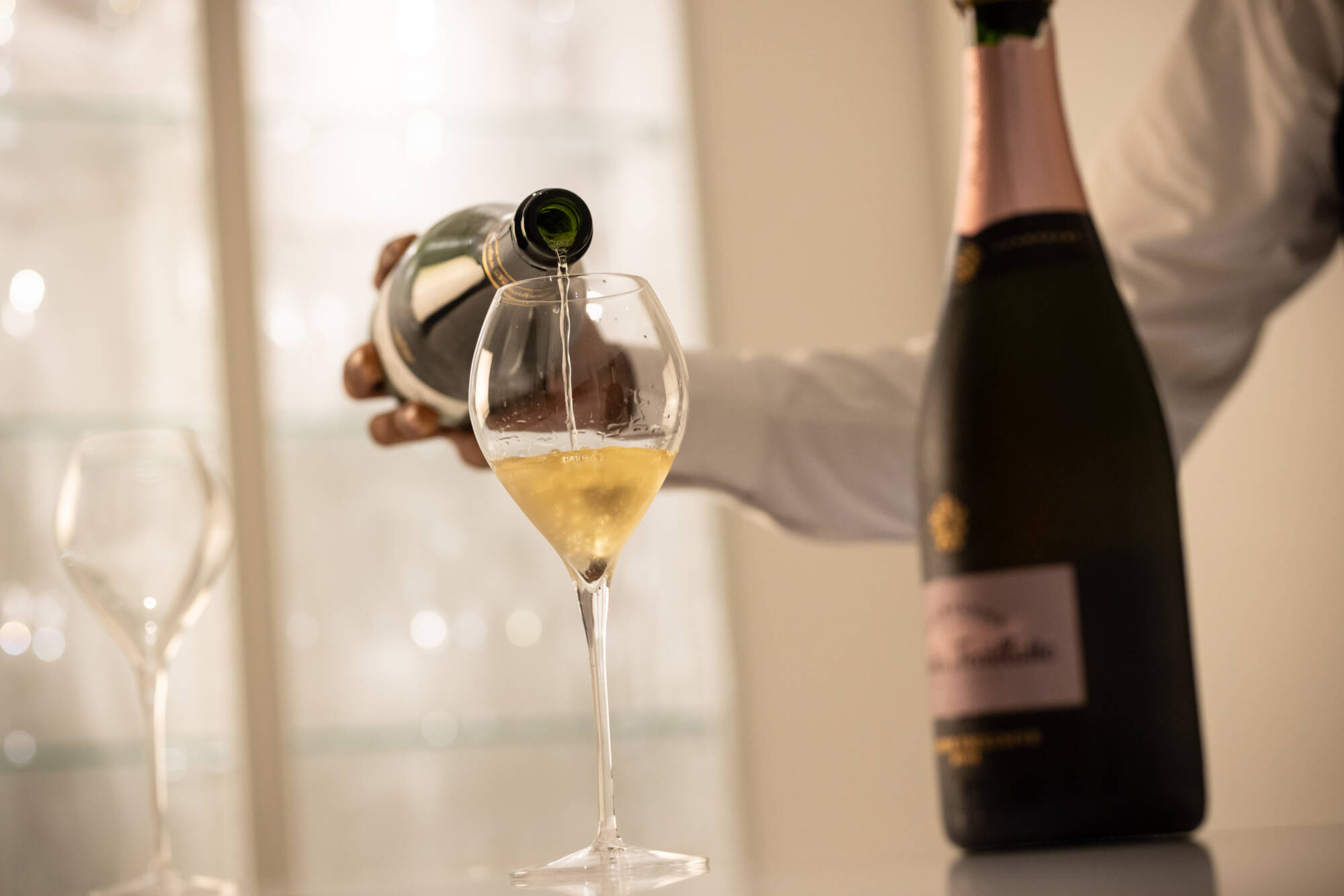
・AWA SUSHI — Omakase Sushi counter with 200+ selected champagne labels
・Architecture — Minimalist design by Shinichi Ogawa
Member of Small Luxury Hotels (SLH)
Access: 4 min walk from Nagahoribashi Station | 7 min walk from Shinsaibashi Station