
KANTO
Kanto is more than just Tokyo.
Kanto is more than the region where Tokyo happens to be. Within two hours of the city lie an active volcanic valley, a medieval capital, a shrine complex built to overwhelm, and fishing ports that have supplied its tables for centuries. The density of Tokyo makes the contrast sharper — knowing the city well is what makes its surroundings worth finding.
History & Heritage
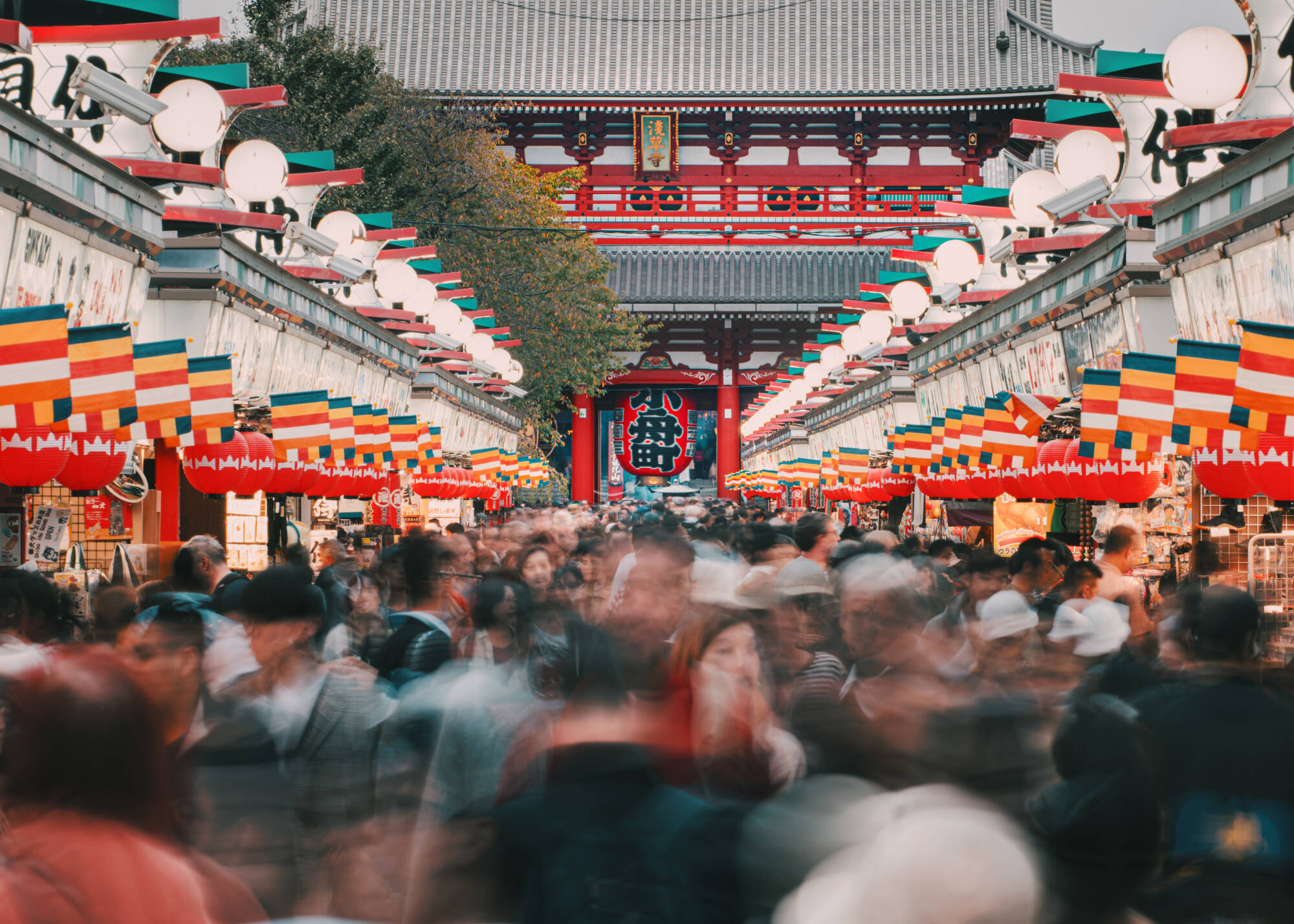
Tokyo became something else entirely in under 150 years. Renamed from Edo in 1868, it grew from a castle town into Japan’s political center while Kyoto remained the imperial capital. The old shitamachi neighborhoods of east Tokyo still hold traces of that earlier city. Kamakura, an hour south, served as Japan’s first warrior capital; its temples and shrines remain within a compact valley. Nikko’s Toshogu shrine, built in 1617, was designed to overwhelm — and it still does.
Culture & Craft
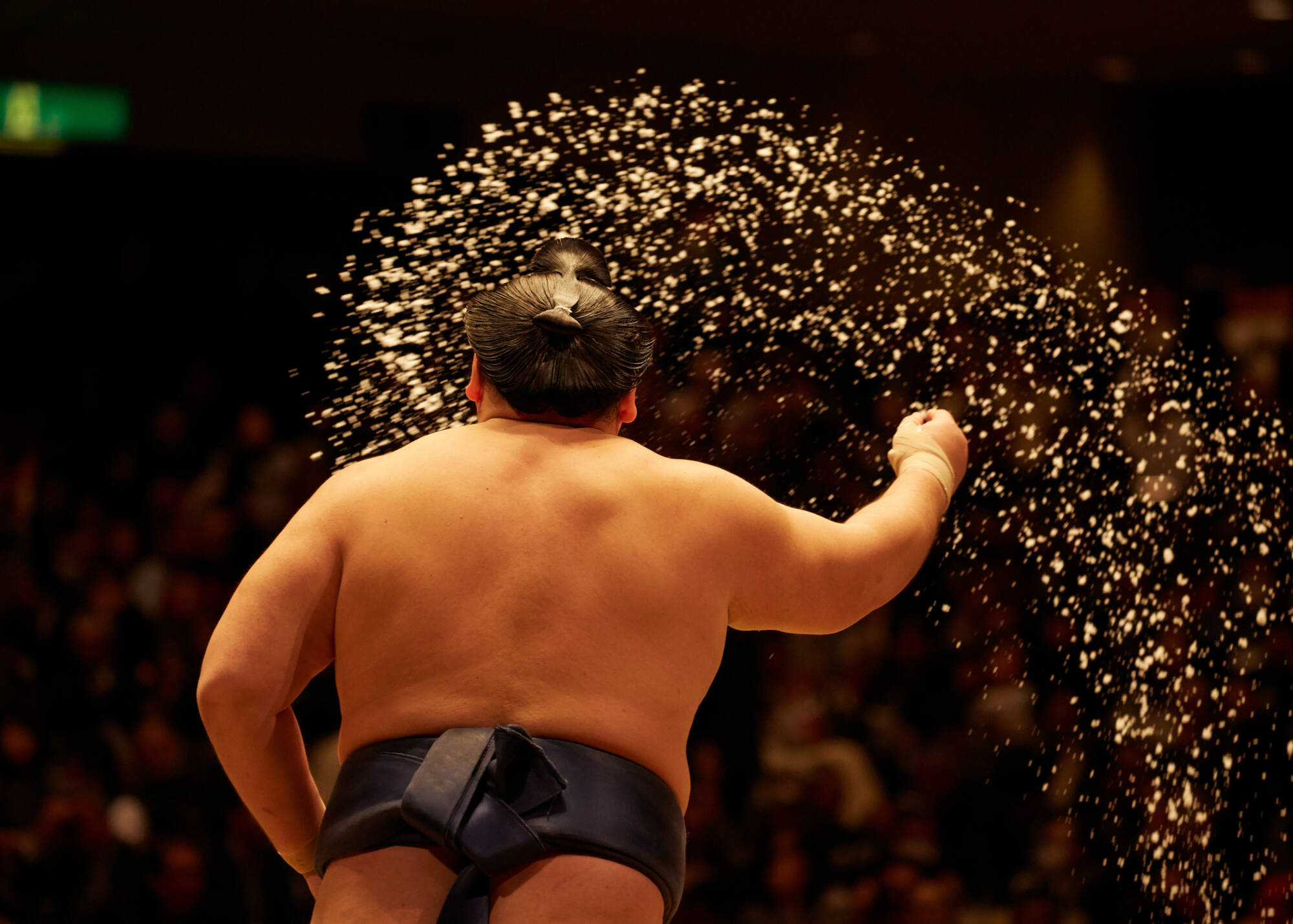
Tokyo’s cultural density resists summary. Kabuki, rakugo, and sumo — the great performance traditions of the Edo period — continue as living, ticketed arts. Mashiko ware in Tochigi and Kasama ware in Ibaraki represent ceramic cultures where studio artists and traditional kilns still coexist. Yokohama, opened as a treaty port in 1859, absorbed Western influence earlier than almost anywhere else in Japan. Its Chinatown neighborhood, former foreign settlement buildings, and hilltop residences are the visible remains of that history.
Culture & Craft
Tokyo’s cultural density resists summary. Kabuki, rakugo, and sumo — the great performance traditions of the Edo period — continue as living, ticketed arts. Mashiko ware in Tochigi and Kasama ware in Ibaraki represent ceramic cultures where studio artists and traditional kilns still coexist. Yokohama, opened as a treaty port in 1859, absorbed Western influence earlier than almost anywhere else in Japan. Its Chinatown neighborhood, former foreign settlement buildings, and hilltop residences are the visible remains of that history.
Landscape & Adventure
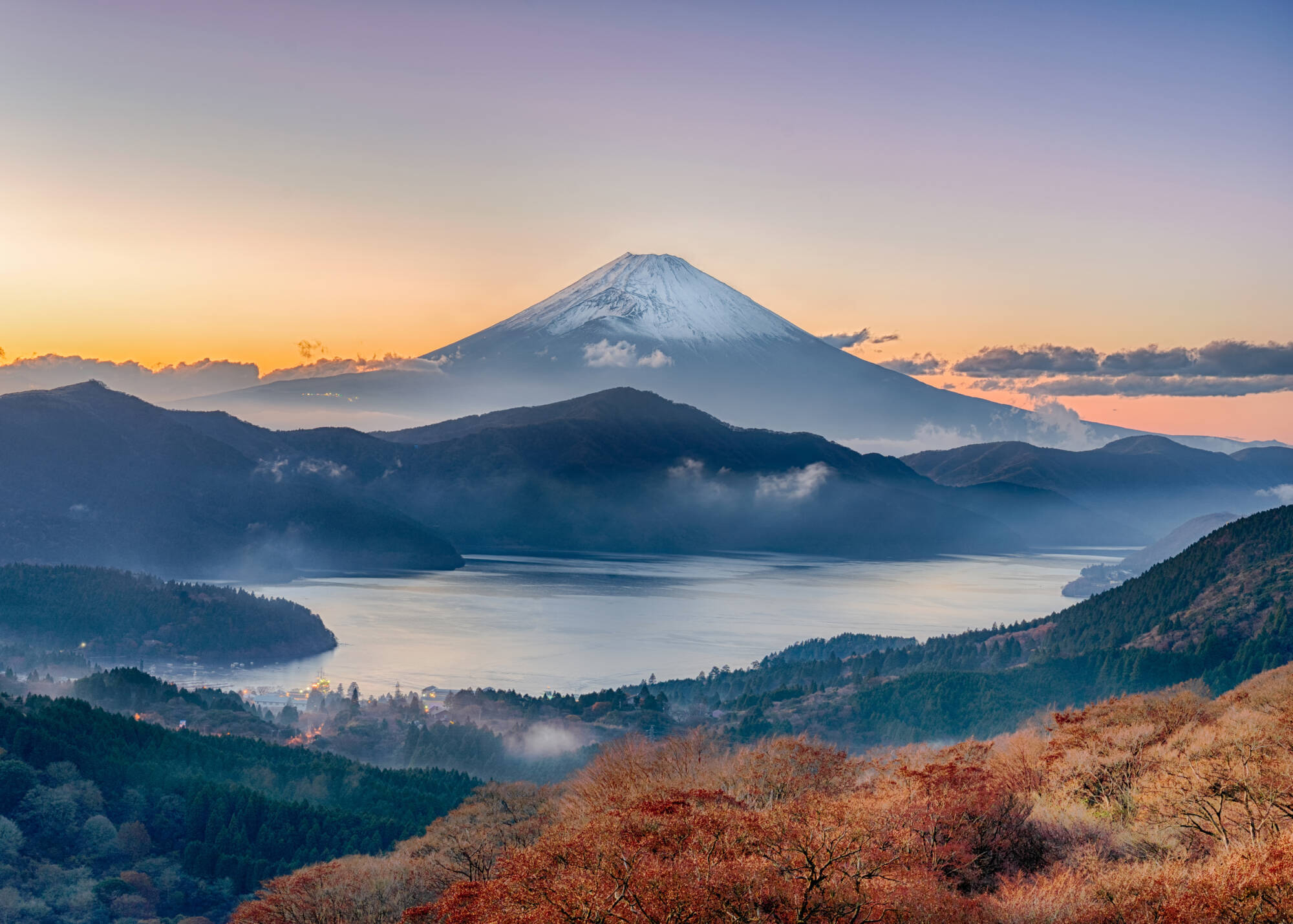
A volcano and a medieval capital sit within 80 kilometers of Tokyo. Hakone’s Owakudani remains an active volcanic zone, with fumaroles venting above Lake Ashi, where Mount Fuji appears on clear days. The Tanzawa range offers serious ridge walking less than an hour from the city. Further out, the hot spring towns of Gunma and the lake district of Tochigi occupy terrain that bears little resemblance to the capital they border.
Food & Cuisine
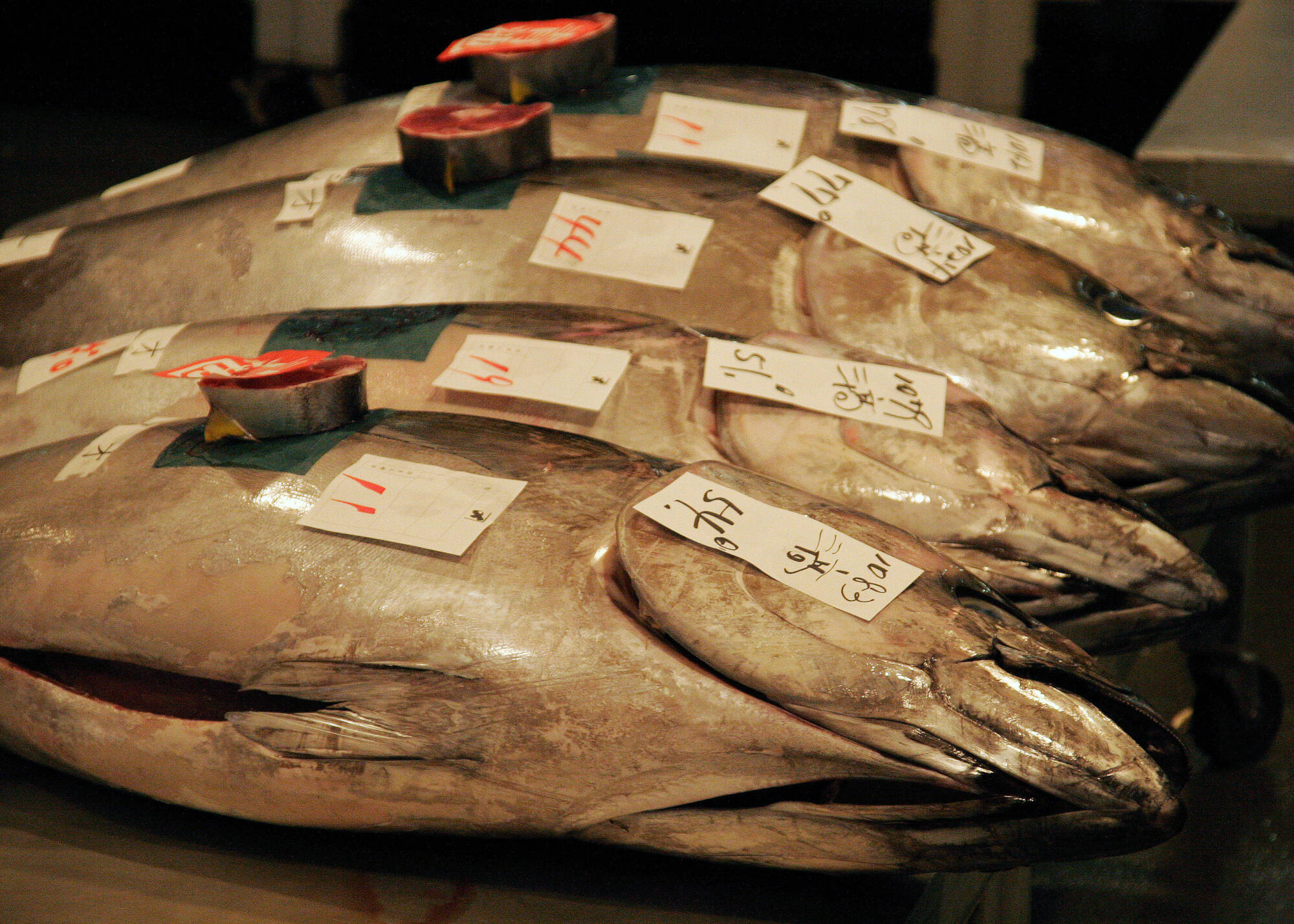
Tokyo’s food culture is, in terms of density, unmatched. Edomae sushi and tempura both emerged from the fishing culture of Tokyo Bay — fast food for a working port city that grew into something far larger. The shirasu of Shonan and Enoshima is eaten on the day it is caught. Chiba’s Ise lobster and Boso Peninsula seafood still arrive directly from the fishing ports. Tokyo holds more Michelin-starred restaurants than any other city in the world — though the most telling meals are often found in the side-street restaurants that have been doing the same thing for decades.
Food & Cuisine
Tokyo’s food culture is, in terms of density, unmatched. Edomae sushi and tempura both emerged from the fishing culture of Tokyo Bay — fast food for a working port city that grew into something far larger. The shirasu of Shonan and Enoshima is eaten on the day it is caught. Chiba’s Ise lobster and Boso Peninsula seafood still arrive directly from the fishing ports. Tokyo holds more Michelin-starred restaurants than any other city in the world — though the most telling meals are often found in the side-street restaurants that have been doing the same thing for decades.
Places to Stay
Cafe Dining Safu
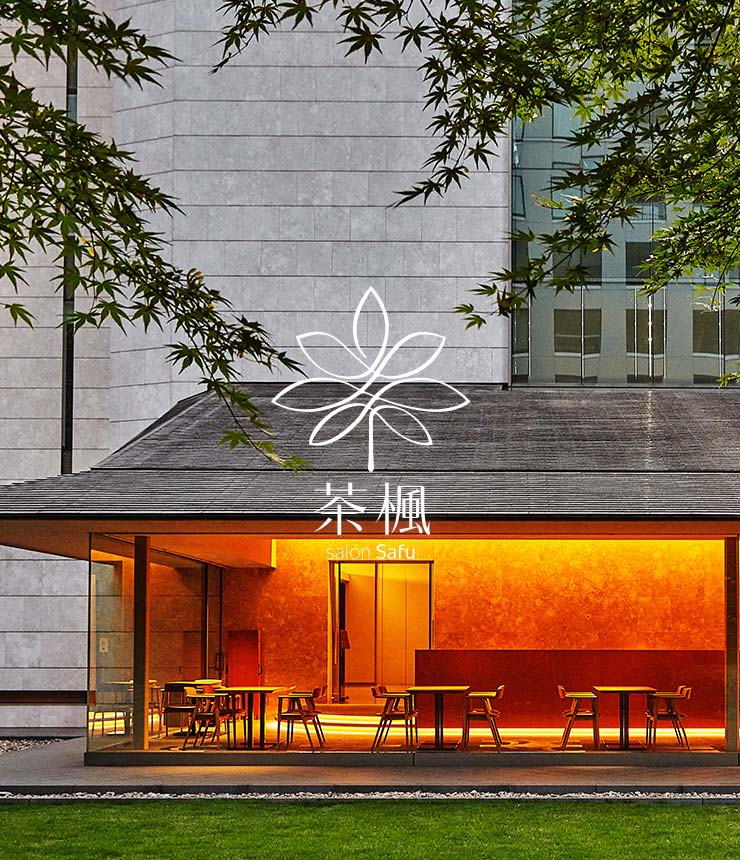
Cafe Dining Safu
Toranomon, Tokyo
A quiet garden in the heart of the city.
Casual French café rooted in Japanese ingredients,
alongside the Kikuchi Kanjitsu Memorial Tomo Museum.

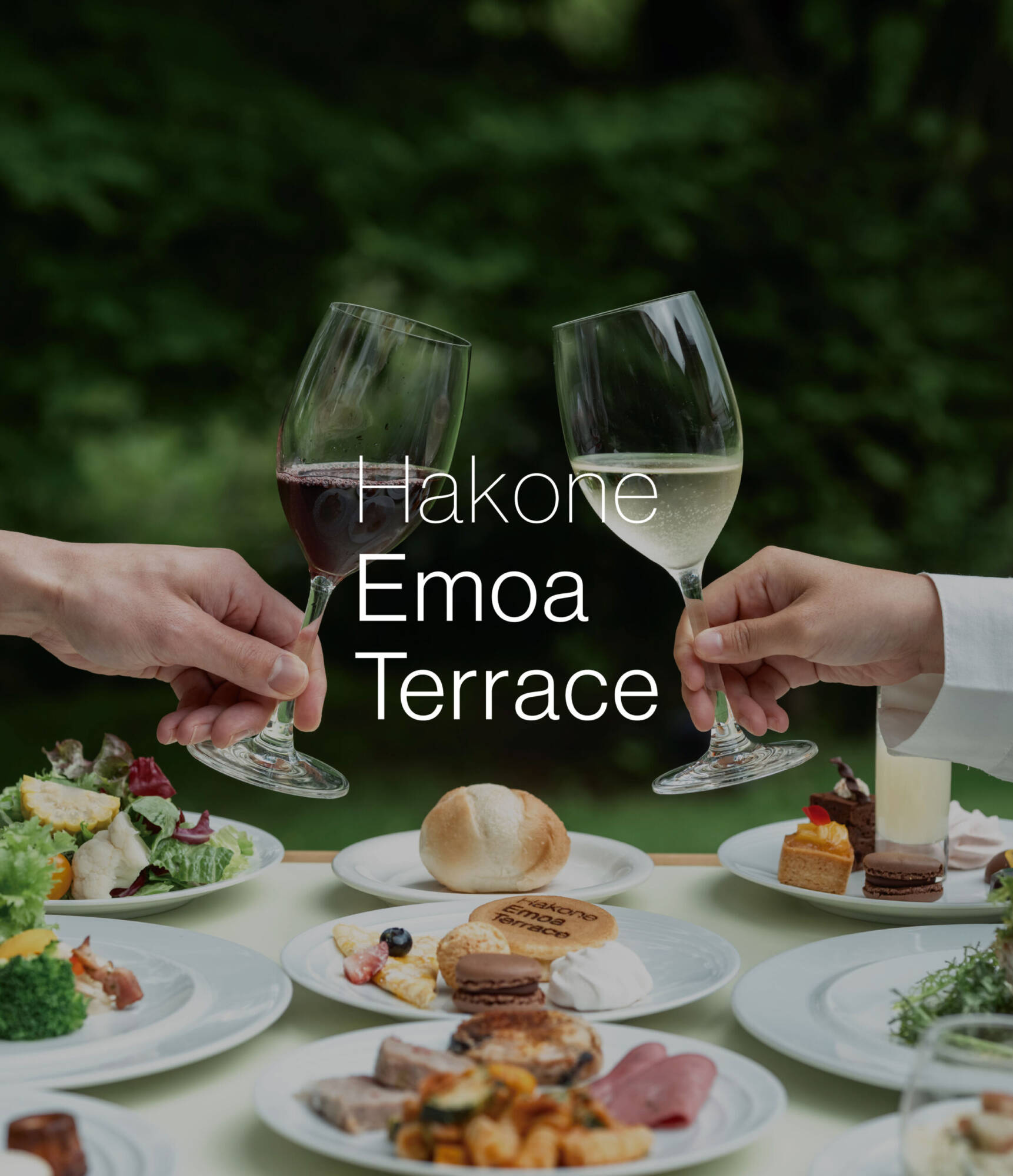
Hakone Emoa Terrace
Hakone Emoa Terrace
Sengokuhara, Hakone
terrasse et moi — the terrace and I.
Art, cuisine, and nature in one unhurried place.
Restaurant, patisserie, and Orient Express tea salon,
set within the Hakone René Lalique Museum.