
KYUSHU
Japan’s Southern Gateway
Kyushu sits closer to the Asian continent than to Tokyo, and that geography shaped everything. The oldest Japanese myths are set here. The first contacts with China, Korea, Christianity, and Western science all passed through this island. From Fukuoka’s urban energy to the volcanic interior of Kumamoto, the island-scattered coasts of Nagasaki, and the ancient forests of Kagoshima, the further south you travel, the more you feel the imprint of cultural exchange with the world.
History & Heritage
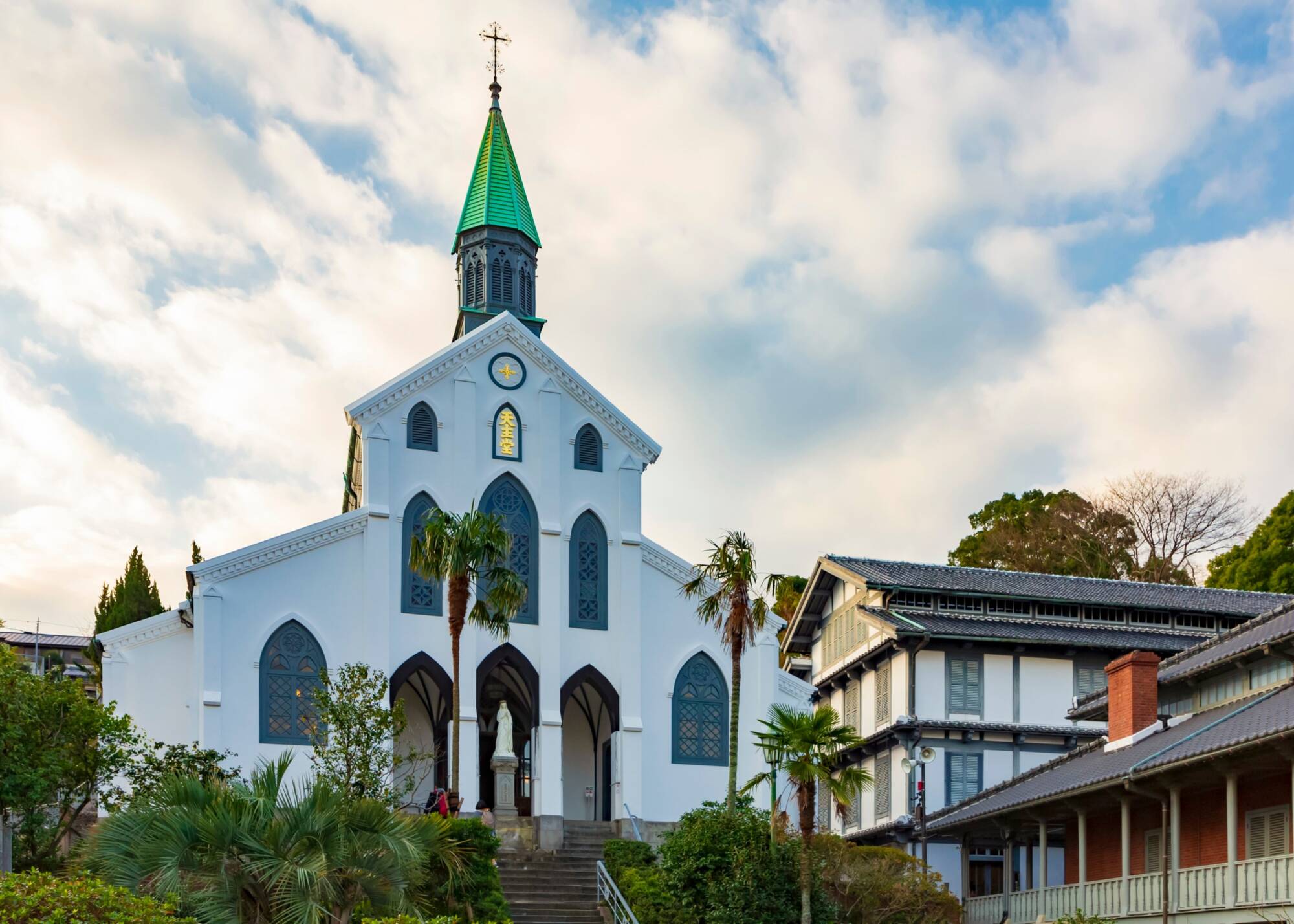
According to Japan’s oldest myths, it was here, on the peaks of Kirishima, that the grandson of the heavenly gods descended to earth, beginning the lineage that would become the imperial line. Dazaifu in Fukuoka served as the ancient gateway for diplomacy and trade with the Asian continent. From the arrival of firearms and Christianity in the sixteenth century to Nagasaki’s Dejima, Japan’s sole window to the West during the closed-country era, Kyushu absorbed the outside world so that the rest of Japan could learn from it. In the nineteenth century, it became the engine of the nation’s industrial modernization.
Culture & Craft
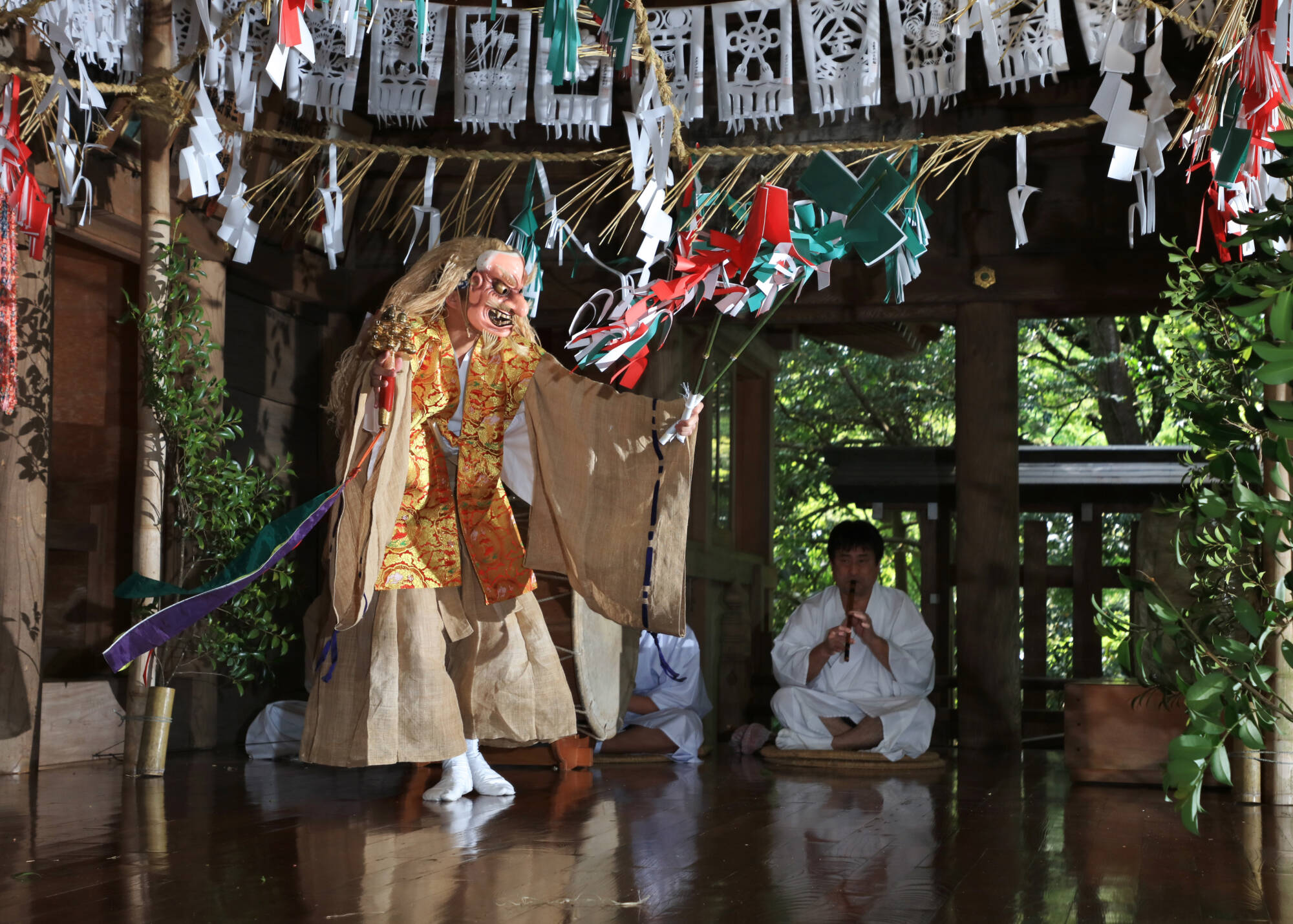
Kyushu’s craft identity is inseparable from fire, clay, and the influences that arrived by sea. Arita in Saga produced Japan’s first porcelain in the seventeenth century; its white-and-blue ware shaped the aesthetics of European ceramics that followed. Hakata-ori silk weaving and Satsuma Kiriko cut glass represent the same exacting tradition in different materials. Festivals here run at a different intensity: Hakata Gion Yamakasa is a flat-out race; Nagasaki Kunchi blends Japanese, Chinese, and Dutch influences into a single procession. In Takachiho, all-night kagura performances re-enact the myths of creation.
Culture & Craft
Kyushu’s craft identity is inseparable from fire, clay, and the influences that arrived by sea. Arita in Saga produced Japan’s first porcelain in the seventeenth century; its white-and-blue ware shaped the aesthetics of European ceramics that followed. Hakata-ori silk weaving and Satsuma Kiriko cut glass represent the same exacting tradition in different materials. Festivals here run at a different intensity: Hakata Gion Yamakasa is a flat-out race; Nagasaki Kunchi blends Japanese, Chinese, and Dutch influences into a single procession. In Takachiho, all-night kagura performances re-enact the myths of creation.
Landscape & Adventure
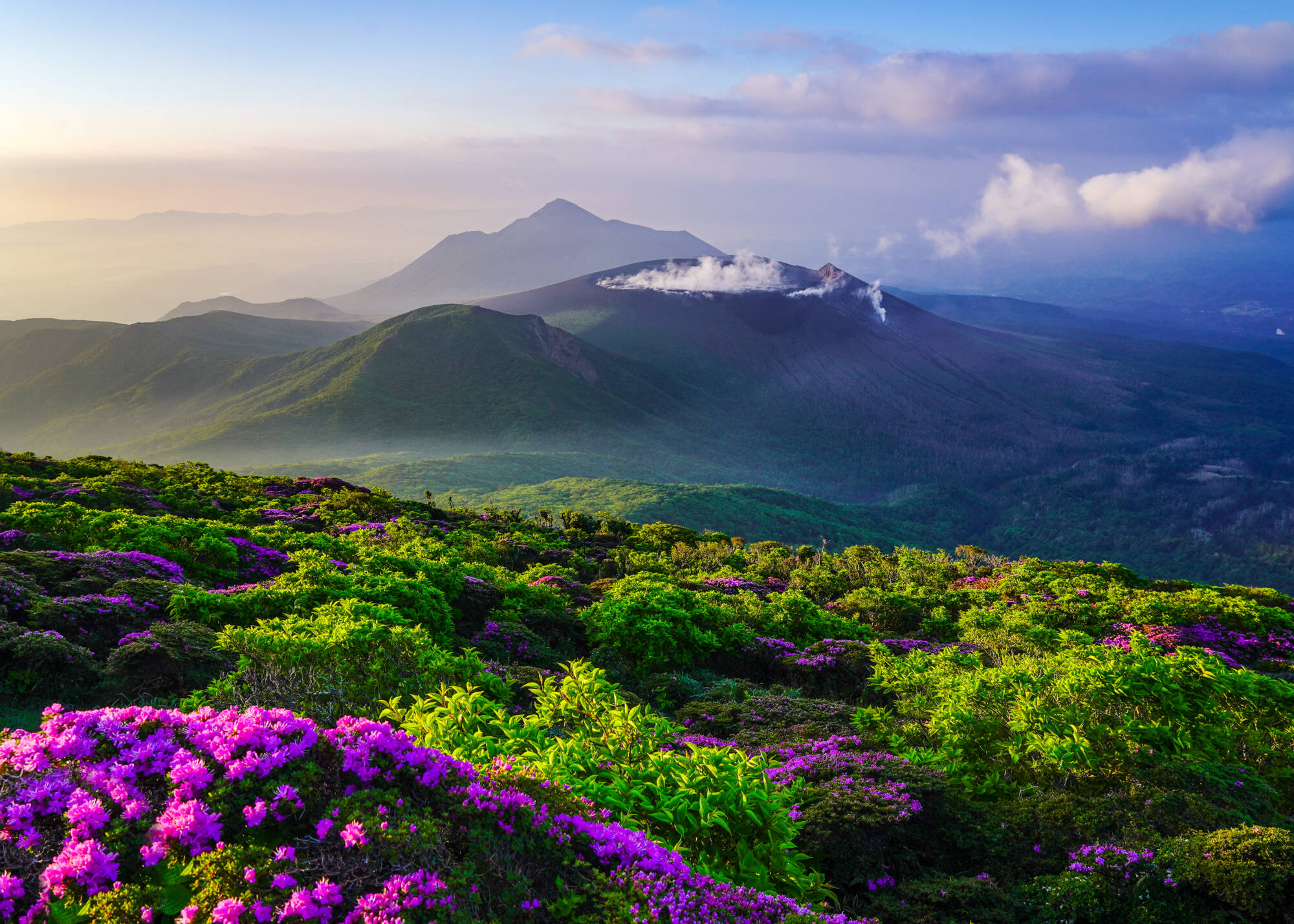
Mount Aso in Kumamoto contains one of the world’s largest inhabited calderas, where around 50,000 people live and farm the plains inside its rim while active craters vent steam above open grassland. Sakurajima in Kagoshima rises from the sea with frequent eruptions. Nagasaki holds Japan’s greatest number of islands with a coastline of rias, peninsulas, and island clusters. The Goto Islands, Iki, and Tsushima combine ancient forests with clear water, while Kujukushima’s 208 islands form one of the region’s most celebrated seascapes. Yakushima, a UNESCO World Heritage Site, holds ancient cedar forests among the most distinctive in Japan.
Food & Cuisine
Kyushu’s food reflects an island that has always traded with the world. The region is one of Japan’s foremost producers of premium beef, pork, and chicken, all raised on volcanic soil. Shochu, distilled from sweet potato in Kagoshima, barley in Oita, and rice in Kumamoto, defines the drinking culture of the south. Fukuoka’s yatai street stalls remain one of the last surviving examples of open-air food culture in a major Japanese city. Hakata’s tonkotsu ramen is now one of Japan’s most globally recognized regional dishes, joined by Nagasaki’s champon and Kumamoto’s garlic-rich variant.

Food & Cuisine
Kyushu’s food reflects an island that has always traded with the world. The region is one of Japan’s foremost producers of premium beef, pork, and chicken, all raised on volcanic soil. Shochu, distilled from sweet potato in Kagoshima, barley in Oita, and rice in Kumamoto, defines the drinking culture of the south. Fukuoka’s yatai street stalls remain one of the last surviving examples of open-air food culture in a major Japanese city. Hakata’s tonkotsu ramen is now one of Japan’s most globally recognized regional dishes, joined by Nagasaki’s champon and Kumamoto’s garlic-rich variant.
Places to Stay
IKI RETREAT KAIRI MURAKAMI by Onko Chishin
Iki Island, Nagasaki Prefecture
Where Doing Nothing Becomes the Greatest Luxury.
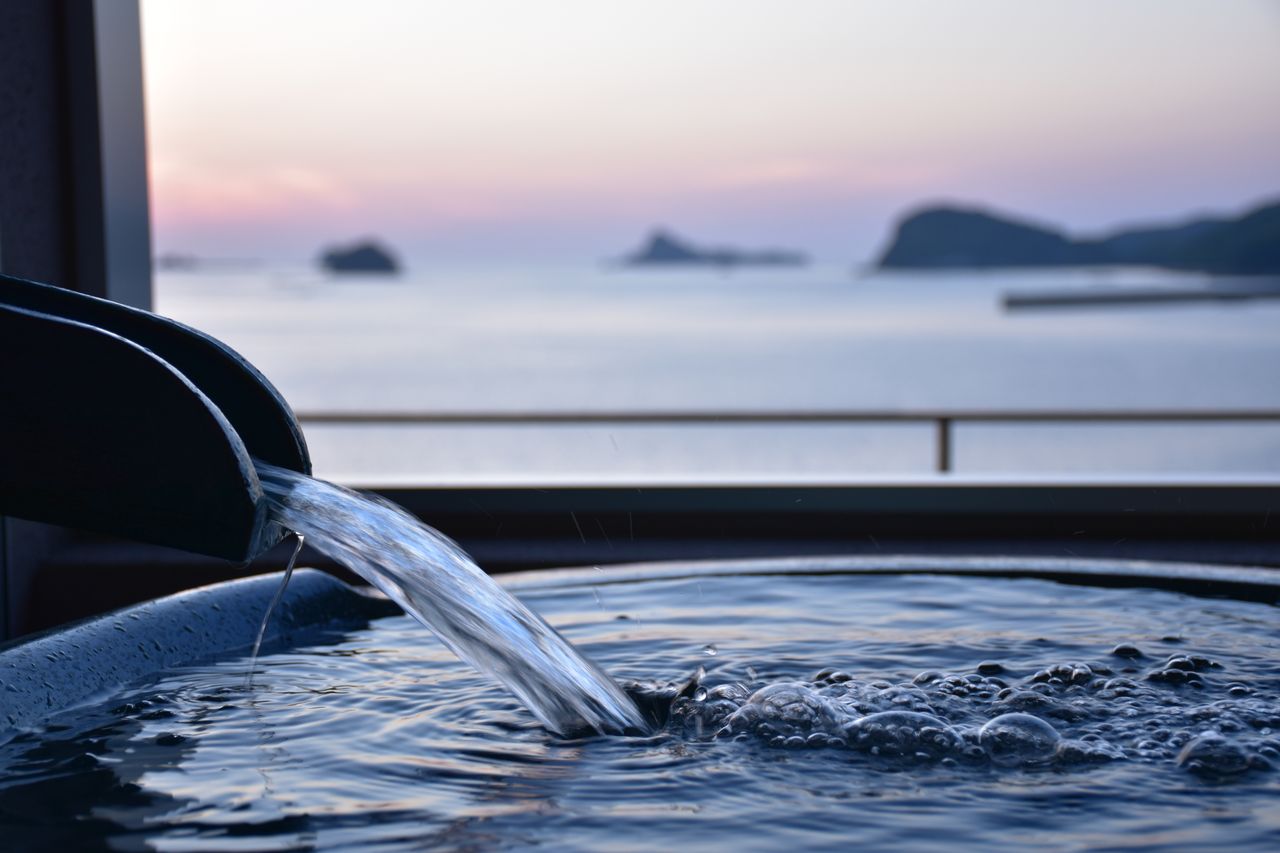
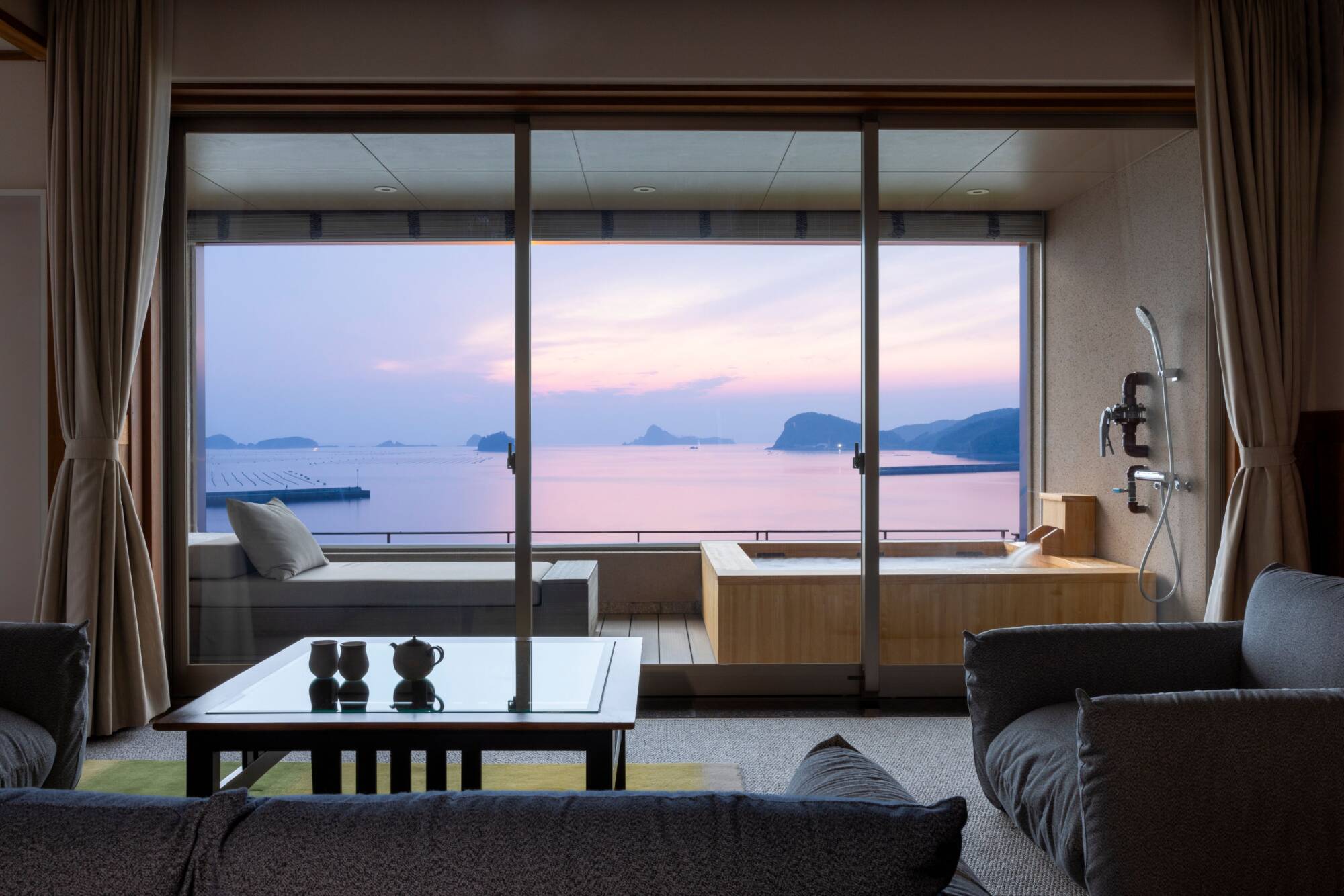
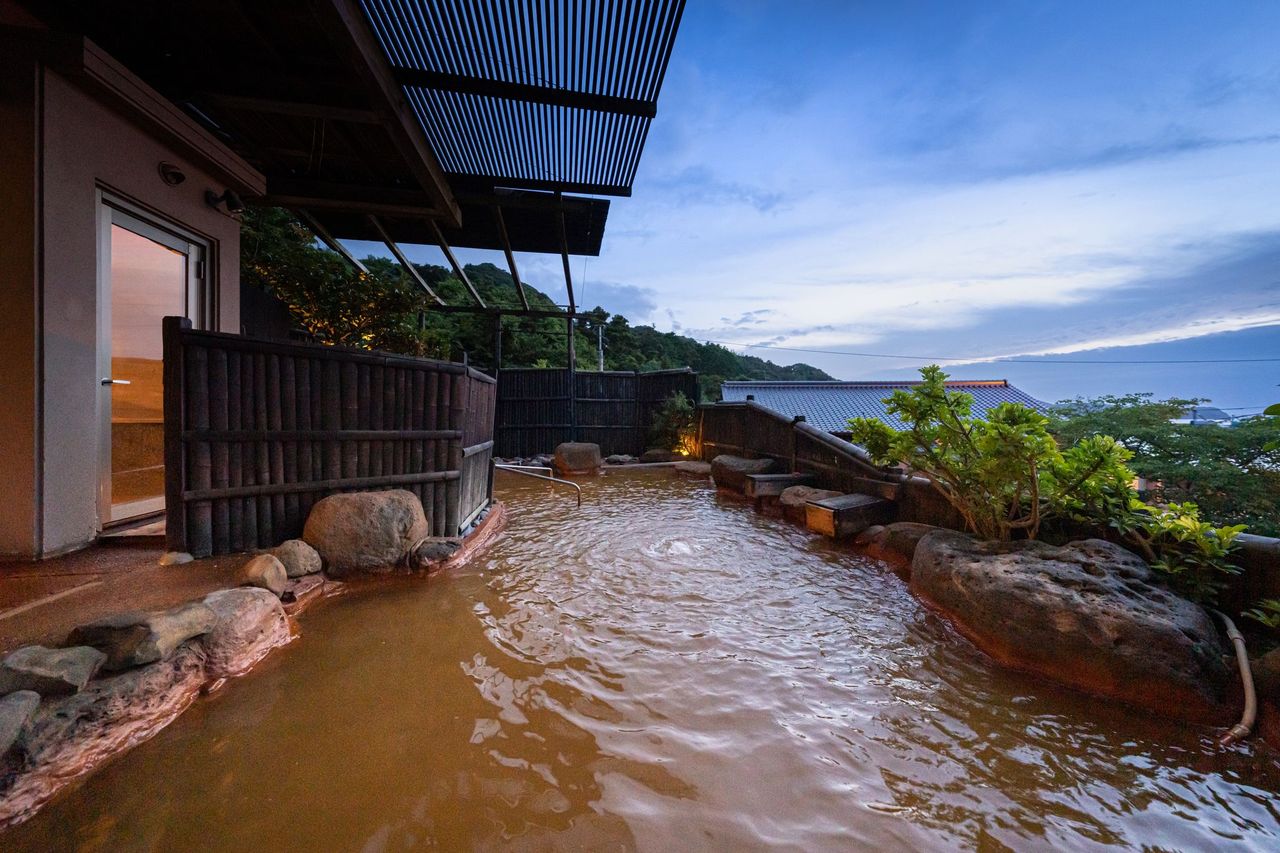
An island of ancient shrines and hot springs that have flowed for fifteen centuries. Twelve rooms, each with a private open-air onsen opening onto the sea.
・12 Rooms — All with private open-air onsen baths
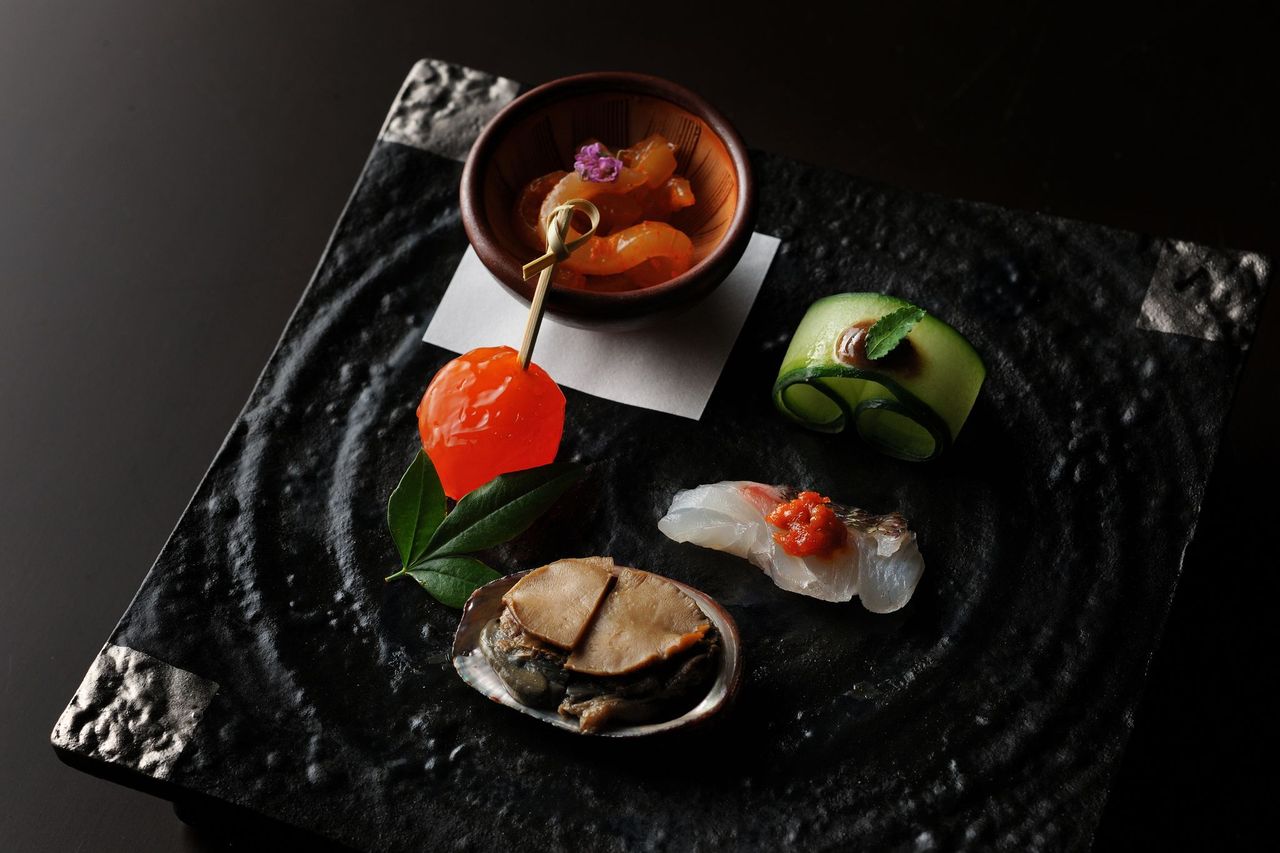
・Island Gastronomy — Iki seafood, Iki beef, Genkai Sea bounty
・Oceanfront — Outstanding bay views from every room
・Wellness — Onsen, all-hand spa treatments with local ingredients, fitness gym
Michelin 5 Pavilions (2019) · Member of Design Hotels & Marriott Bonvoy
Access: 30 min by air from Nagasaki Airport | 70 min by jetfoil from Hakata Port (Fukuoka) *Complimentary transfers (advance reservation required)
GOTO RETREAT ray by Onko Chishin
Goto Islands, Nagasaki Prefecture
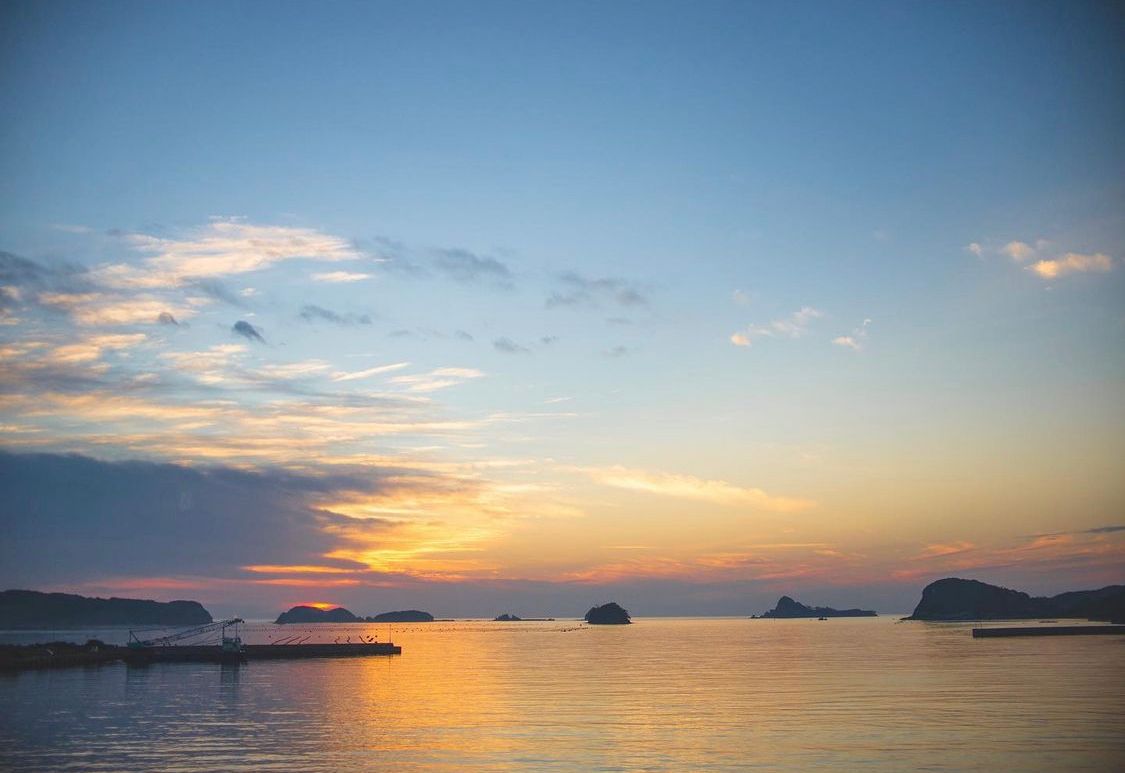
Light and Sea, Quietly Filling the Soul.
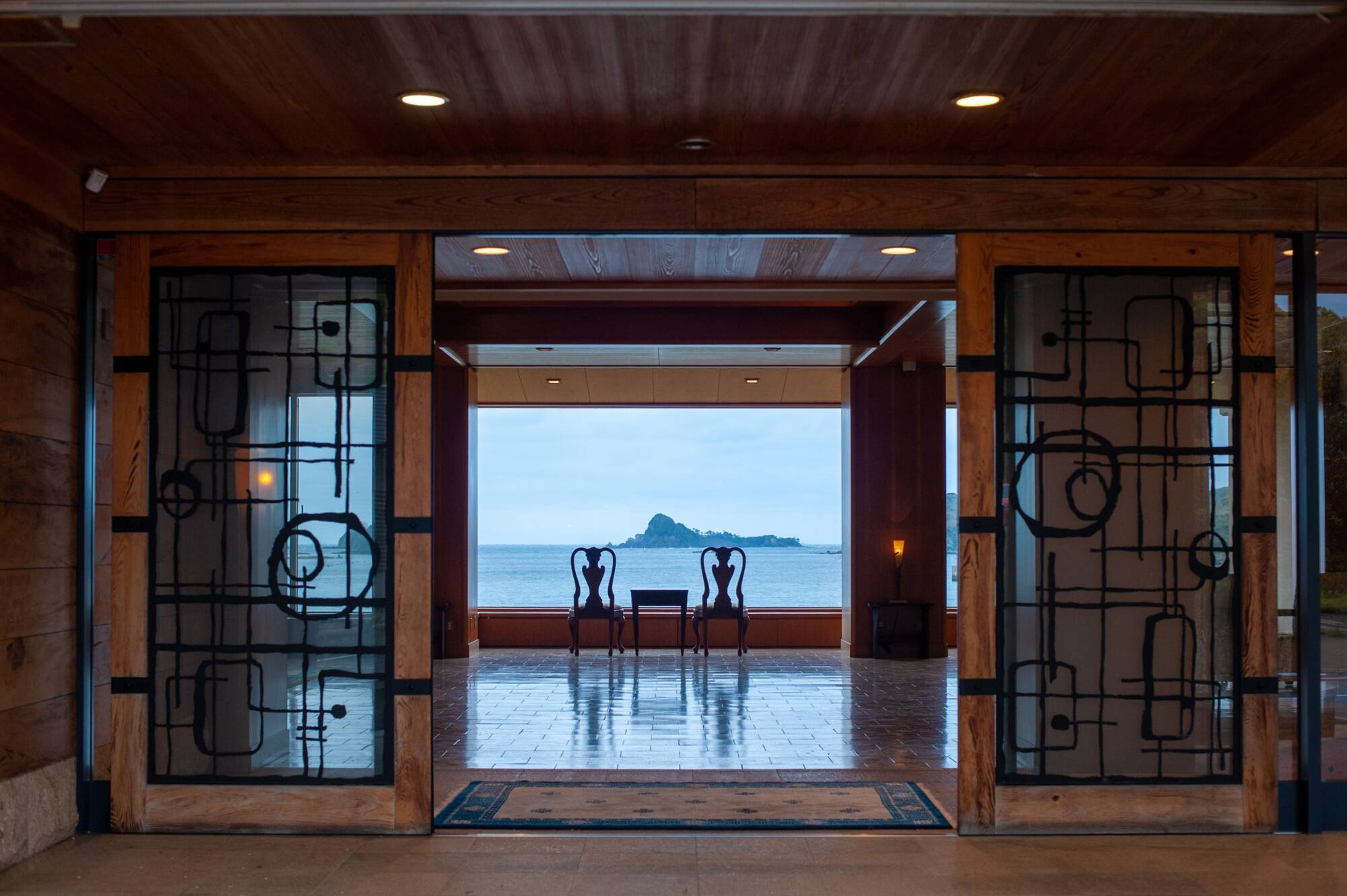
On a UNESCO World Heritage island shaped by hidden faith, this 26-room retreat opens onto an endless theatre of sky and sea. Floor-to-ceiling windows frame the view.
・26 Rooms — All ocean-view with private open-air onsen baths
・Goto Gastronomy — Island seafood, Goto beef, local vegetables
・Architecture & Design — Interior design by Yukio Hashimoto, celebrating local Goto artisans
・Wellness — Onsen, spa with Goto camellia oil
1 Michelin Key (2024 · 2025)
Access: 40 min by air from Fukuoka or Nagasaki Airport | 90 min by jetfoil from Nagasaki Port *Taxi available from airport and port
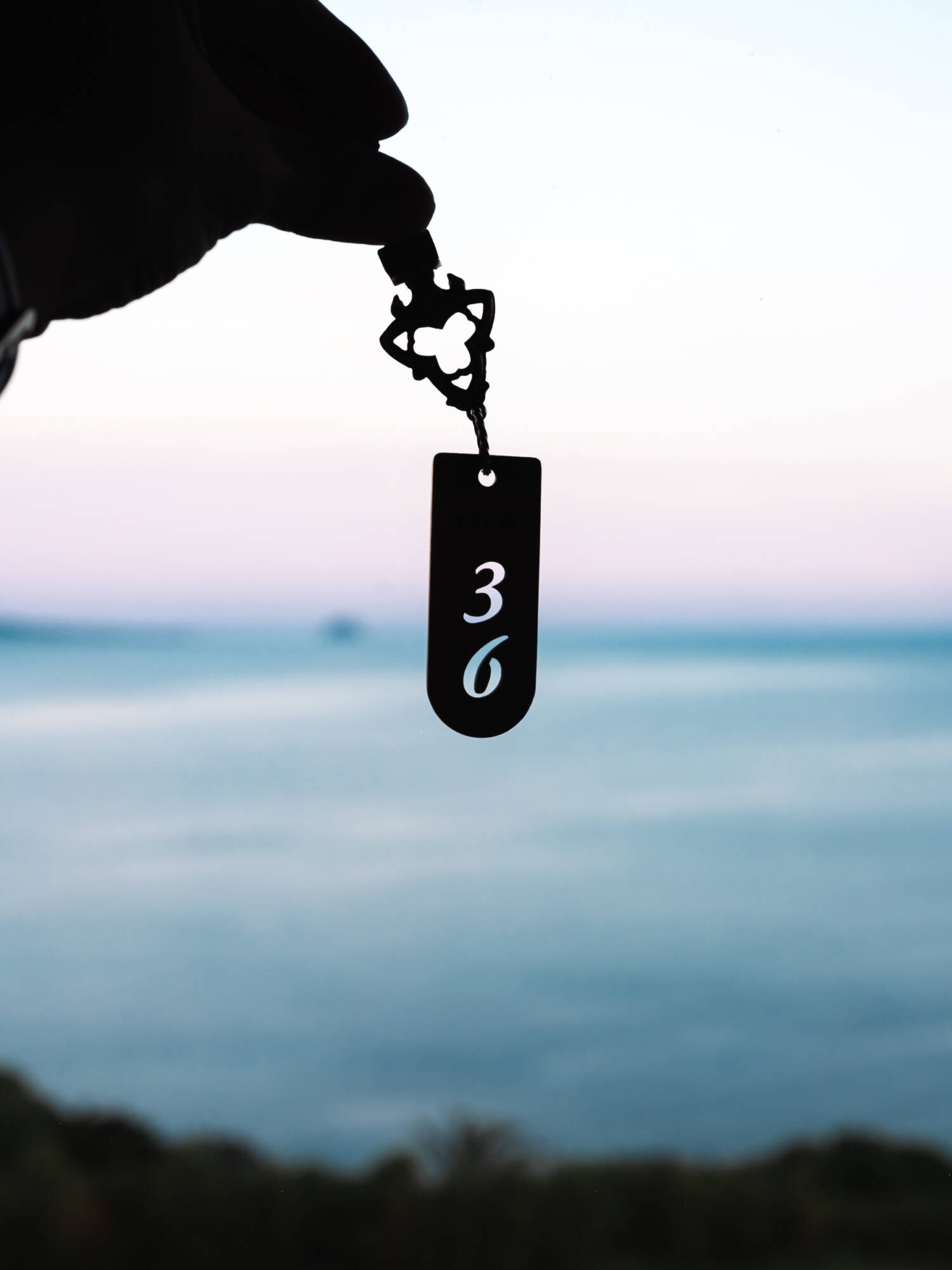
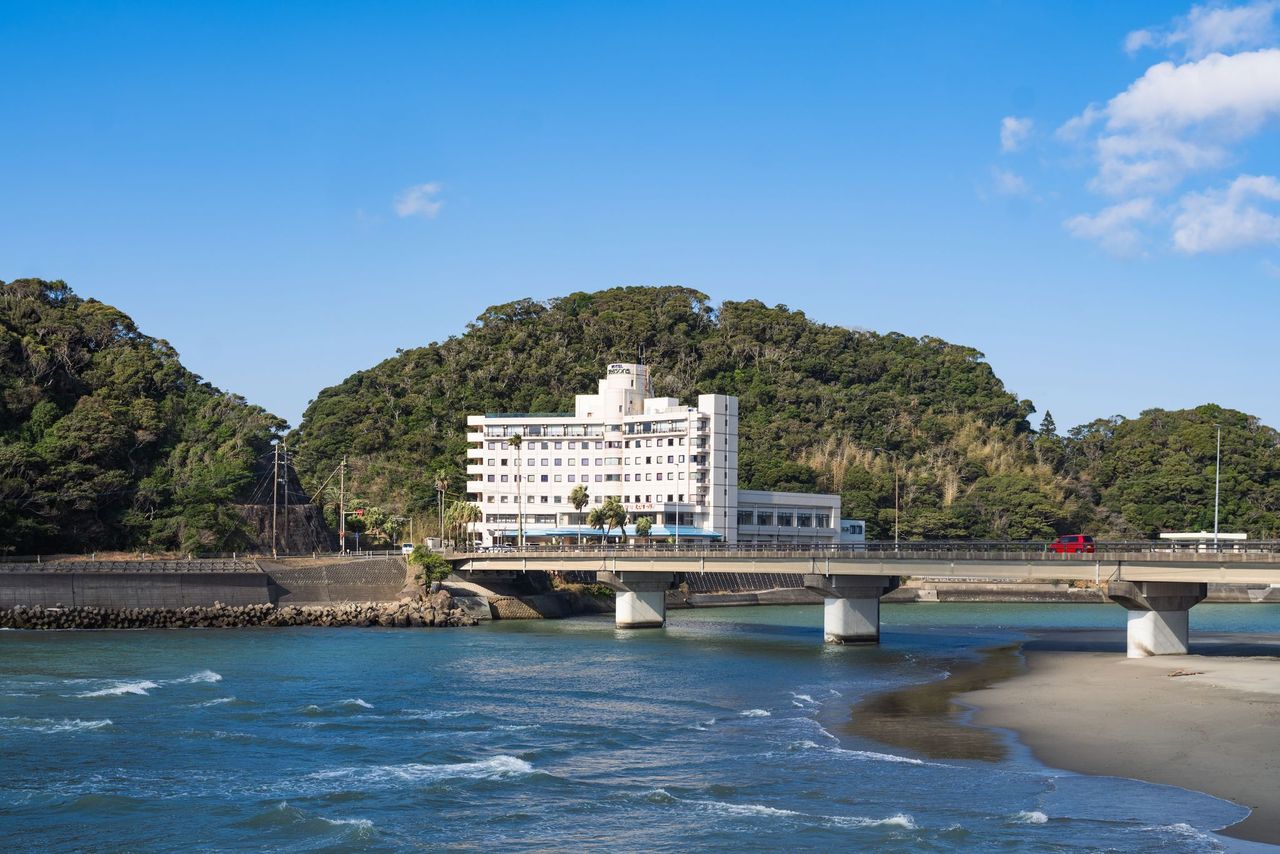
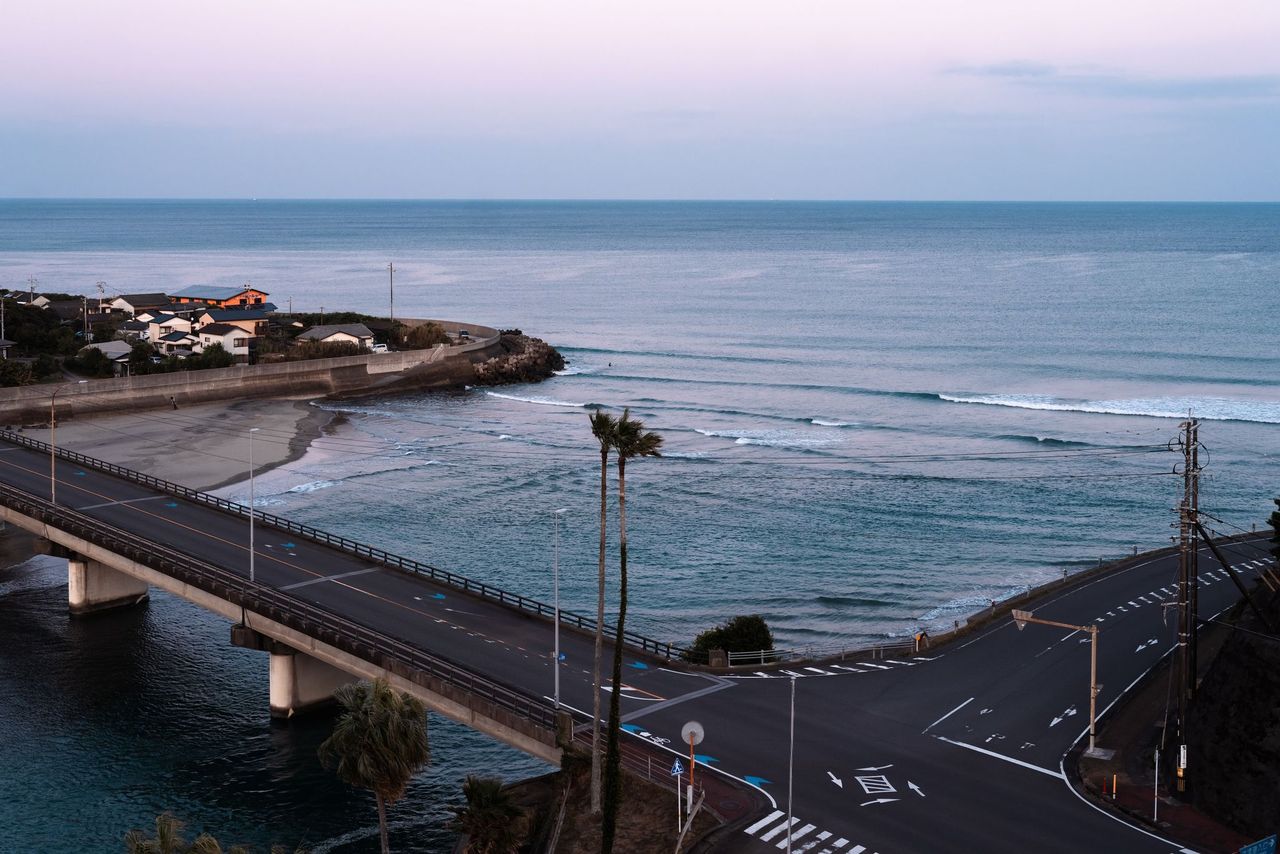
HOTEL SEASONS NICHINAN
Nichinan, Miyazaki Prefecture
Sun, Sea, and the Warmth of the South
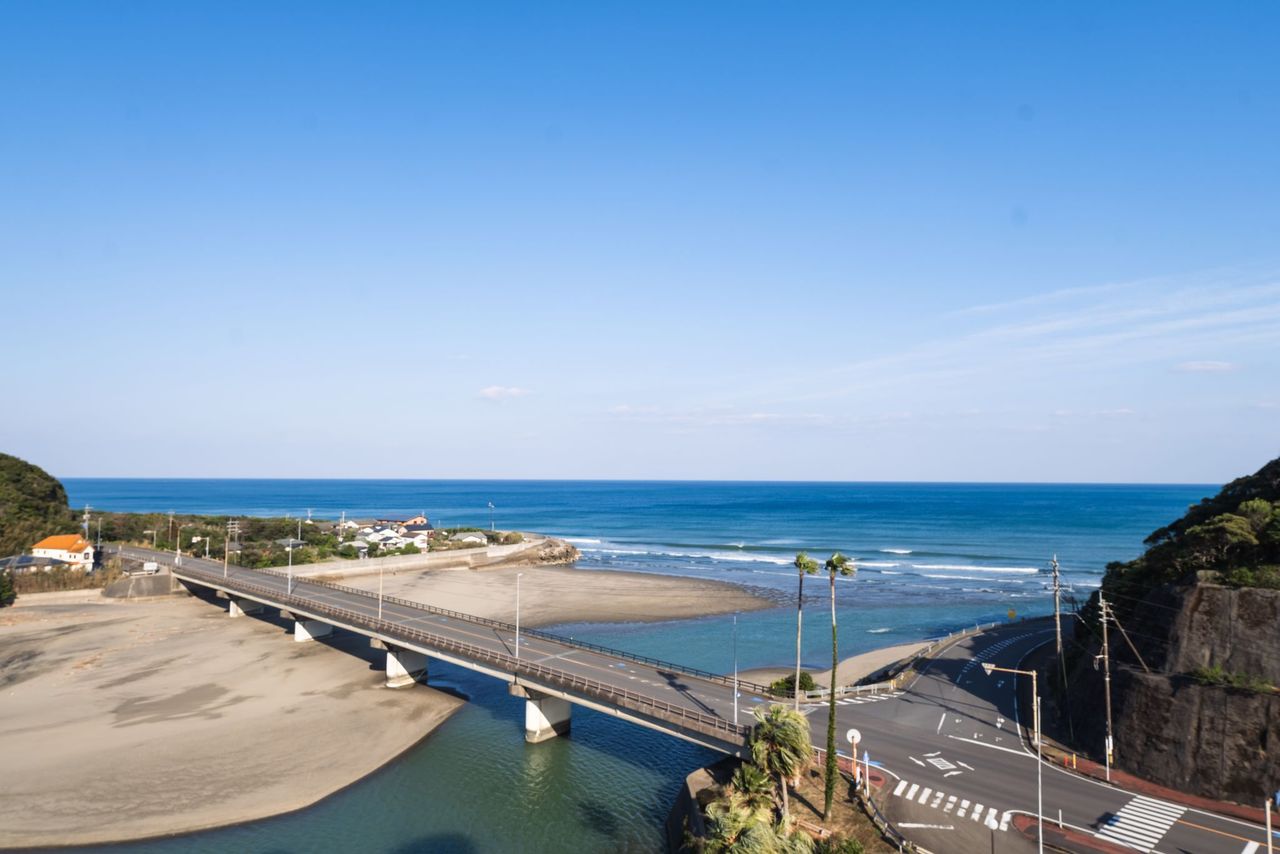
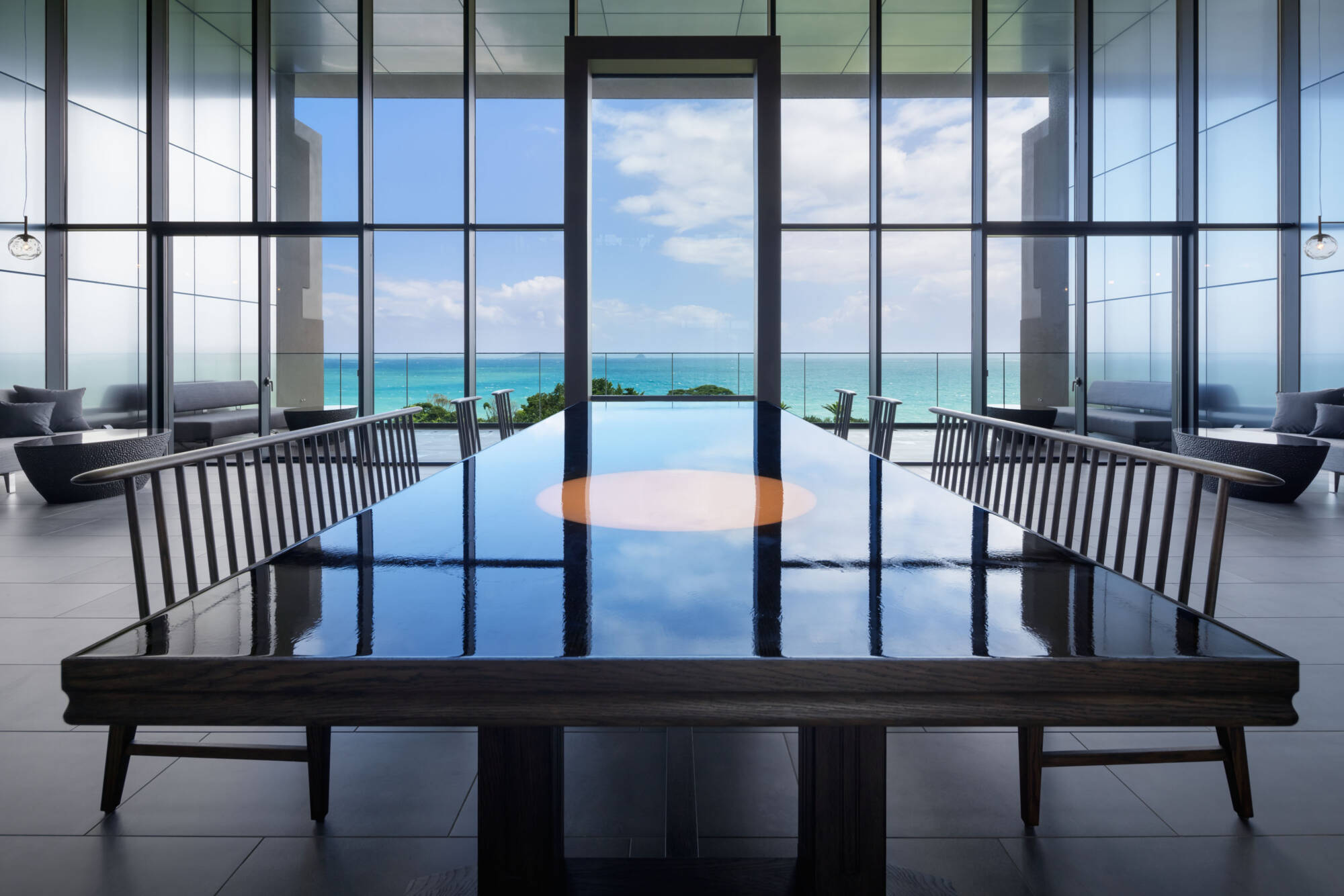
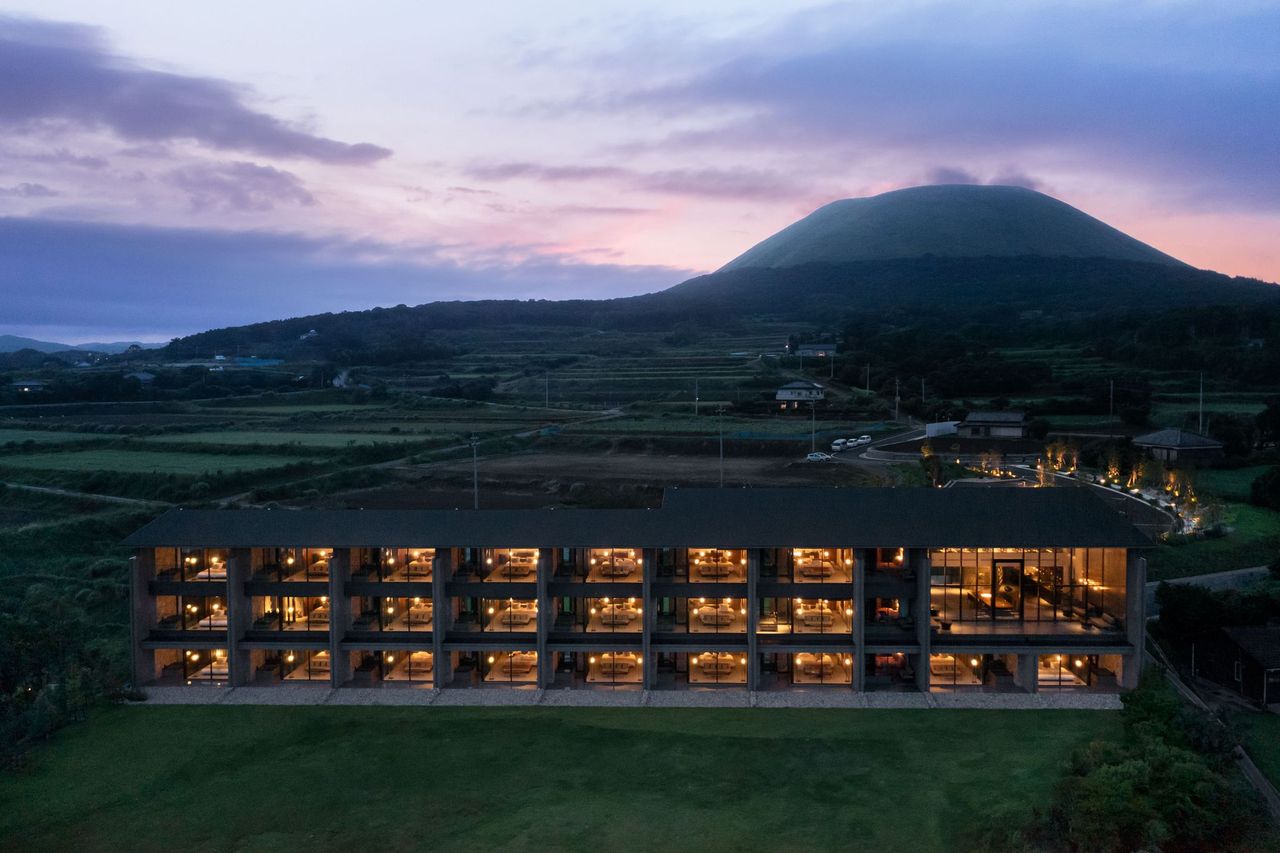
On a Pacific coastline blessed with year-round sunshine. Bonito fishing boats, palm-lined roads, and historic castle towns define the landscape. The warmth here is measured not just in temperature, but in the unhurried rhythm of coastal life.
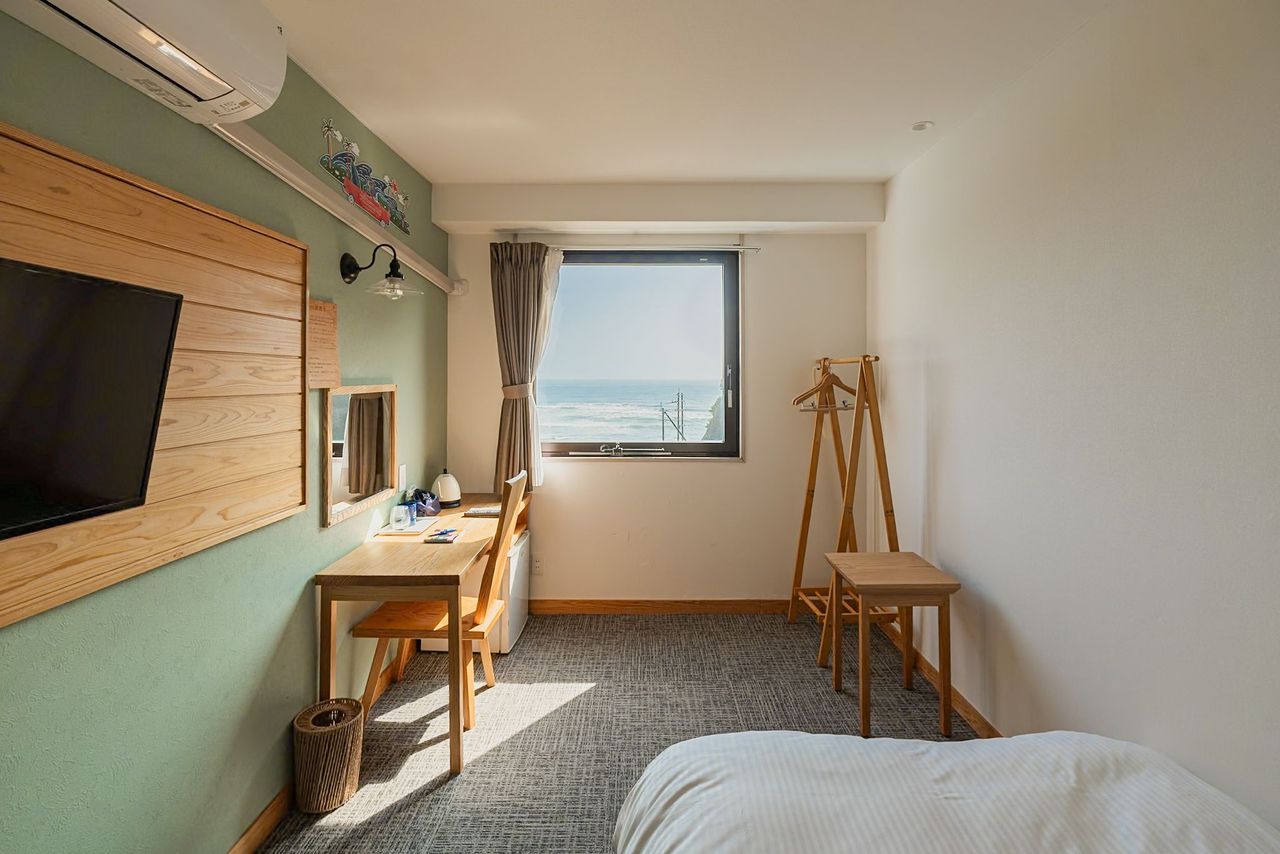
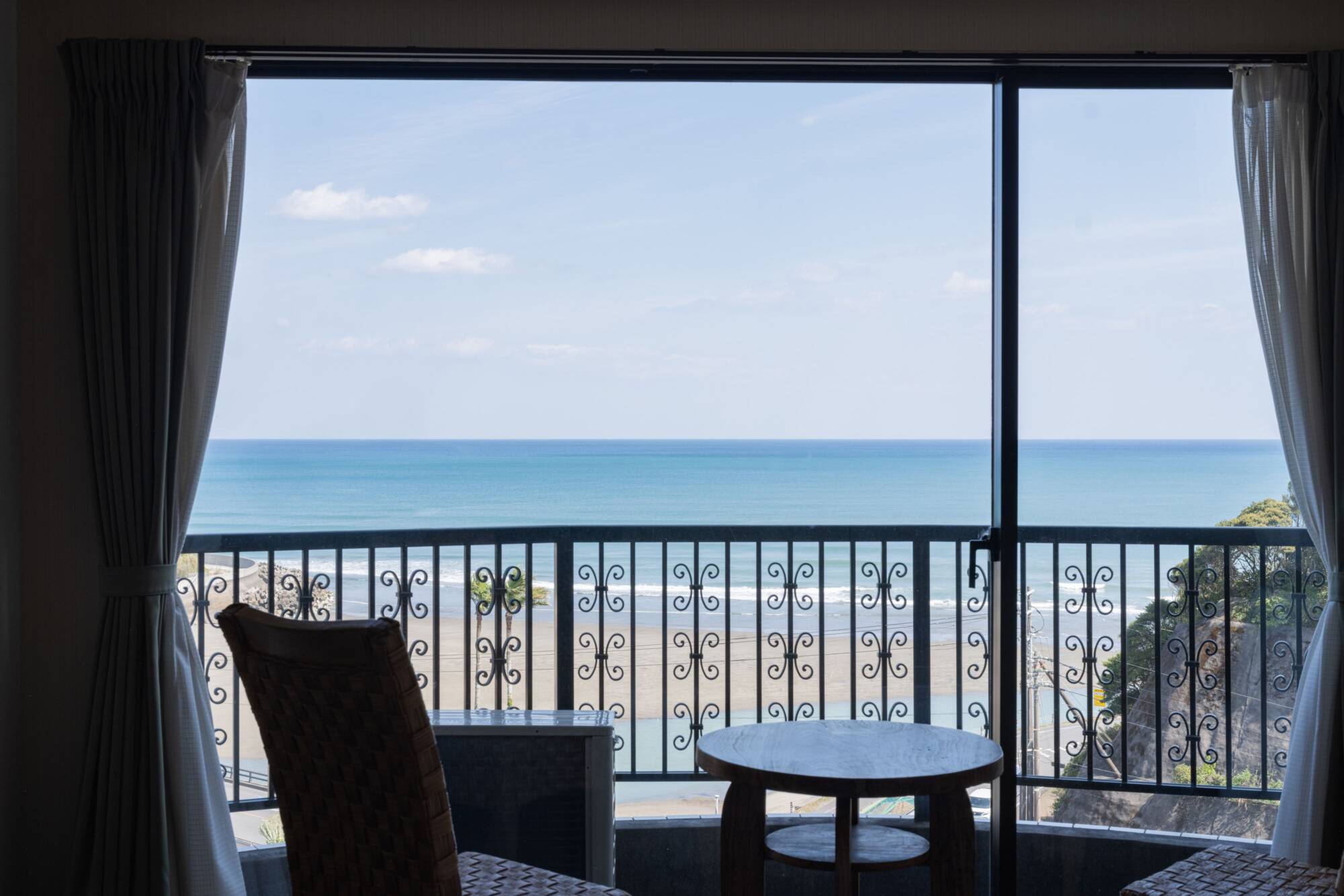
・57 Rooms — All ocean-view
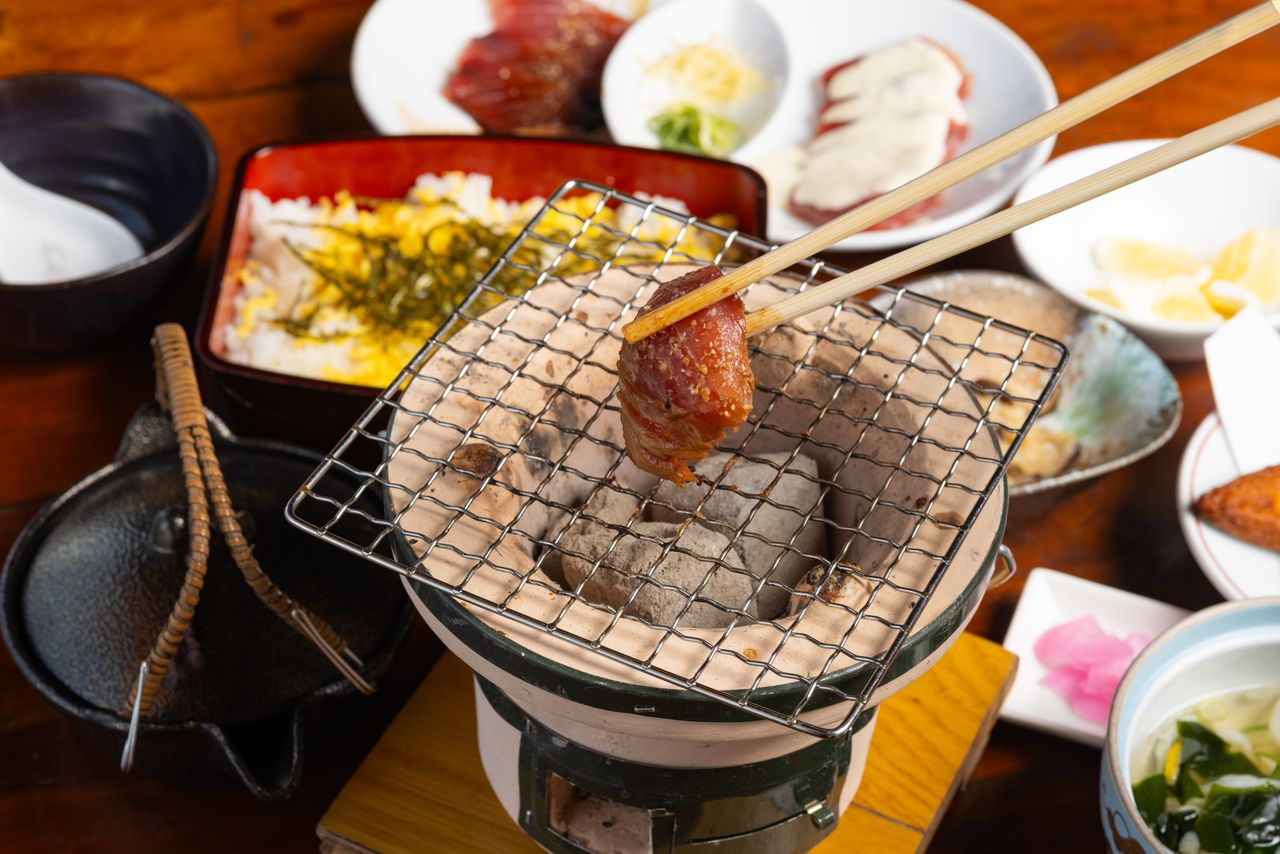
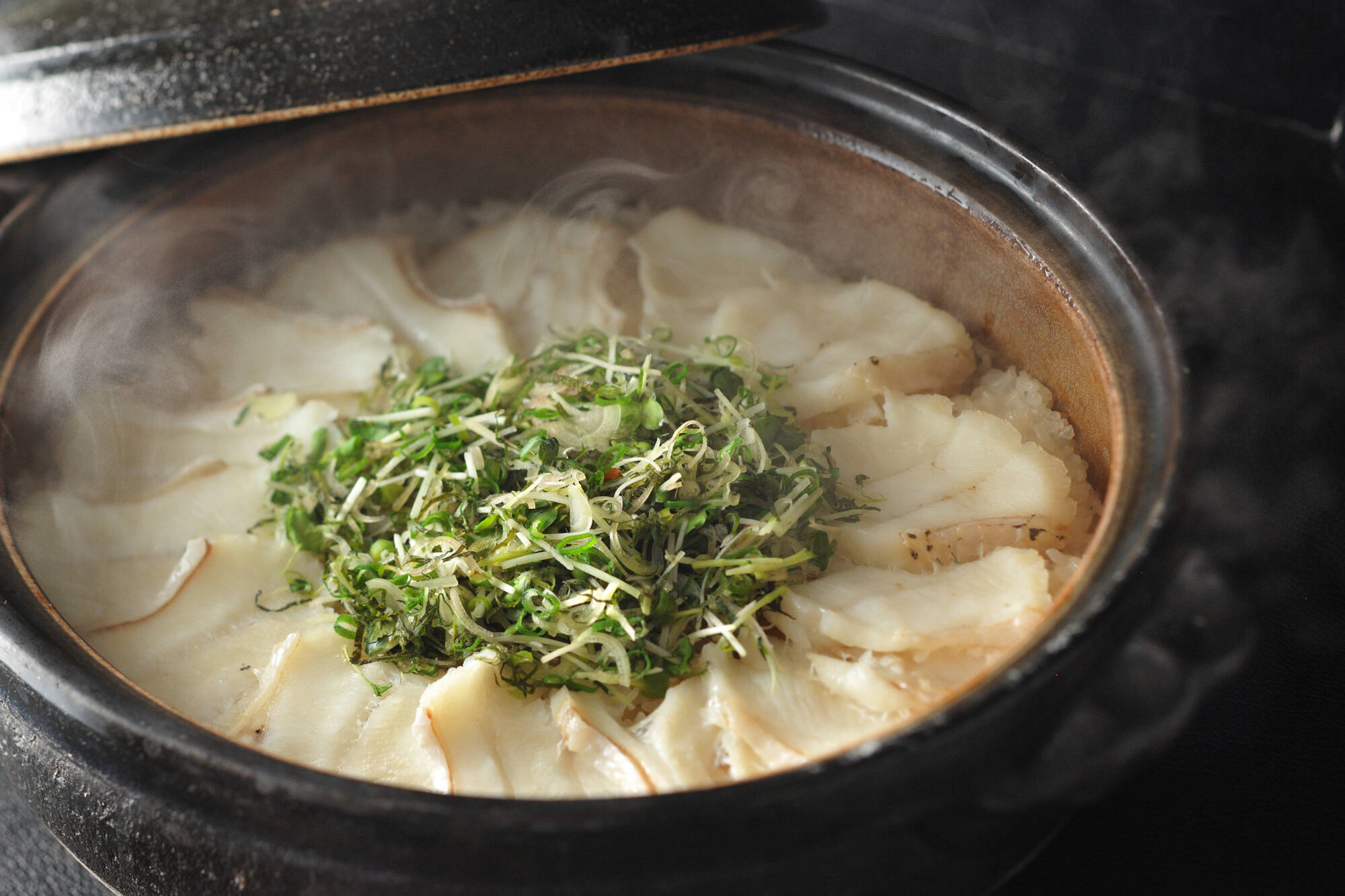
・Local cuisine — Nichinan skipjack tuna, Miyazaki chicken, seasonal ingredients
・Gateway to Udo Jingu Shrine, Obi Castle Town, and the Nichinan Coast
Access: 1 hr 30 min by bus from Miyazaki Airport