
SHIKOKU
Japan’s Four Kingdoms
To understand what Japan holds beyond its famous cities, come to Shikoku. Four prefectures occupy this off-the-beaten-path island. They hold some of the country’s finest rivers, an ancient pilgrimage, crafts adopted by global luxury brands, and a culture of radical hospitality toward strangers. Shikoku reveals itself slowly, and only to those who stay.
History & Heritage
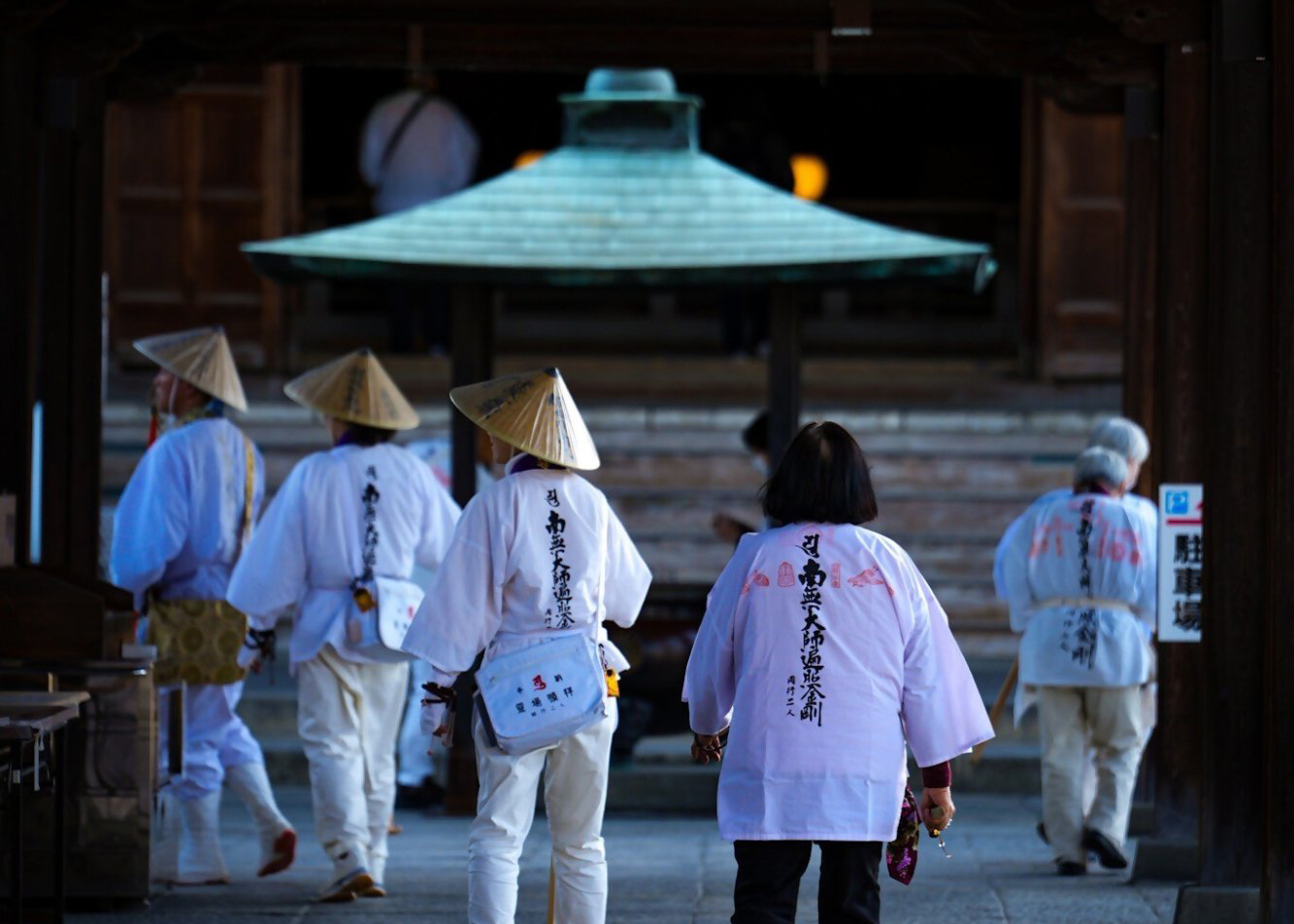
The Shikoku Pilgrimage — 88 temples connected by roughly 1,200 kilometers of trail — has drawn people to this island since the ninth century. Pilgrims follow in the footsteps of the Buddhist monk Kukai, who was born here and is said to walk alongside every traveler still. Dogo Onsen in Ehime, one of Japan’s oldest hot spring bathhouses, has welcomed visitors for over a thousand years. Shikoku also holds four of Japan’s twelve remaining original castle keeps, and Kochi was the birthplace of Sakamoto Ryoma, the reformer whose vision helped dismantle the old order and open modern Japan.
Culture & Craft
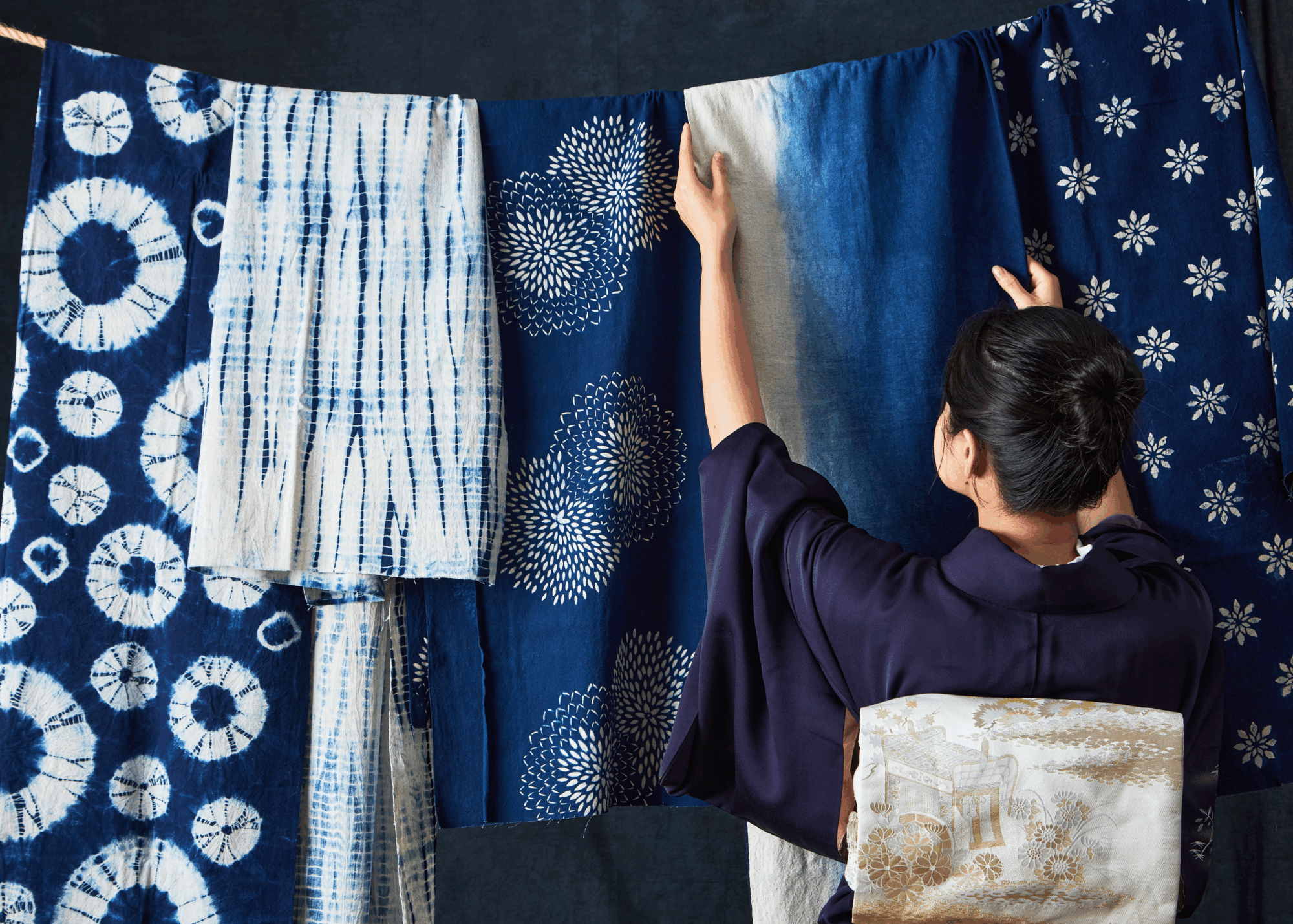
Shikoku’s crafts carry the character of the island itself — practical, precise, and quietly extraordinary. Imabari towels are used by hotels and luxury brands worldwide. Tokushima’s Awa indigo produces the deep natural blue known internationally as Japan Blue. Tosa washi from Kochi, prized for its strength and thinness, is used in the restoration of cultural treasures. Tobe ceramics and Kagawa lacquerware reflect the same careful craftsmanship found across the island. Festivals such as Awa Odori and Yosakoi are built for participation.
Culture & Craft
Shikoku’s crafts carry the character of the island itself — practical, precise, and quietly extraordinary. Imabari towels are used by hotels and luxury brands worldwide. Tokushima’s Awa indigo produces the deep natural blue known internationally as Japan Blue. Tosa washi from Kochi, prized for its strength and thinness, is used in the restoration of cultural treasures. Tobe ceramics and Kagawa lacquerware reflect the same careful craftsmanship found across the island. Festivals such as Awa Odori and Yosakoi are built for participation.
Landscape & Adventure
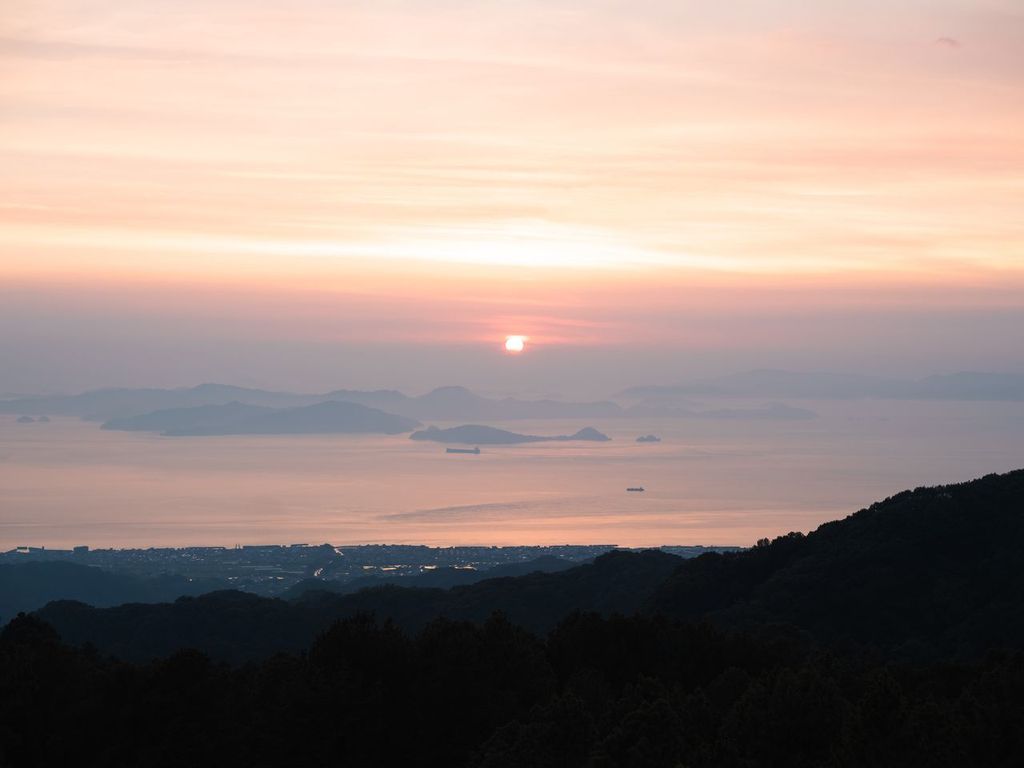
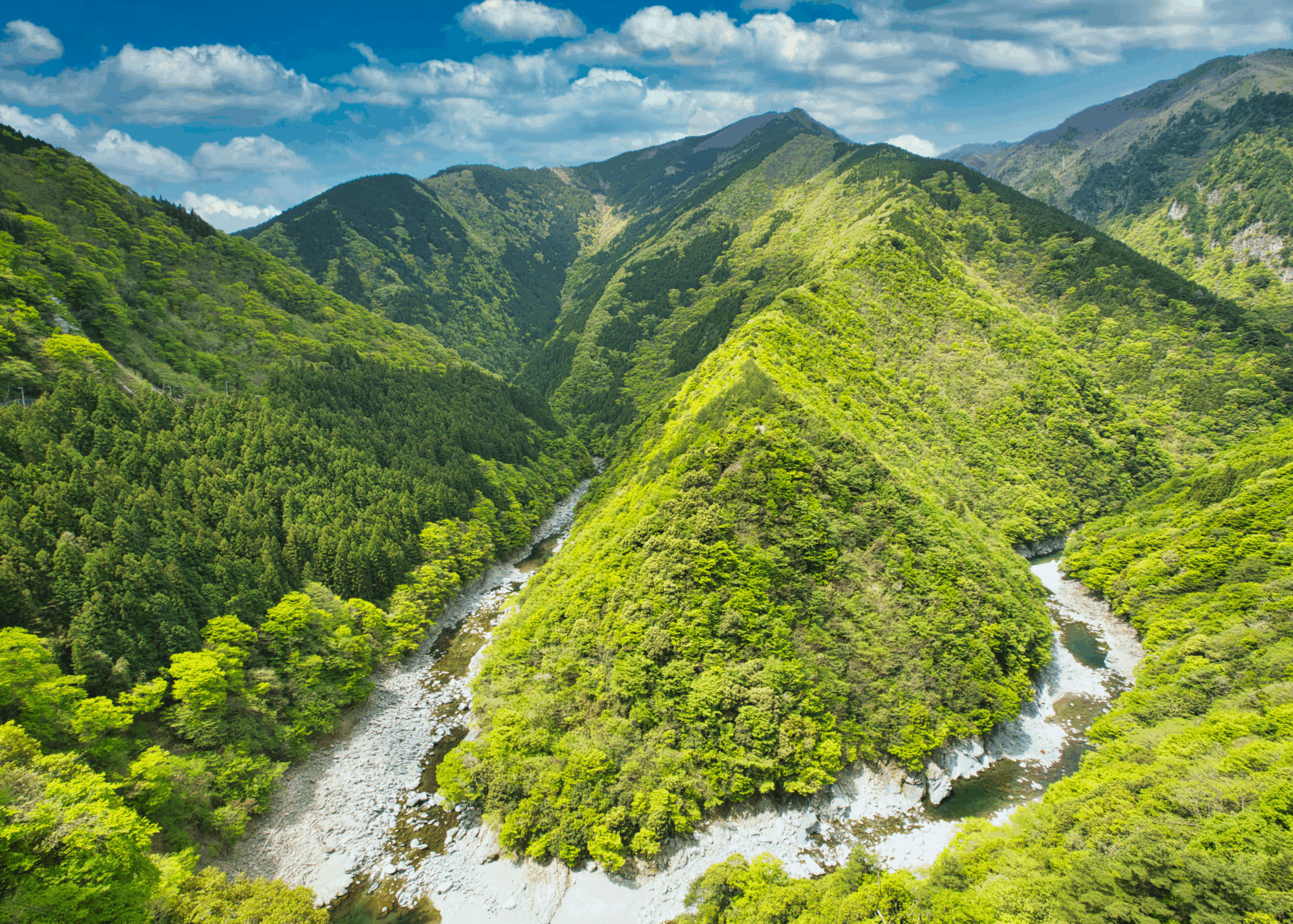
The Yoshino River, one of Japan’s most turbulent, draws rafters seeking Class IV rapids; the Shimanto, Japan’s last major undammed river, is calm enough for canoes and paddleboards. Inland, the Iya Valley’s mist-filled gorges and Mount Ishizuchi, western Japan’s highest peak, define a rugged mountain interior. On the Seto Inland Sea side, the Shimanami Kaido offers world-class cycling and the Naruto whirlpools can be viewed up close by boat. Along the Pacific coast, Cape Muroto and Cape Ashizuri offer dramatic cliff scenery and whale watching offshore.
Food & Cuisine
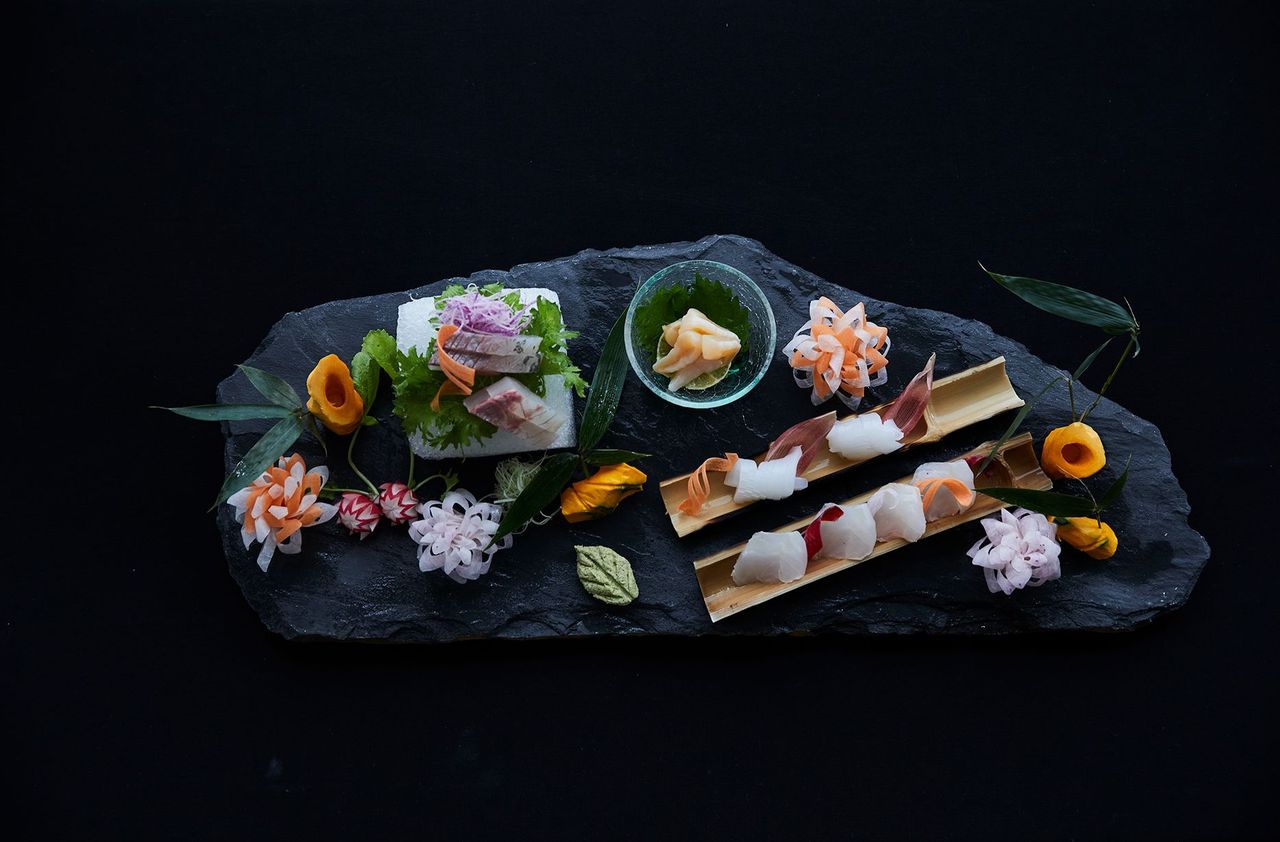
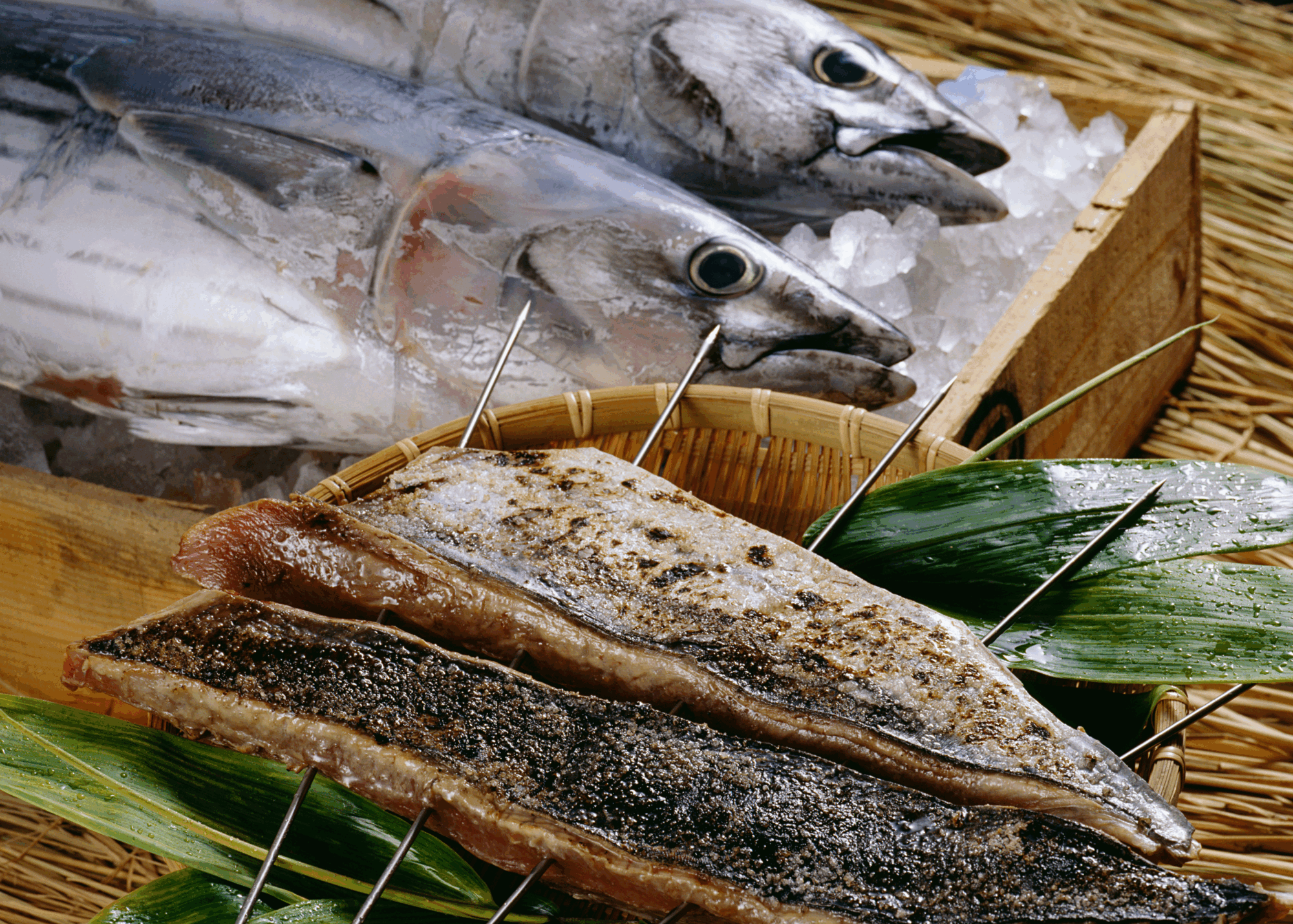
The Seto Inland Sea yields the refined white fish the region is known for — sea bream, yellowtail, and Spanish mackerel from calm, sheltered waters. The Pacific side is bolder: pole-and-line bonito and tuna, mackerel and horse mackerel from fixed-net fisheries. Katsuo no tataki, bonito seared over burning rice straw, is one of Japan’s most distinctive regional dishes. Kagawa’s udon culture runs so deep the prefecture has adopted the nickname “Udon Prefecture.” Inland, Ehime grows more than 40 citrus varieties, shaping the island’s cooking at every level.
Food & Cuisine
The Seto Inland Sea yields the refined white fish the region is known for — sea bream, yellowtail, and Spanish mackerel from calm, sheltered waters. The Pacific side is bolder: pole-and-line bonito and tuna, mackerel and horse mackerel from fixed-net fisheries. Katsuo no tataki, bonito seared over burning rice straw, is one of Japan’s most distinctive regional dishes. Kagawa’s udon culture runs so deep the prefecture has adopted the nickname “Udon Prefecture.” Inland, Ehime grows more than 40 citrus varieties, shaping the island’s cooking at every level.
Places to Stay
SETOUCHI RETREAT AONAGI by Onko Chishin
Matsuyama, Ehime Prefecture
Minimal Luxury — Strip Away the Superfluous. Rediscover Yourself.
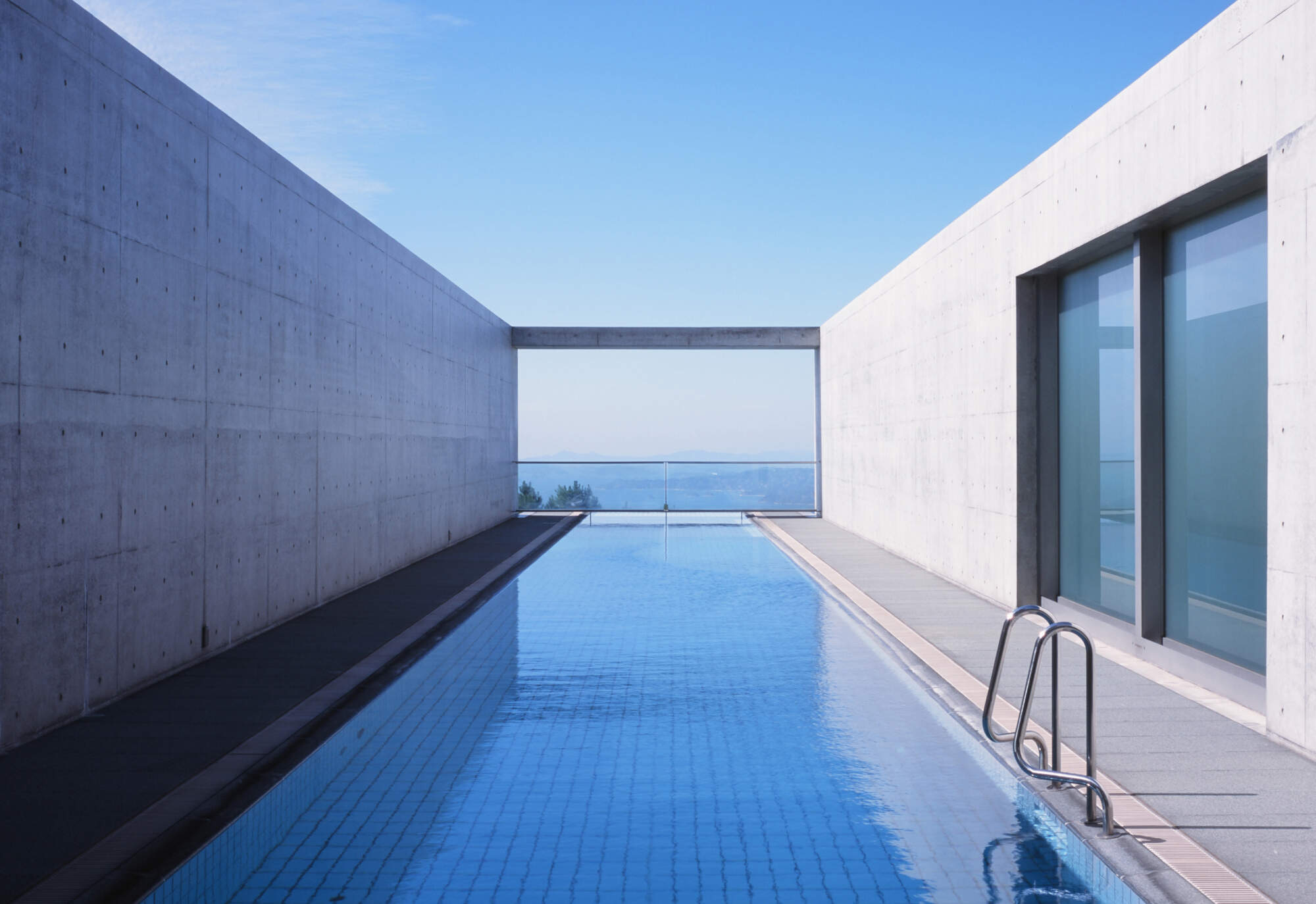
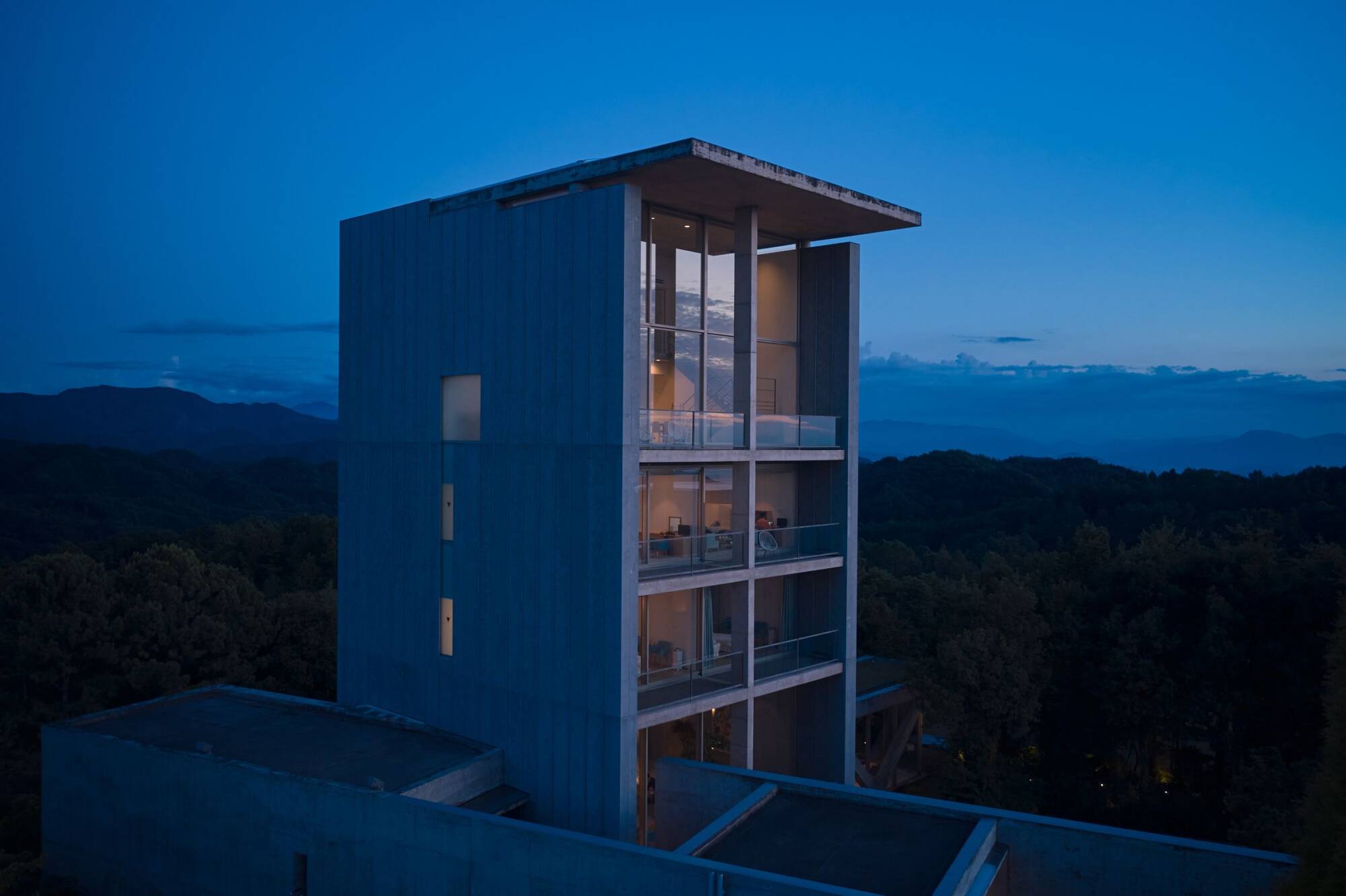
A former private guesthouse and art museum designed by Tadao Ando. Concrete, light, and the Seto Inland Sea define the space. This is Minimal Luxury: the presence of what truly counts.
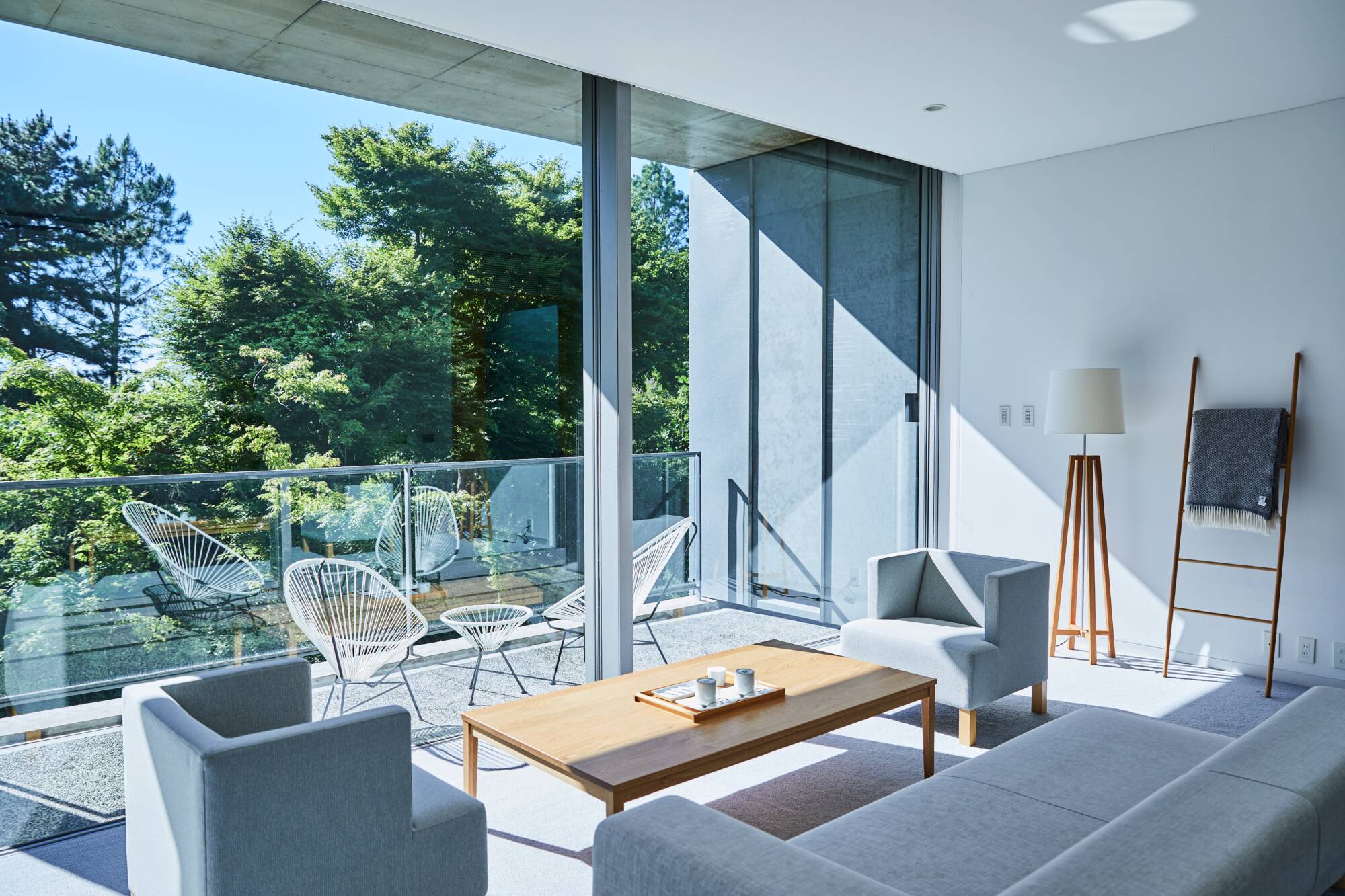
・7 Suites — All-Suite Accommodation
・Setouchi Gastronomy — Seasonal Inland Sea cuisine
・Architecture & Art — Tadao Ando design with commissioned art
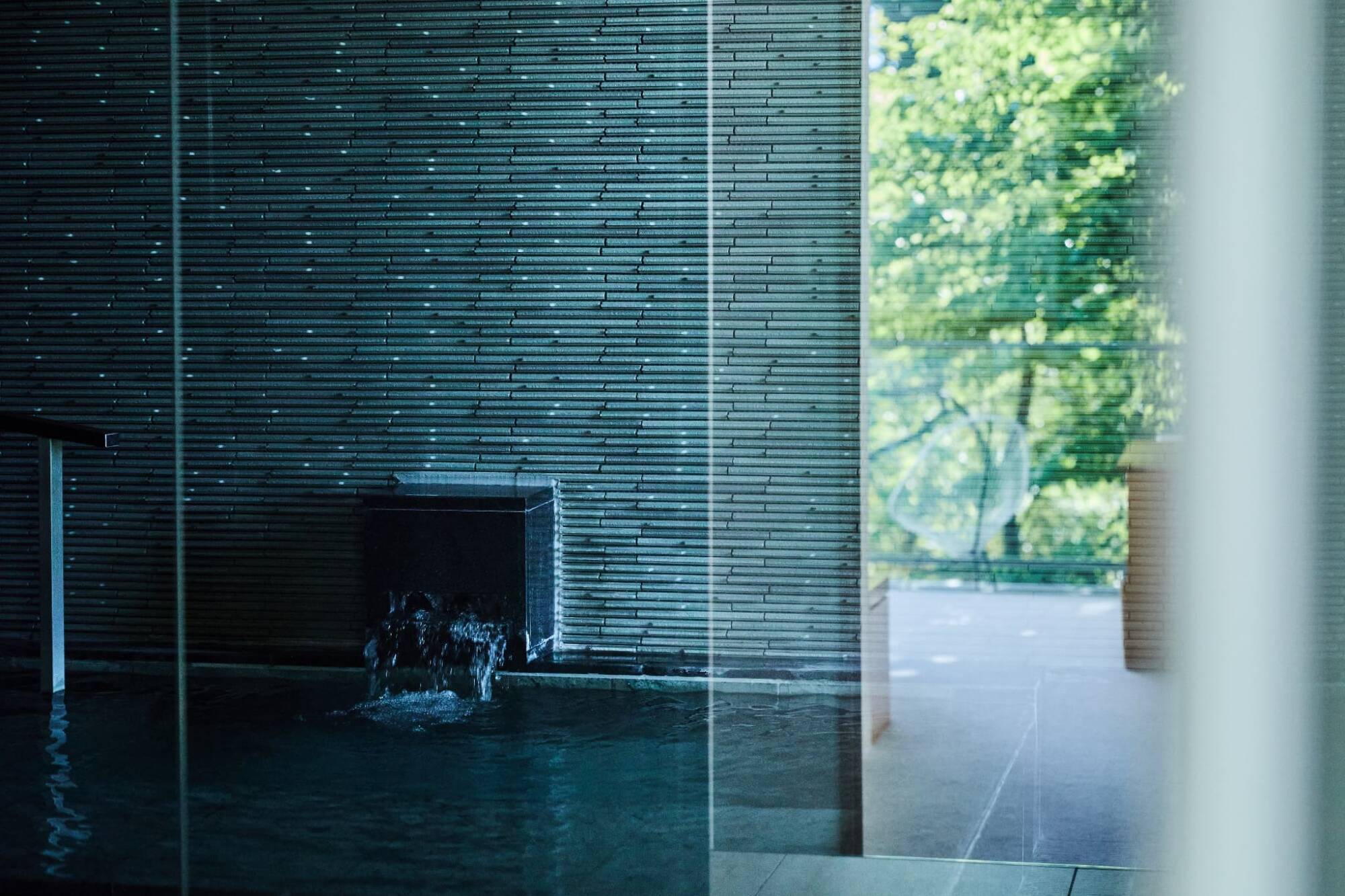
・Wellness — Infinity pool, heated pool, sauna, onsen (select suites), full spa
1 Michelin Key (2024 · 2025) · Member of Design Hotels
Access: 50 min by car from Matsuyama Airport | 35 min by car from Matsuyama Station (JR)