
TOKAI
Where Japan’s spiritual origins meet its geological extremes.
Tokai holds more contrasts than its size suggests. Four prefectures contain Mount Fuji, the Southern Alps, a shrine complex rebuilt every twenty years for over a millennium, a peninsula dense with hot springs, and one of Japan’s largest automobile-producing regions. The distance between the sacred and the manufactured is sometimes a single hour’s drive.
History & Heritage
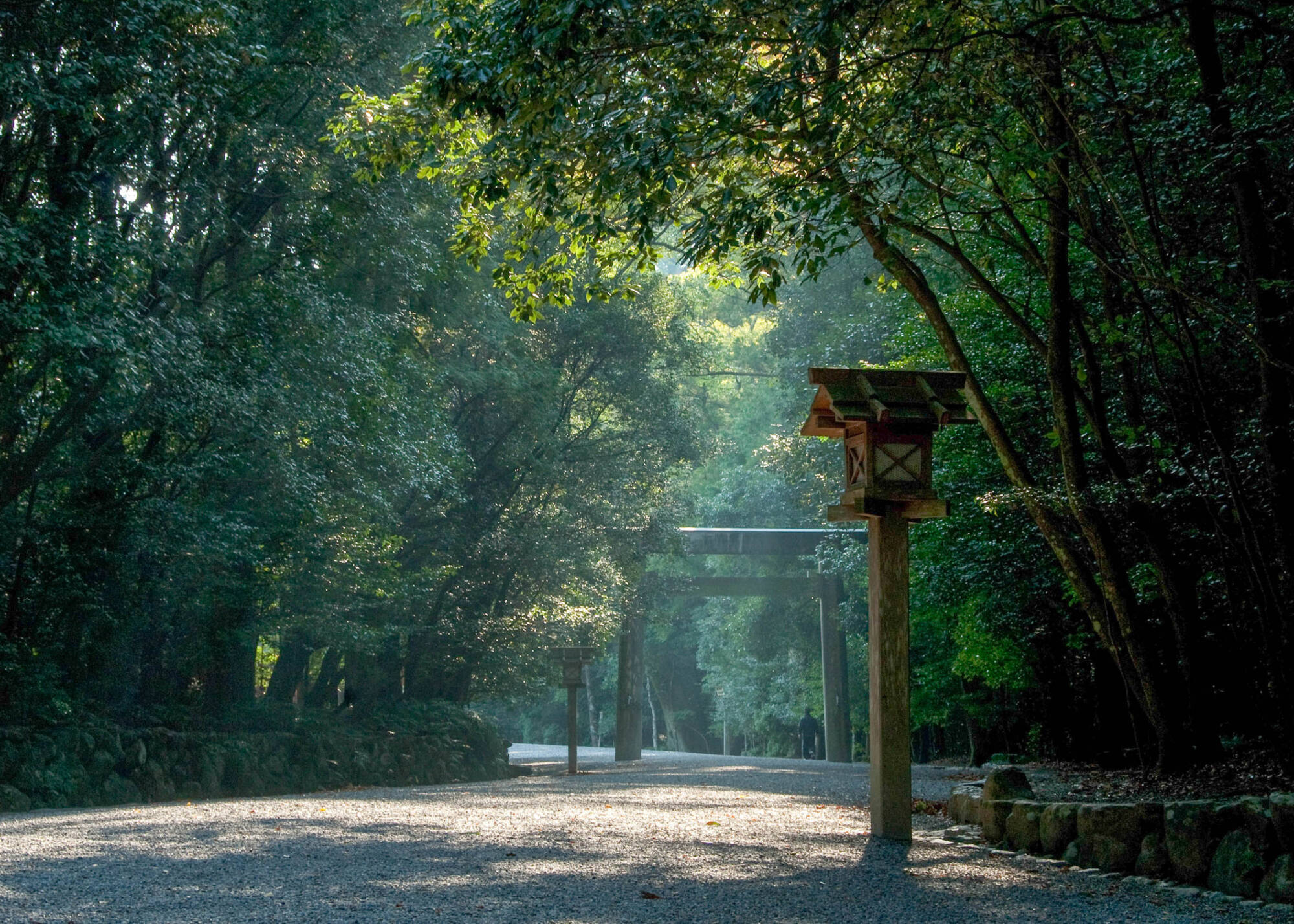
Few regions in Japan have played a more decisive role in the nation’s history. The Ise Jingu Shrine in Mie has been ritually rebuilt on a twenty-year cycle since before written records begin, keeping ancient construction techniques alive to this day. All three warlords who unified Japan in the sixteenth century came from what is now Aichi. The Tokaido highway, established to connect Edo and Kyoto, concentrated around 35 of its 53 post towns in this region alone — making Tokai the bridge through which people, goods, and culture traveled between the two capitals.
Culture & Craft
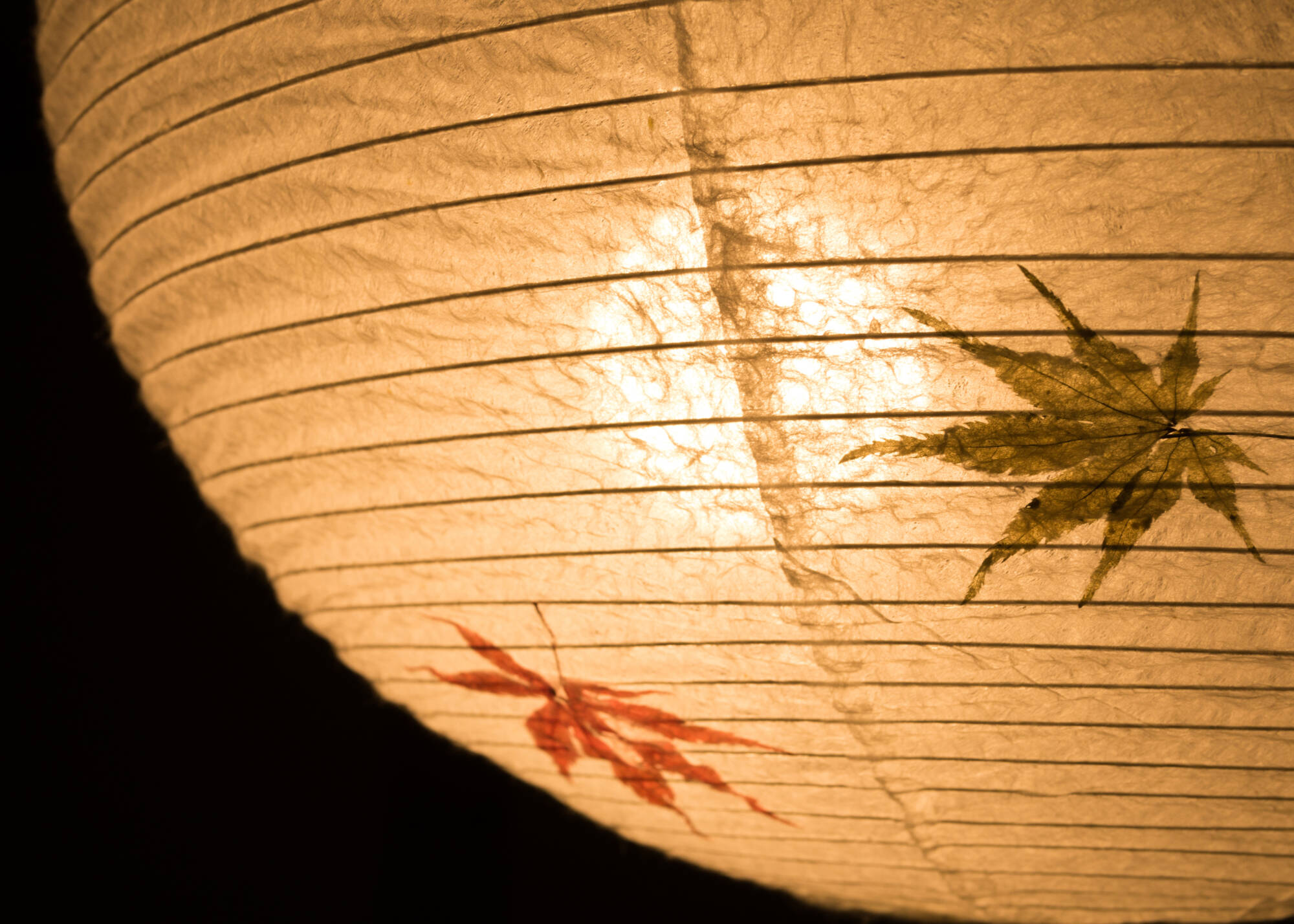
Craft traditions and industrial identity are not as separate as they appear here. The ama divers of Mie, the cormorant fishermen of Gifu, and the makers of Mino washi paper each carry forward a practice rooted in precision and a close reading of the natural world. That same ethos runs through Nagoya’s ceramics, textiles, and metalwork — and, in ways that are not always visible, through the region’s automotive and aerospace industries as well.
Culture & Craft
Craft traditions and industrial identity are not as separate as they appear here. The ama divers of Mie, the cormorant fishermen of Gifu, and the makers of Mino washi paper each carry forward a practice rooted in precision and a close reading of the natural world. That same ethos runs through Nagoya’s ceramics, textiles, and metalwork — and, in ways that are not always visible, through the region’s automotive and aerospace industries as well.
Landscape & Adventure
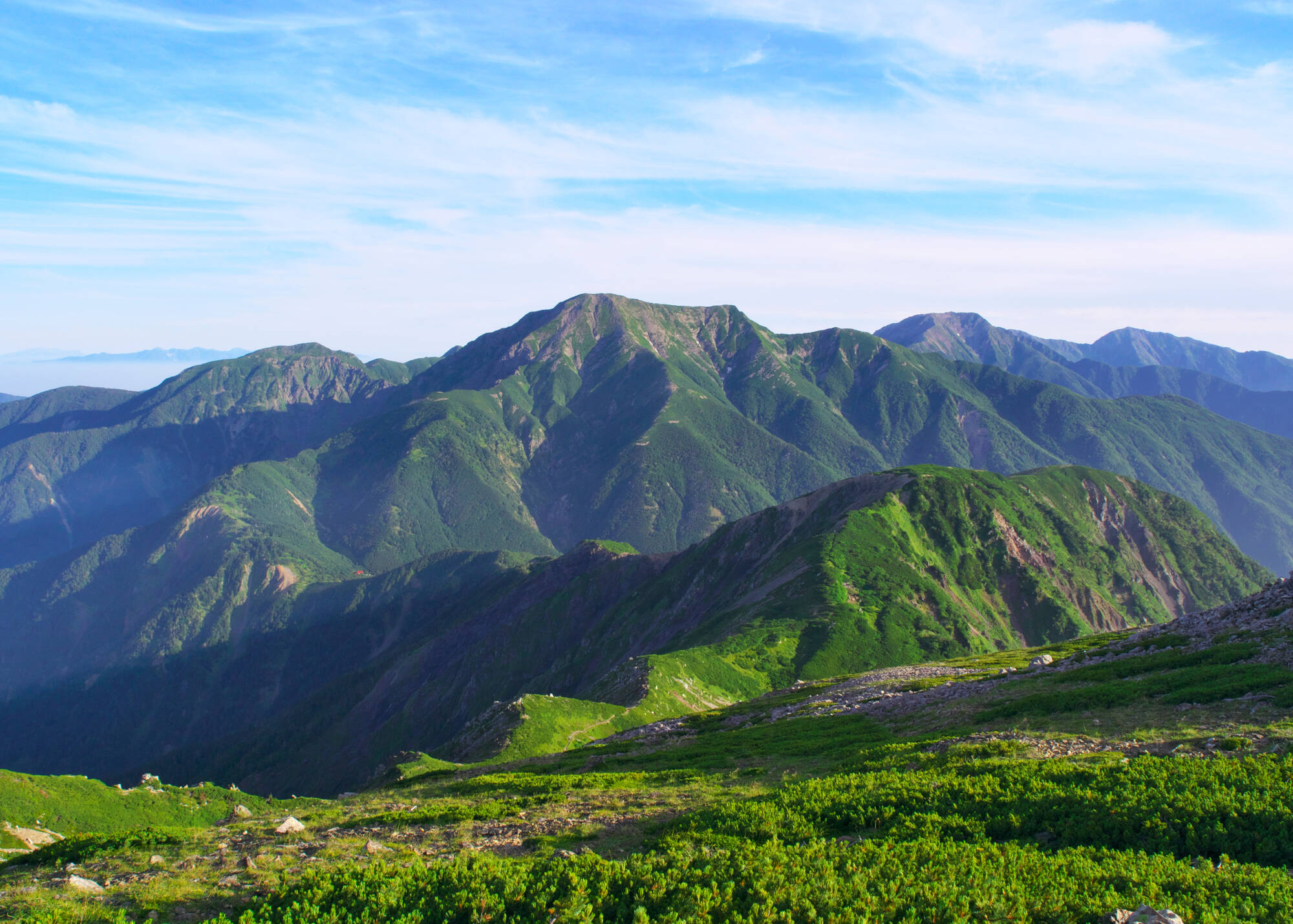
Tokai’s landscape is defined by dramatic elevation changes and a rich variety of water. From the 3,000-meter peaks of the Southern Alps to Suruga Bay, Japan’s deepest bay, the region compresses extreme natural contrasts into a compact space. Mount Fuji anchors the skyline, the rugged volcanic coastline of the Izu Peninsula meets the Pacific, and inland, Gifu Prefecture unfolds into river valleys and highland plateaus—an entirely different landscape shaped by elevation and time. Mountain hiking, coastal drives, riverside walks, and hot springs all fall within reach.
Food & Cuisine
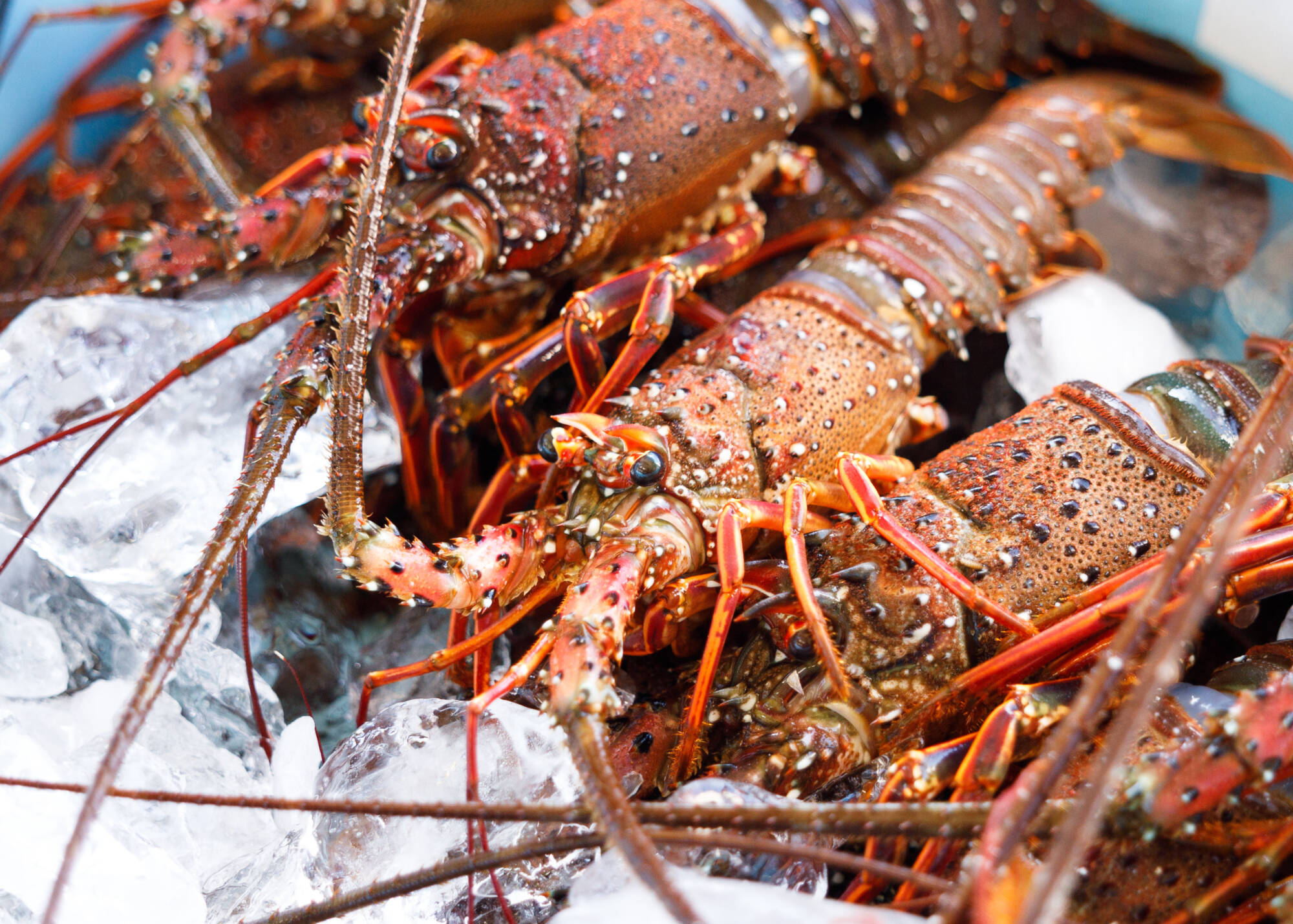
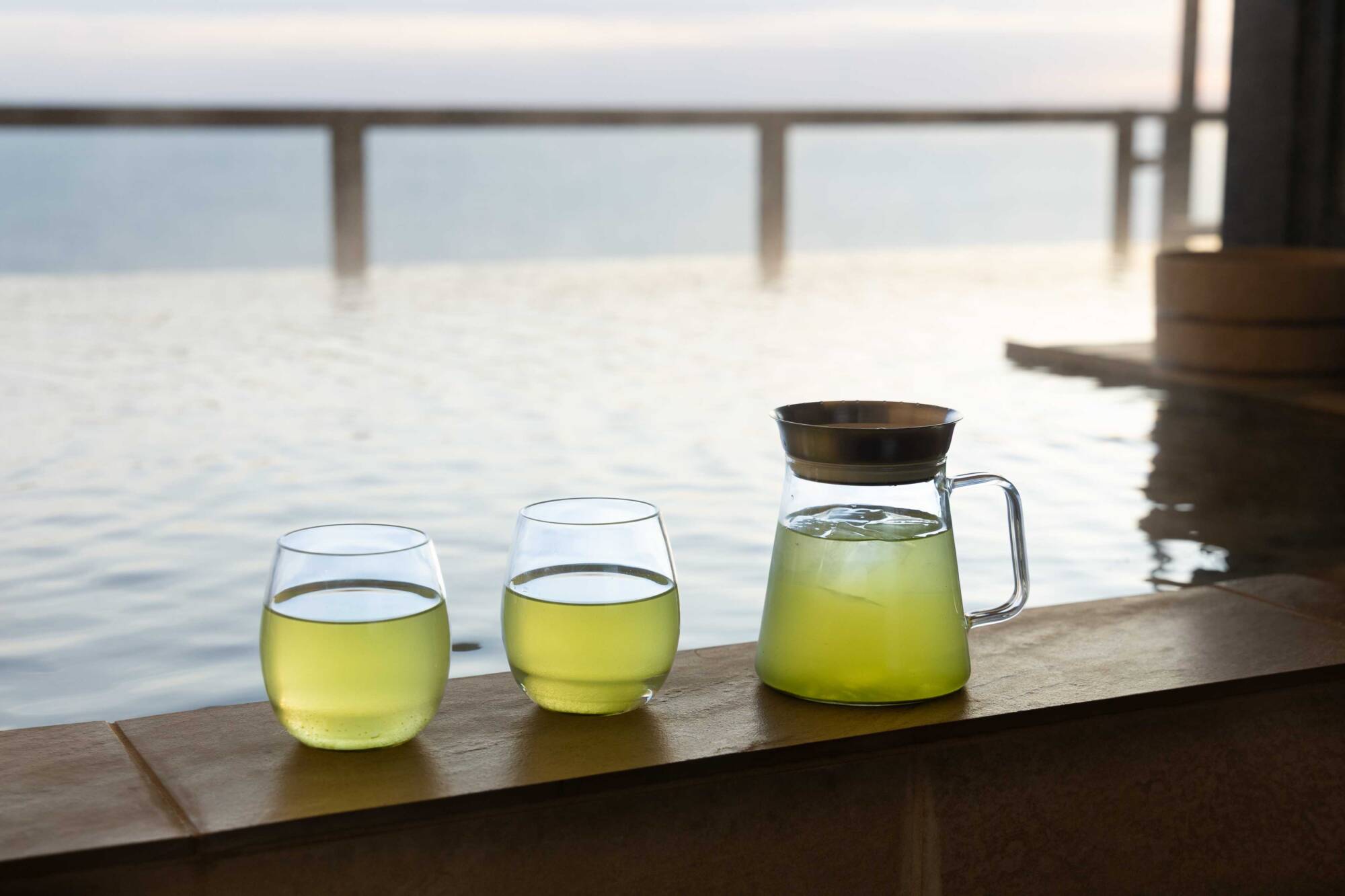
Few regions in Japan produce ingredients of this range or quality. Mie’s Matsusaka beef and Gifu’s Hida beef rank among Japan’s finest wagyu. Shizuoka’s Suruga Bay yields sakura shrimp found nowhere else, alongside kinmedai and fresh shirasu. The prefecture also leads Japan in green tea production and is known for the wasabi grown in cold mountain streams and Japan’s most storied eel-farming grounds, Lake Hamana Aichi’s food culture is built around a dark soybean miso which has no equivalent elsewhere in the country.
Food & Cuisine
Few regions in Japan produce ingredients of this range or quality. Mie’s Matsusaka beef and Gifu’s Hida beef rank among Japan’s finest wagyu. Shizuoka’s Suruga Bay yields sakura shrimp found nowhere else, alongside kinmedai and fresh shirasu. The prefecture also leads Japan in green tea production and is known for the wasabi grown in cold mountain streams and Japan’s most storied eel-farming grounds, Lake Hamana Aichi’s food culture is built around a dark soybean miso which has no equivalent elsewhere in the country.
Places to Stay
IZU RETREAT ATAGAWA SUIKO by Onko Chishin
Higashiizu, Shizuoka Prefecture
Where Nostalgia Opens Into Something New.
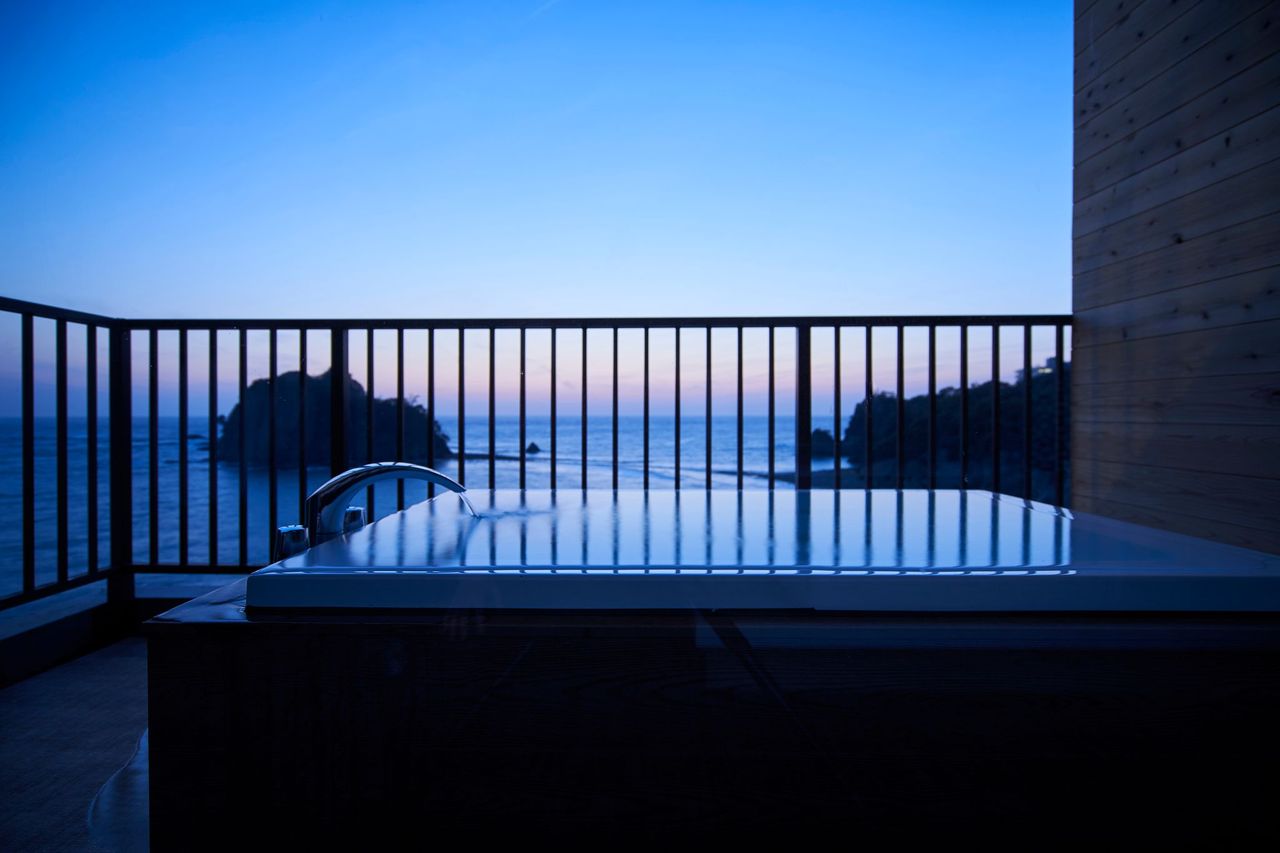
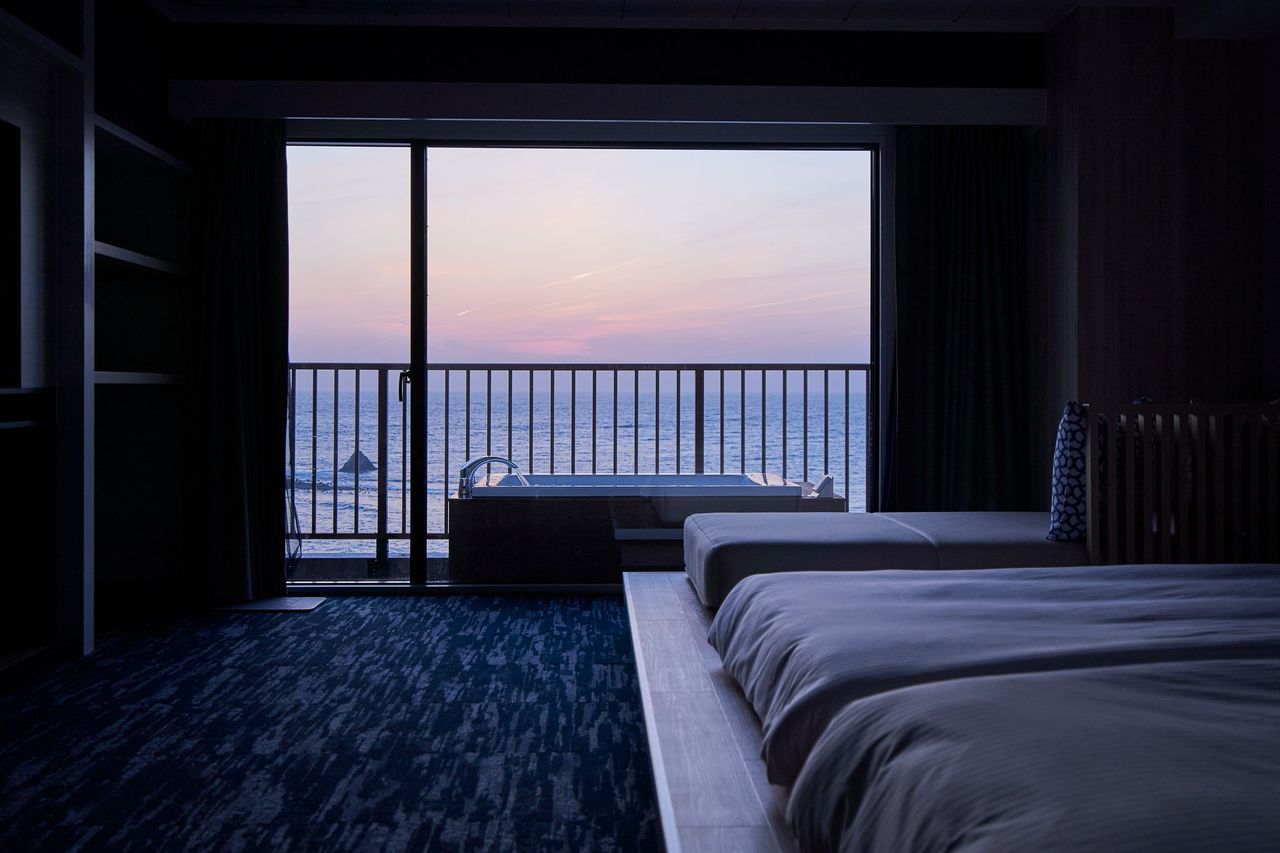
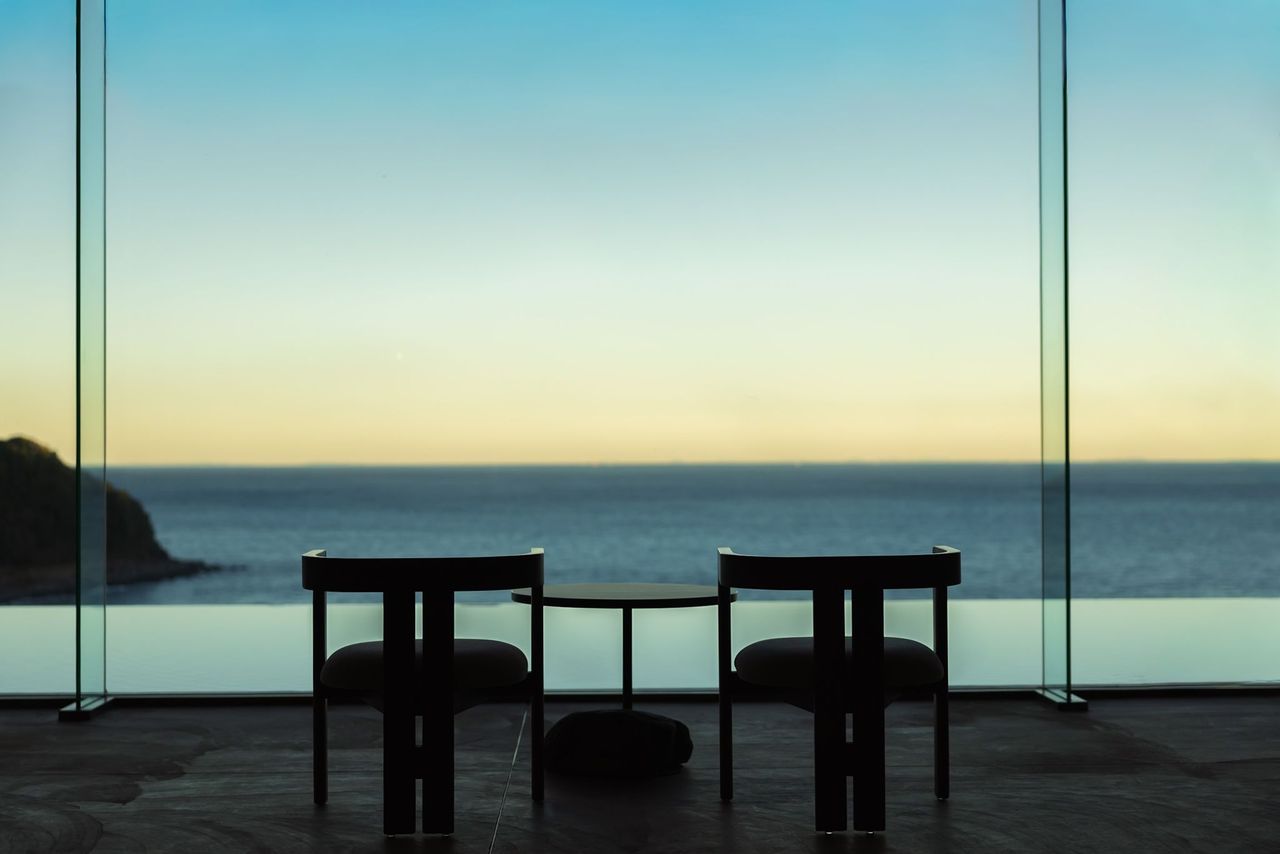
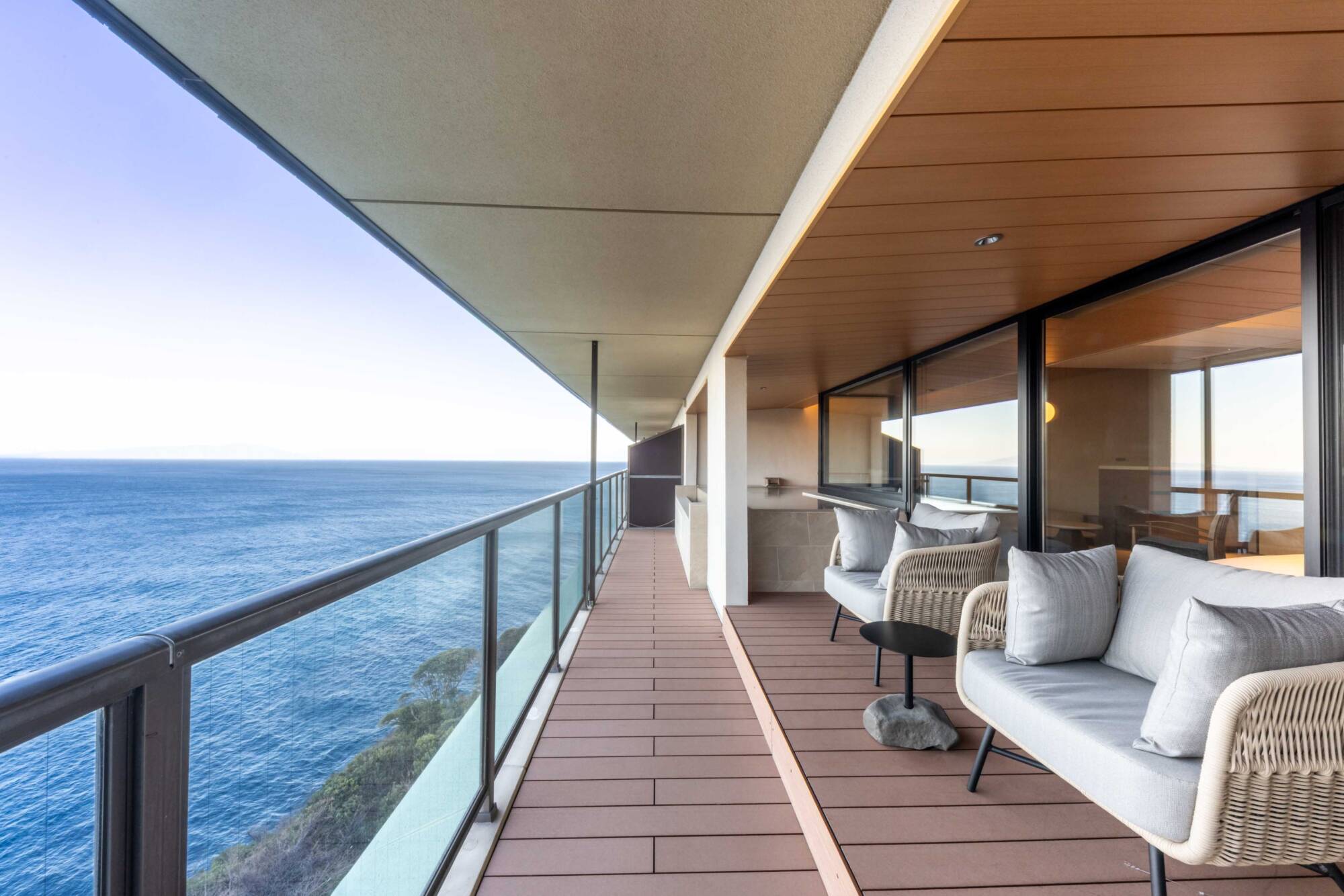
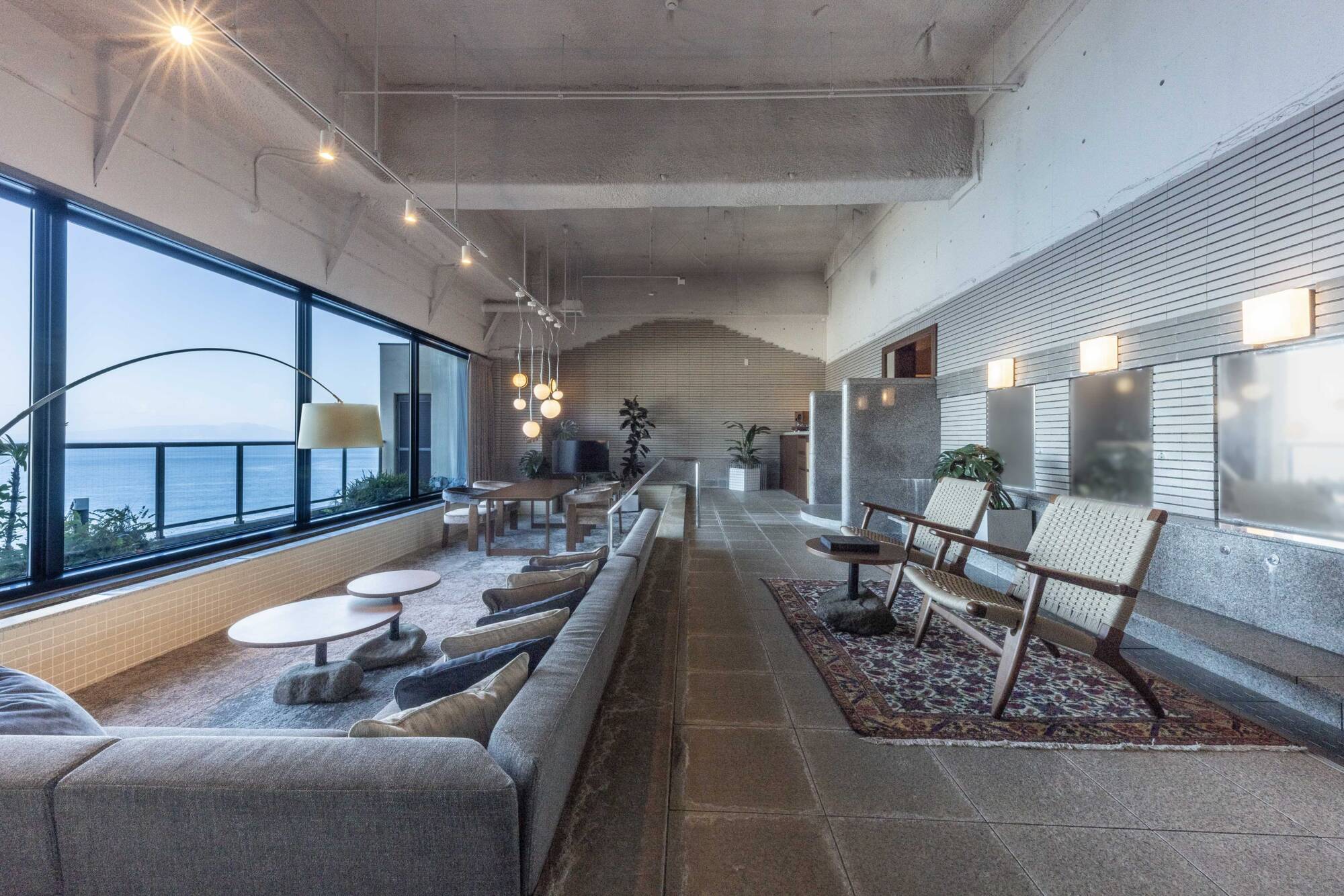
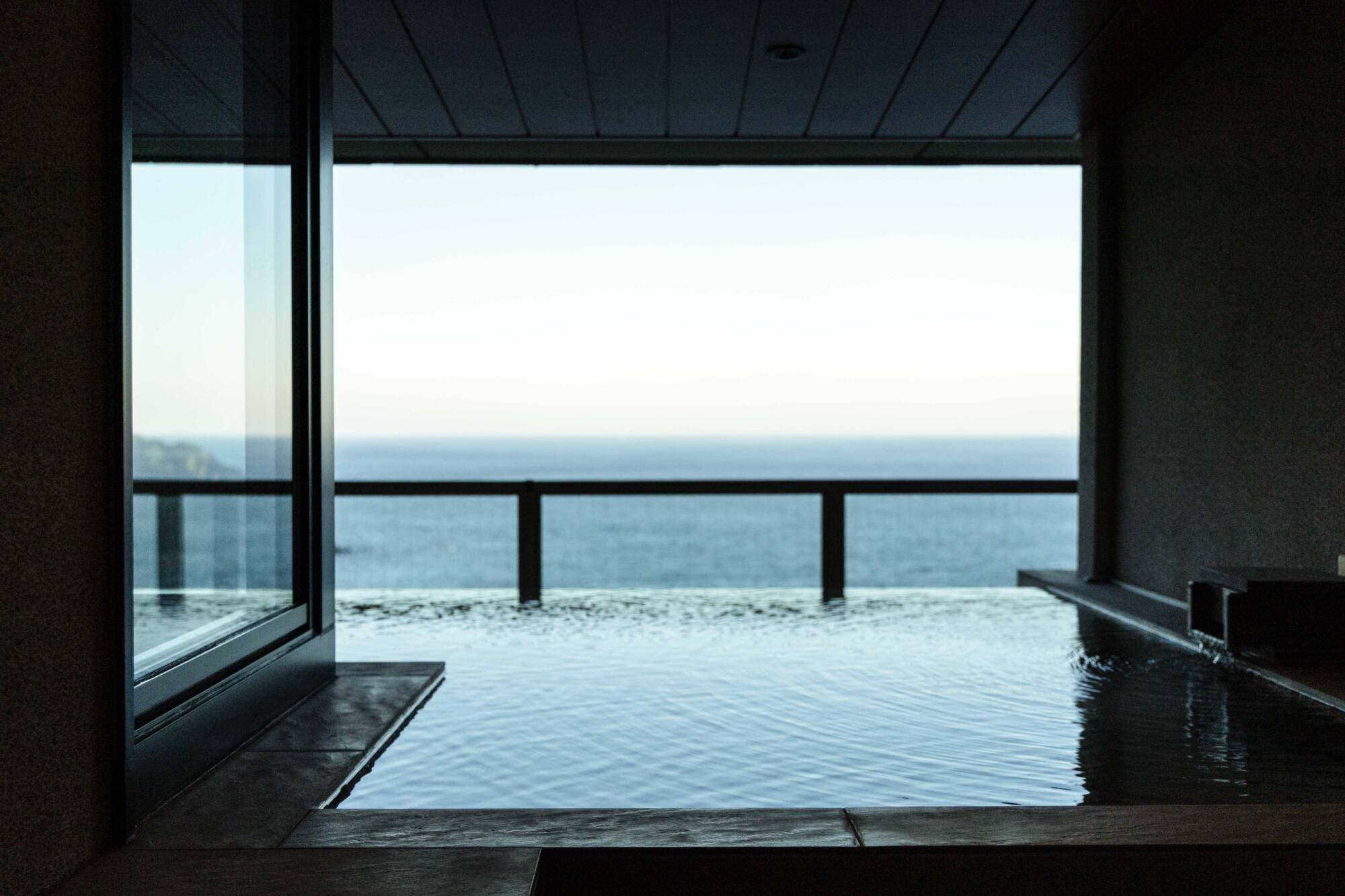
A reimagined onsen inn in Atagawa, where thermal waters have risen for centuries. Sixteen rooms with private open-air onsen baths overlooking the Pacific. Retro design and analogue pleasures reinterpret Japan’s onsen culture for today.
・16 Rooms — All with private open-air onsen and ocean views
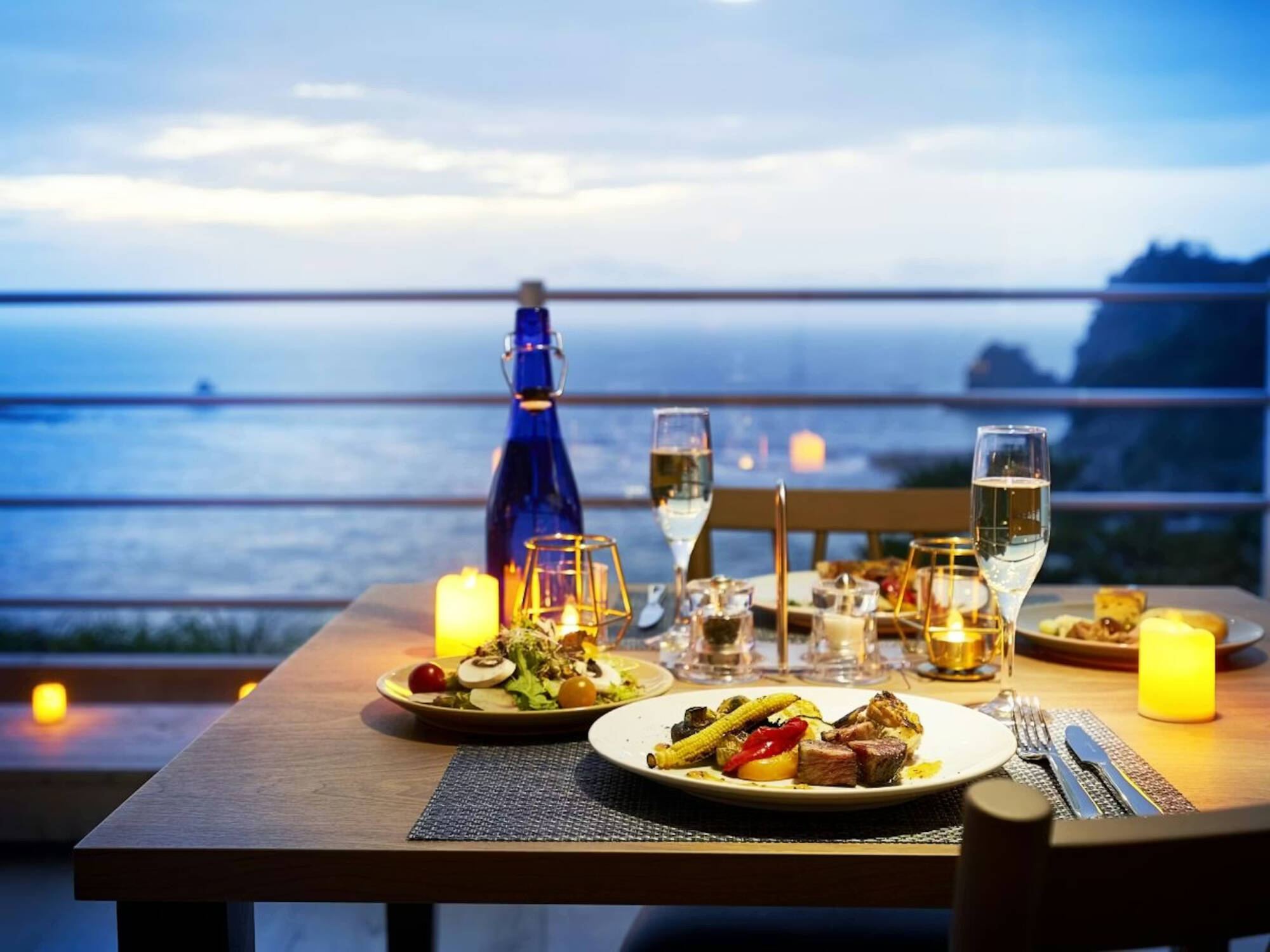
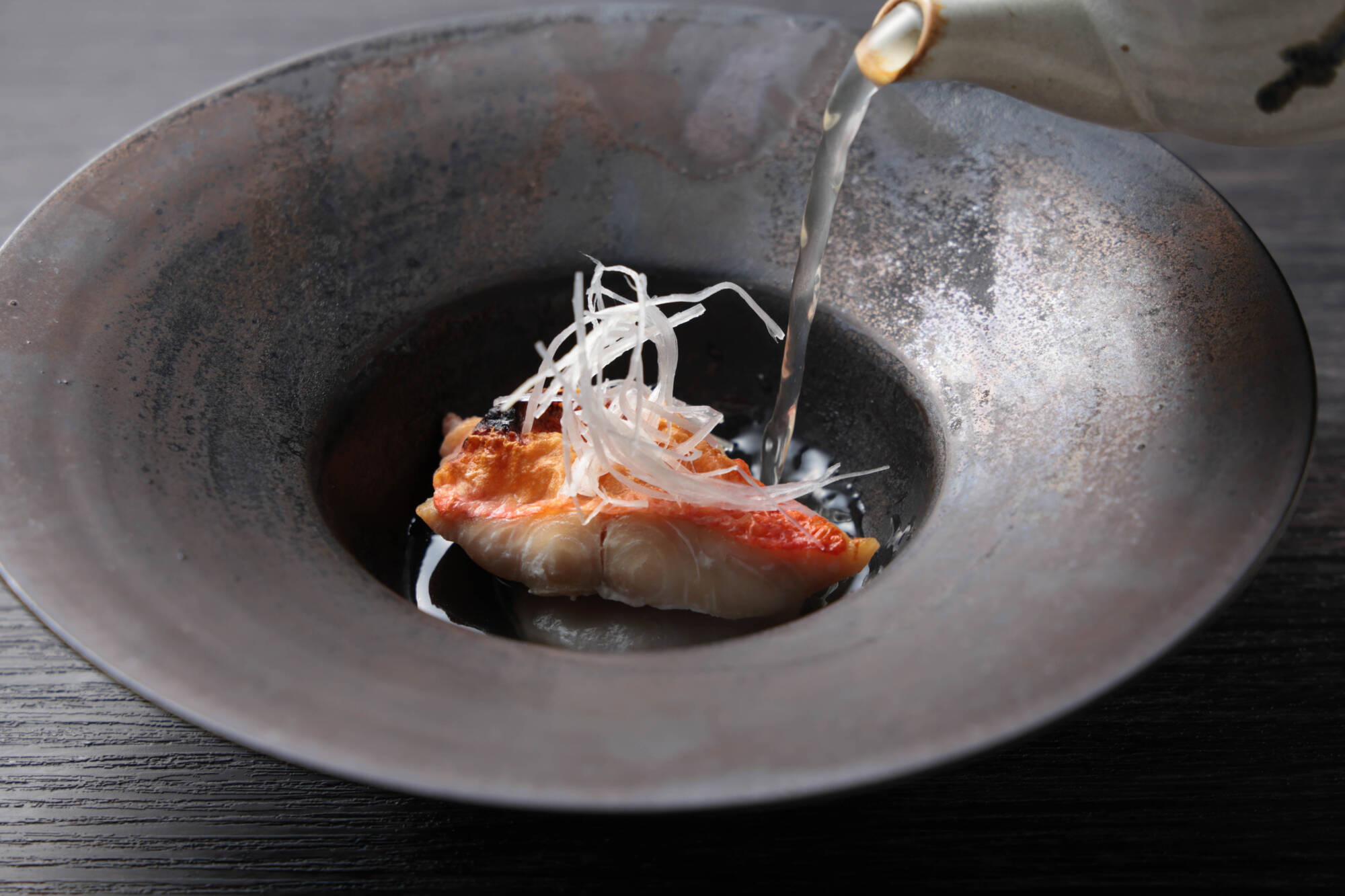
・Izu Gastronomy — mountain and sea ingredients with selected wines
・Architecture & Design — Retro interiors with vinyl records and classic games
・Wellness — Onsen, sauna (suites)
Access: 2 hrs 15 min by train from Tokyo | 2 hrs 40 min by car from Tokyo *Complimentary transfers (advance reservation required)
Il Azzurri
Nishiizu, Shizuoka Prefecture
Where the Sea Turns the Color of the Sky
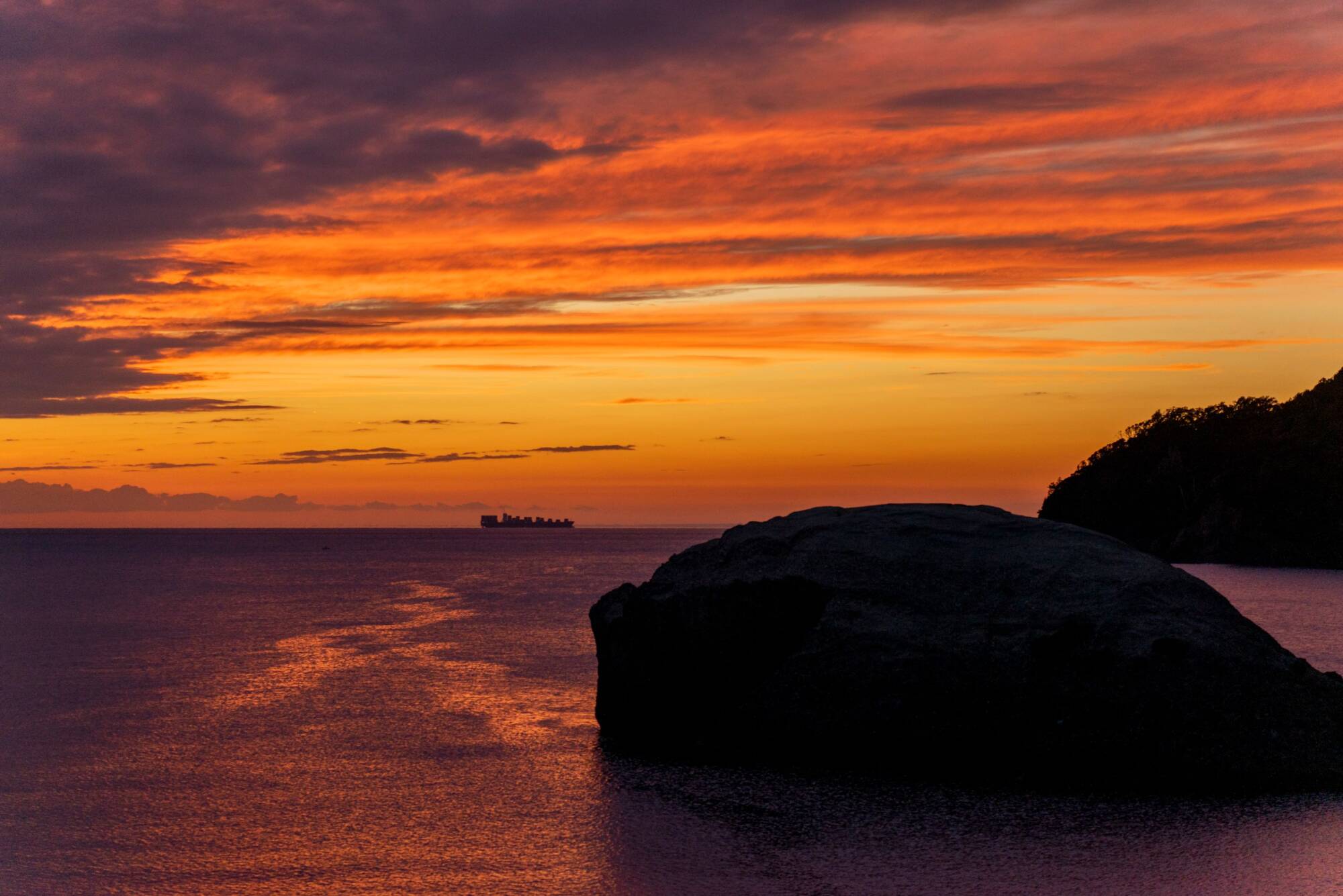
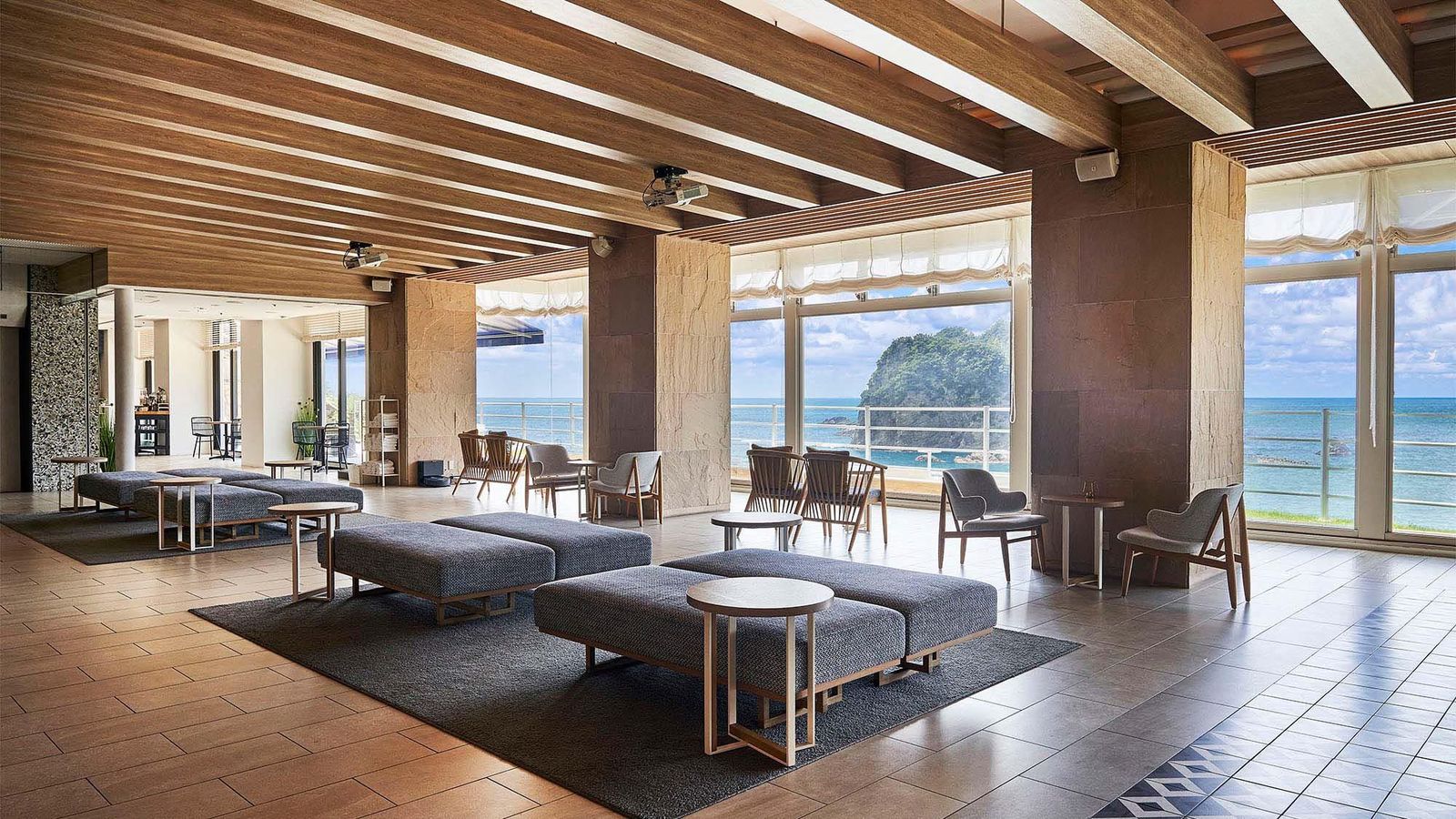
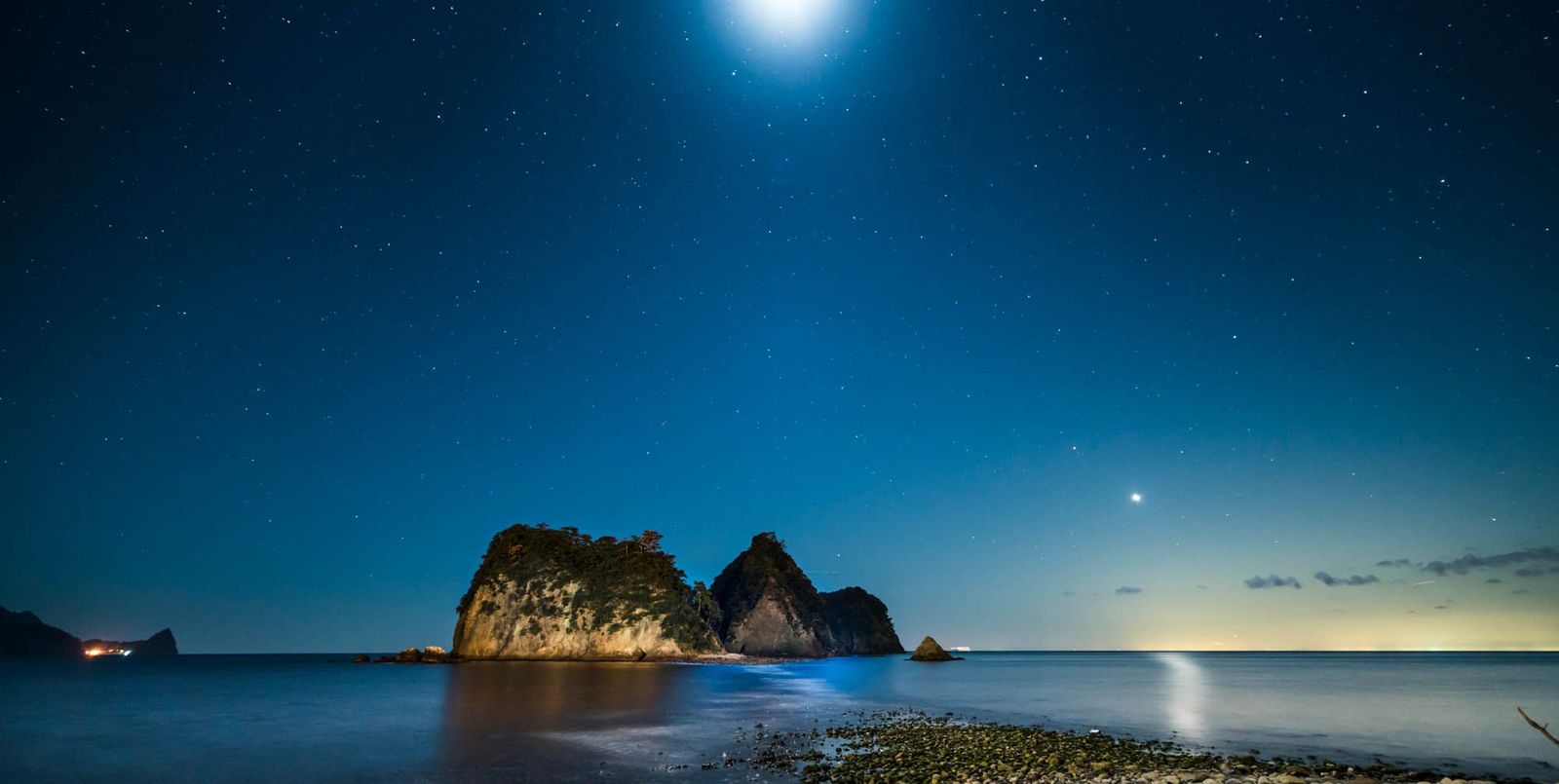
Named for “azure”—the sea here shifts through shades of blue borrowed from somewhere further south. Cliffside views, dramatic sunsets, and a coastline that feels unhurried. Just three hours from Tokyo.
・46 Rooms — All oceanfront with private open-air baths
・Italian & Japanese buffet — fresh seafood and local vegetables, free-flow lounge drinks
・Large communal baths, open-air baths, full spa · Pet-friendly available
Access: 3 hrs by car from Tokyo