
[OTARU RETREAT KURAMURE] Rebrand Opening as “OTARU RETREAT KURAMURE by Onko Chishin” on February 24, 2026
2025 - 11 - 26
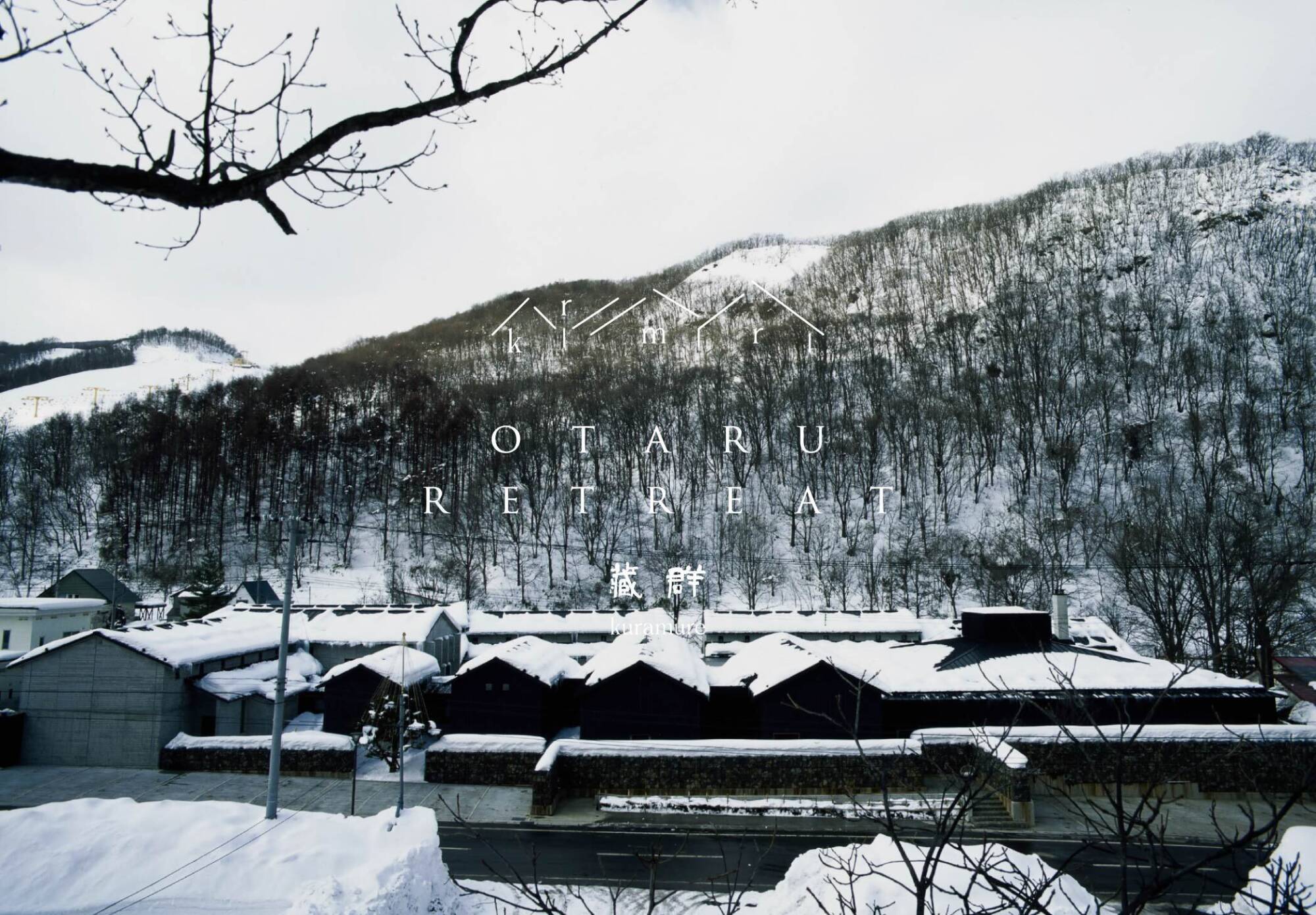
OTARU RETREAT KURAMURE will reopen as “OTARU RETREAT KURAMURE by Onko Chishin” on Tuesday, February 24, 2026. Until the rebrand opening, we will continue to operate while renovating in stages.
This is the fifth property in the retreat series operated by Onko Chishin, following SETOUCHI RETREAT AONAGI, IKI RETREAT KAIRI MURAKAMI, GOTO RETREAT ray and IZU RETREAT ATAGAWA SUIKO.
New Logo and New Concept
Concept
Memories of time dwelling in a tranquil kura
Ripples of sound and whispers of written words
A sanctuary of wabi-sabi, surrendered to the cycle of things
In the inner room where the heart grows still
The thinking behind the logo
Drawing on KURAMURE’s defining qualities, in which skillfully used natural materials let the buildings harmonize with the landscape, the new logo expresses the character of its setting: Otaru’s snowy scenery and the row of kura storehouses.
Based on the shape of a roof, the diagonal lines placed around the letters symbolically depict its form.
The origin of the concept
Built to evoke Otaru’s stone warehouses, KURAMURE was born as a space that holds the spirit of Japan, under the design philosophy of architect Makoto Nakayama, who prizes “stillness.” While honoring the beauty and calm of Japanese aesthetics, it is designed to blend into the surrounding natural environment as its expression changes with the seasons.
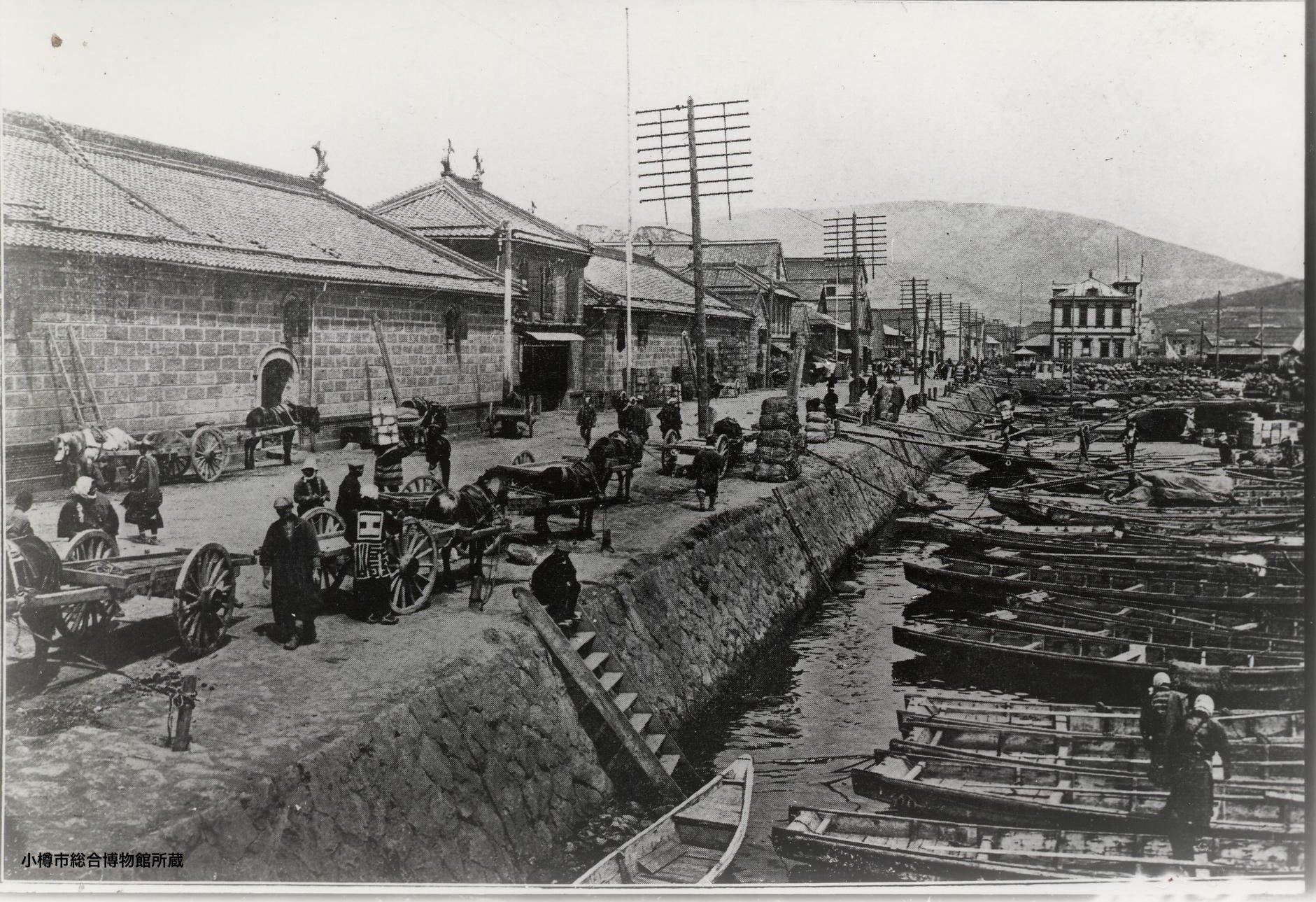
Otaru’s townscape in the Meiji era (Source: Otaru City Museum)
Against a history of frequent great fires, these warehouses were built of fire-resistant soft stone, and traces of that era remain strongly to this day.
Carrying forward Makoto Nakayama’s philosophy and the history of the stone warehouses rooted in Otaru, we have newly adopted as our concept the idea of “kamosu” (brewing or fermenting), the ancient Japanese practice of quietly deepening the value of things over time.
Highlights of the Renovation
KURAMURE opened on May 9, 2002, and Onko Chishin took over its operation on June 20, 2025.
Keeping the original design philosophy intact and aiming to further refine the value of a stay, Makoto Nakayama, who designed the property when it opened, will also design the renovation.
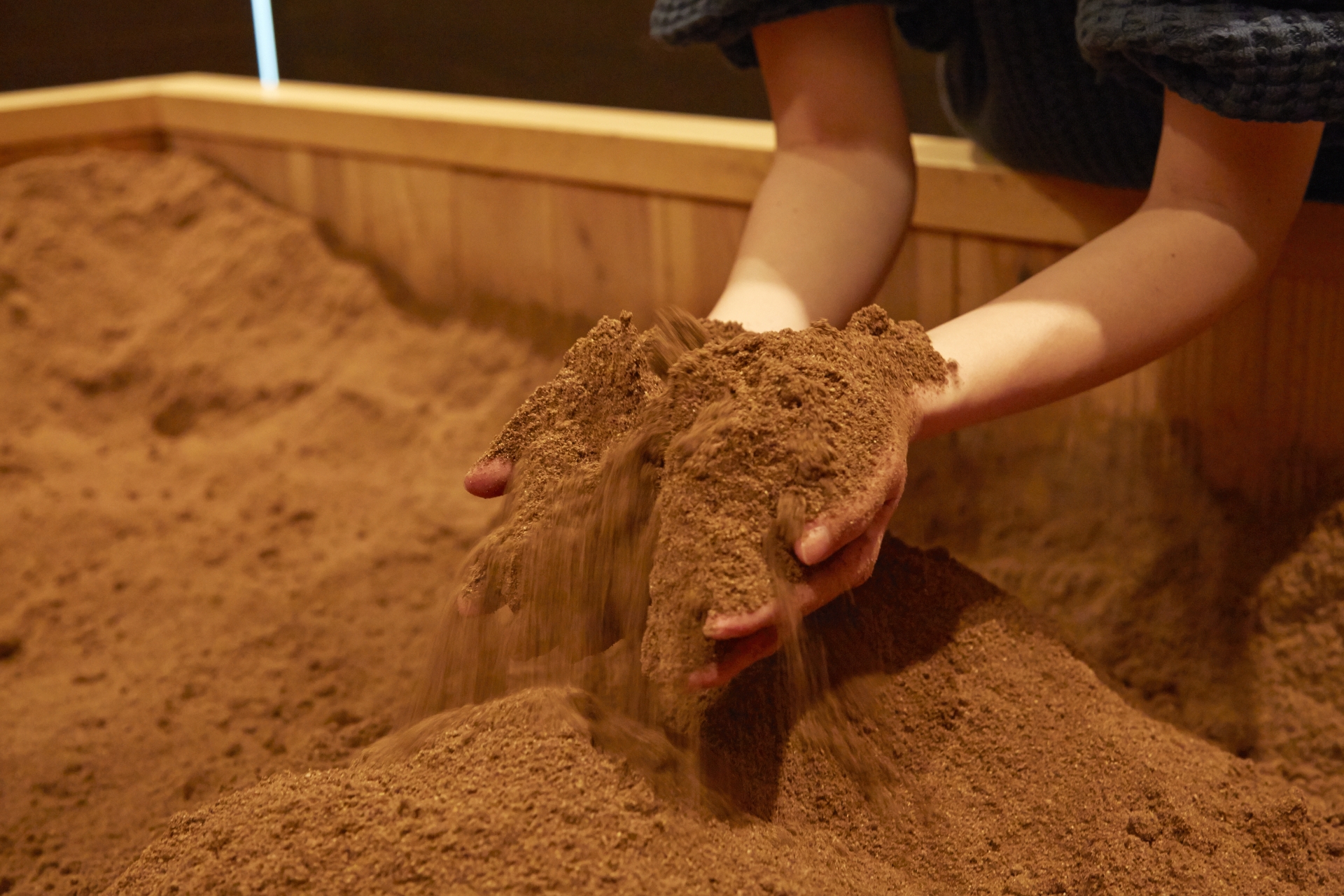
Image of the enzyme bath
The two existing large communal baths will each be renovated into private baths offering a personal wellness experience.
For the first time at a property operated by Onko Chishin, we will introduce an enzyme bath.
We will also add a spa and a sauna, offering a stay in which hot baths and detox help restore the body’s circulation.
[After renovation]Private bath 1: Enzyme bath and spa
Private bath 2: Sauna, cold plunge and open-air bath
Note: Because of renovation work to add the enzyme bath, spa and sauna, the existing large communal baths will be unavailable from Monday, January 5, 2026. Operating hours and fees will be announced on our official website once they are determined.
About architect Makoto Nakayama
An architect from Hokkaido.
He has designed many luxury residences and lodging facilities, mainly in Hokkaido, including Zaborin and Sansui Niseko in Niseko, Bouro NOGUCHI Noboribetsu in Noboribetsu, Bouro NOGUCHI Hakodate in Hakodate, and Tabiniwa Kuki in Esashi.
Influenced by the Katsura Imperial Villa and Kyoto architecture, his work is distinguished by a design philosophy in which the spirituality of Japan and a devotion to delicate proportions can be felt throughout.
His architecture, which stays close to Hokkaido’s climate and harmonizes with nature, is highly acclaimed, and he has received numerous awards in Japan and abroad.