
[HOTEL LA VIGNE HAKUBA] Carrying On the Memory of a Land That Has Long Welcomed Travelers
2026 - 09 - 22
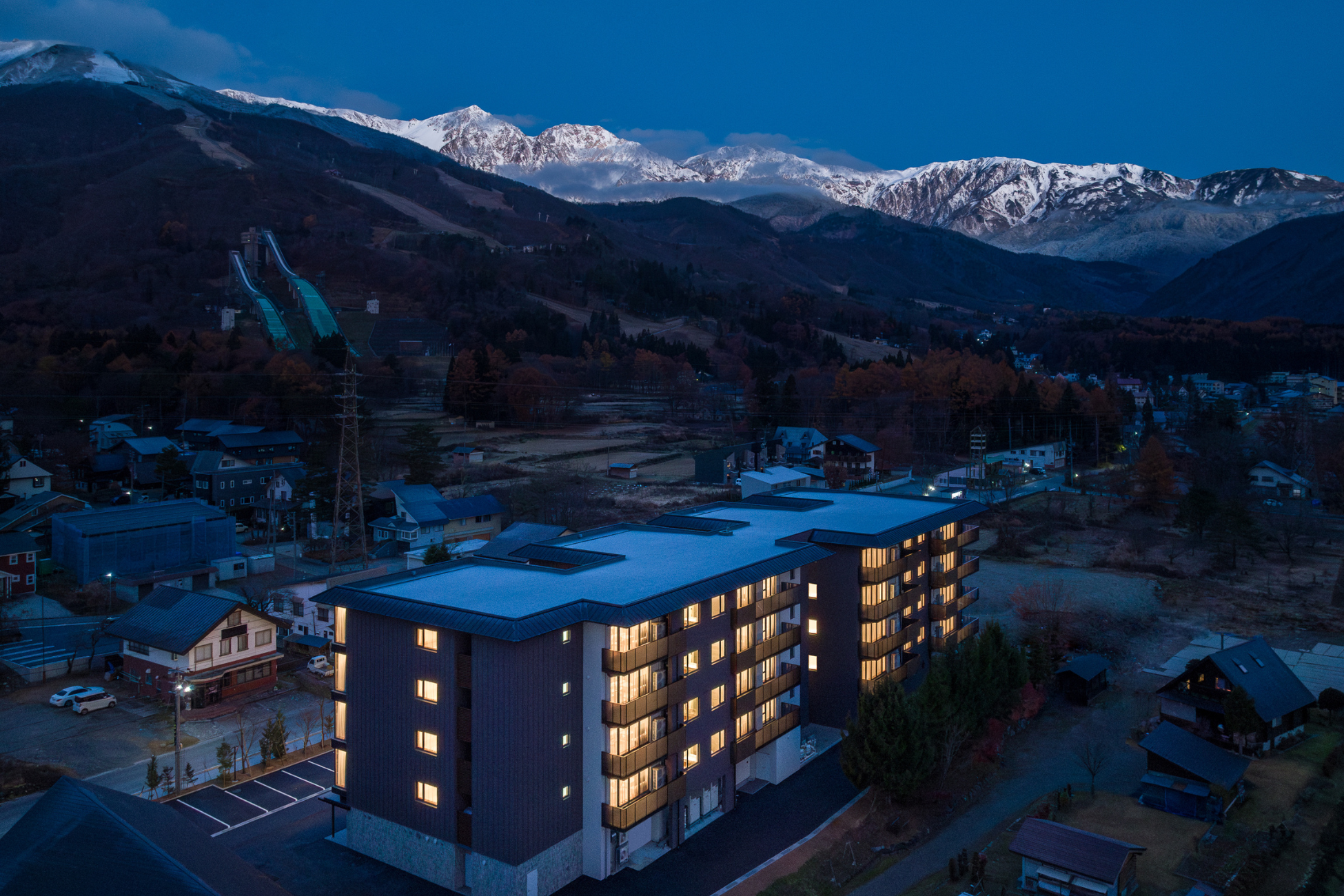
Hearing “Hakuba,” the first thing that comes to mind may be pure white ski slopes. Hakuba Village in Nagano Prefecture spreads out at the foot of the Northern Alps. The peaks, rising some 3,000 meters, show a different face in each season: powder snow in winter, mountaineering in summer, flowers in spring and brilliant foliage in autumn. They have drawn travelers throughout the year.
Now a mountain resort known around the world, Hakuba began welcoming travelers long before any ski resort existed. An old highway that carried salt, farmhouses that sheltered those crossing the mountains, and an Olympics that drew the eyes of the world. Though its form has changed, Hakuba has always been a place that welcomes travelers. Here we introduce some of its memories.
The memory of Hakuba, a mountain resort visited by people from around the world
Once, an old highway ran through Hakuba. This was the Sengoku Kaido, which linked the castle town of Matsumoto with Itoigawa on the Sea of Japan. Because it carried salt, precious to mountainous Shinshu, it was also called the “Salt Road.” Along the route from Hakuba to Otari, stone Buddhas and old temples remain, conveying the atmosphere of the days when many people and goods passed through.
Hakuba’s mountains have long been closely tied to daily life, through hunting and the gathering of wild vegetables and medicinal herbs. In the Meiji era, climbers from outside began to come to climb Mt. Shirouma, among them Walter Weston, the British missionary who introduced the “Japanese Alps” to the world, and the mountains gradually became known as a place to climb.
Those who guided them into the mountains were the locals of Hosono, Hakuba (today’s Happo area). Sometimes, after a guiding job was done, they welcomed the climbers into their own homes and looked after them. As this custom took root, an inn in Hosono became the first in Japan to receive a license for lodging. This is said to be the beginning of the “minshuku” (family-run guesthouse).
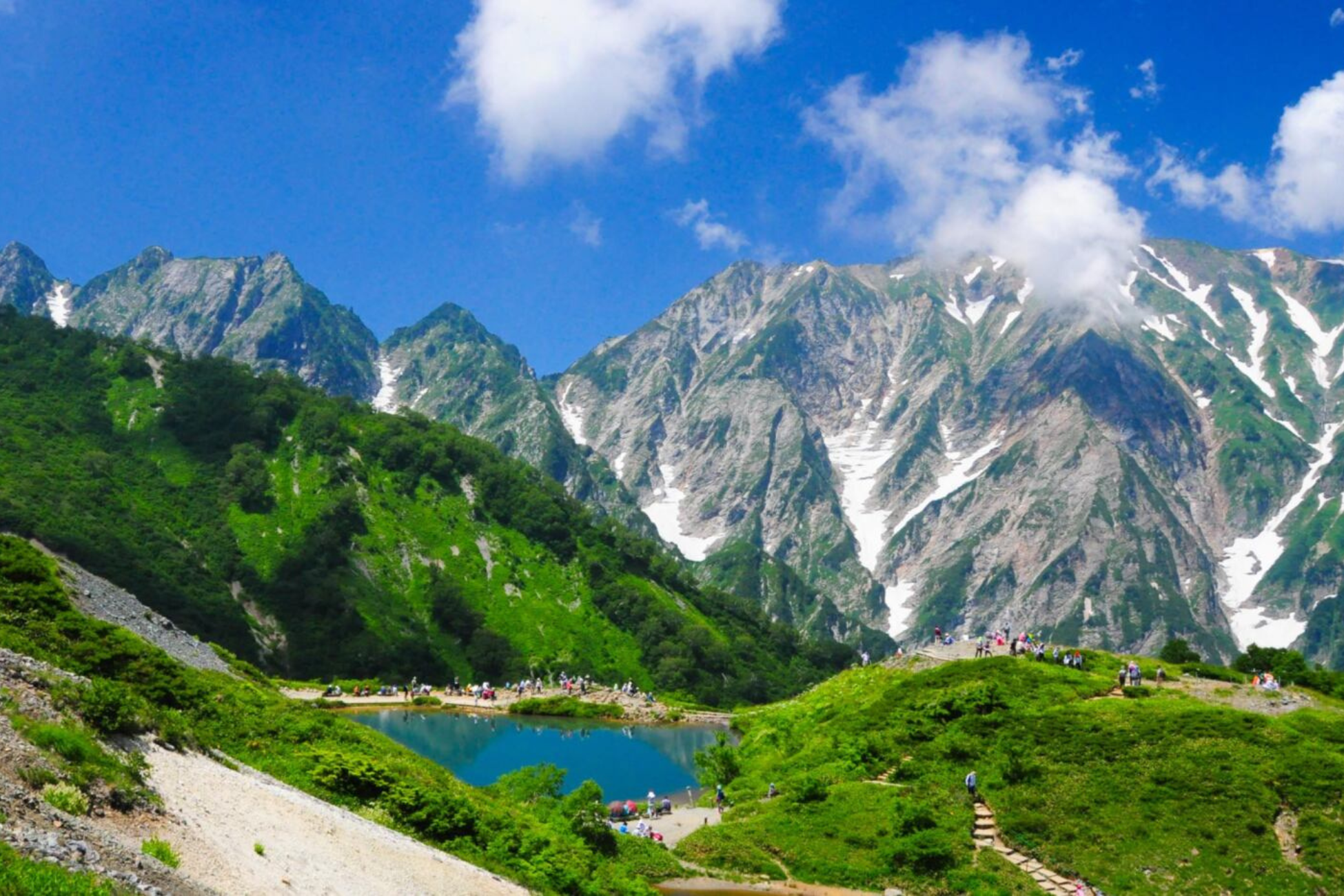
A local character polished alongside its travelers
The work of hosting travelers changed with the times. When the village’s first ski lift was built in 1952, Hakuba quickly became a ski town. Local farmers began opening inns and hotels one after another.Then in 1998, as the host of the Nagano Winter Olympics, the name “HAKUBA” spread across the world.
Today it also bustles with travelers from overseas who stay long, seeking fine powder snow. Yet the memory of the Salt Road that people once walked and of the minshuku culture still remains in this land.
When Hakuba Village was named a UN Tourism (UNWTO) “Best Tourism Village 2023,” the pioneering spirit rooted in Salt Road culture and the continuation of the spirit of hospitality were among the qualities recognized. A time unique to this land, polished by welcoming travelers and connecting with the outside world. That memory still flows today.
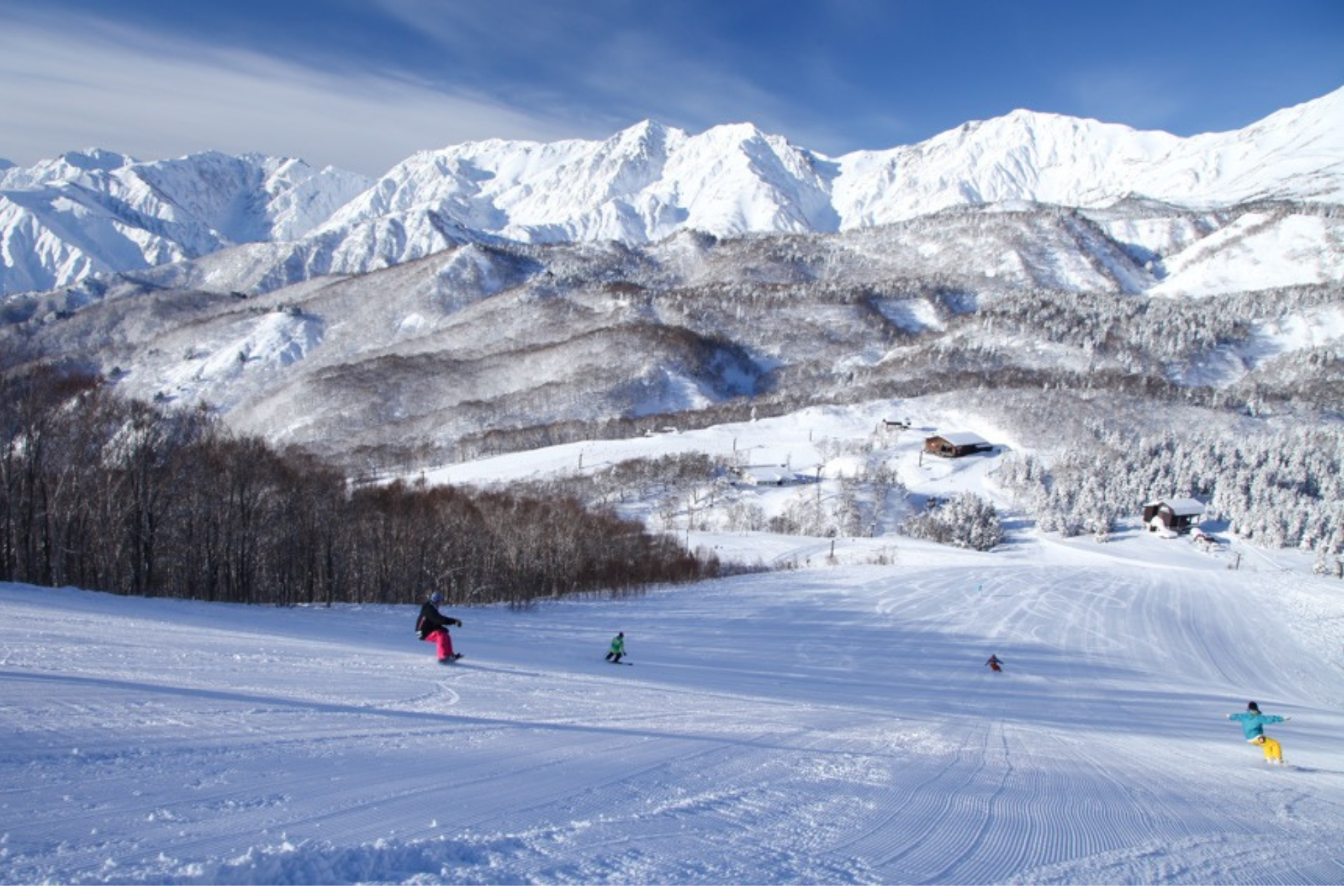
HOTEL LA VIGNE HAKUBA, born in a place that has kept welcoming travelers
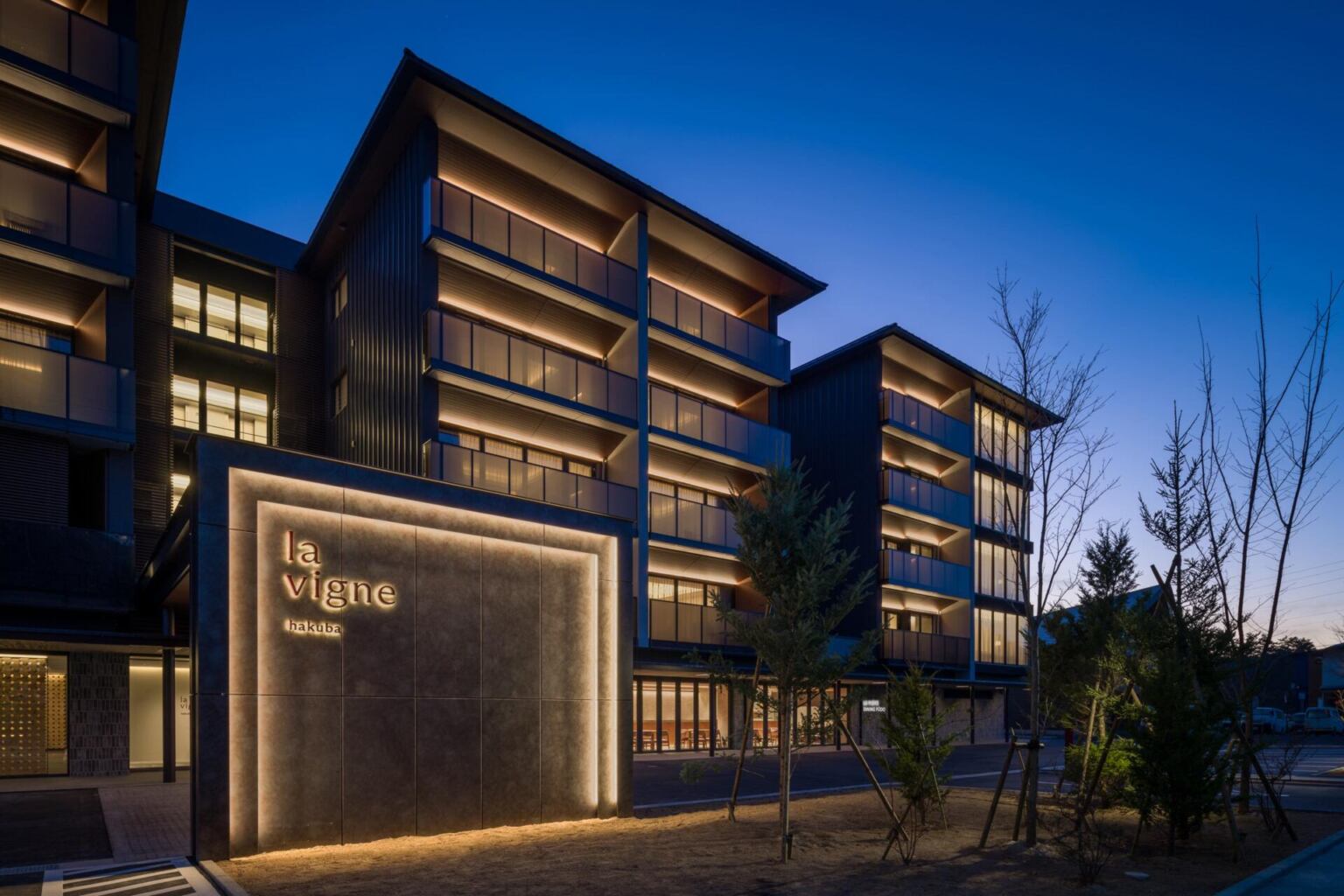
In the center of Hakuba, at Echoland, HOTEL LA VIGNE HAKUBA by Onko Chishin opened on December 19, 2024. The hotel’s name, “la vigne,” is French for “the grapevine.” Like a grapevine that takes root over time and bears fruit, we hope to put down roots in this land and grow together with the community. That is the thought we put into the name.
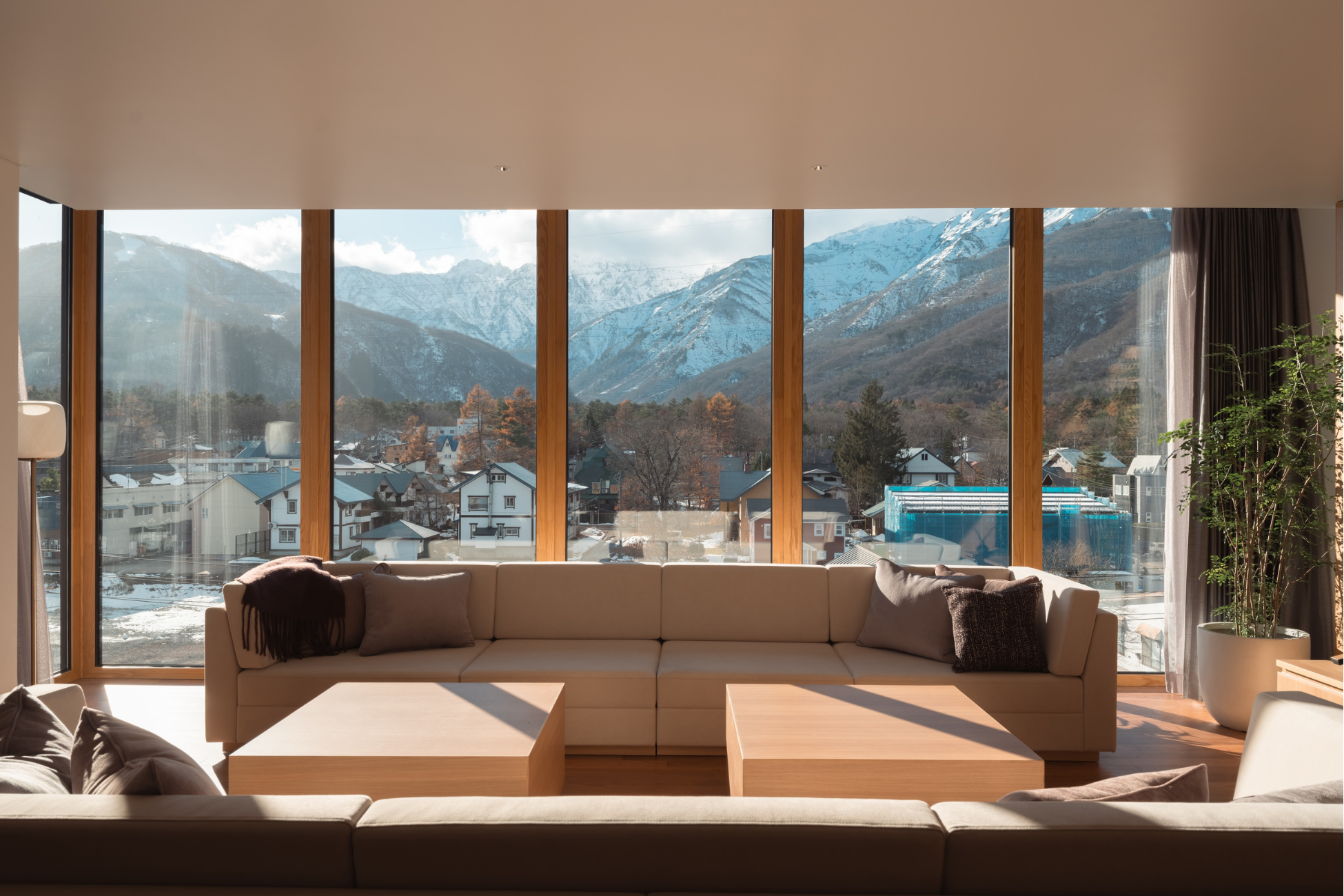
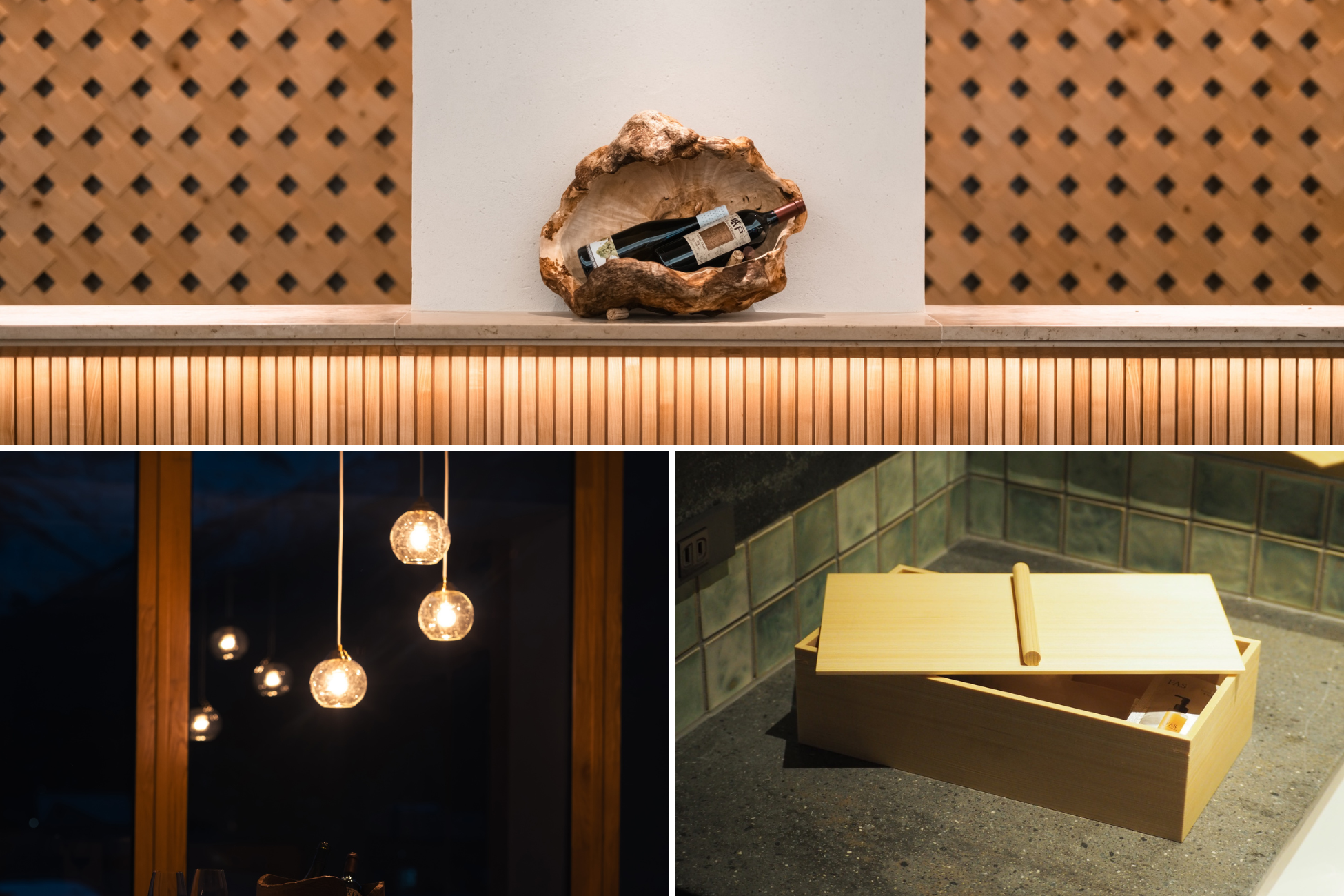
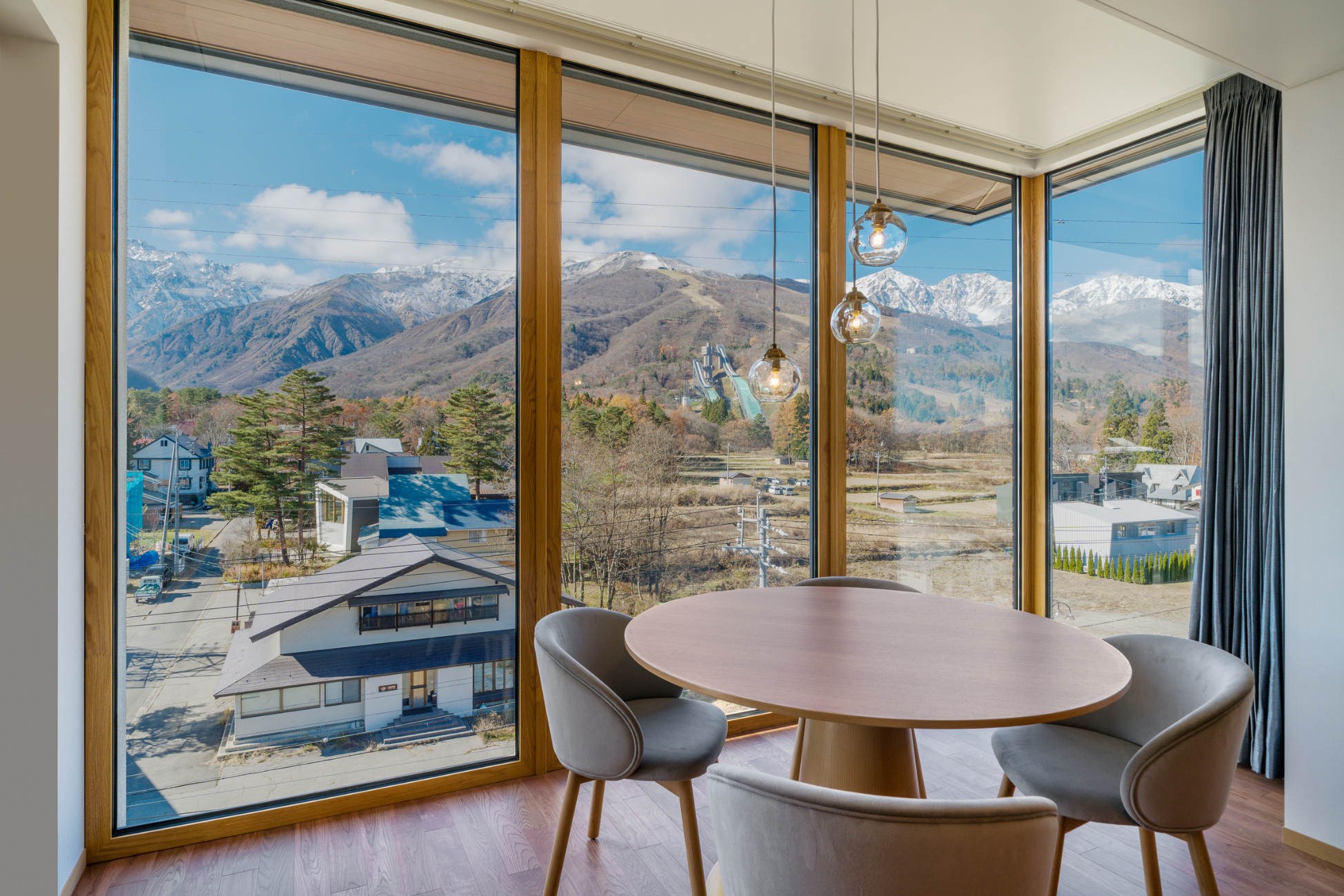
Every guest room is a corner room, with the Northern Alps stretching out beyond the window. Throughout the hotel we have woven in the work of makers active across Nagano Prefecture.Works by Moe Ando, an artist based in Ueda, made from Nagano timber.Pendant lights of “walnut glass,” made by melting the ash of burned walnut shells, a specialty of Tomi, into glass, and amenity boxes of hinoki cypress made by Kaguya Riemon, a furniture maker in Yamagata Village, and more.
Rather than simply lining up stock “local color,” we incorporate into the landscape of your stay the work of makers who engage earnestly with their materials and pass on the techniques handed down in Nagano.
In winter, head to the slopes for some of the world’s finest powder snow. When the snow melts, turn to hiking, trekking, and activities on lakes and mountain streams. With each change of season, the time you spend here at LA VIGNE HAKUBA changes its face as well.
The bounty of Shinshu, and a once-in-a-lifetime memory on a single plate
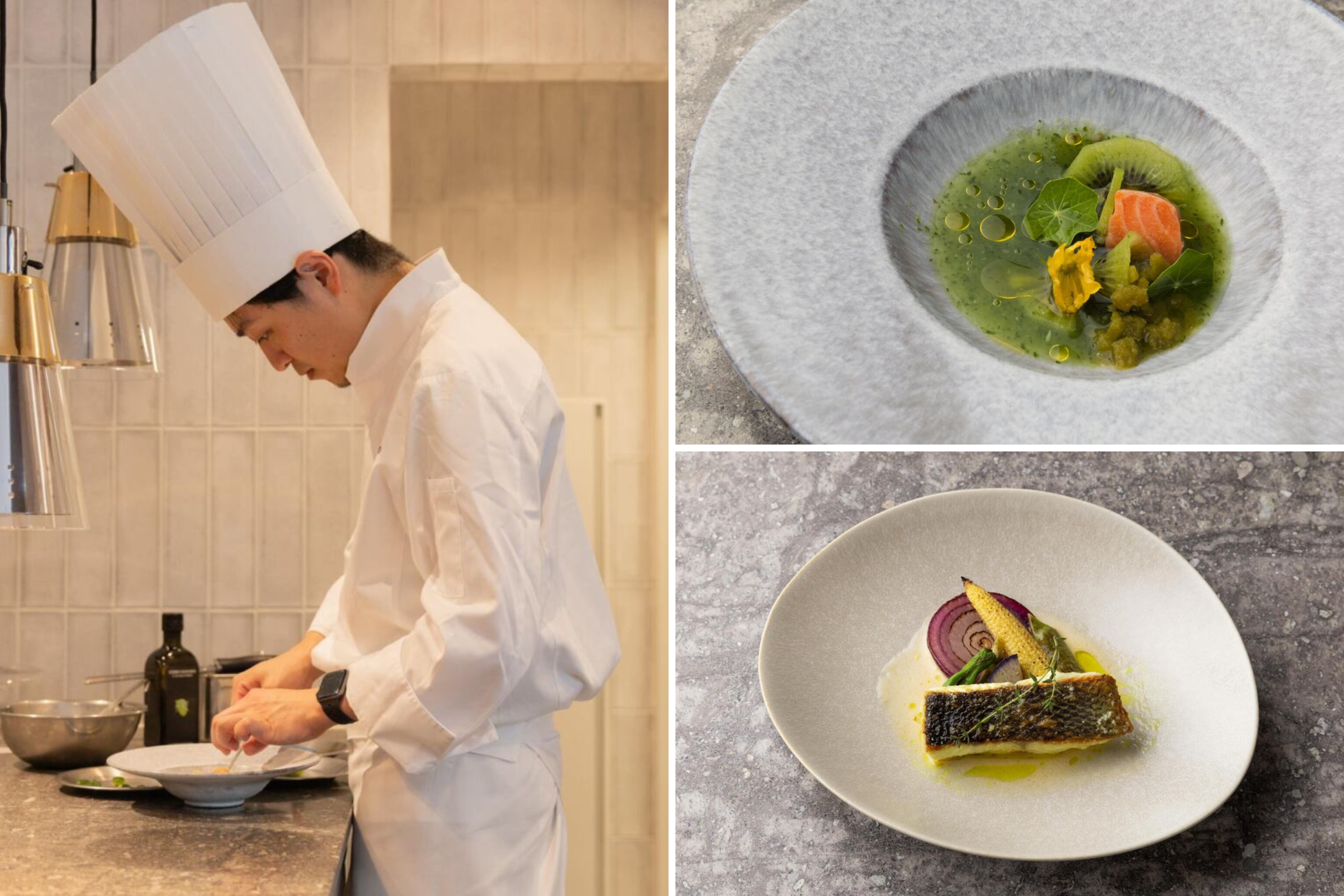
At the restaurant LA VIGNE DINING FUDO, what we treasure is “a dish you can taste only today.” Facing the bounty of the land that arrives each day, such as wild vegetables, mushrooms and highland vegetables, we build each plate.
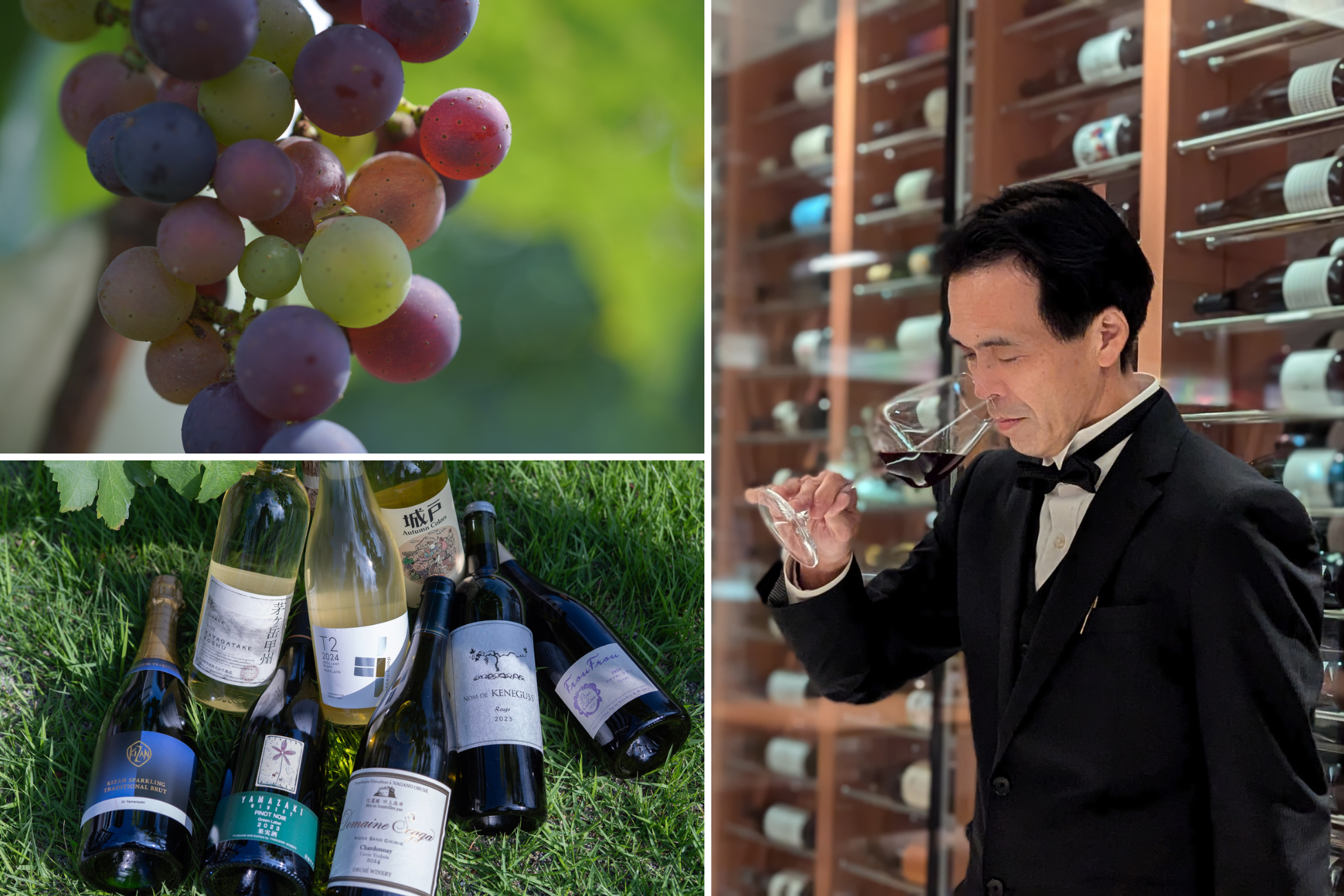
Paired with that cooking are more than 1,000 carefully selected Japanese wines. Wine concierge Hiroyuki Yoshida has for many years visited wineries and producers across the country, building relationships with makers.
Japan Alps, Kikyogahara, Tenryu River, Chikuma River, and the western foothills of Yatsugatake. Centered on Nagano’s five wine valleys, he chooses each bottle with the local climate, the soil and even the makers’ thinking in mind. He also makes an original wine, “Cuvée Yoshida,” in which he is involved himself from tending the vineyard through harvest, winemaking and bottling.
Throughout the seasons we also hold dinner events that bring winemakers to the hotel, where guests can learn about their work and background alongside the food.
Cuisine, wine, the crafts throughout the hotel. What we want to share with travelers here is not only the finished “things.” It is the work of people who, in this land, choose their materials, work with their hands and hone their skills to create something. By learning the background as well, we hope you will feel this land one step more deeply.
In this way, from its opening in 2024 to today, LA VIGNE HAKUBA has delivered once-in-a-lifetime stories, each for one day only, to many travelers.
A small doorway into knowing the land
Once, in Hakuba, those who knew the mountains showed travelers the way and welcomed them into their own homes. Walking the mountains required the wisdom of those who knew the paths. And along the journey there were meals made with what the land produced, and hospitality given by human hands.
Times have changed, but what we can do now is somehow similar. From a single dish, a single glass of wine, a craft you hold in your hand: that curiosity quietly widens toward the makers beyond and the land that nurtured the ingredients.
To meet another side of this land, one you would not notice by simply staying here. On this land that has long welcomed travelers, we will continue to weave a place that serves as a small doorway to it, a showcase for the region.