
[Speaker Report] GLOBALIZED by WOVN.io Inbound: Hospitality Strategy Toward 2030
2025 - 11 - 04
The future of the inbound stay experience, seen from the hotel industry
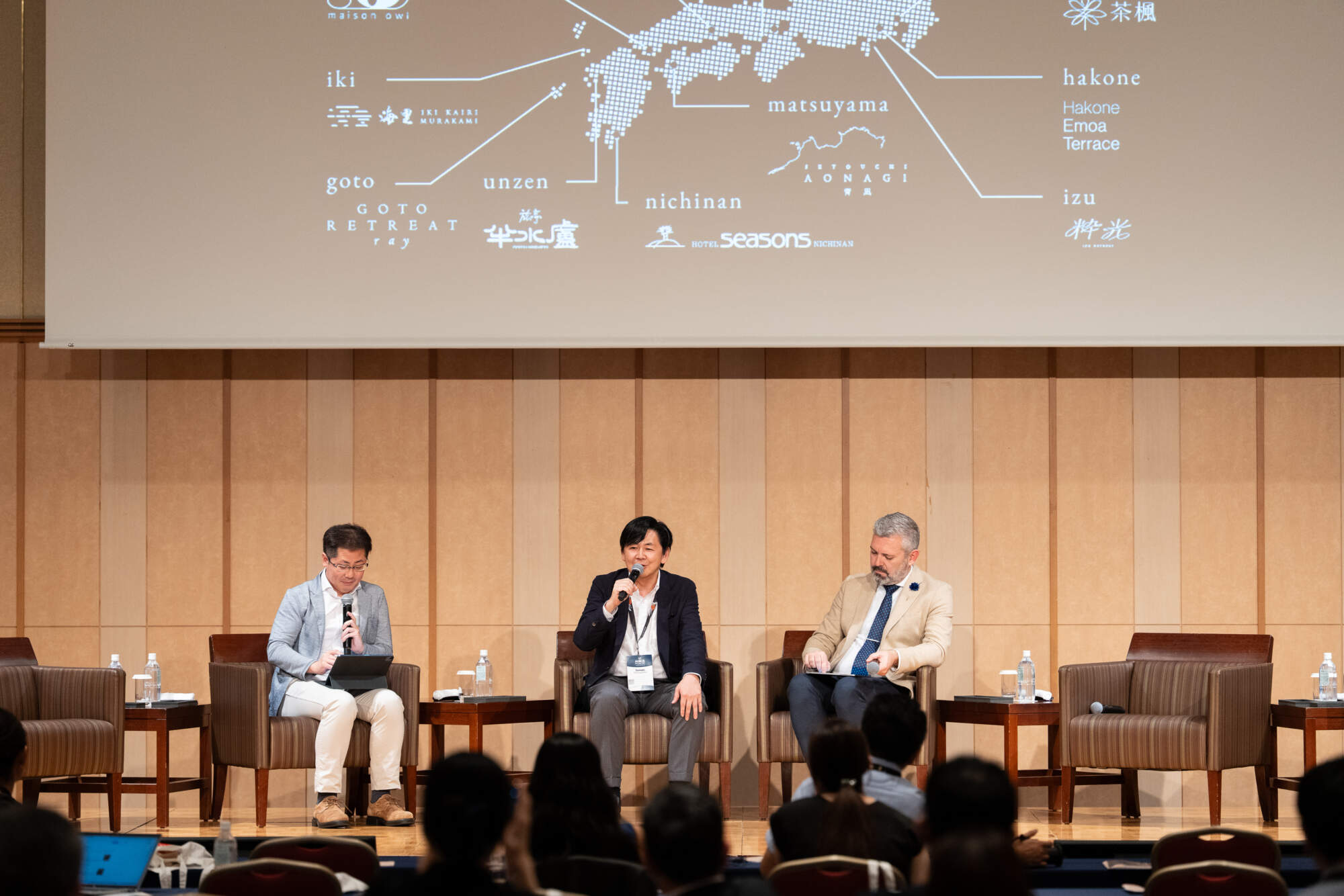
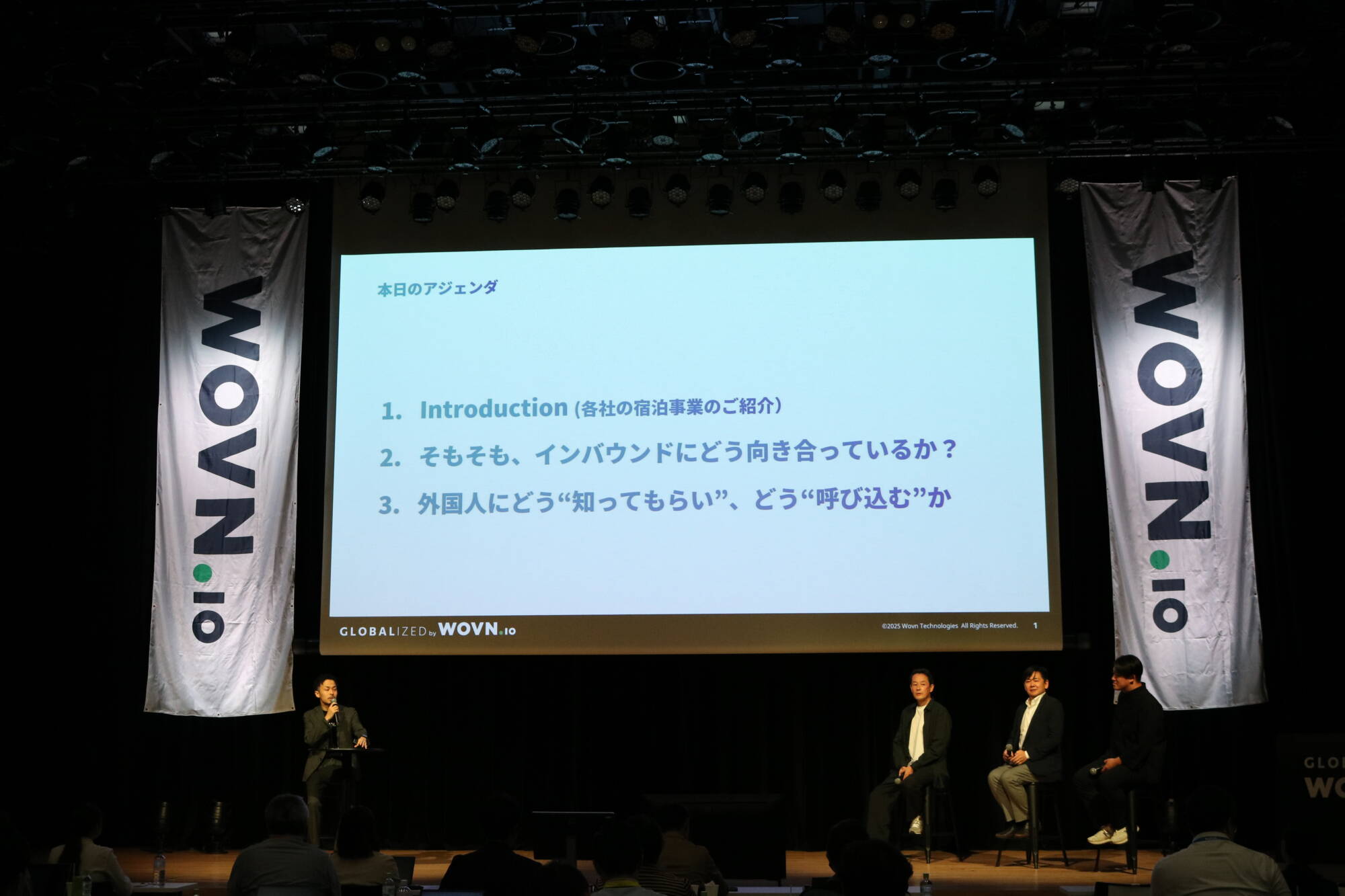
On Tuesday, October 7, 2025, at “GLOBALIZED by WOVN.io Inbound” (organized by Wovn Technologies, Inc.) held at Kanda Myojin Hall in Chiyoda-ku, Tokyo, our CEO Tomoki Matsuyama took the stage for a panel discussion themed “Diversification and Deepening of the Inbound Stay Experience: Hospitality Strategy Toward 2030.”
The event is a conference sharing the latest trends in the inbound market and the front line of technology use, under the theme “The World Will Love Japan Even More: Building Inbound Infrastructure with AI and Multilingual Support Toward JPY 15 Trillion.” With more than 2,000 registrations online and offline, it drew a full house, a sign of rising demand for travel to Japan.
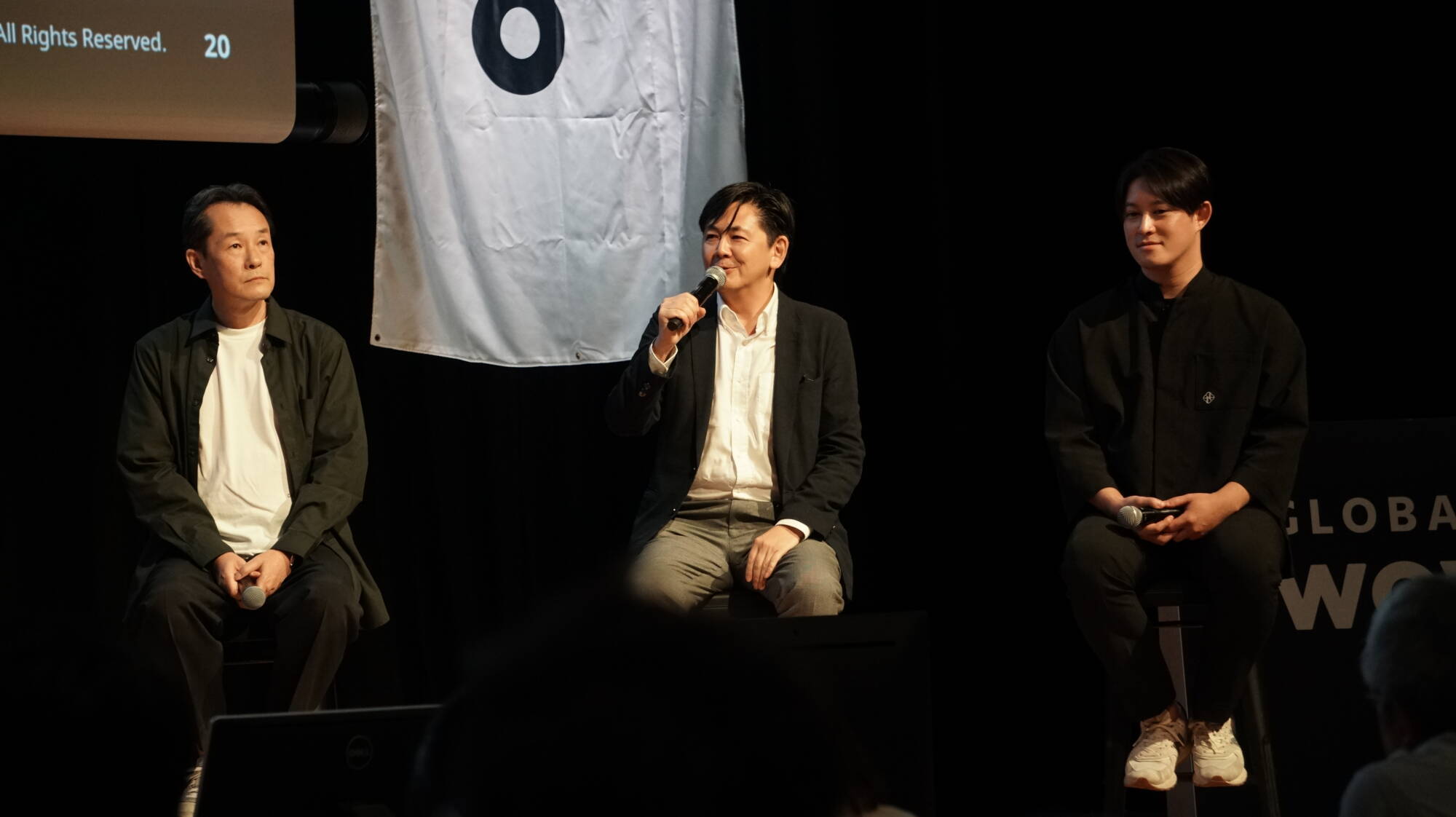
Joining our CEO Matsuyama on the panel were Ichita Nokawa, Director and Deputy General Manager of Hotel Operations at Kintetsu Miyako Hotels Co., Ltd., and Ryuichi Watanabe, CEO of Nazuna Inc. Three leaders of the accommodation industry came together to exchange views on hospitality strategy toward 2030 and the future of the inbound stay experience.
Regional Japan is the next main arena for inbound demand
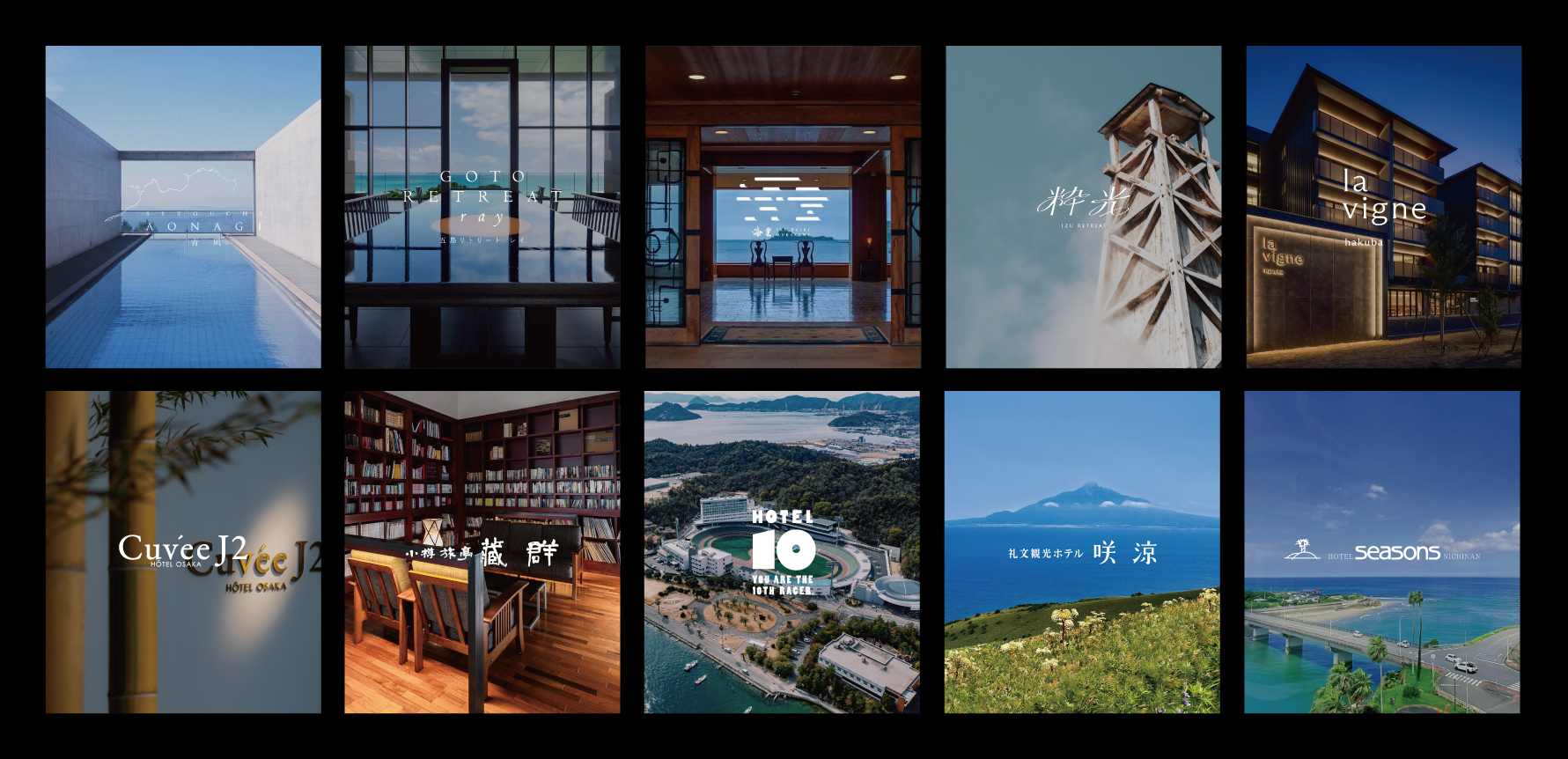
In the Onko Chishin portion, Matsuyama said, “Regional Japan is the next main arena for inbound demand.” Stepping beyond the tourism structure centered on urban areas such as Tokyo, Kyoto and Osaka, long known as the “Golden Route,” he said the key will be how to turn the culture, nature and way of life found only in the regions into experiences. Onko Chishin specializes in operating “destination hotels,” which function not merely as places to stay but as destinations in themselves. He explained that its hotels across Japan are designed as showcases of their regions, letting guests experience local culture and context through architecture, food and art.
How to convey a region’s history and people’s feelings, and elevate them into a stay experience: this attitude, he said, is the perspective tourism will need going forward, and the quality of “story design” will become ever more important.

A regional-led inbound strategy leads to a “new journey in Japan”
Toward the end of the session, he touched on the government’s goal of “60 million foreign visitors to Japan by 2030” and noted that urban airports alone have limits on how many visitors they can accommodate. Going forward, regional airports and the regions themselves must take the leading role, he said, and spoke of the need to share new aspects of Japan’s appeal, such as the regional culture, nature, craftsmanship and food that even Japanese people have overlooked.
Through this session, we reaffirmed Onko Chishin’s position in the small luxury hotel segment and shared the potential of a regional-led inbound strategy.