
[Speaker Report] Zhangjiajie Global Tourism Innovation Week, China: Old Buildings Can Tell New Stories, Too
2025 - 10 - 02
New Stories Told by Old Buildings
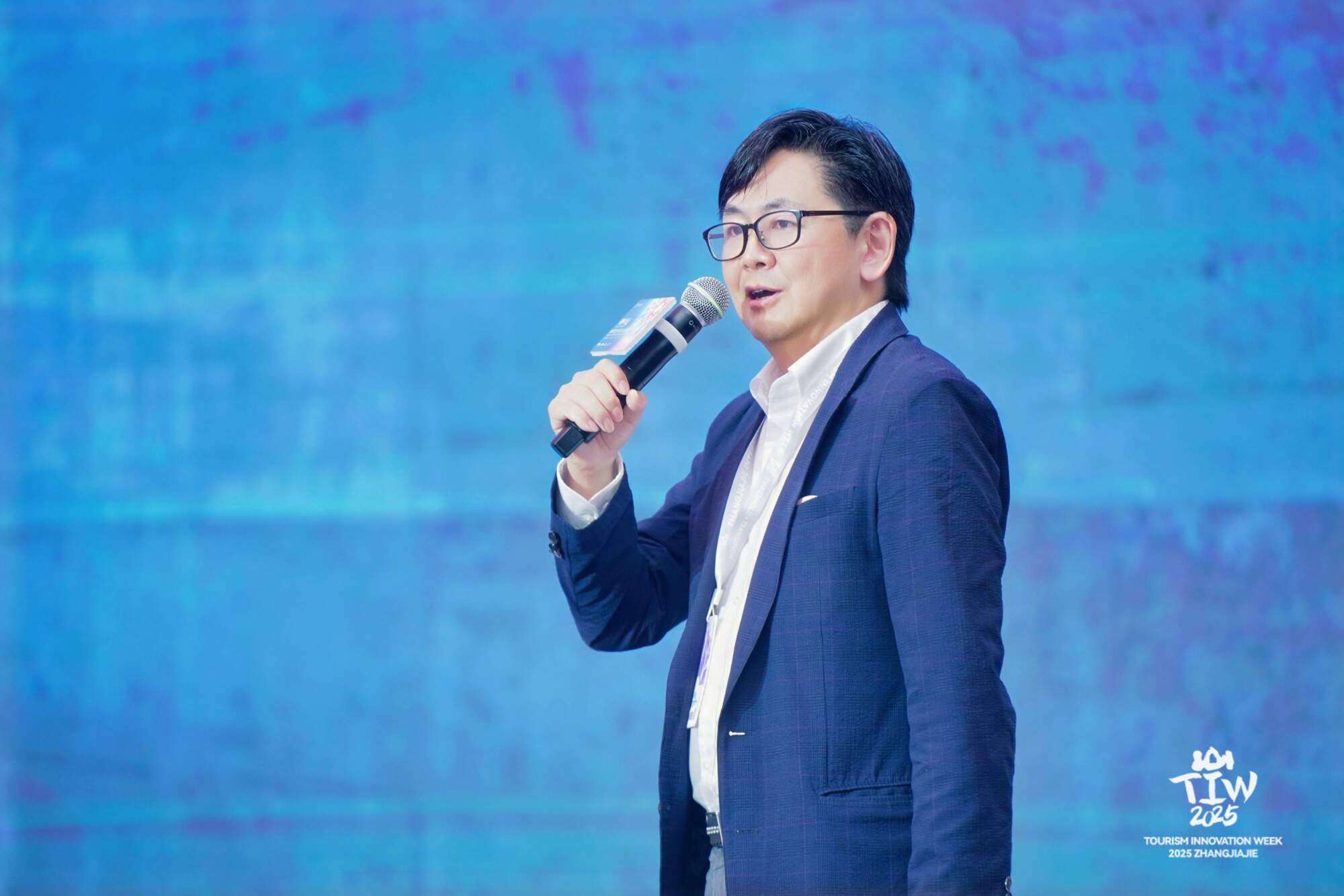
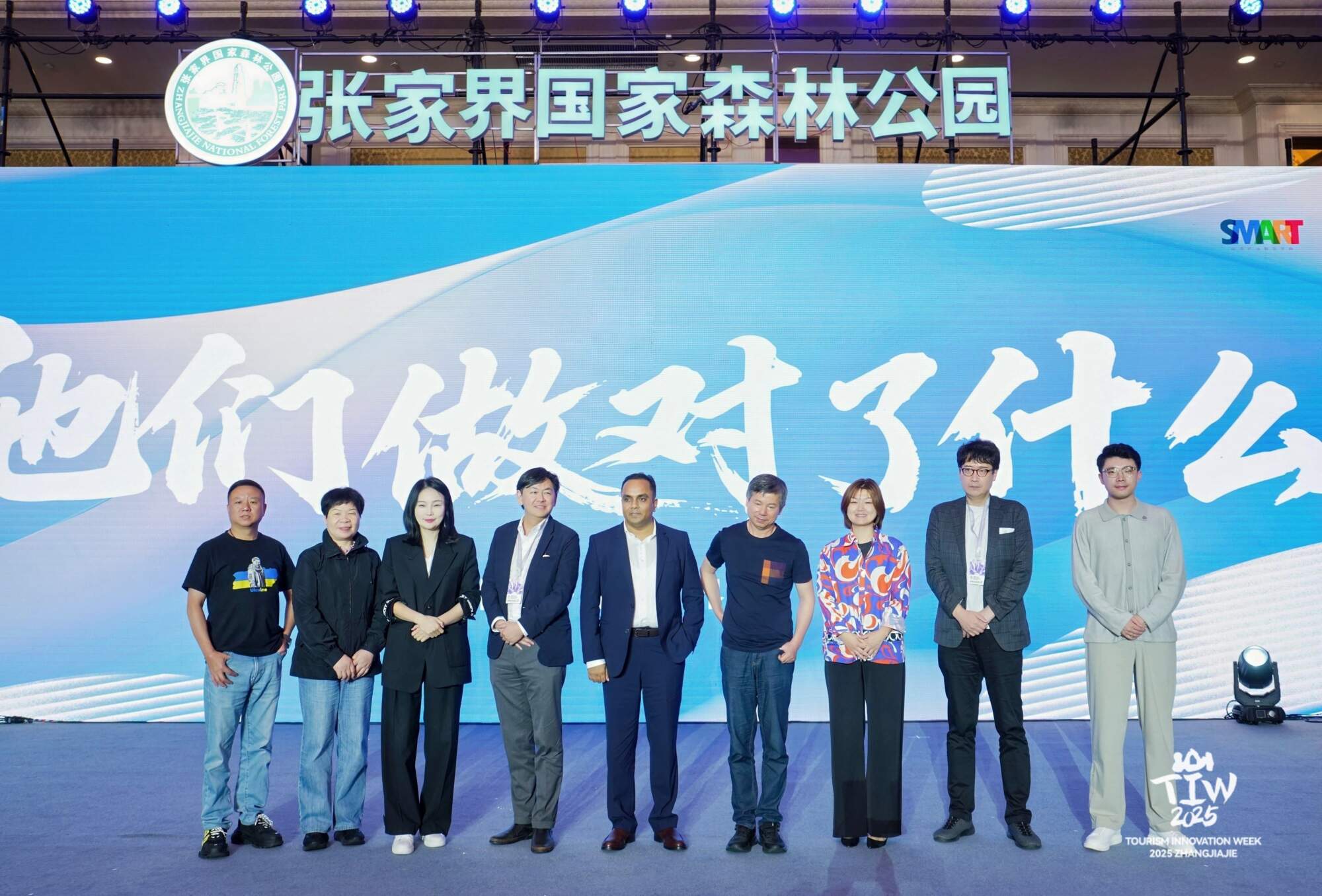
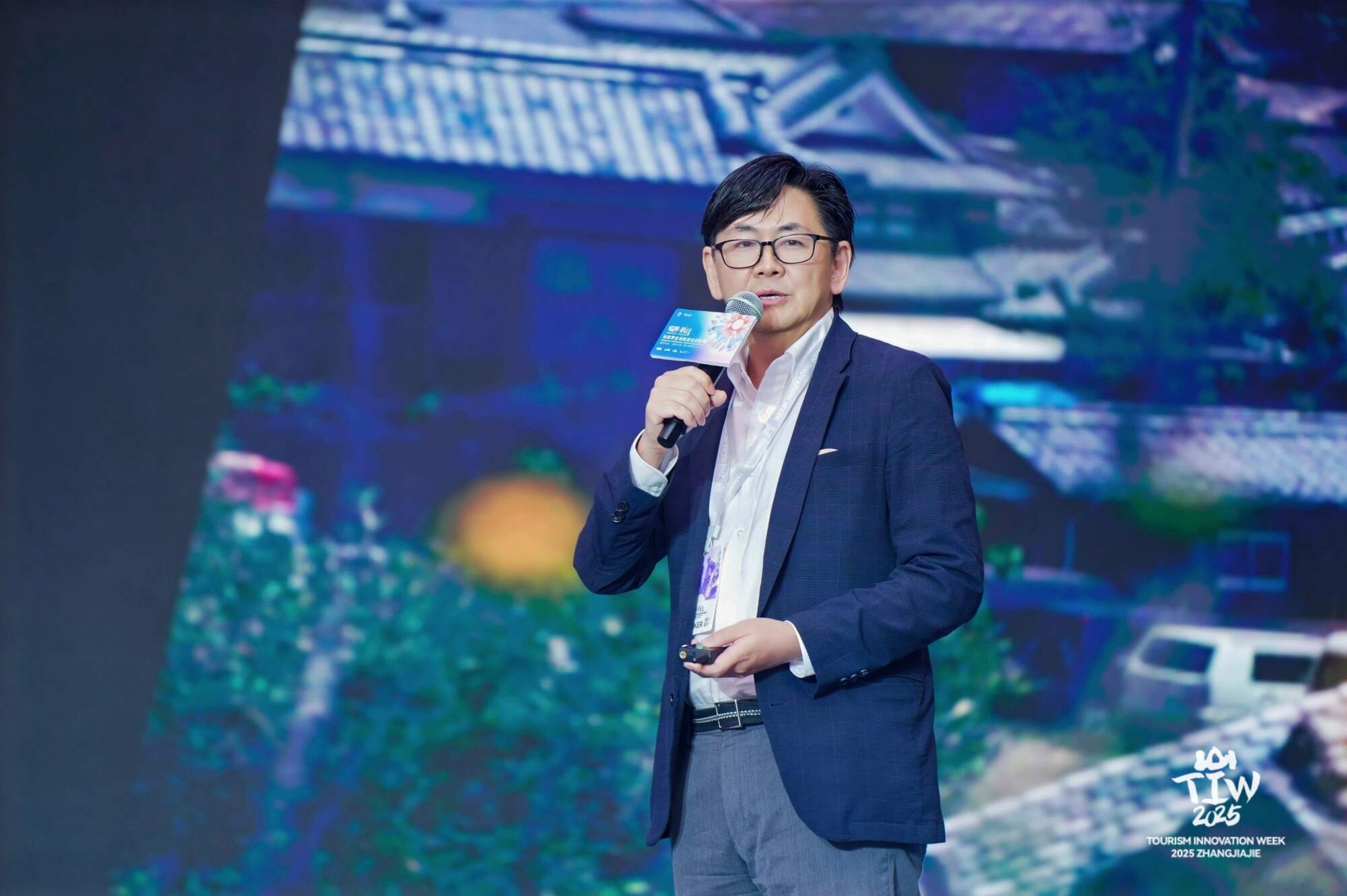
From September 26 to 28, 2025, our CEO Tomoki Matsuyama spoke at the 2025 Zhangjiajie Global Tourism Innovation Week, held in Zhangjiajie, Hunan Province, China, delivering a talk titled “Old Buildings Can Tell New Stories, Too.”
The theme of the conference was “long-termism,” a management philosophy that aims at sustainable value creation and long-term growth rather than the pursuit of short-term results. Leaders of companies representing Asia’s tourism and accommodation industries gathered to discuss how to keep pursuing essential value in a modern tourism industry prone to excessive competition.
Our Practice of “Long-Termism”
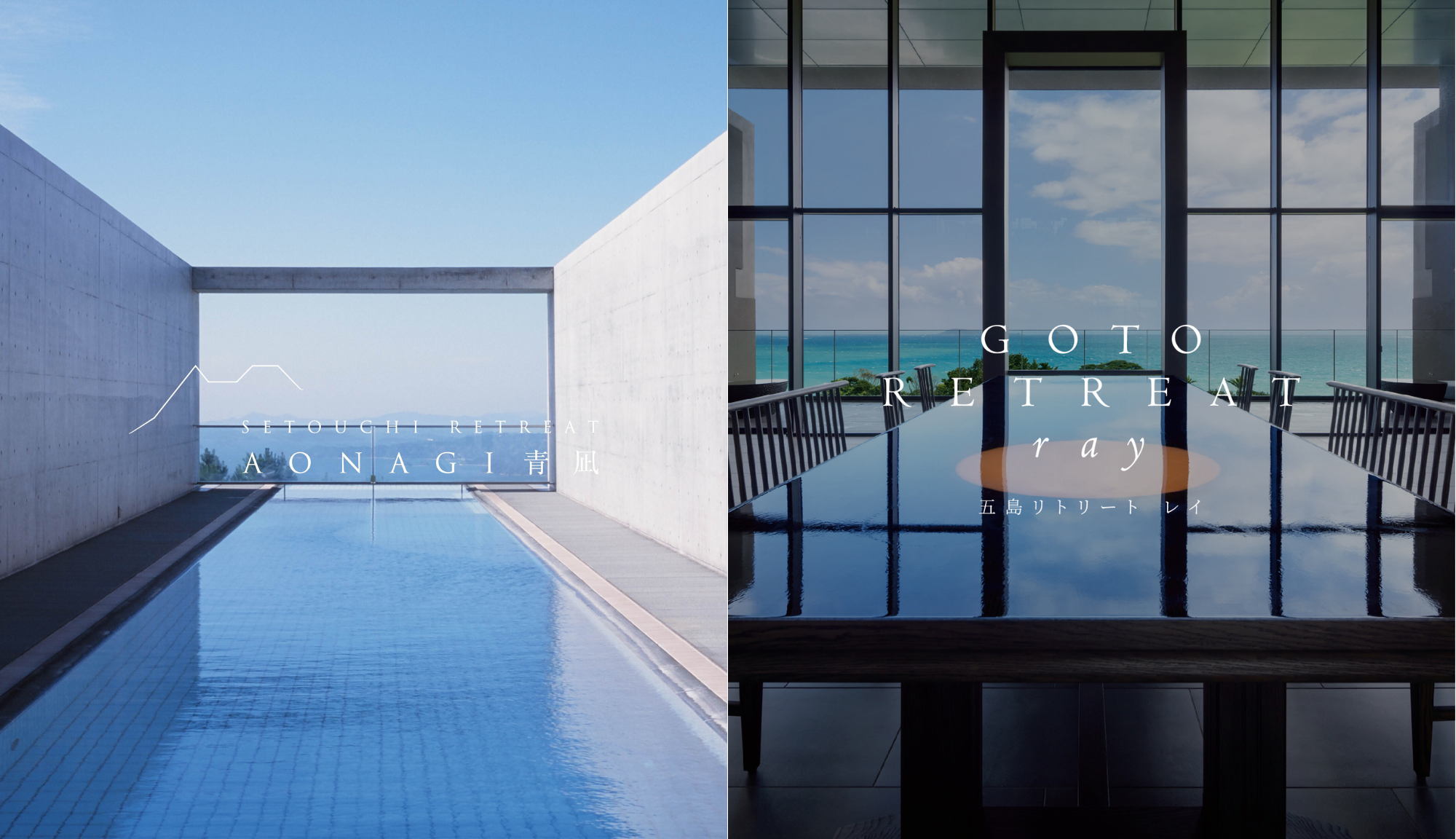
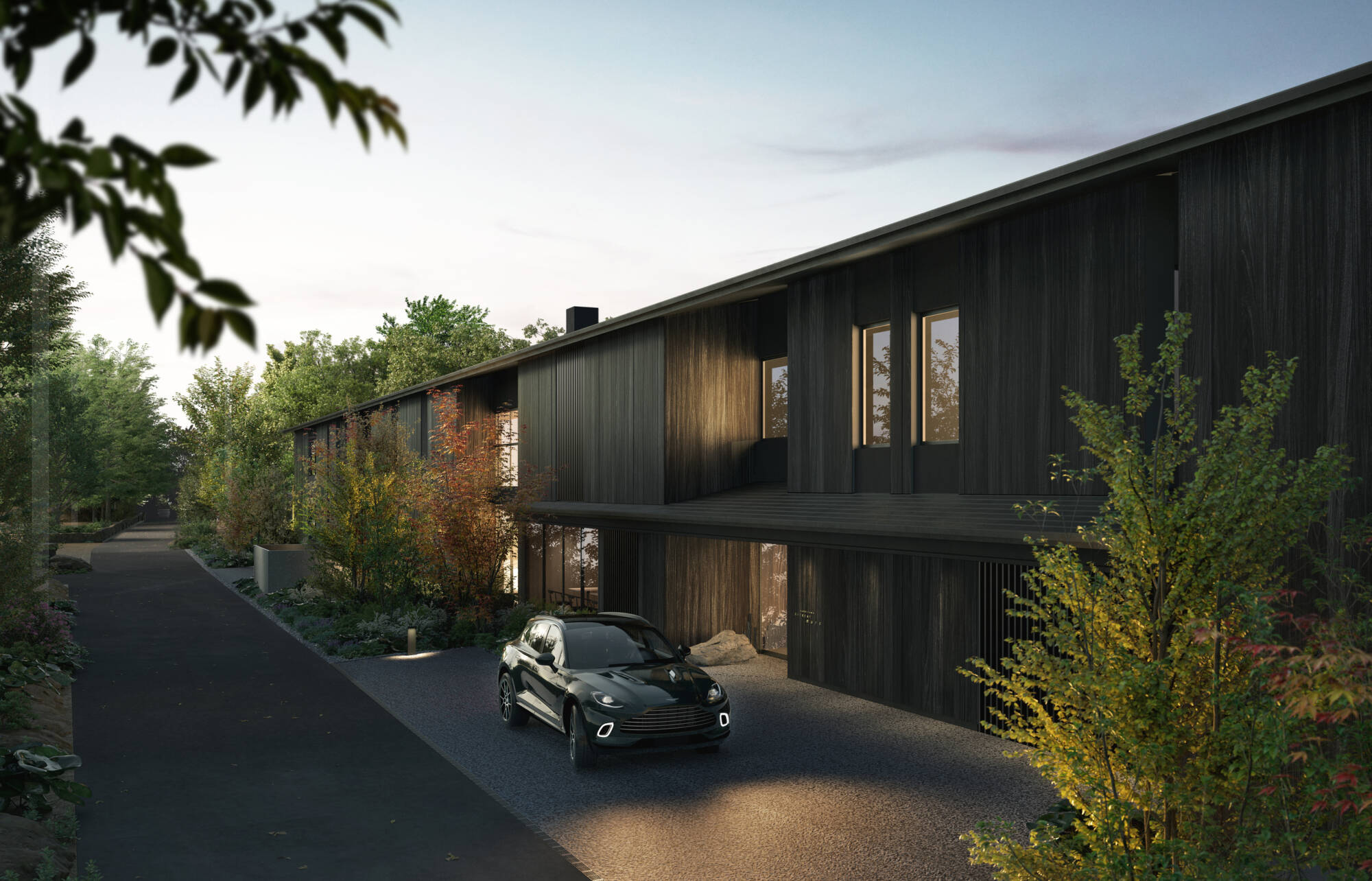
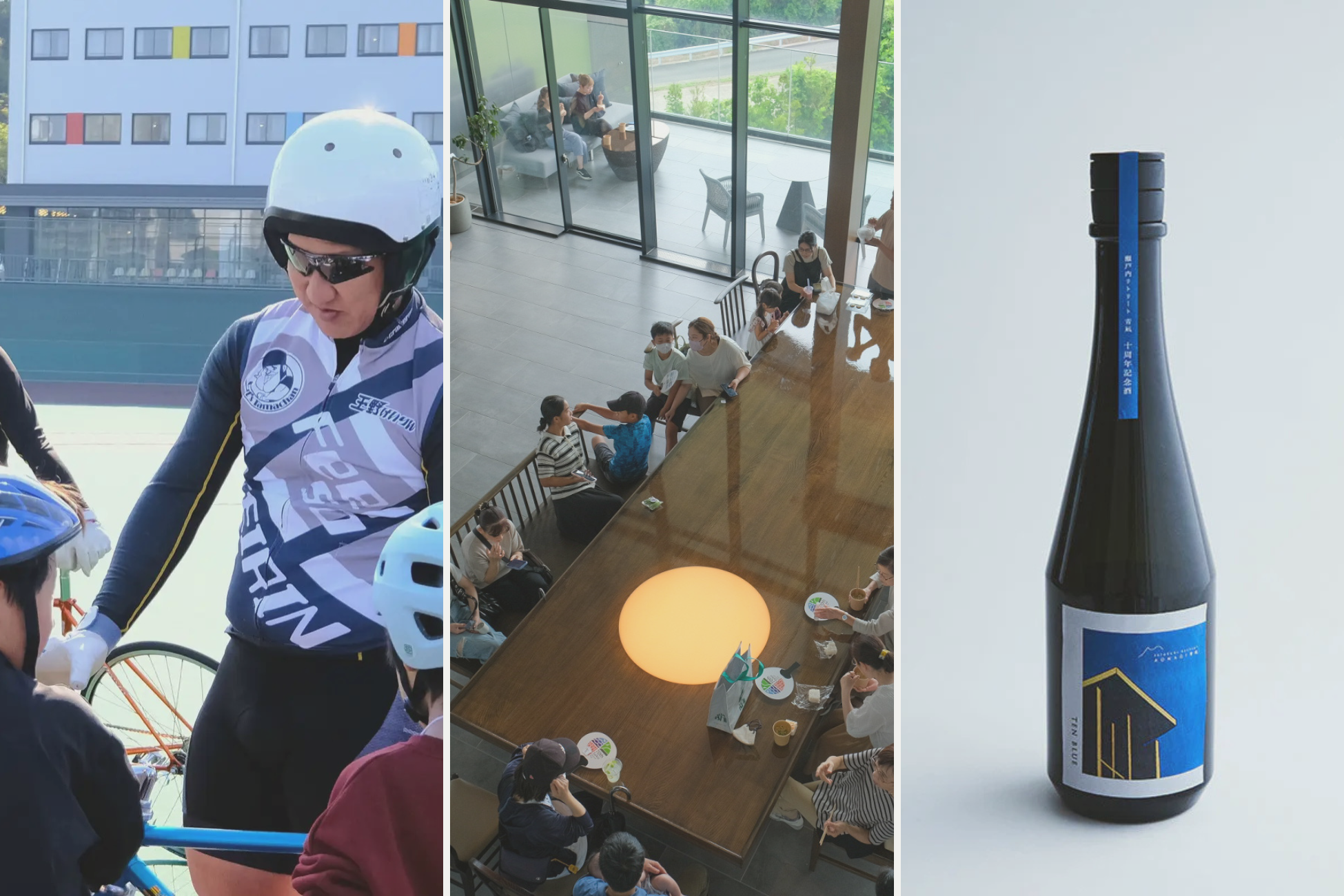
In the talk, he described the company’s path since its founding in 2011, committed to the prosperity and sustainable development of local communities. Specializing in succeeding to the business of existing lodging facilities and operating “destination hotels” that can become destinations in themselves, we shared concrete examples of hotel management based on “long-termism” in a tourism industry prone to wars of attrition over service and price (known in Chinese as “neijuan,” or involution).He introduced our efforts to uncover local history and culture and weave new stories through properties we operate in various regions, such as SETOUCHI RETREAT AONAGI by Onko Chishin, GOTO RETREAT ray by Onko Chishin and CUVEE J2 HOTEL OSAKA by Onko Chishin, as well as a project in Takaoka, Toyama Prefecture. He also spoke about heartfelt service delivered through small-scale operations, values education that shares a sense of mission rather than relying on manuals, and a management philosophy that regards a hotel as a “medium” for passing local culture to the next generation.
Timeless Value, Precisely Because of the AI Era
The talk closed with words full of strong hope and conviction, shining a light on the timeless value of “authentic culture” and “warm human service,” which cannot be replaced precisely in the age of AI, and on growing sustainably together with the region.Our hotel management model based on this “long-termism” resonated deeply with the audience as offering new insights into the future of global tourism.