
[IZU RETREAT ATAGAWA SUIKO by Onko Chishin] From Memories of a Showa-Era Hot Spring Town to a Travel Destination: The Path to the November 1, 2025 Reopening
2026 - 06 - 10
The memory of Atagawa
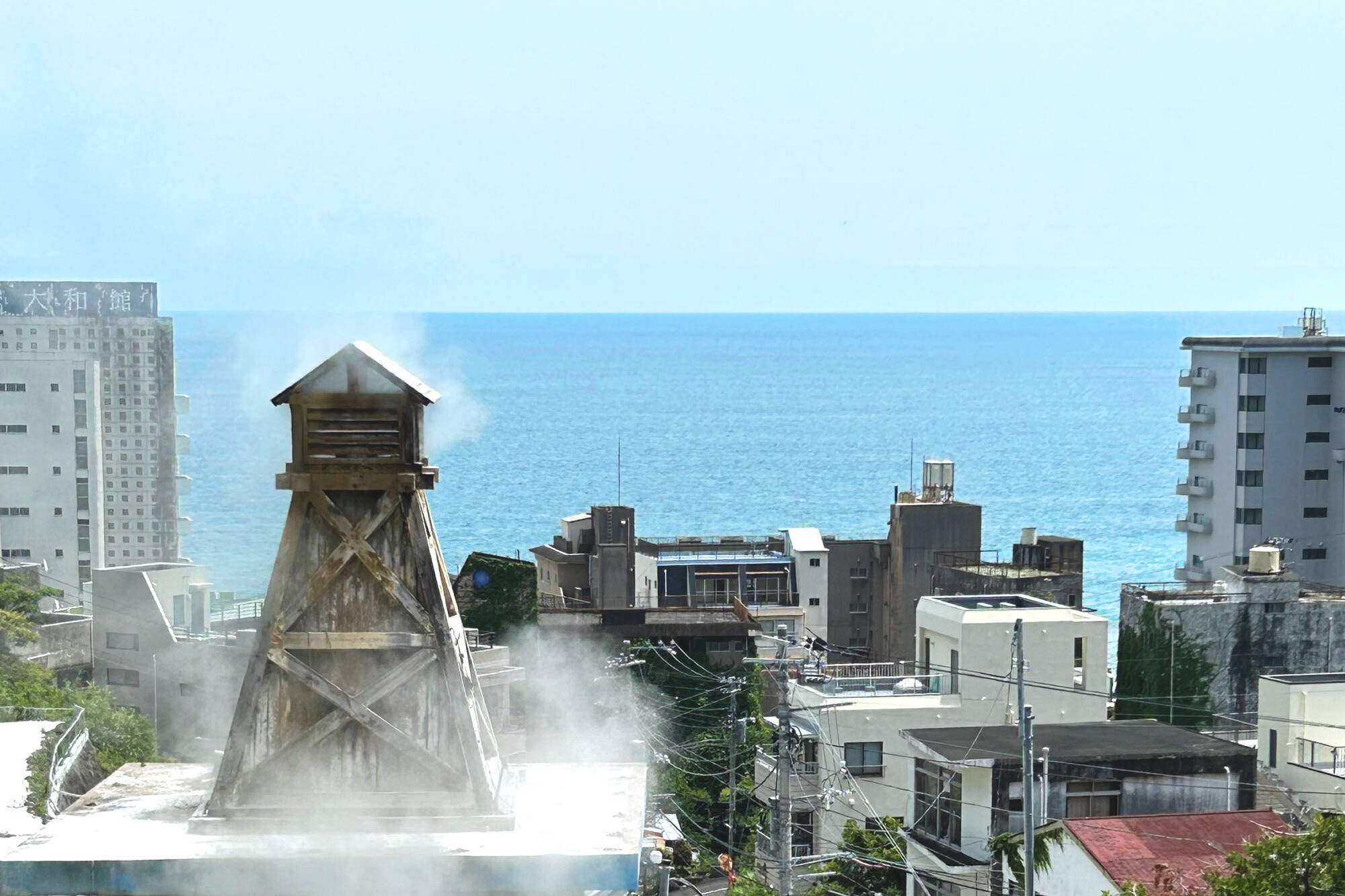
The name “Atagawa” comes from the boiling water that once gushed from the shore like a river.
The source is said to have been discovered in the Muromachi period by Ota Dokan, whose name is carved into the history of the building of Edo Castle, when he saw a monkey bathing to heal its wounds.
The source temperature is nearly 100°C. Steam rises ceaselessly from above the source wells, and has long shaped the atmospheric scenery of the Atagawa hot spring town.
In 1961, the opening of the Izukyu Line brought direct trains from Tokyo, and Atagawa Onsen developed rapidly. With abundant water and high temperatures, it flourished from 1975 to 1985 as a destination for group and family trips. Later, however, as travel styles changed, visitors declined and abandoned buildings came to be left throughout the town.
Precisely because no large-scale redevelopment took place, the town’s steam and onsen towers, together with a streetscape that feels as if time has stopped, have been passed down to the present. This memory unique to Atagawa became the starting point of the renovation.
The concept: “Nostalgic Luxury”
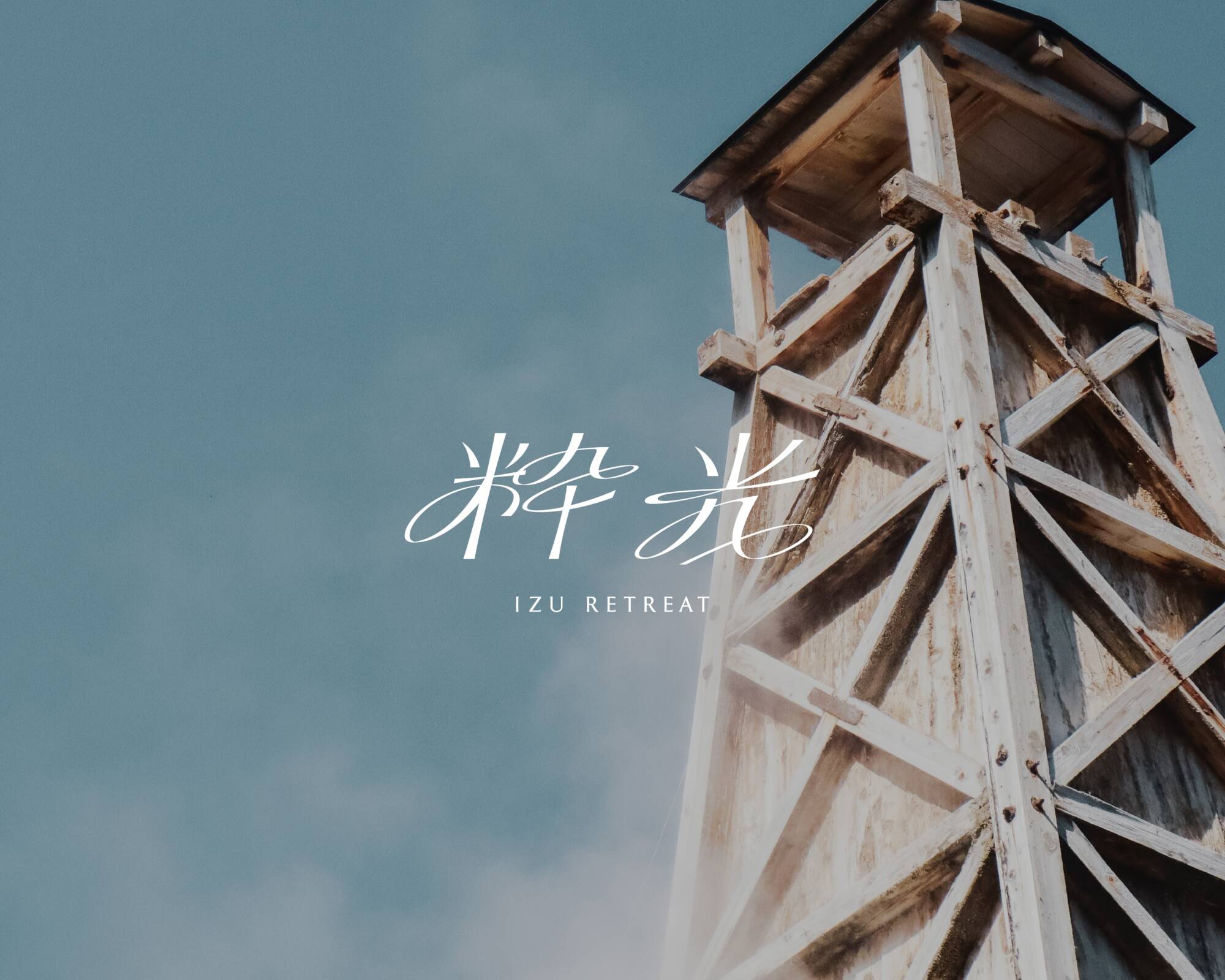
To protect what is good and old while breathing new life into it, and to rediscover the richness that dwells in things that have aged. Onko Chishin, which produces destination hotels, carried on the context of the place, and the concept that emerged is “Nostalgic Luxury.”
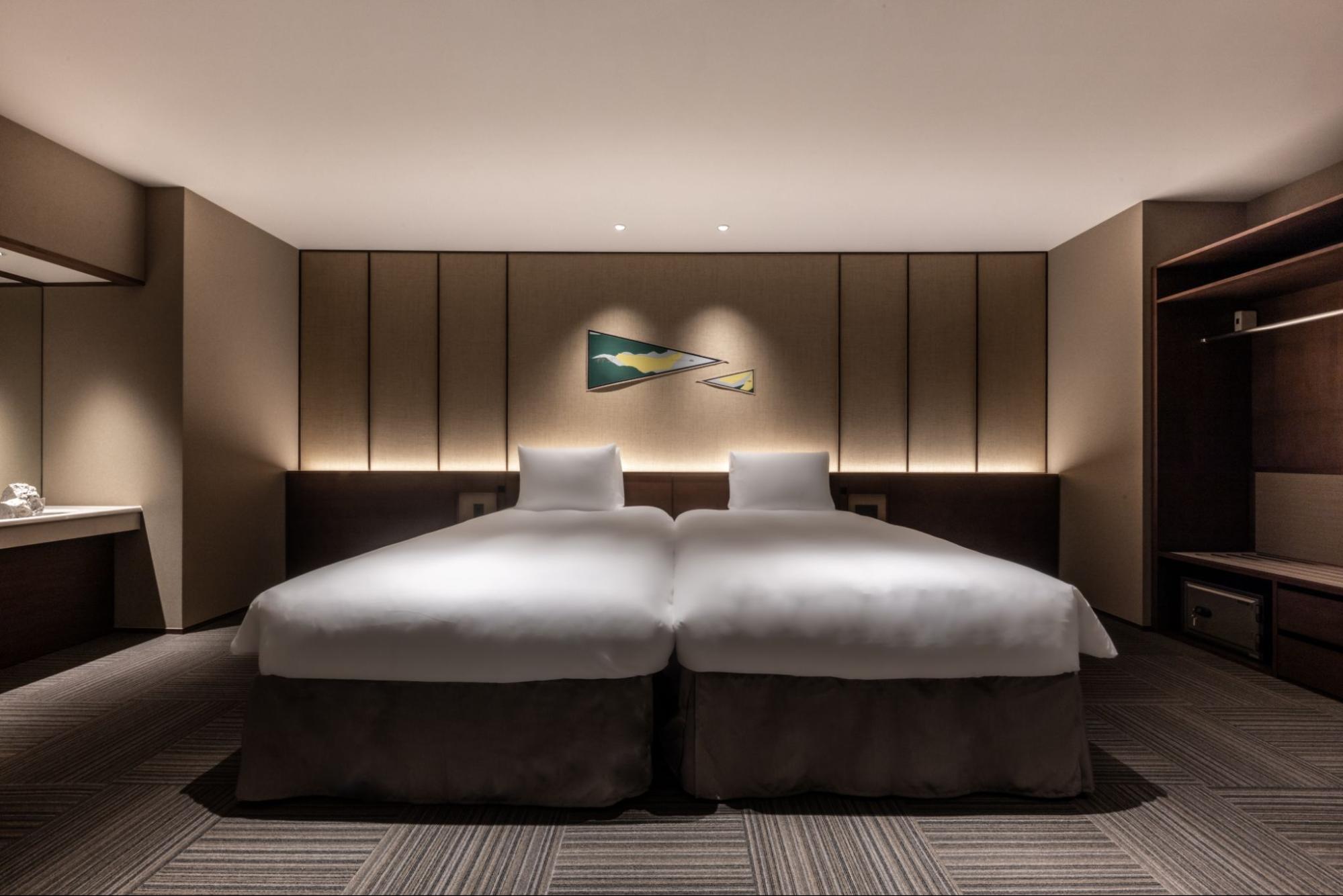
Architect Kota Segawa designed spaces that shed light on the memory of Atagawa’s heyday and let guests feel the analog warmth and tactile quality now fading from the modern world.
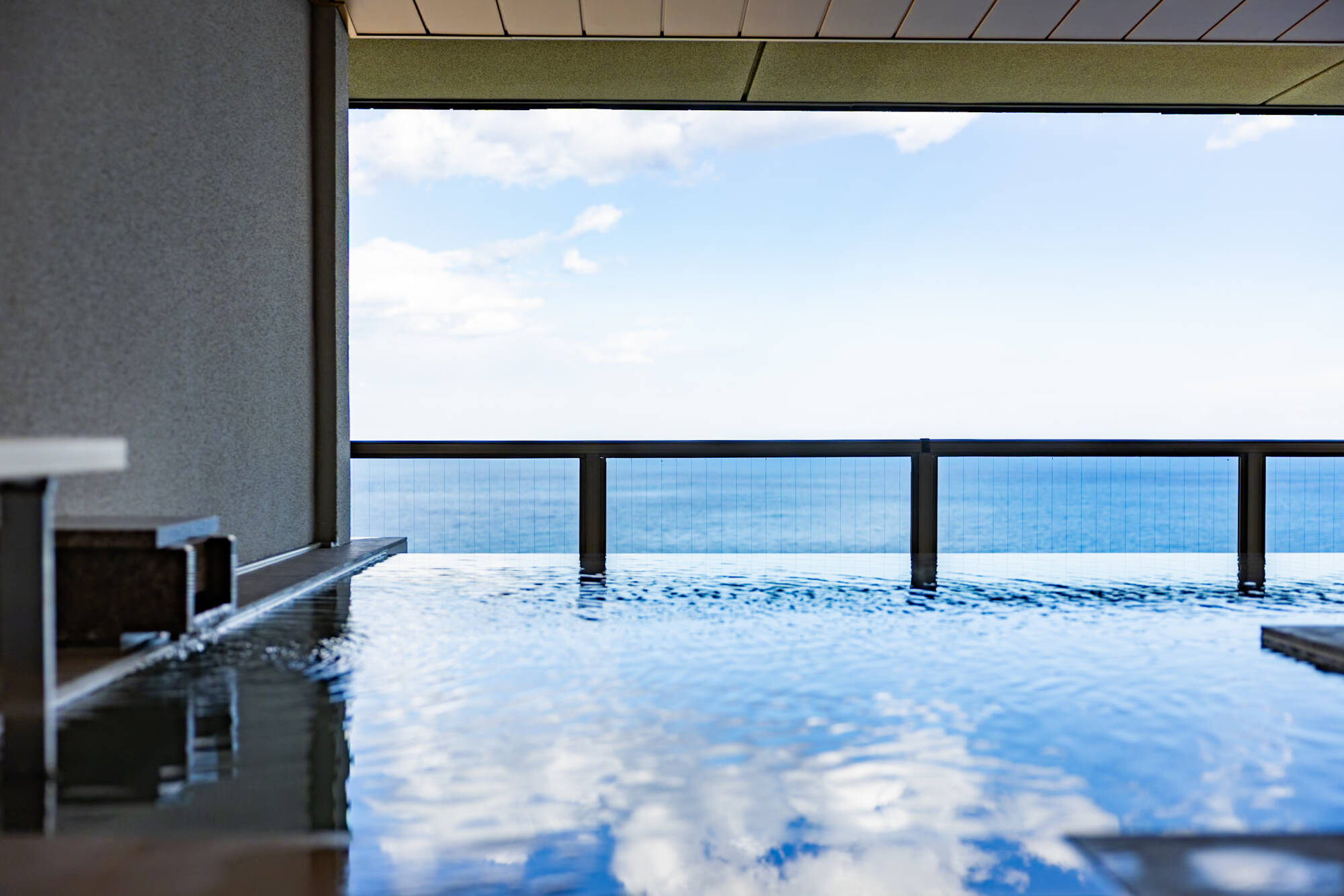
To allow guests to relax in generous space, the original 24 rooms were reconfigured into 16. Every room is now a luxury room of 87 to 200 sq m, and all 16 have an open-air bath, so guests can enjoy bathing with ocean views from any room.
We drew on the culture and tastes of the 1970s and 1980s, when the inn was founded, in the design. Through the warmth found in a nostalgia lost to today’s world, we aimed to create an inn where guests encounter a new sensibility.
From the communal bath to a suite: nostalgia and privacy together
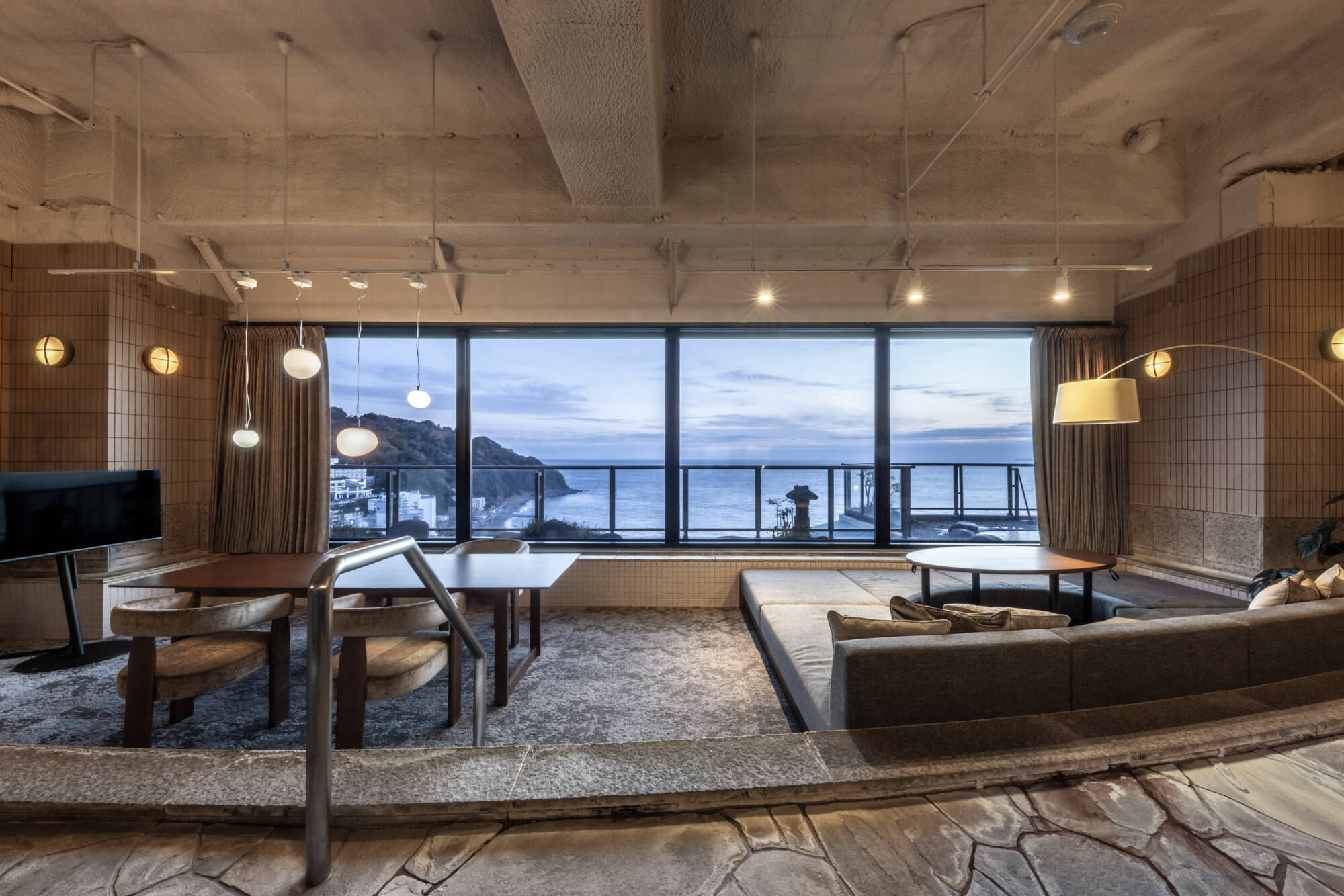
The large communal bath, where many guests once shared the water, was combined with the privacy today’s travelers seek and re-edited into a space where Atagawa’s hot spring culture can be enjoyed as a personal, luxurious time.
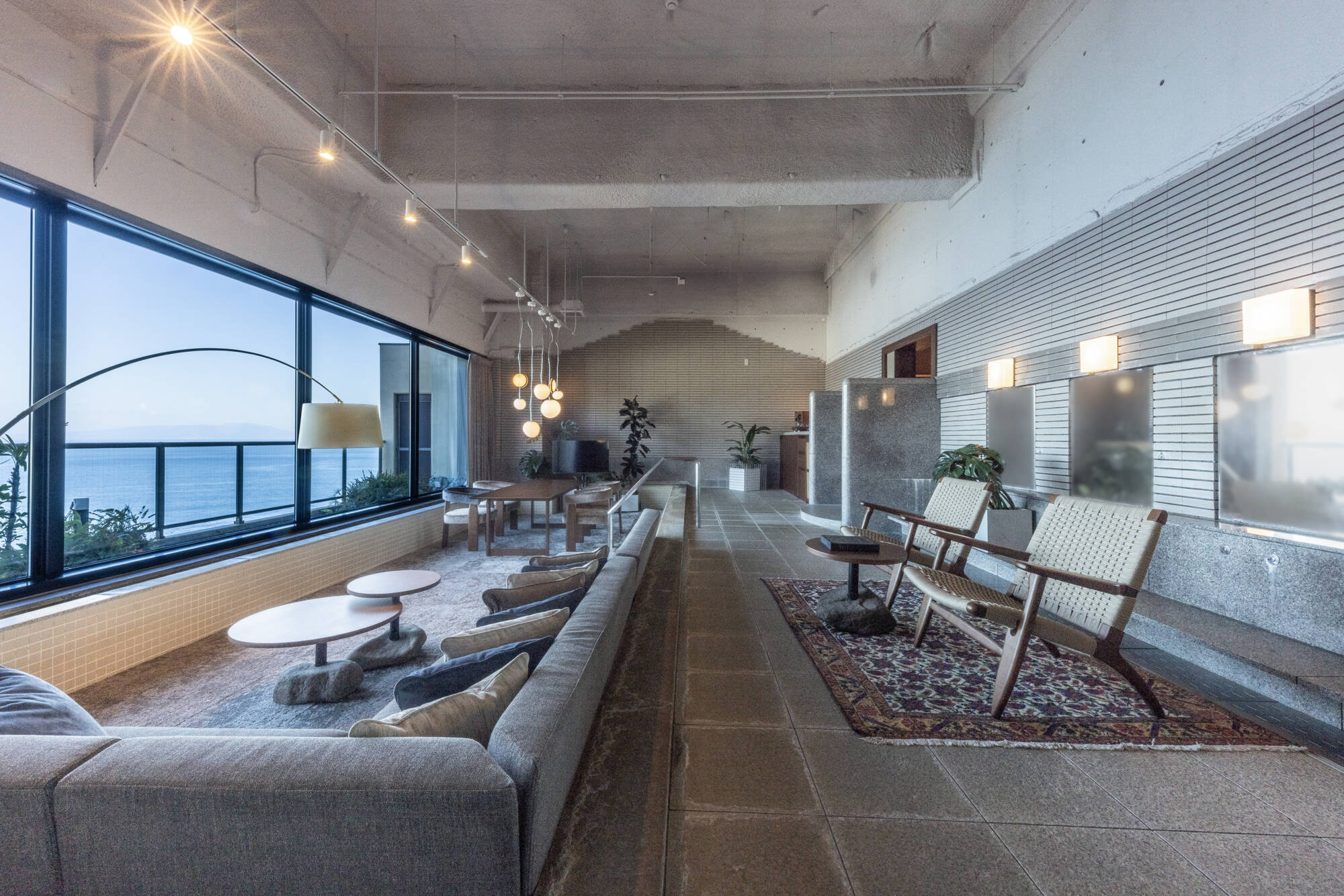
The indoor bath area keeps the structure of the time as it was. The stone paving and the mirrors at the washing stations were deliberately left, and old photographs of Atagawa are displayed as artwork.
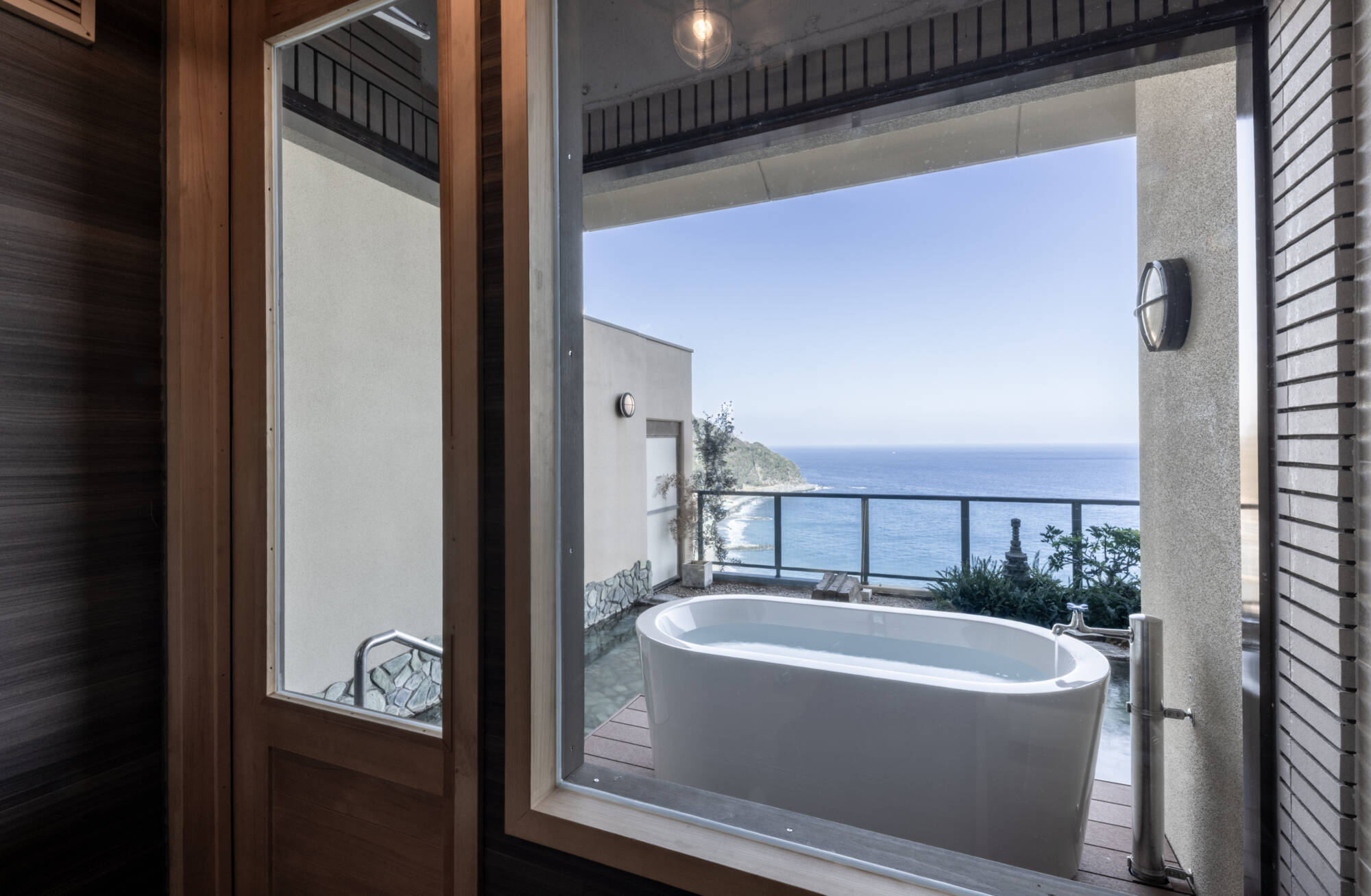
The open-air bath of about 20 sq m became the in-room open-air bath as it was. With a sauna added, the traditional culture of bathing has been elevated into a modern wellness experience.
A philosophy of upcycling: inheriting rather than discarding
A philosophy of upcycling: inheriting rather than discarding
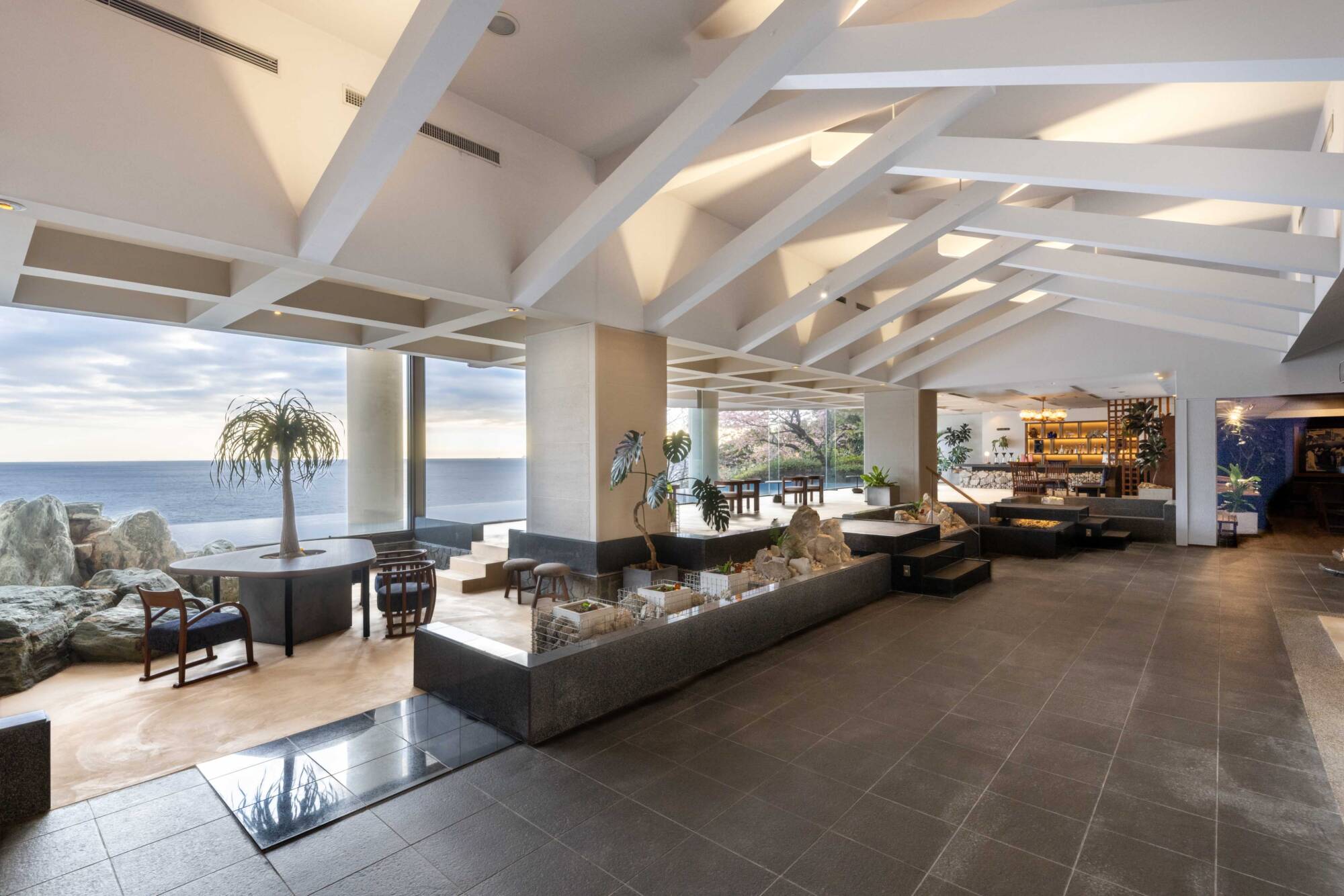
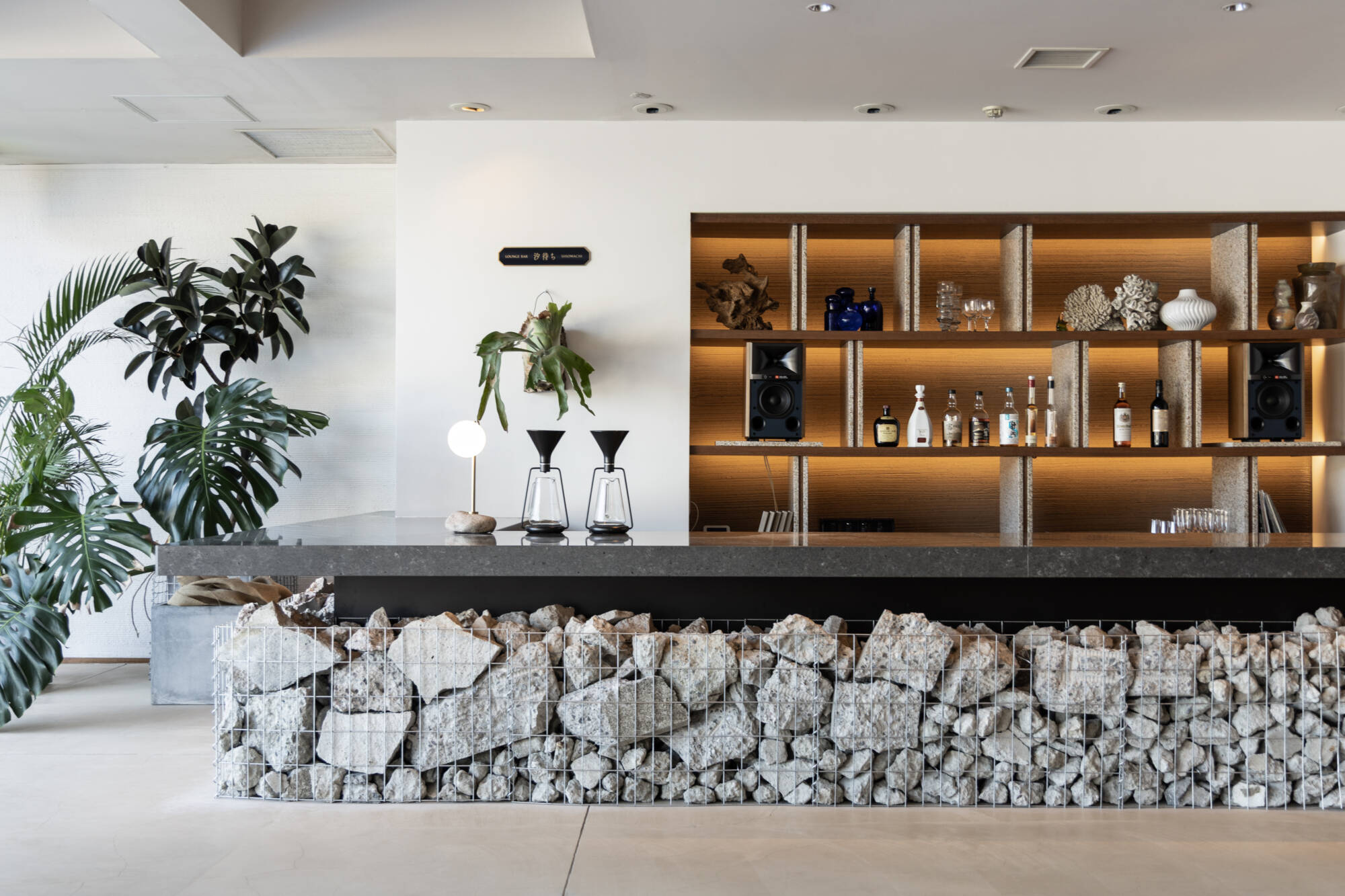
Concrete rubble removed during the renovation has been placed back in the building as lobby artwork and room signage. As the Atagawa area is known as the place where stone was quarried for the construction of Edo Castle, it is displayed not as waste but as “something that carries history forward.”
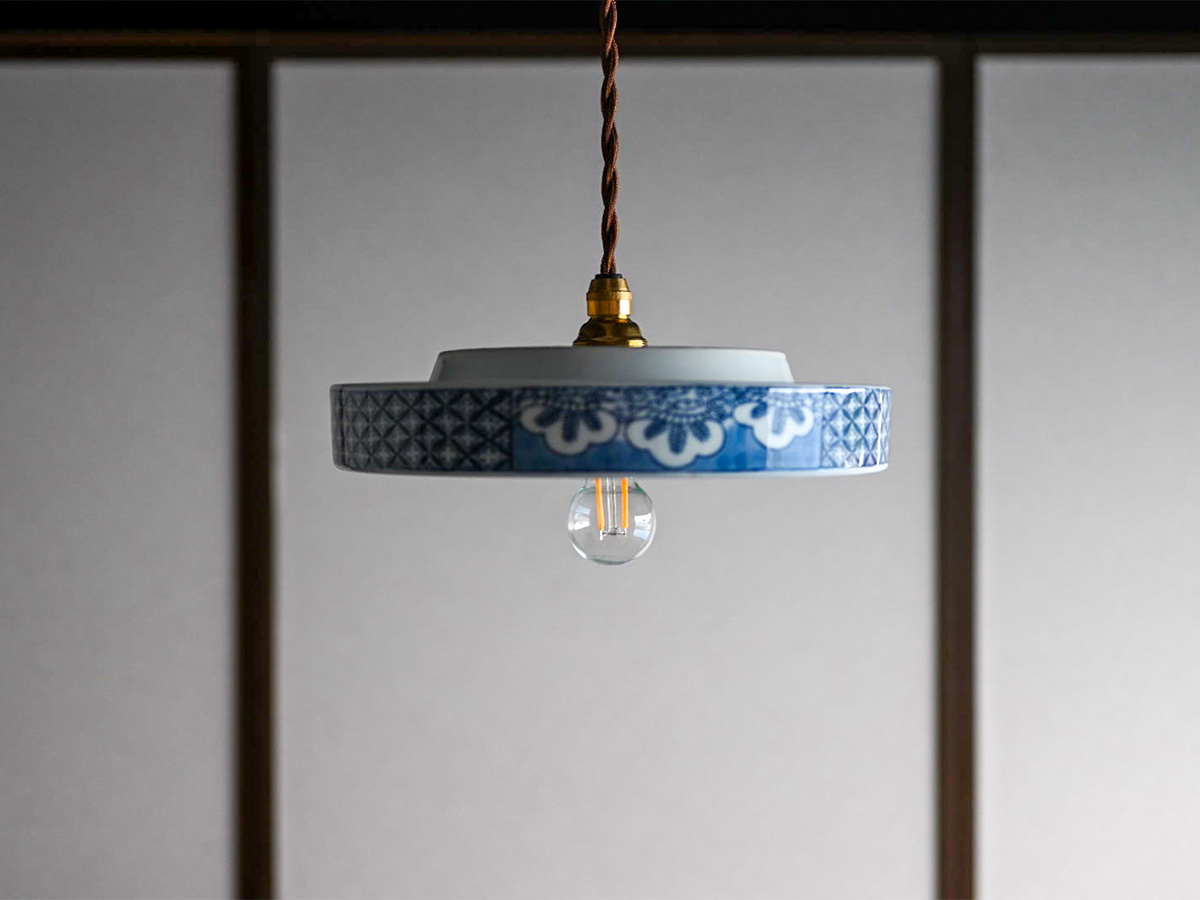
Ashtrays and tableware used in the past were repurposed as lighting covers in the restaurant and public areas. The safes, telephones and tea chests remaining in the rooms were refinished in line with the brand colors and design, and live on as active accents.
In addition, the chairs in the lobby and rooms were reupholstered from those once used in the lobby and rooms, and in new form welcome guests once again.
The chandelier in the lobby was once used in the old table tennis hall. Its fine scratches and variations in color add depth and warmth to the space.
The liveliness of the 1970s and 1980s lives on in the building
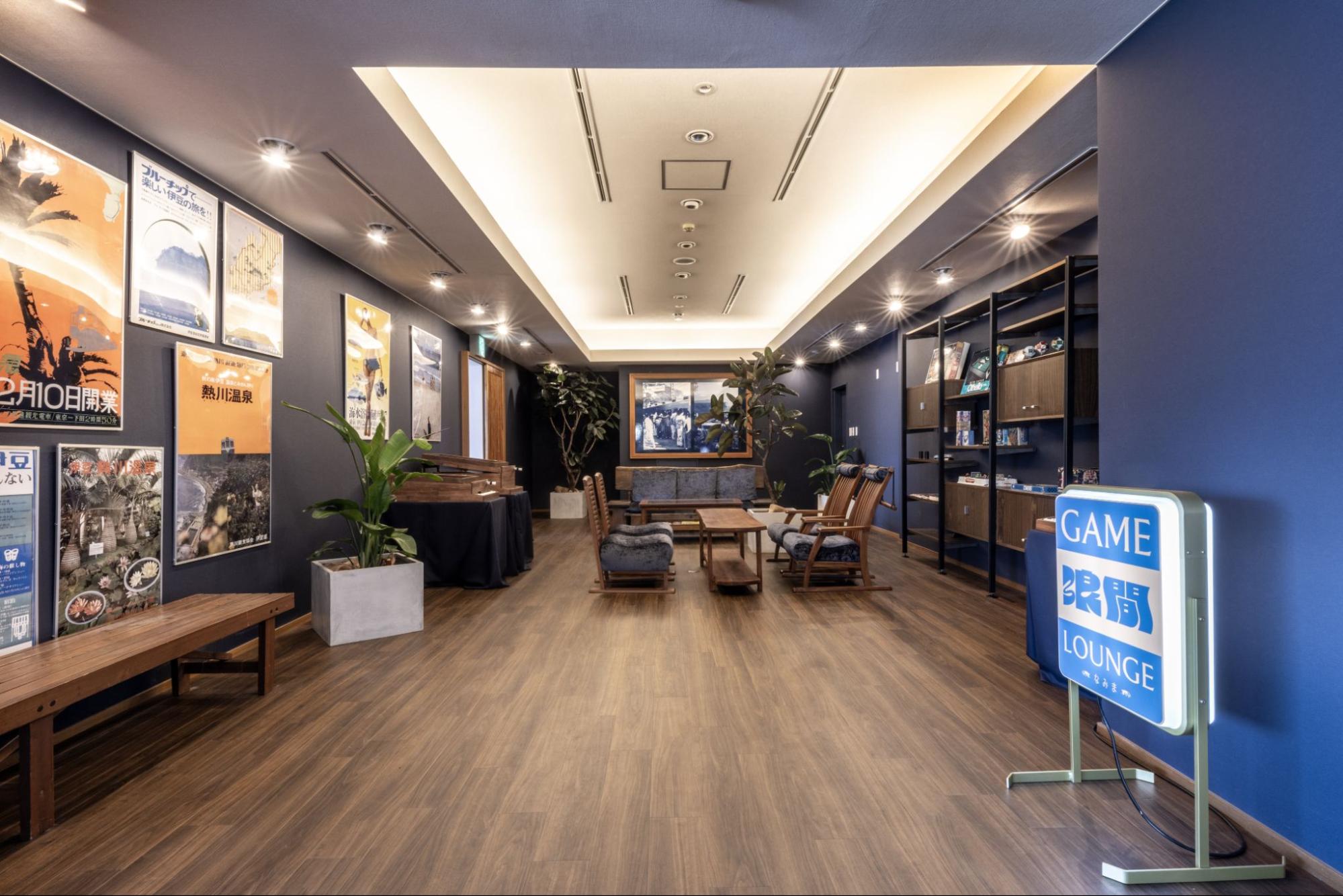
Throughout the building, Showa-era posters and photographs lent by local residents, along with a record collection centered on music of the 1970s and 1980s, convey the bustle of the heyday to this day.
The game lounge “Namima” is furnished with smart ball and analog games, and the lounge bar “Shiomachi” serves Shizuoka craft drinks to Showa-era pop songs played from records.

Starting here, together with the community
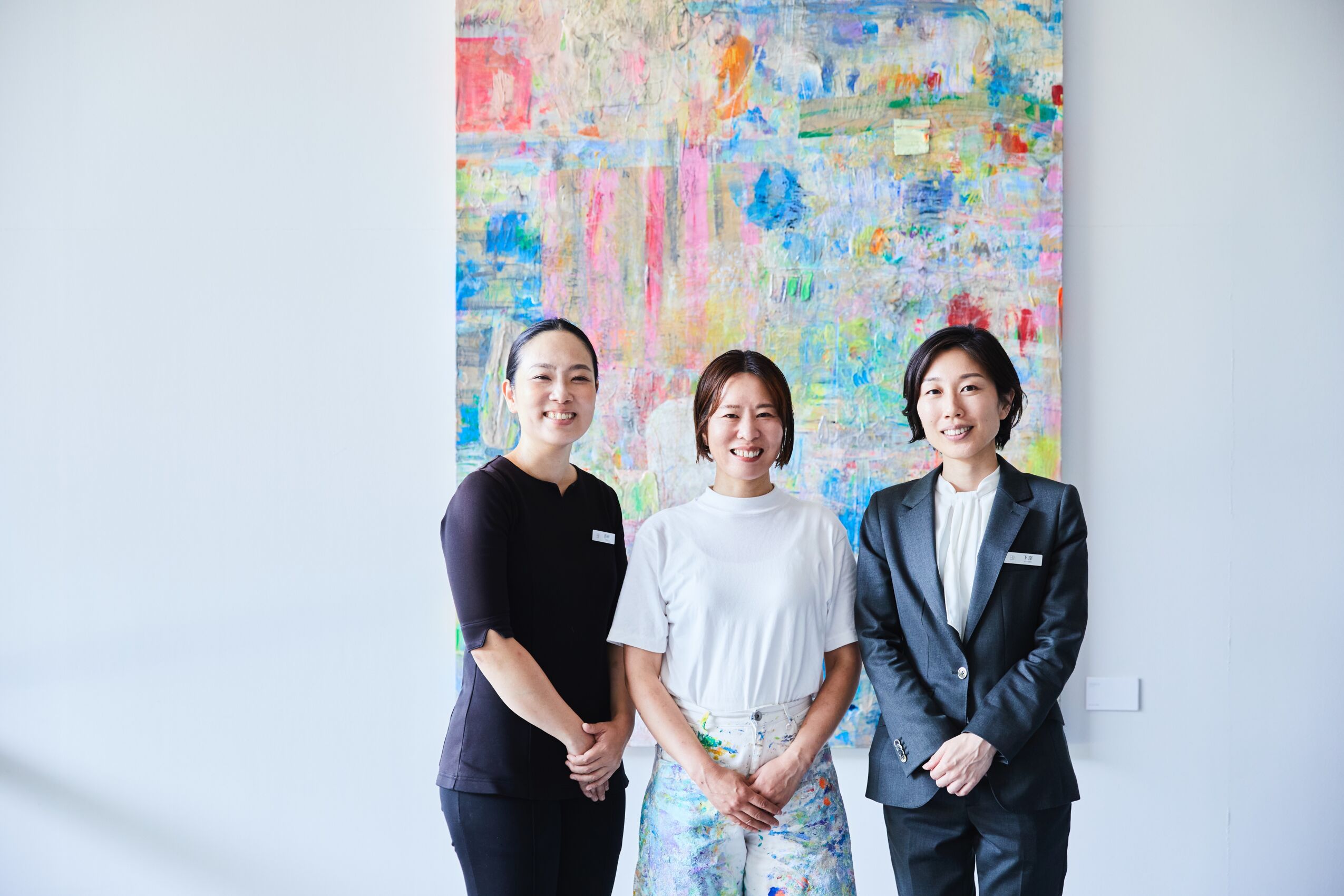
On October 20, 2025, ahead of the reopening, we held a preview for about 30 local stakeholders, including the mayor of Higashiizu. Shigeki Iwai, mayor of Higashiizu, shared the words: “I hope this will not only raise the brand power of Atagawa Onsen but also lead to further development of the whole region.”
On November 1, 2025, IZU RETREAT ATAGAWA SUIKO by Onko Chishin began a new chapter. To carry on the memory of the land with care while delivering it with a contemporary sensibility. That accumulation will create a new story.