
[IKI RETREAT KAIRI MURAKAMI by Onko Chishin] Bringing the Bounty of Iki Island to the Table: The Philosophy of Chef Seiichi Ota, Who Faces the Land Head-On
2026 - 06 - 09
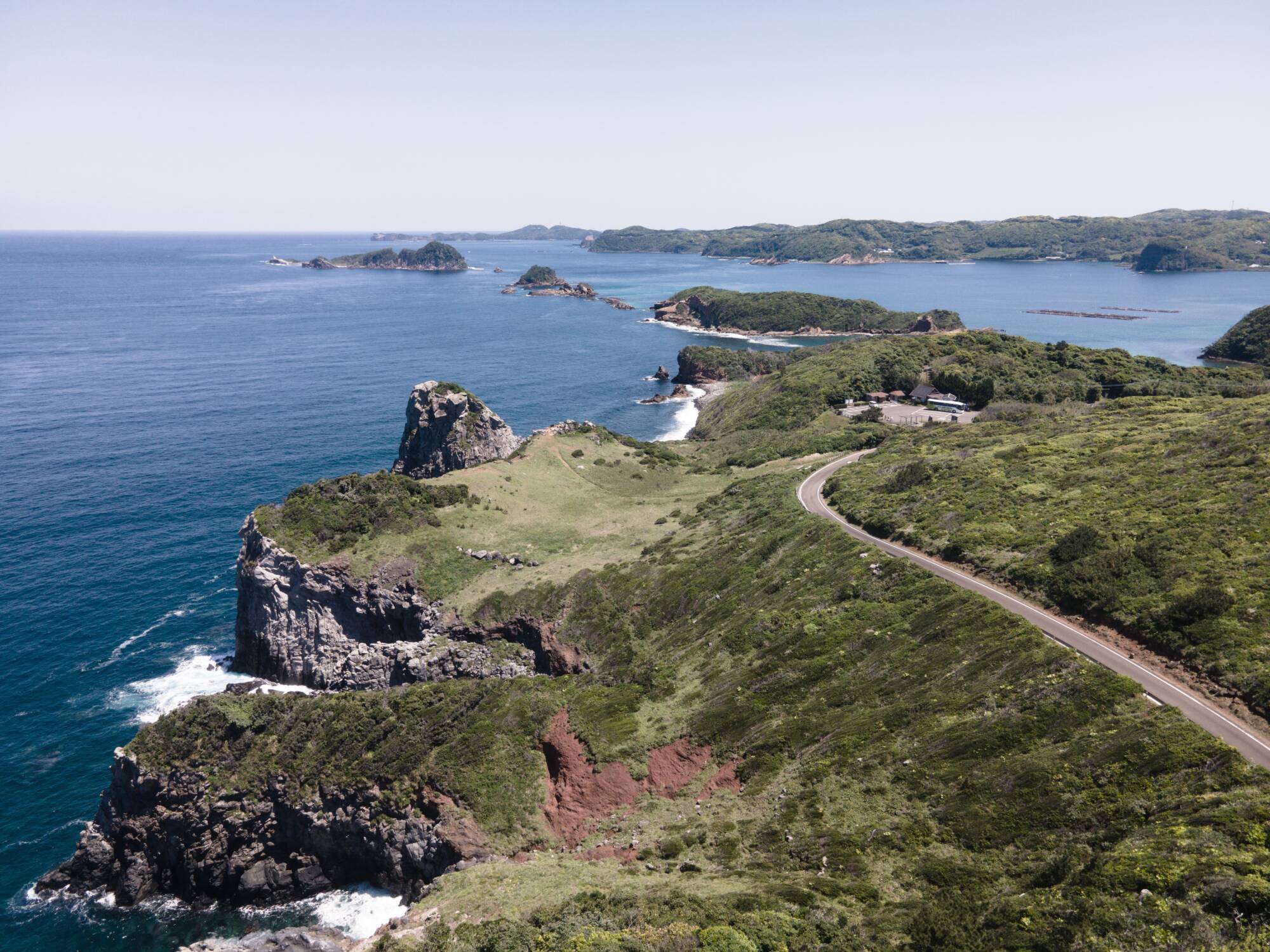
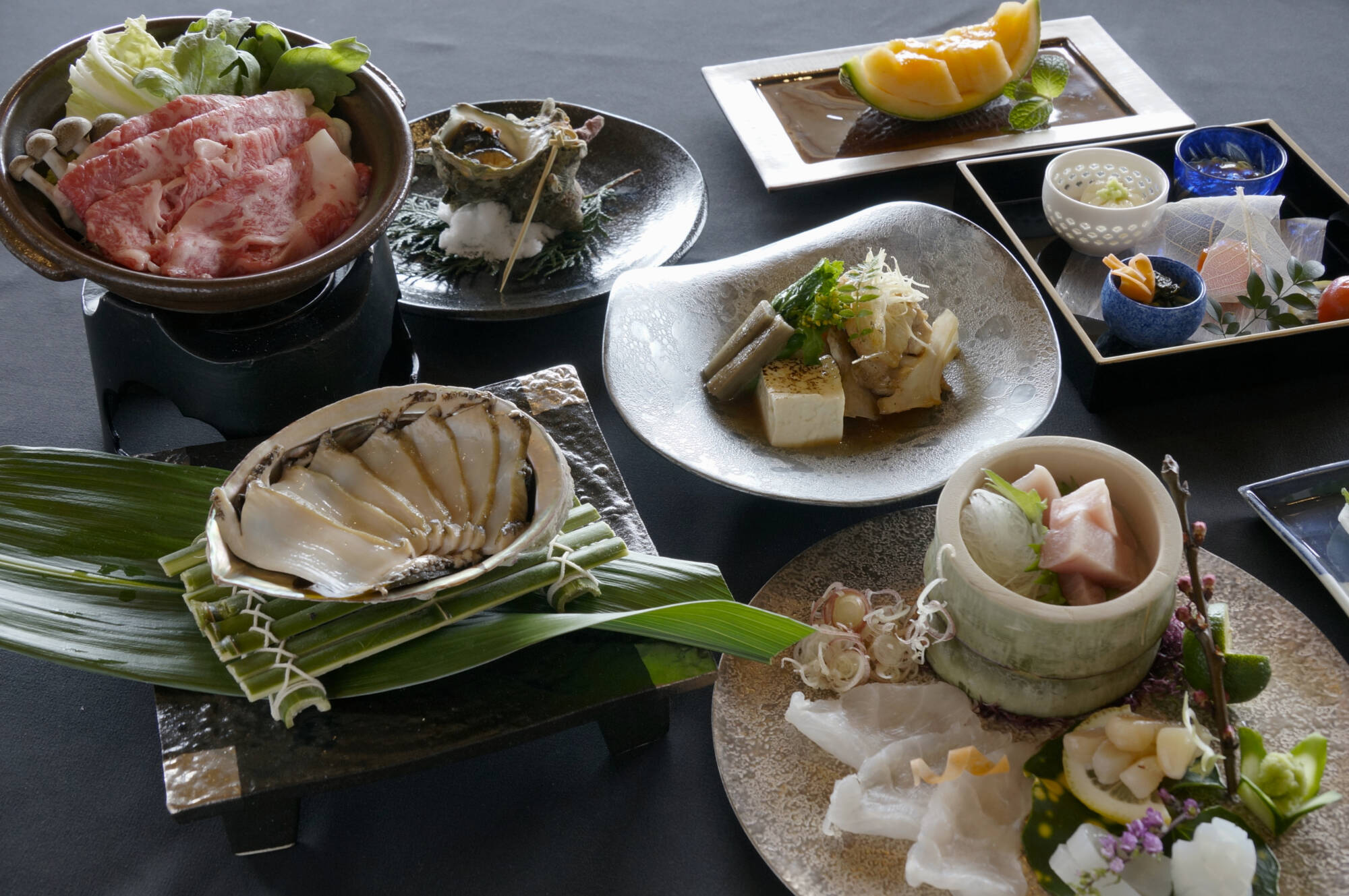
Iki Island, Nagasaki Prefecture. Surrounded by the Genkai Sea, the island is so rich in ingredients that it is sometimes called self-sufficient. Seafood raised in fast-flowing tides, vegetables and grains grown in mineral-rich soil, fruit sweetened by wide swings in temperature. With sea and mountains close together, a diverse food culture thrives here.
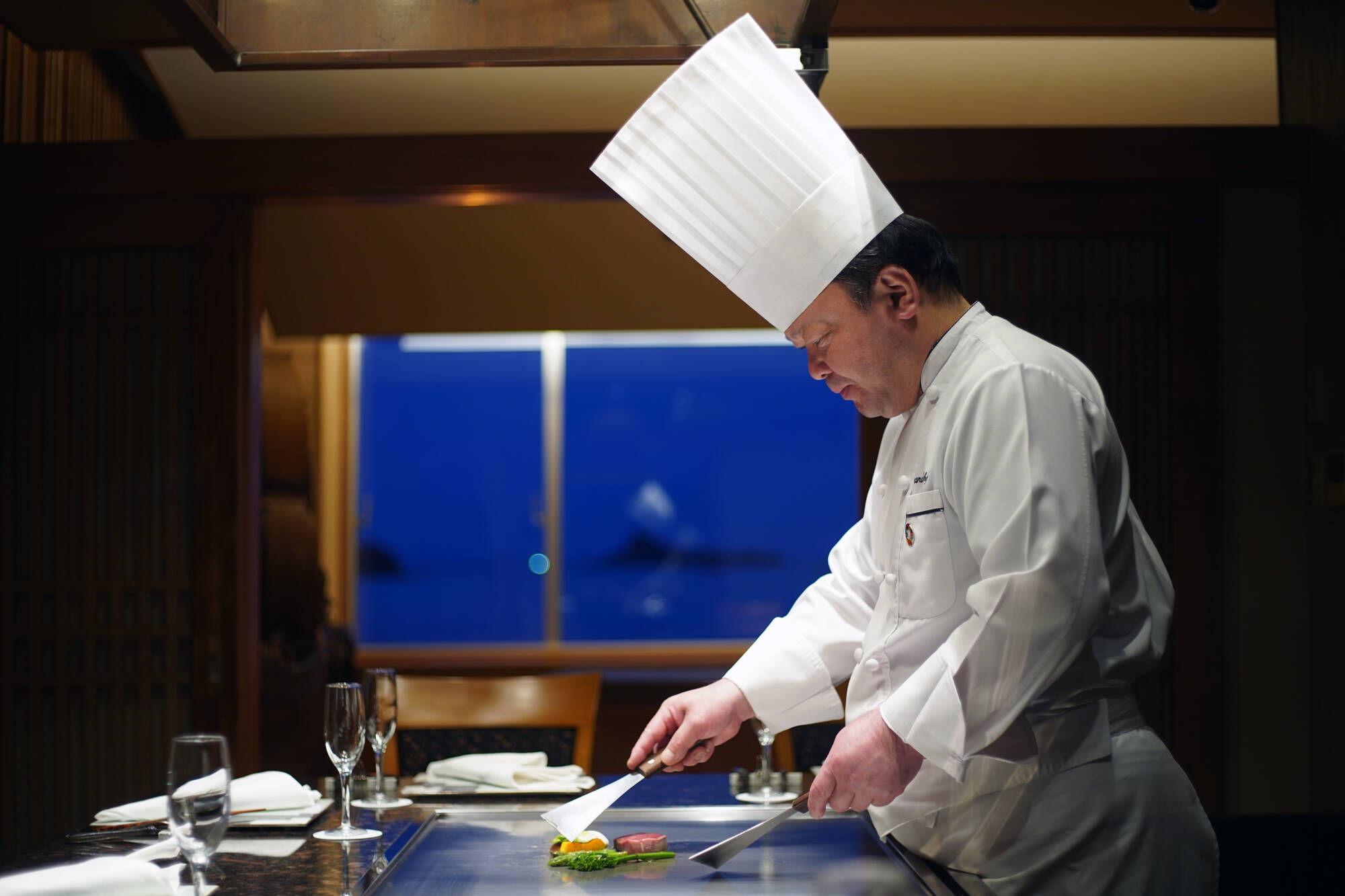
Seiichi Ota, head chef of IKI RETREAT KAIRI MURAKAMI (hereafter Kairi Murakami), was born on Iki. He left the island to become a chef and has now been back in his hometown for 20 years. In his work, deep gratitude toward Iki and Onko Chishin’s philosophy of “finding the light, polishing it and delivering it” quietly live on.
Why he has gone to the morning auction for 20 years
Ota began going to the Katsumoto Fishery Cooperative auction around 2006, when the predecessor of Kairi Murakami opened.
At the time, it was by no means usual for a chef to stand in the auction hall. Even for someone born on Iki, trust with the fishermen cannot be built overnight. Ota made his way to the auction almost every morning, kept looking at the fish and faced the fishermen, building trust little by little.
“What decides the flavor of a dish is the ingredient, before technique. I want to choose the best of the day with my own eyes.”
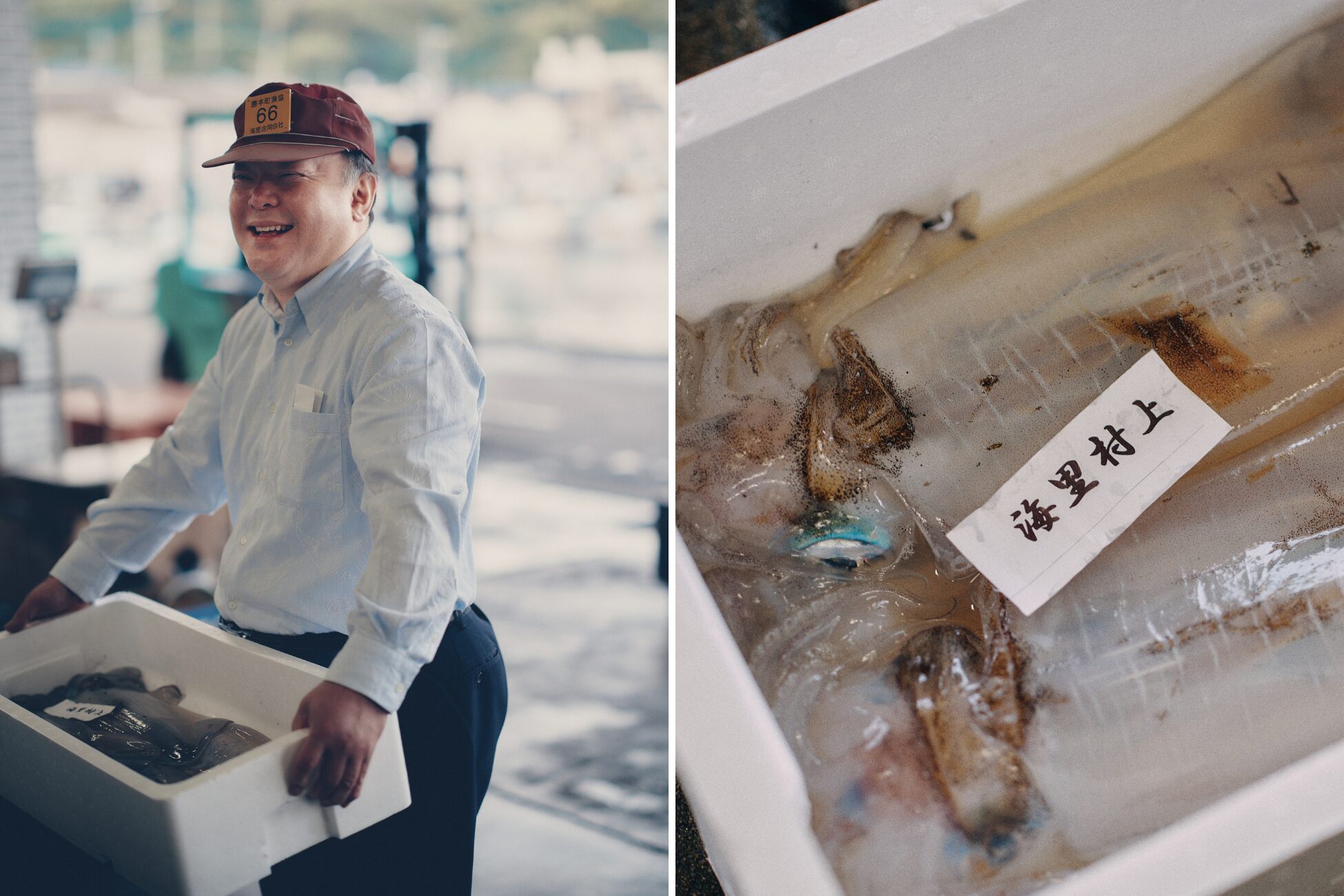
Even when the same species lines the auction floor, each fish is different. The firmness of the body, the brightness of the eye, the tightness of the flesh. He picks out the best while imagining even the condition of the sea that day.
Fish won at auction go straight to the holding tank beneath the hotel. By cutting the distribution process as far as possible, the true character of the fish raised by the sea of Iki can reach guests in its best condition.
Ota laughs and calls this devotion “self-satisfaction.” Behind those words, though, lies a chef’s sense of responsibility: he cannot serve guests anything he himself is not satisfied with.
There is only one reason he has kept going to the auction for 20 years without change: he wants to give the guest in front of him the very best of Iki that day.
Being honest with ingredients is what creates a taste found nowhere else
At the origin of Ota’s culinary philosophy are the words of one person. The previous owner, who built the predecessor of Kairi Murakami, had eaten his way through ingredients across the country and had a trained eye for what is truly good. One day he said to Ota:
“The ingredients are good, so simply let their own character shine.”
Freshly cut, freshly fried, freshly grilled. Food is best when just made. Those words struck a deep chord in Ota, who was born and raised on Iki, surrounded from childhood by fresh fish and seasonal produce.
To trust the power an ingredient holds. The better the ingredient, the more honestly its character should be drawn out. This was not an idea he acquired after becoming a chef; it was also a sense that grew naturally within the climate and culture of Iki.
Many of the guests who visit take a keen interest in food in daily life and have a reliable sensitivity to differences in ingredients. Aquaculture and distribution networks have advanced to the point where ingredients of consistent quality are available anywhere in the country. Yet at the same time, chances to meet the texture and aroma of fish just landed, or the seasonal flavors nurtured by a particular land, have become fewer. That is exactly why Ota adds nothing superfluous to his ingredients.
He identifies what is at its best on that day, in that season, at that moment. Then he gives it just the work that brings out its appeal to the fullest. Seafood raised by the sea of Iki, vegetables ripened by the island’s earth, a food culture handed down through generations.
He believes that facing each of these honestly leads to a taste that can be born only on this island.
Protecting the island’s food with his own hands
Ota’s desire to “deliver” does not stop at the kitchen. His family were farmers, and he has tilled rice paddies himself and taken up rice growing. The variety he grows is Hinohikari, long familiar on Iki. Between prep and service, he stands in the paddies, attending carefully to everything from soil preparation to harvest.
In recent years, the environment around rice farming has changed greatly. As the shortage of successors and aging progress, the agricultural landscape rooted in the community is also slowly changing shape. Even so, Ota keeps growing rice because, as a chef, he wants to carry Iki’s food culture into the future.
The harvested rice is slowly dried in the traditional way, hung in the sun. Finished over time with the help of sun and wind, the rice develops its natural aroma and depth of flavor.
At Kairi Murakami, rice is cooked in an earthenware pot for each table. The aroma that rises the moment the lid is lifted, the glossy, distinct grains, the freshness that only just-cooked rice has. In that single bowl are the climate and culture of Iki, and the care of Ota, who stays involved from production onward.
Making food is not only about handling ingredients. Ota believes that carrying the food culture of the land and the work of its producers into the future is also an important role of a chef.
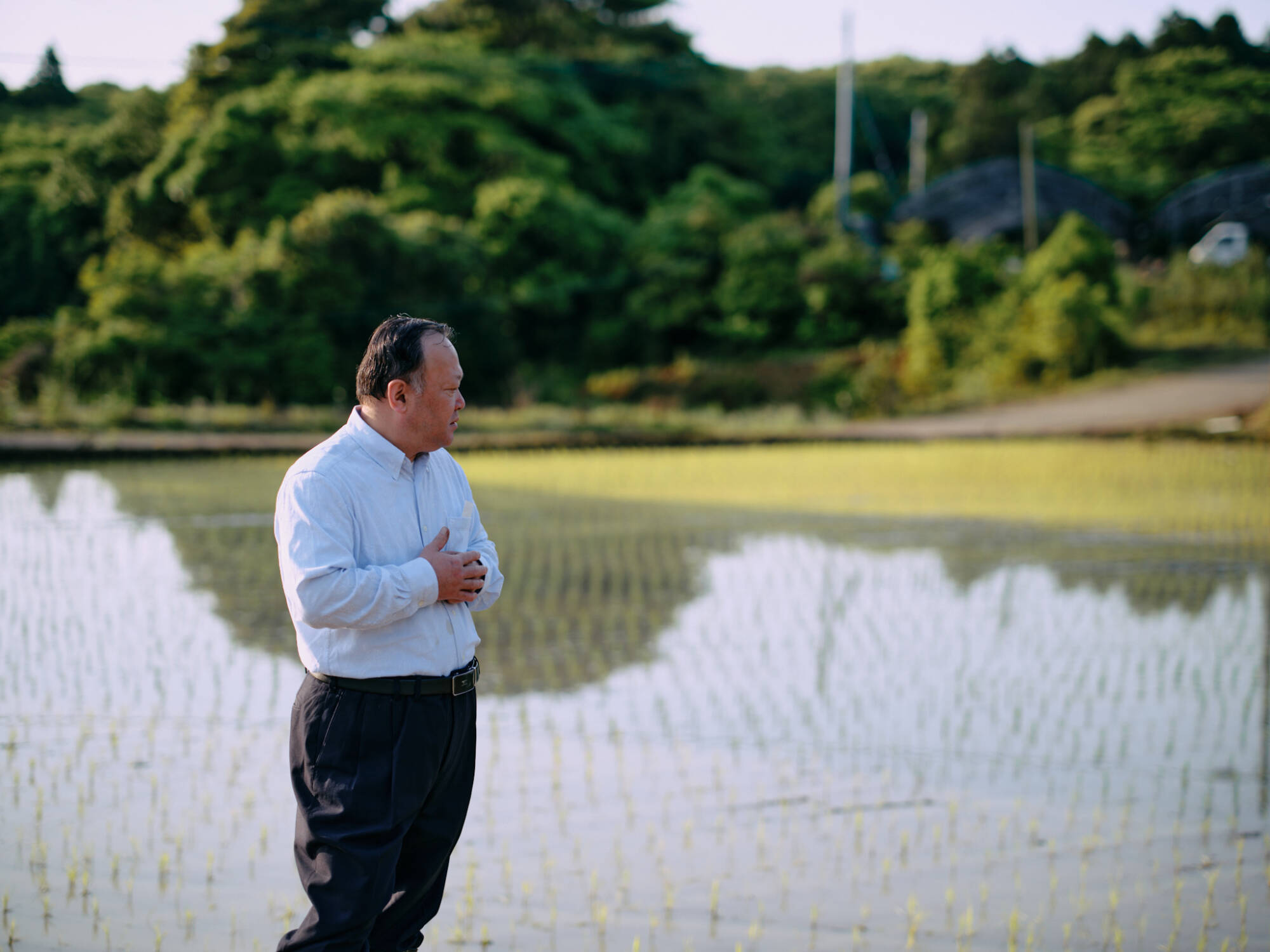
“I want people to find it delicious down to the last bite. Whether it’s cooking or growing rice, that feeling doesn’t change.”
What Ota faces may not be the cooking itself but the guest’s memory that lies beyond it. To deliver the bounty nurtured by Iki’s sea and land in the best possible form. For that, he spares no effort, checking with his own eyes and raising with his own hands. This straightforward accumulation continues to create a cuisine that can be tasted only at Kairi Murakami.
Continuing to polish the light of Iki
Many of the staff at Kairi Murakami were born and raised on Iki. At mealtimes, conversation flows naturally beyond the food and ingredients to the look of the sea that day, island life and recommendations for how to spend your time.
This is not mere service but time spent sharing the island’s charm. With only 12 guest rooms, the hotel is small enough to attend carefully to each guest and offer Iki in its best form on that day, at that moment, and that is what makes this kind of hospitality possible.
The sea of Iki, the land of Iki, the people who live on Iki. To look closely at the charm that lives in this place, polish it and deliver it. Kairi Murakami continues today to be a stage for conveying the richness unique to this island.
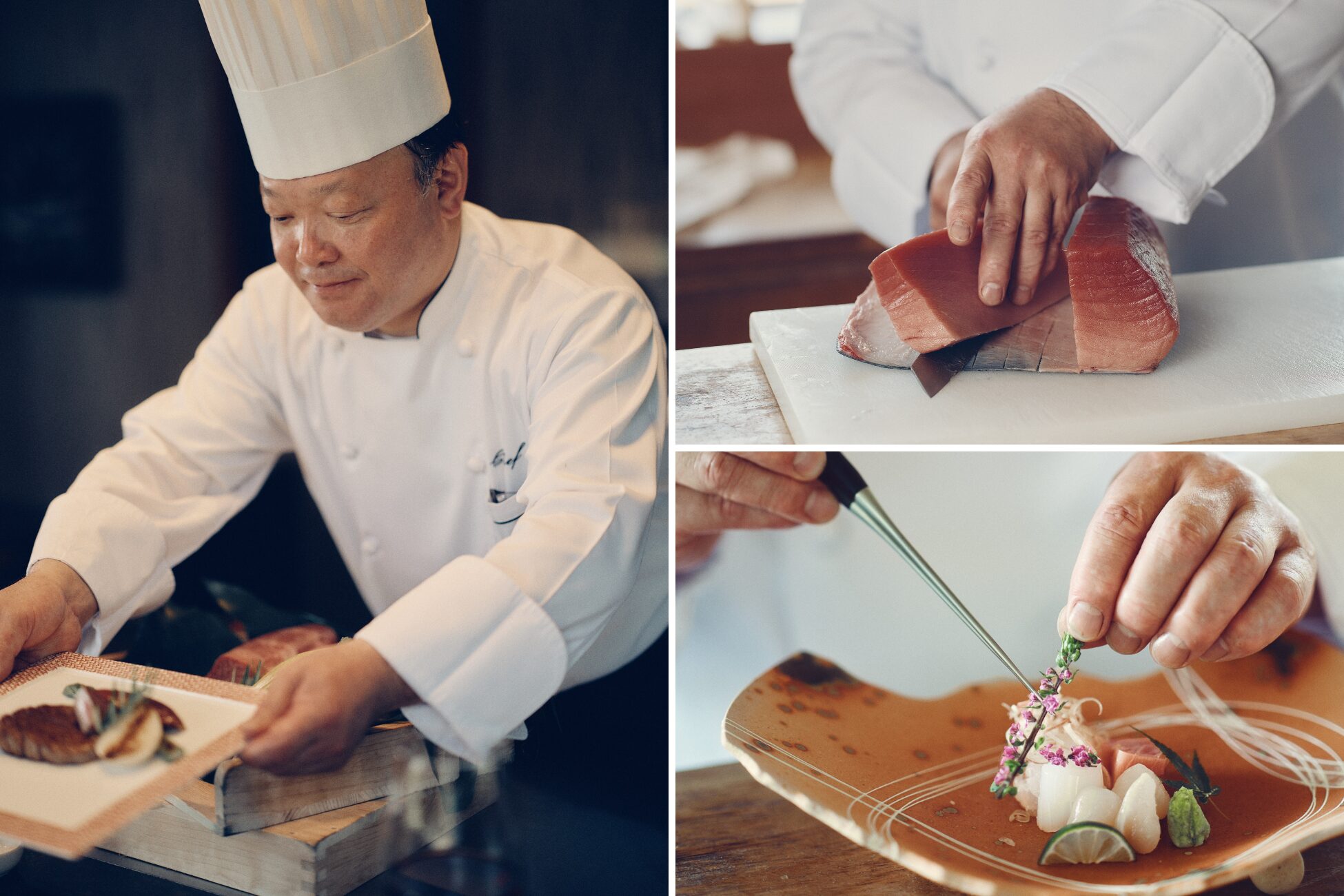
For Ota, who is from Iki, sharing the island’s appeal is both a joy and a source of pride. The environment around fishing and farming is changing little by little. Even so, he wants to hand the richness inherited on this island to the next generation. That wish drives him to his work each day.
“I just do my best at what I can do.”
True to those words, he has continued to face the ingredients before him with sincerity. The seafood raised by Iki’s sea, the bounty ripened by the island’s earth, the food culture people have handed down. To face each of them, polish them and deliver them.
Each dish at Kairi Murakami reflects the “now” of this island. And its flavors quietly lead you to a richness found only on Iki.