
ExperienceArts & Culture
Arts & Culture
— A place’s culture lives in the way its people live.
Hands of the Land
Meet the makers and the storytellers, and step into the time of each place.
A painting found on a journey, a bowl of tea, the clay of a vessel, the auctioneers’ calls echoing across a harbor.
Within them lie the wisdom and hopes of the people who have lived there, and skills handed down over a long span of time.
You look at works of art and watch a craftsperson’s hands, then try layering color or shaping clay yourself. You listen to the local dialect and songs, and sometimes hear the maker’s story over food and drink.
Step close to the people and their handwork, and culture stops being something to look at. It becomes part of how the place lives.
Start from an Onko Chishin hotel and set out to meet the art, craft, food, storytelling and daily life that continue in each place today.
Arts & culture at our hotels
- Goto, NagasakiGOTO RETREAT ray by Onko Chishin
- Iki, NagasakiIKI RETREAT KAIRI MURAKAMI by Onko Chishin
- Aso, KumamotoASO RETREAT HONO by Onko Chishin
- Matsuyama, EhimeSETOUCHI RETREAT AONAGI by Onko Chishin
- Otaru, HokkaidoOTARU RETREAT KURAMURE by Onko Chishin
- Shinsaibashi, OsakaCUVEE J2 HOTEL OSAKA by Onko Chishin
- Tamano, OkayamaSETOUCHI KEIRIN HOTEL 10 by Onko Chishin
- Nichinan, MiyazakiHOTEL SEASONS NICHINAN
Goto, Nagasaki
GOTO RETREAT ray by Onko Chishin
Listen closely to the island’s culture, with your hands and your ears.
The culture of Goto carries memories of prayer and everyday life.
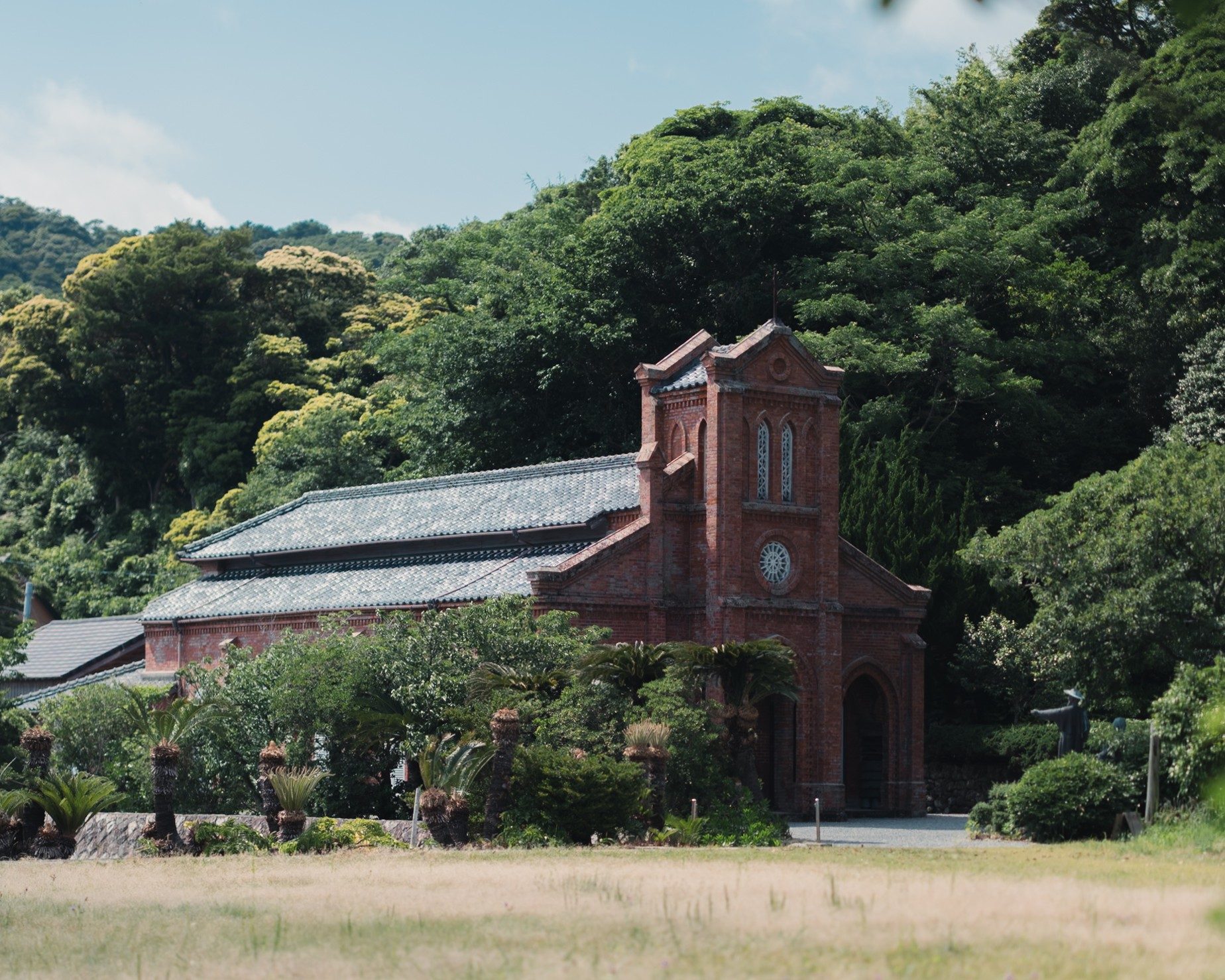
Follow the footsteps of those who kept their faith through the years of the ban on Christianity, visiting churches scattered across the island.
Press camellia seeds, join pieces of glass, and listen to the island’s songs and old tales. Even Goto udon and baramon kites hold the wisdom and hopes of the people.
Visiting places of prayer, working with your own hands and hearing the words of islanders reveal the stories behind the island’s scenery.
Featured experiences
- Church tourIn an island of prayer, trace the memory of a faith kept alive.
-
On the Goto Islands, the history of people who kept their faith through the years of the ban on Christianity still lives on. With a private car and a guide, you visit Dozaki Church and other churches and chapels across the island, places of prayer that blend into seaside and village landscapes.
Along with the history of the hidden Christians and village life, you can pair the tour with local food and sea-view spots.
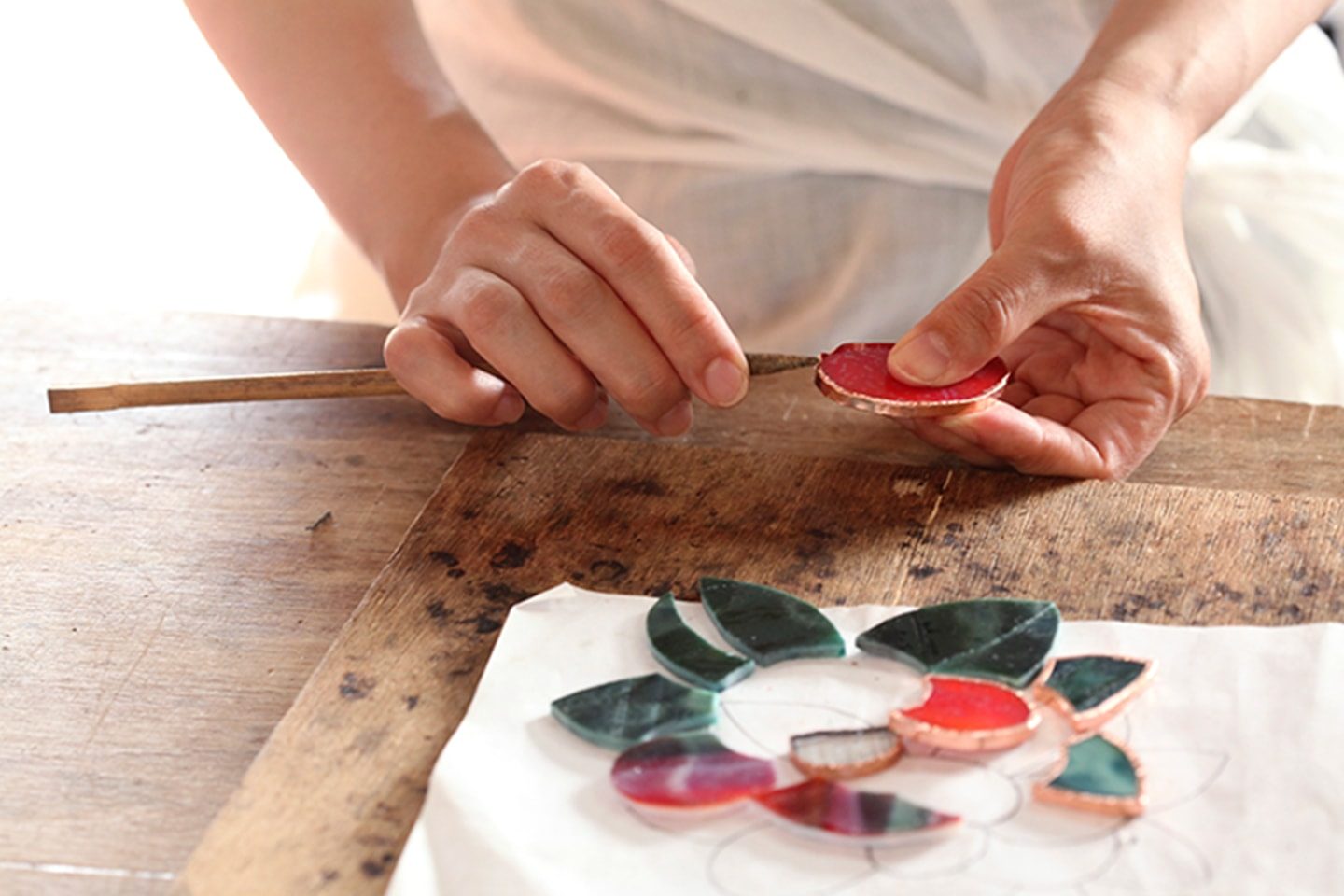
- Stained glass experienceIn an island of prayer, join pieces of light.
-
At the studio of Yumiko Hamasaki, who created the stained glass of Mitsuiraku Church, you choose glass in your favorite colors and shape them into a single piece.
On Goto, where churches have been handed down as part of the island’s landscape, you encounter the craft that colors the island’s prayers.
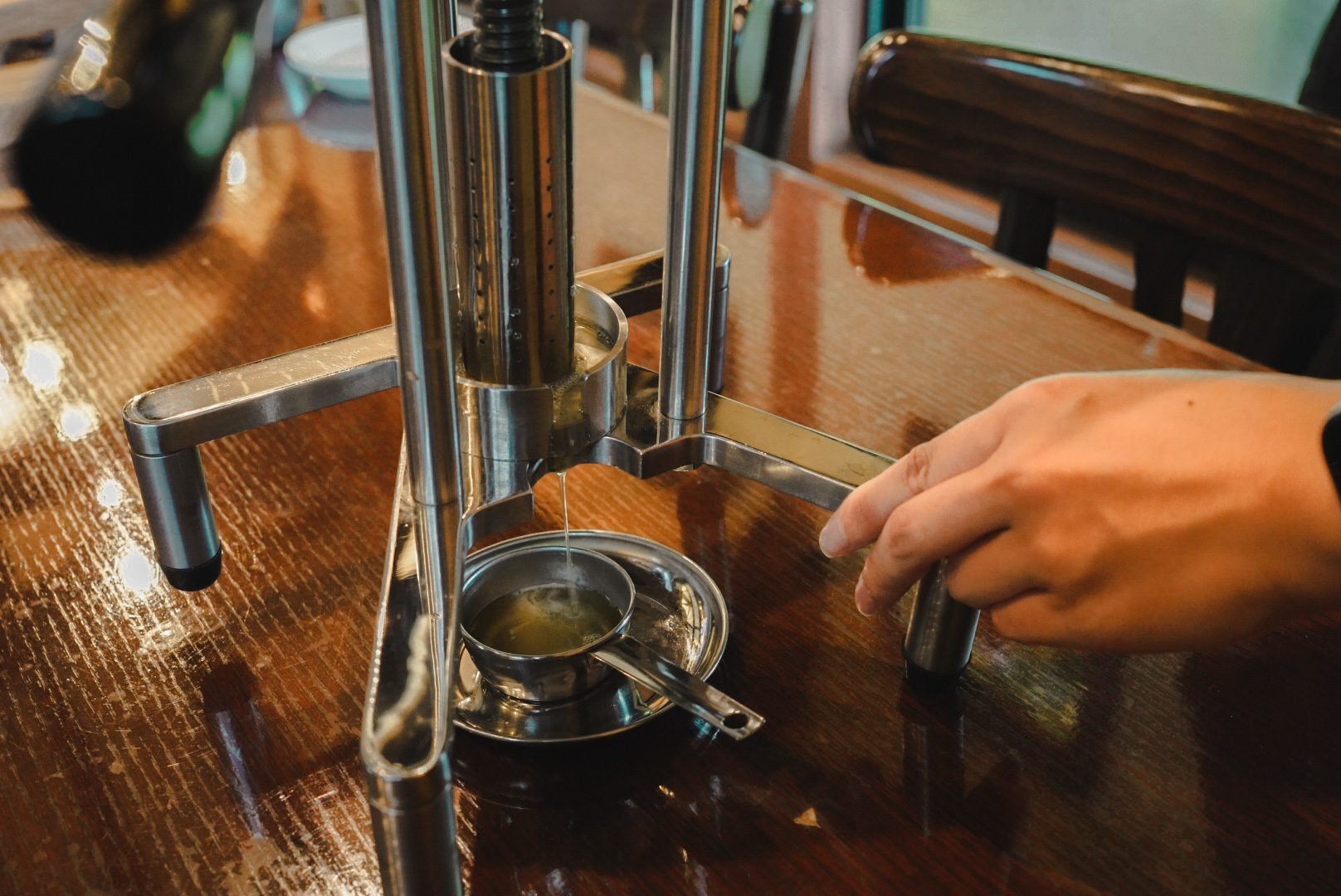
- Camellia oil pressingFrom a single camellia seed, learn about island life.
-
The camellia has long been deeply tied to life on Goto. Press the seeds yourself, and a warm, gentle aroma rises along with a small amount of oil.
In the effort of pressing oil from seeds, you glimpse the island’s wisdom in using every gift of nature.
- Folk tales and folk songsHear the island’s stories in the island’s own words.
-
Old tales and songs of Goto, told by local historian Mayumi Nakamura.
Listen to the resonance and humor that survive only in the local dialect, and learn the stories the people of Goto have cherished and passed down, ones you can’t know from text alone.
More to explore
- Goto hand-stretched udon experienceFrom stretching the noodles to tasting the signature “jigoku-daki”.
- Baramon kite flying experienceGoto’s kite culture, handed down in the hope that children grow up healthy.
- Coral crafting experienceEncounter the handwork that remains in Tomie, once prosperous from coral fishing.
- Resin art experienceTurn the sea you saw on your trip into a work of art, using Goto sand and shells.
- A letter to the futureWrite a letter to your future self or someone dear, on glass-pen and letterpress stationery.
Iki, Nagasaki
IKI RETREAT KAIRI MURAKAMI by Onko Chishin
Come one step closer to island life.
The culture that remains on Iki is not preserved as it once was and put on display.
There are oni kites painted in hope of a family’s safety, “yunohana” mineral deposits born from the island’s hot springs, and in the morning, voices still ring out at the harbor as fish are auctioned.
Apply color, shape clay, and witness a morning in a fishing town.
Stepping just a little inside everyday life as a traveler, you begin to see the life of the island of Iki.
Featured experiences
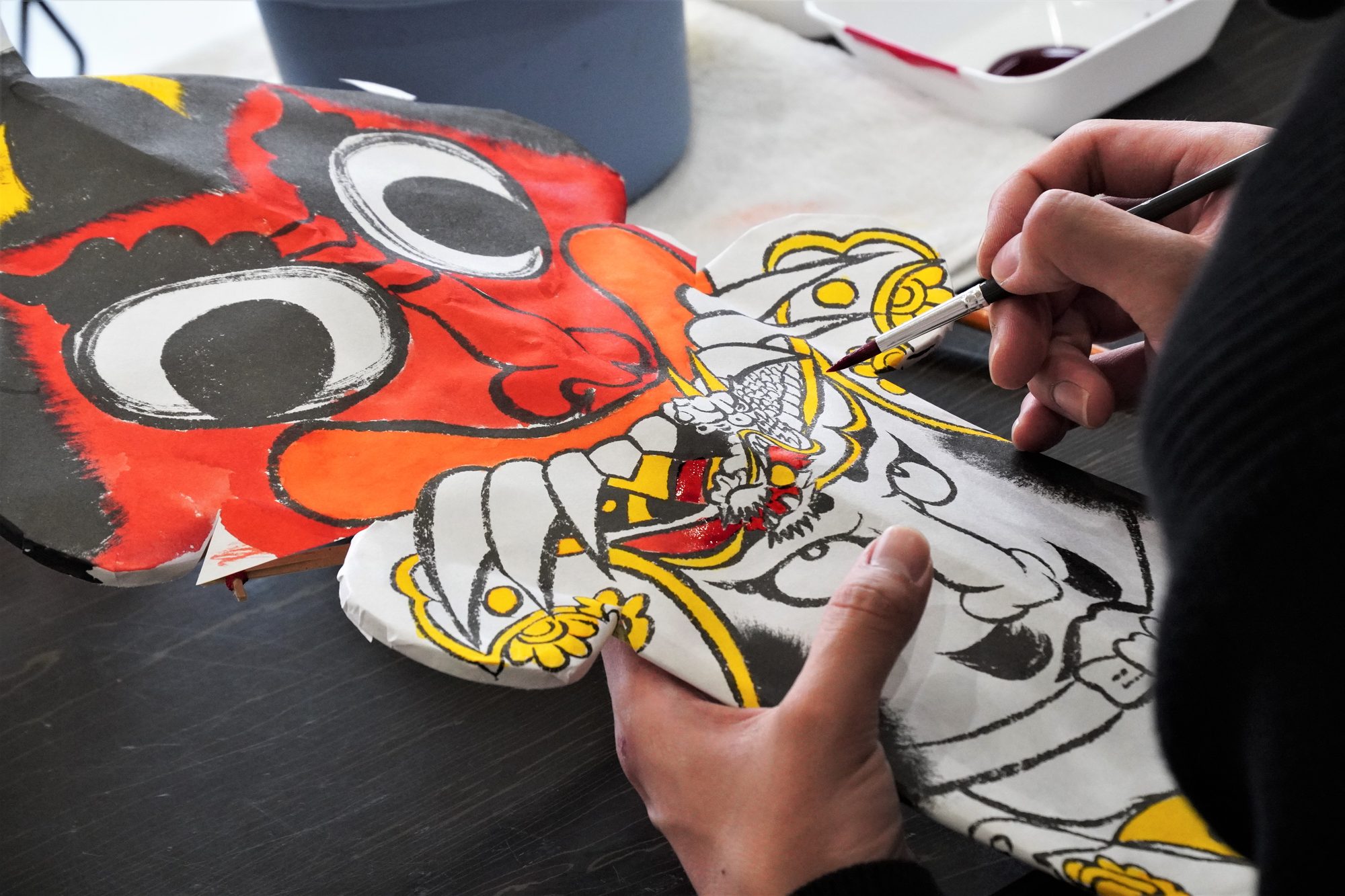
- Oni kite coloring experienceLayer the island’s wishes onto an oni and a warrior.
-
Iki’s “oni kite” is made of bamboo and washi paper and boldly depicts an oni and a warrior in combat. You add color by hand to this traditional painted kite, handed down as a talisman against evil in wishes for family safety and good health.
Today only one craftsperson on Iki carries on the making of oni kites. Once dried and packed, your finished kite can be collected at check-out or shipped to your home.
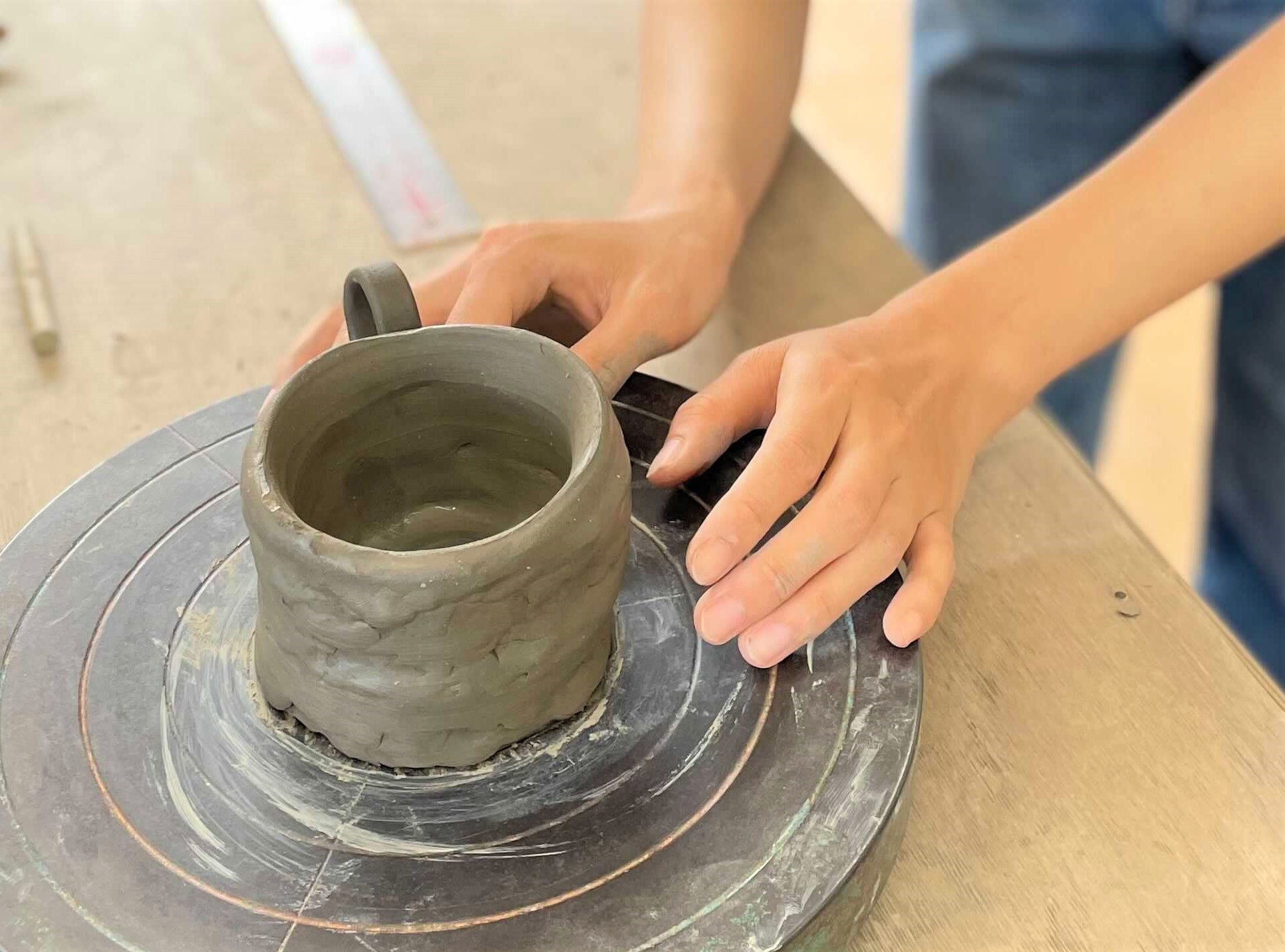
- Yunohana pottery experienceTurn Iki’s hot spring into the landscape of a vessel.
-
A pottery experience in which you shape your own cup or teacup while touching the clay. As a finishing accent, you add “yunohana” from the hot spring at KAIRI MURAKAMI.
The water that warmed you through your trip now remains as the character of a vessel. After firing, your finished piece is delivered to your home.
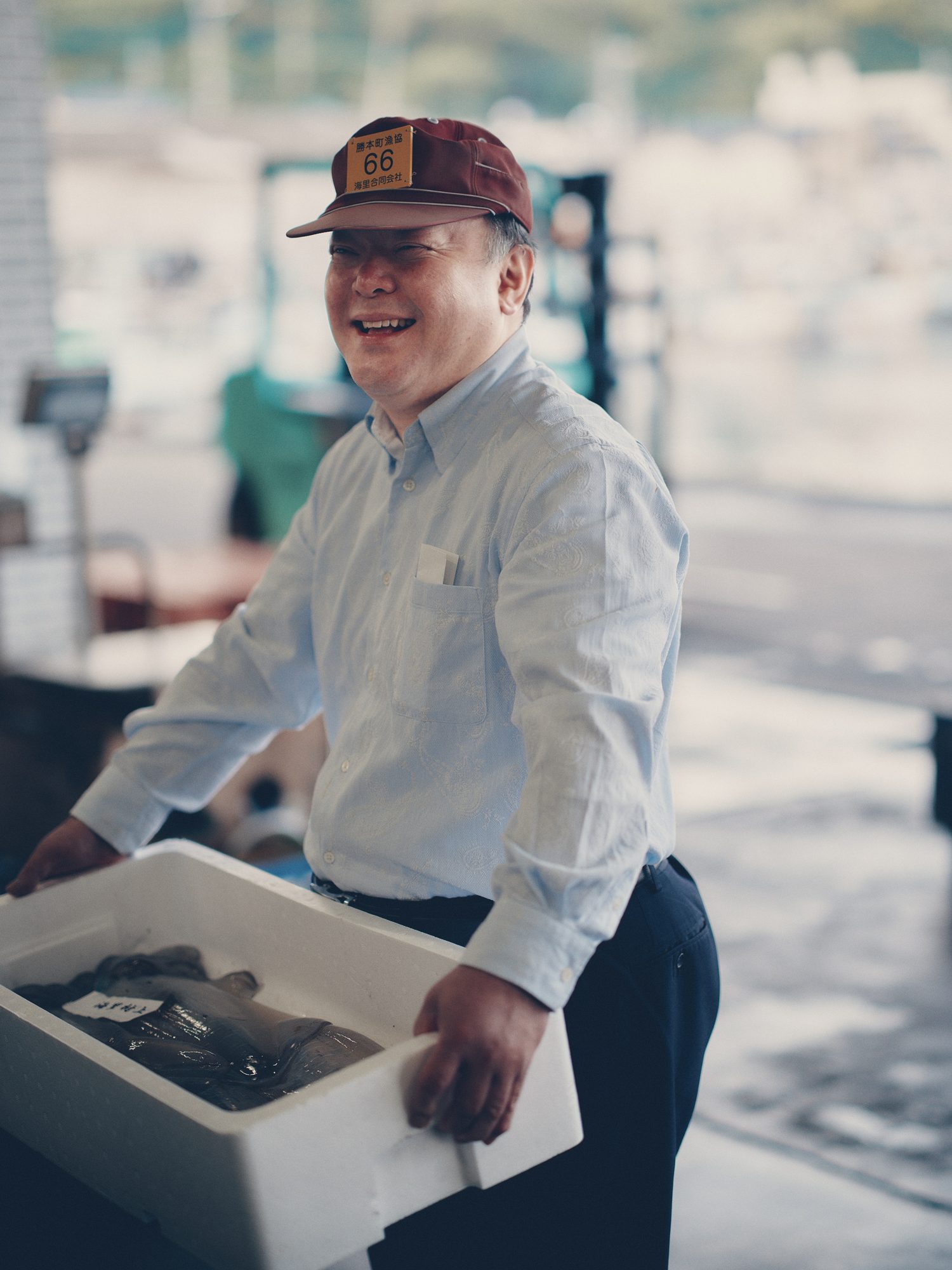
- Katsumoto auction visitA fishing town’s morning begins with the auctioneers’ calls.
-
Katsumoto is one of Iki’s leading fishing towns. In the early morning at the harbor, lively voices fly back and forth over the day’s catch.
You watch the auction, normally closed to the public, and the fresh fish won that morning becomes a dish at breakfast at KAIRI MURAKAMI.
Fish caught at sea pass through the harbor and arrive before you as a meal. It is an experience that traces Iki’s food culture from fishing port to table.
Aso, Kumamoto
ASO RETREAT HONO by Onko Chishin
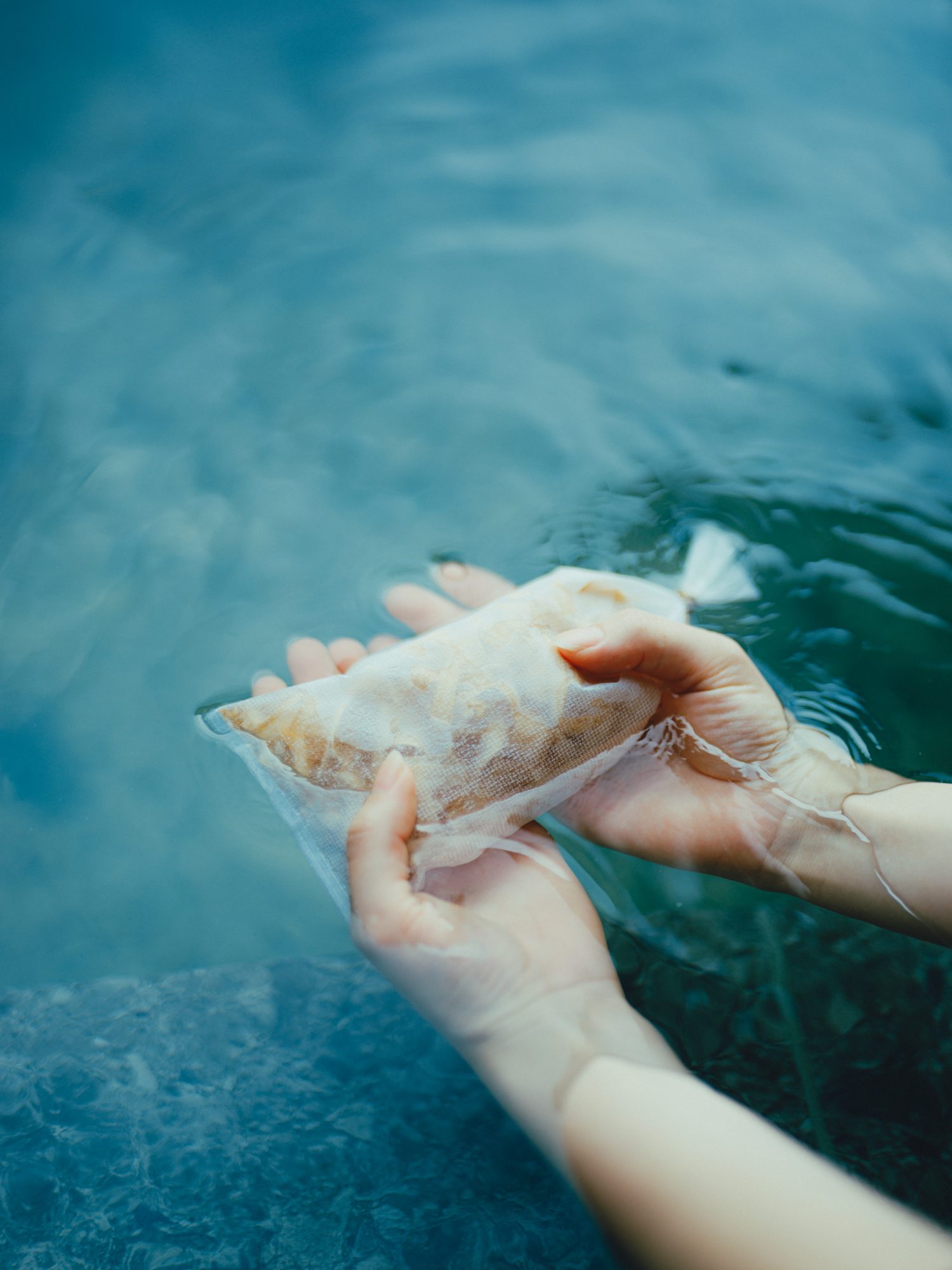
Touch the earth and get to know Aso.
Soil born of volcanoes, grasslands protected by human hands for over a thousand years, the cedars that nurture the forest, and the water that travels underground over a long span of time.
At HONO, you don’t simply gaze at Aso’s nature. You pick plants, touch local materials and work with your hands, tracing how people and this land are connected.
Eating, making, drawing water: each one becomes a doorway to knowing this land.
Featured experiences
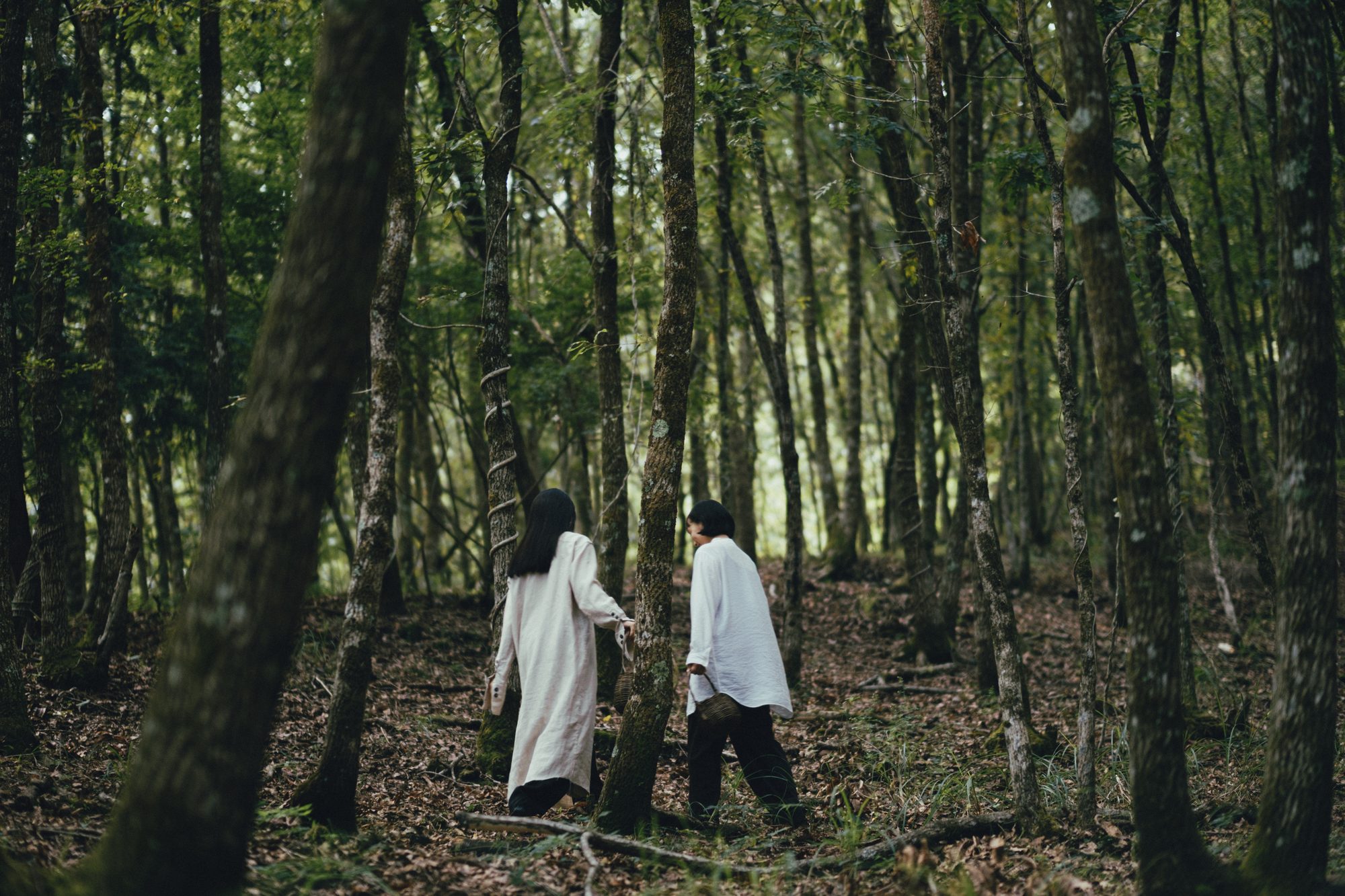
- FORAGINGPick plants and learn the seasons of Aso.
-
HONO’s “edible garden” grows plants rooted in Aso’s land, along with plants you can eat.
Walk the garden checking the firmness of leaves, smelling their fragrance, and looking for what is sprouting this season. You come to know plants not just by name but through your eyes, hands and nose.
Behind each plant you pick lies the wisdom of the people who have lived by eating and using it.
It is the entrance to HONO’s experiences, getting to know Aso’s nature through your own senses.
More to explore
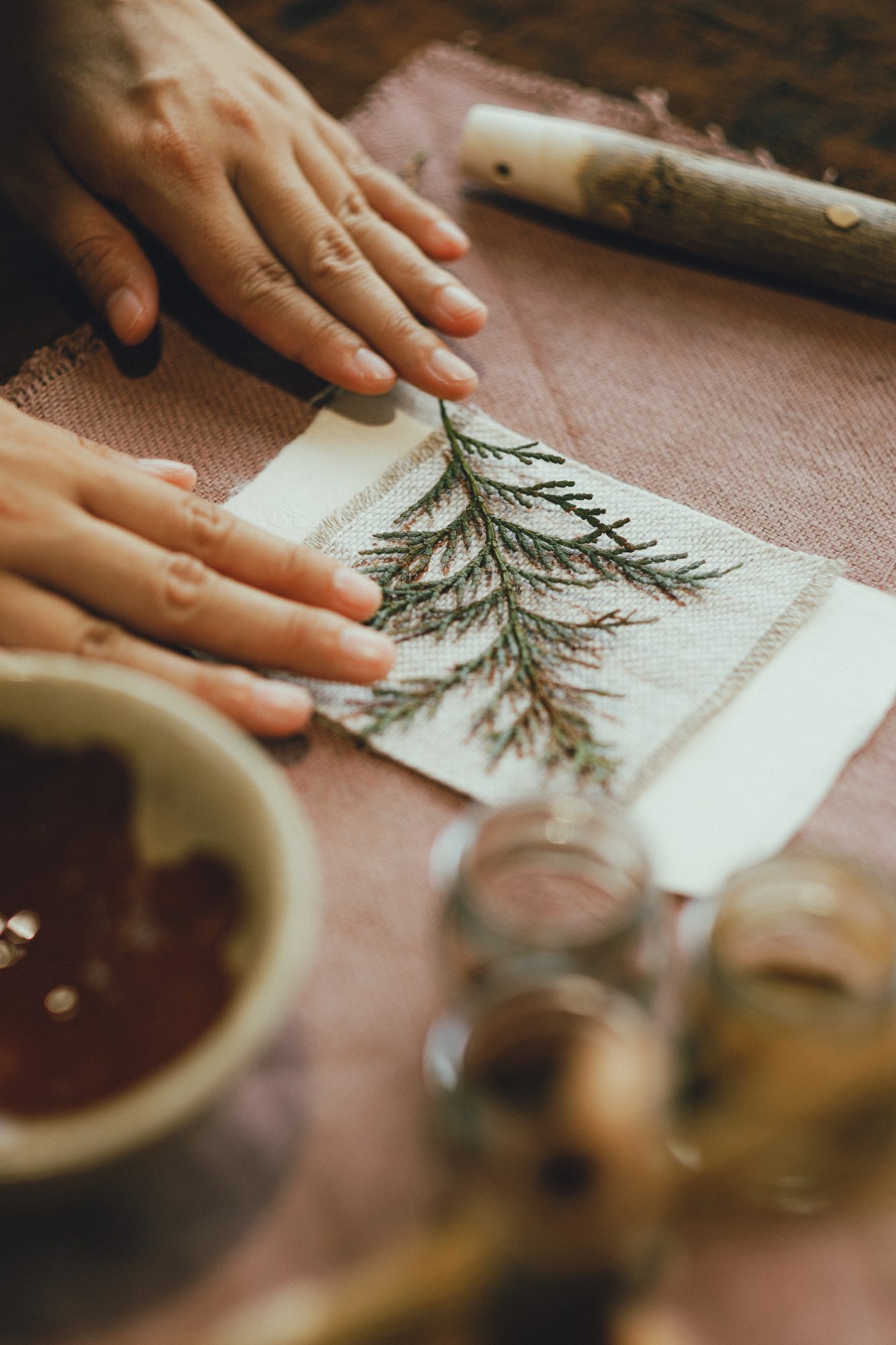
- Making an Oguni cedar herb pillowHold the scent of the forest in your hands.
-
Checking the scent of cedar and plants grown in the forests of Oguni, north of Aso, you craft your own herb pillow.
It is time to sense the forest not only as building material but through its fragrance and texture.
- Aso limonite bengara dyeing experienceTurn the earth a volcano left behind into color.
-
Aso’s limonite was formed when iron accumulated on the bed of a lake that once lay in the caldera.
Using bengara made from that earth, you layer color onto cloth. It is a color born of Aso’s land itself, also used in the fabrics, signage and art inside HONO.
- Ancient earthen wall art experienceApply the earth and leave a form behind.
-
Knead the earth and layer it on with a trowel to create a single expression.
Using the work of plasterers, who have built the walls of homes, as a guide, you experience how humble earth is transformed by human hands into space and expression.
- COLLECTING WATERDraw water from the earth.
-
Rain that falls on Aso’s grasslands soaks into the strata formed by the volcano and travels underground over long years. It then emerges at the surface again, nourishing fields and people’s lives.
Leave HONO and head to where that water wells up. From a single glass of water in front of you, the volcano, the earth, the grasslands and human life all begin to connect.
Matsuyama, Ehime
SETOUCHI RETREAT AONAGI by Onko Chishin
Spend your stay with art, inside Ando’s architecture.
Architecture by Tadao Ando, on a hill overlooking the Seto Inland Sea.
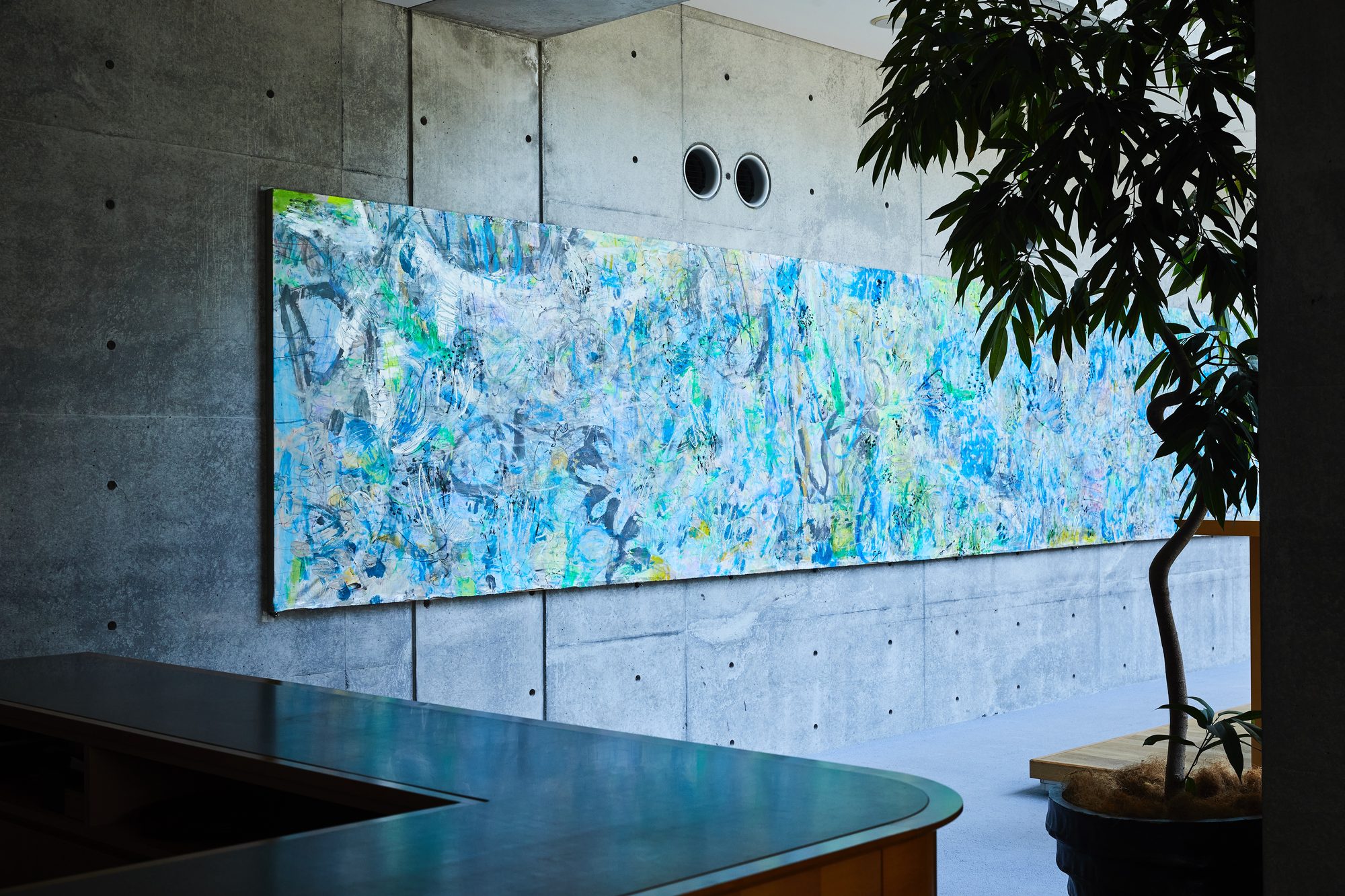
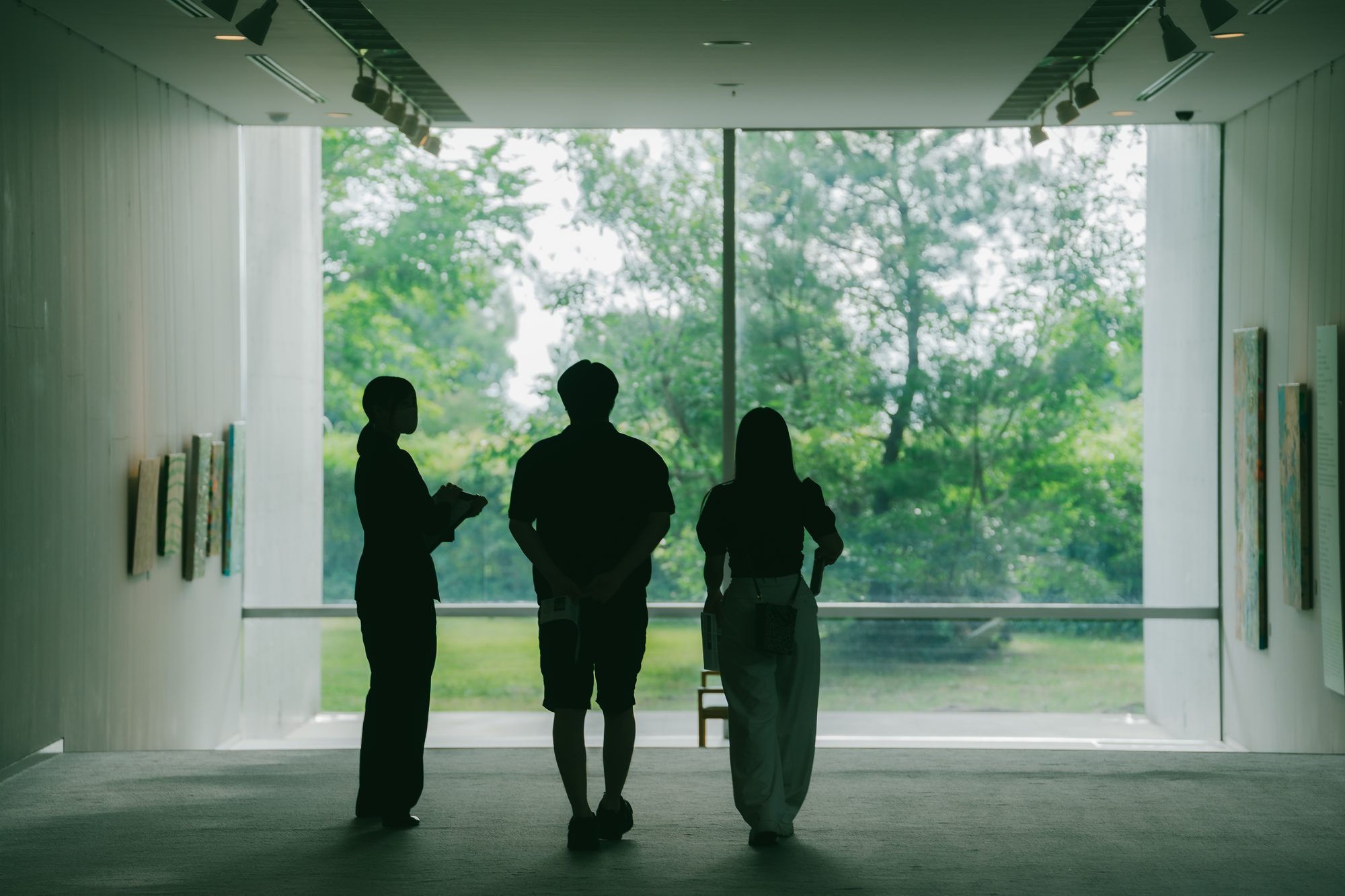
At AONAGI, art is not confined to the exhibition rooms. Works are placed within the landscape of your stay, alongside the exposed concrete walls, the light falling on them, and the sea and sky beyond the windows.
You meet works as you walk through the building, and they look a little different in the morning and in the evening.
Rather than passing by to view only the works, you spend time within the architecture and meet them again and again as the light and the sea change. It is a way of encountering art that only AONAGI offers.
Featured experiences
- AONAGI in-house artStay inside the art.
-
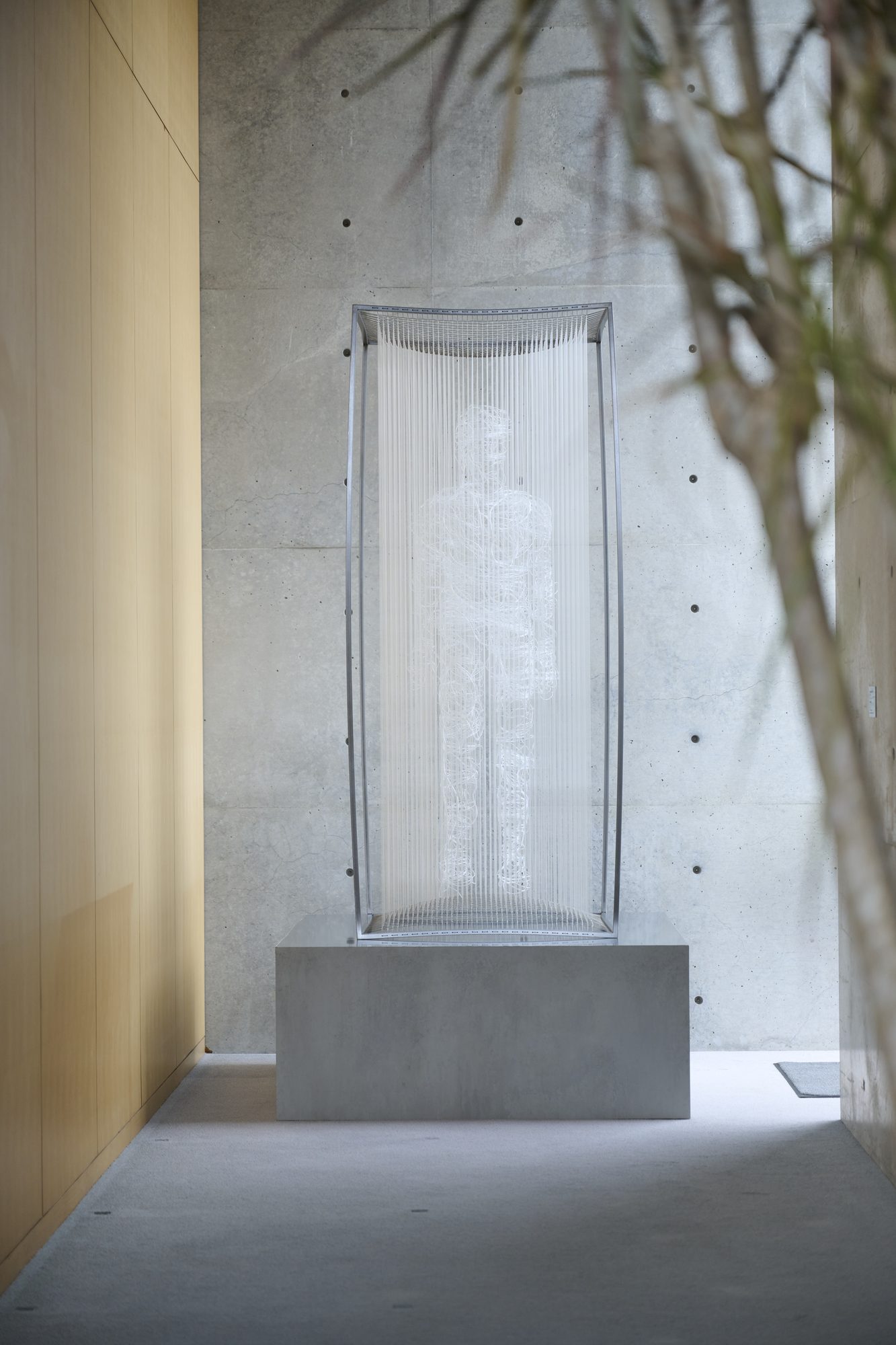
Throughout the building are works by a wide range of artists, from local Ehime artists to those active in Japan and abroad.
The genres vary widely, from works by Frank Stella to paintings, photography, sculpture, calligraphy and expressions using plants.
Rather than viewing the works in isolation, seeing them alongside Tadao Ando’s architecture, natural light and the Seto Inland Sea landscape changes their impression.
From check-in to the next morning, you pass the same work again and again.
The way your distance from the art changes over time is one of the pleasures of staying here.
More to explore
- Towel Museum ICHIHIROFrom thread to cloth, learn about Imabari’s craftsmanship.
-
In Imabari, one of Japan’s leading towel-producing regions, you tour the process of thread being spun and becoming cloth.
Beyond the familiar everyday towel, you encounter the region’s techniques and its culture of making.
- Ikazaki Kite MuseumA 400-year handcraft that rises into the sky.
-
A museum that conveys the culture of the Ikazaki Giant Kite Battle, which has continued for about 400 years.
While viewing kites from Japan and around the world, you can learn the history of kite making handed down in this land. With advance reservation, you can also make a kite yourself.
- Dogo Onsen HonkanTrace the history of Matsuyama through architecture.
-
Built in the Meiji era, Dogo Onsen Honkan was the first hot spring facility in Japan to be designated an Important Cultural Property.
Beyond the bath itself, it is a place to encounter Matsuyama’s culture, from the three-story wooden building and the time drum echoing from Shinrokaku to the literary memories that remain in the town.
Otaru, Hokkaido
OTARU RETREAT KURAMURE by Onko Chishin
Trace the signs of handcraft that remain in a port town.
Otaru has been a crossroads of people and goods since the days of the Kitamaebune trading ships.
Alongside its stone warehouses and memories of the port, the town has a culture of making, handed down through touching materials and working by hand.
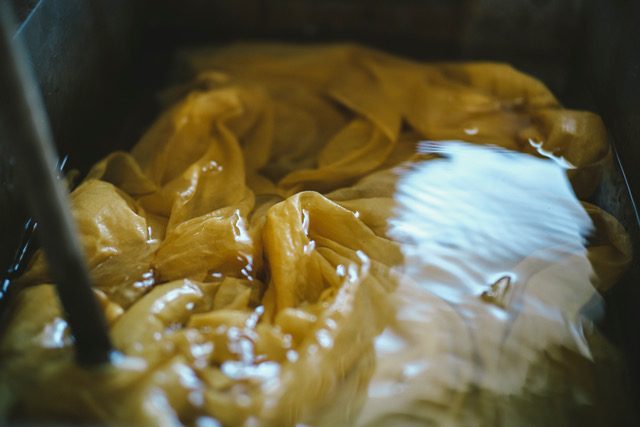
Dye cloth with grape skins, blow glass in a seaside studio, and whisk a bowl of tea in the inn’s tea room.
Not only viewing works but touching the materials and techniques of the land with your own hands makes Otaru look a little different.
Featured experiences
- Noguchi Senpo natural dyeing workshopDye cloth in the colors of Hokkaido.
-
Noguchi Senpo continues dyeing that makes the most of local materials.
Using grape skins left over from winemaking in Hokkaido and aronia grown in the north, you transfer colors unique to this land onto cloth.
The grape dyeing by Noguchi Senpo is also used in KURAMURE’s floor cushions and pillows.
You meet again, back at the inn, the colors you touched in the studio.
It is an experience that joins your stay in Otaru with its handcraft.
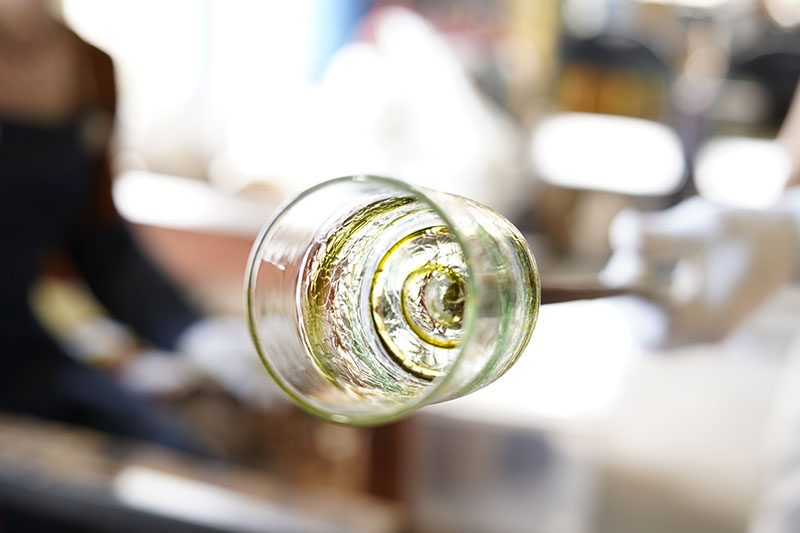
- Kim glass design glassblowing experienceFrom fire and breath, make a vessel of your own.
-
Kim glass design has its studio on the shore at Shukutsu, where fishing ports and historic buildings remain.
Choose the color, shape and pattern, and with a craftsperson’s guidance, breathe into heated glass and finish it as a glass or vessel of your own.
Softly swaying glass becomes a single form as it cools.
Along with the finished vessel, the time you spent working with your hands in the port town stays with you as a memory of the trip.
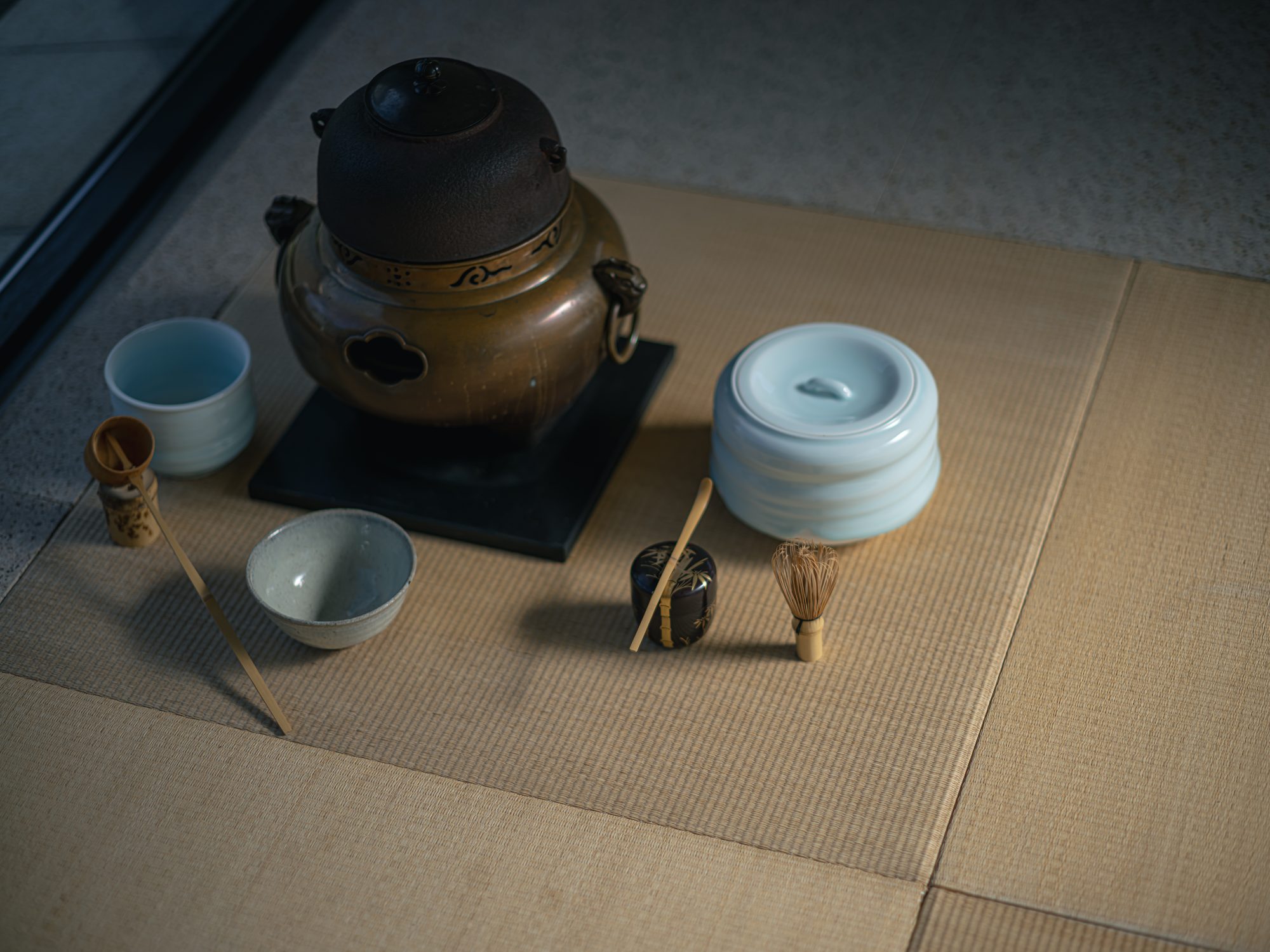
- KURAMURE tea ceremony experienceWith a bowl of tea, savor the “kan” (quiet stillness) of the architecture.
-
The tea room at KURAMURE, adorned with seasonal flowers and filled with soft light.
Pick up the tea utensils, pour the hot water and whisk the tea. As you attend to each gesture, your attention turns naturally to the surrounding quiet, the light and the space left open.
Makoto Nakayama, who designed the architecture of KURAMURE, valued the beauty Japanese architecture has handed down, its understatement, its harmony, and “kan.”
Rather than merely looking at the architecture, you savor even the time that flows through the space, through a single bowl of tea.
It is a tea ceremony experience that only KURAMURE offers.
Shinsaibashi, Osaka
CUVEE J2 HOTEL OSAKA by Onko Chishin
From Champagne to a bowl of matcha.
Shinsaibashi in Osaka, where people from around the world come and go and new cultures have long been welcomed with ease.
At CUVEE J2, you learn the history and philosophy handed down by 11 Champagne houses, and out in the town you can also meet long-established Japanese tea merchants who have hung their noren curtains in Shinsaibashi for generations, as well as workshops of makers.
Tilt a glass and hear the maker’s story, whisk your own bowl of matcha, and turn a memory of your trip into a single light.
Moving between different cultures is also one of the pleasures of staying in this town.
Featured experiences
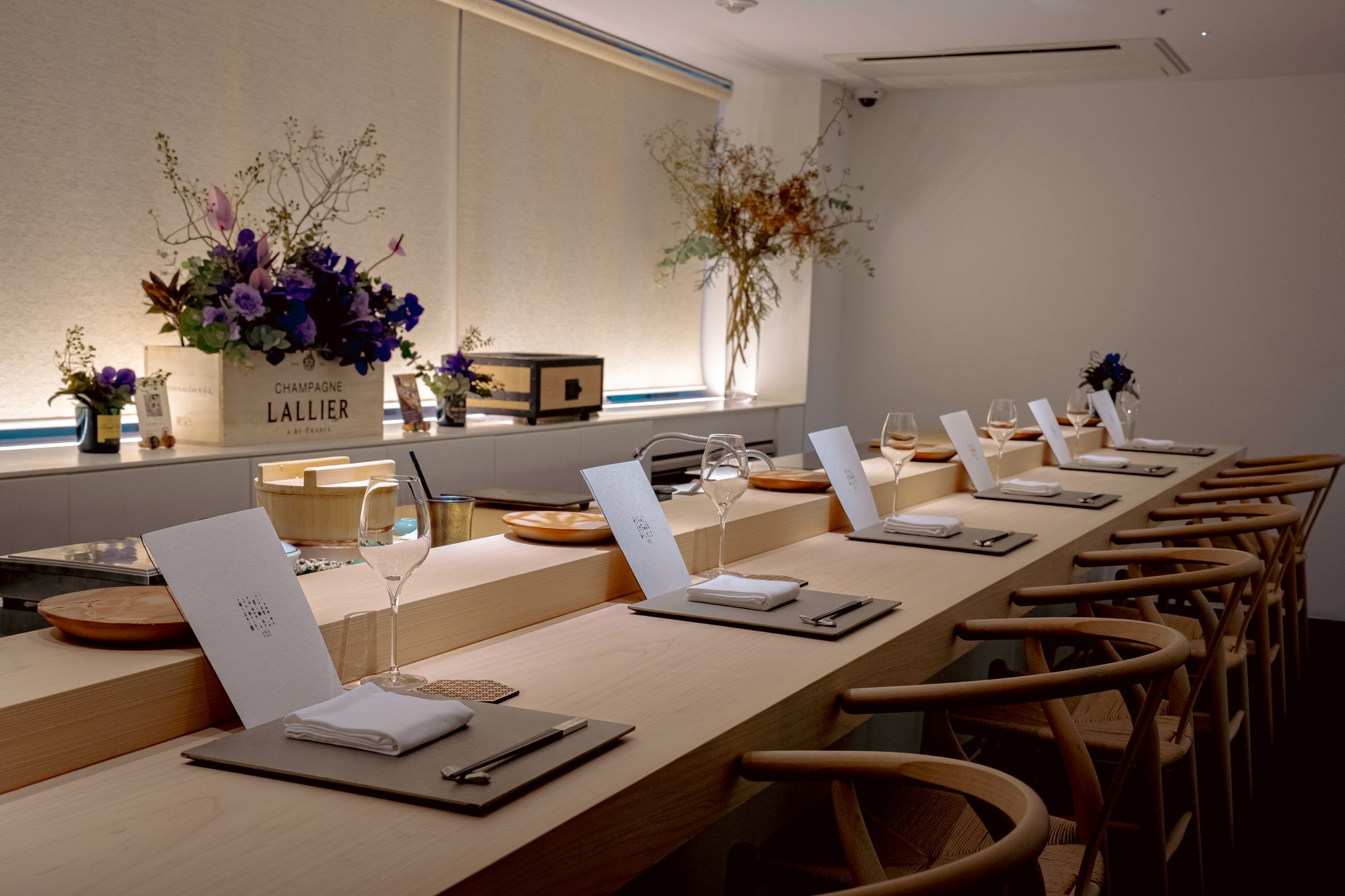
- Champagne makers’ dinnerAn evening where two crafts meet: Edomae sushi and Champagne.
-
A makers’ dinner held at AWA SUSHI, focusing on one Champagne house each month.
Listen to the words of the producers and brand ambassadors while savoring several cuvees and Edomae sushi. The sushi chef’s work of curing, resting and searing the fish and judging even the temperature of the rice meets the acidity, bubbles and aging of Champagne at a single counter.
It is an evening to savor two crafting cultures honed in different lands, France and Japan.
More to explore
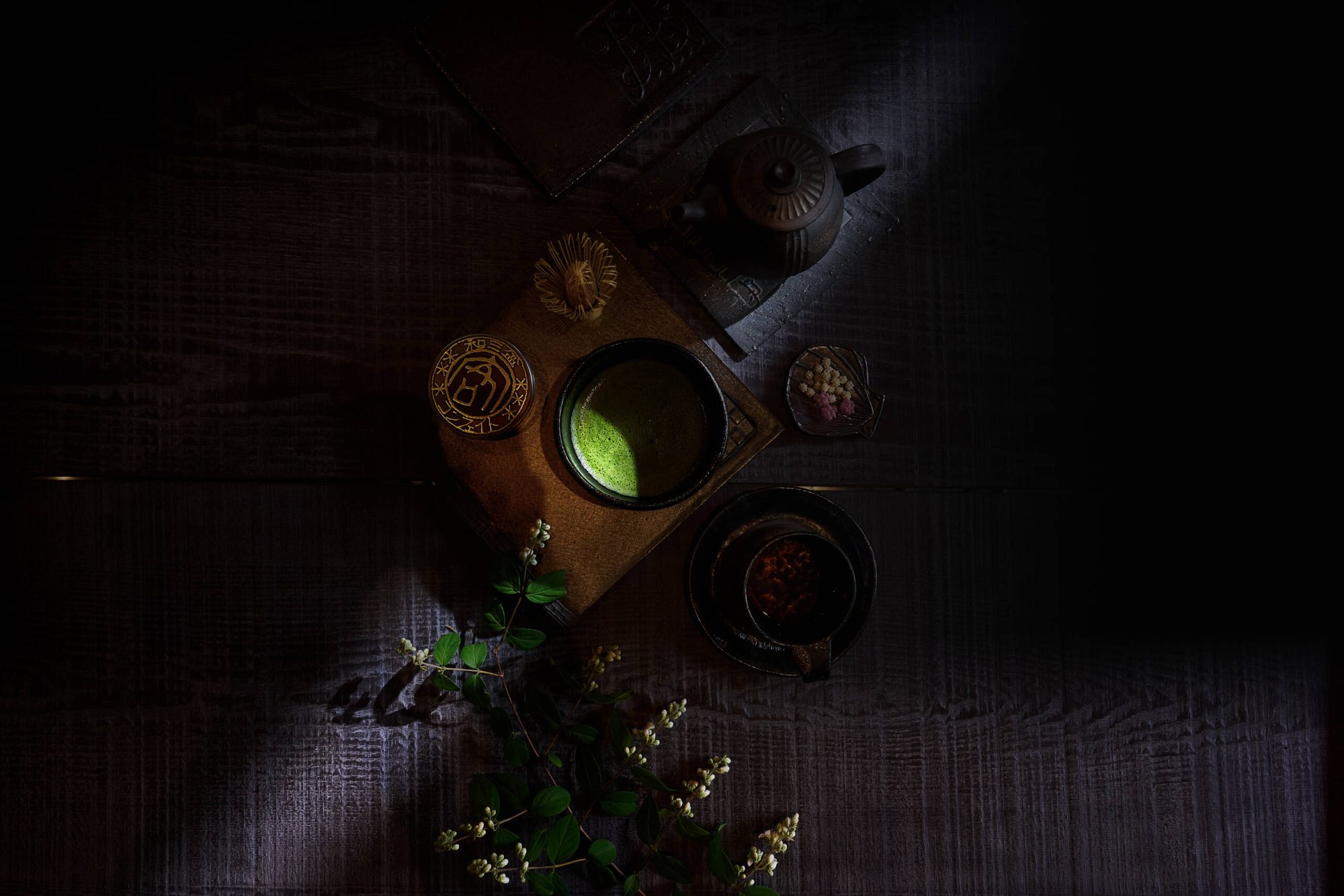
- Uji matcha experienceIn Shinsaibashi, a bowl of tea for yourself.
-
Visit Ujien Shinsaibashi Main Store, a Japanese tea specialist with a history of 157 years since its founding.
With a chasen in hand, you whisk your own bowl of matcha. Stepping one pace away from busy Shinsaibashi-suji, it is a moment to savor the culture of Japanese tea through the gestures and aroma of whisking.
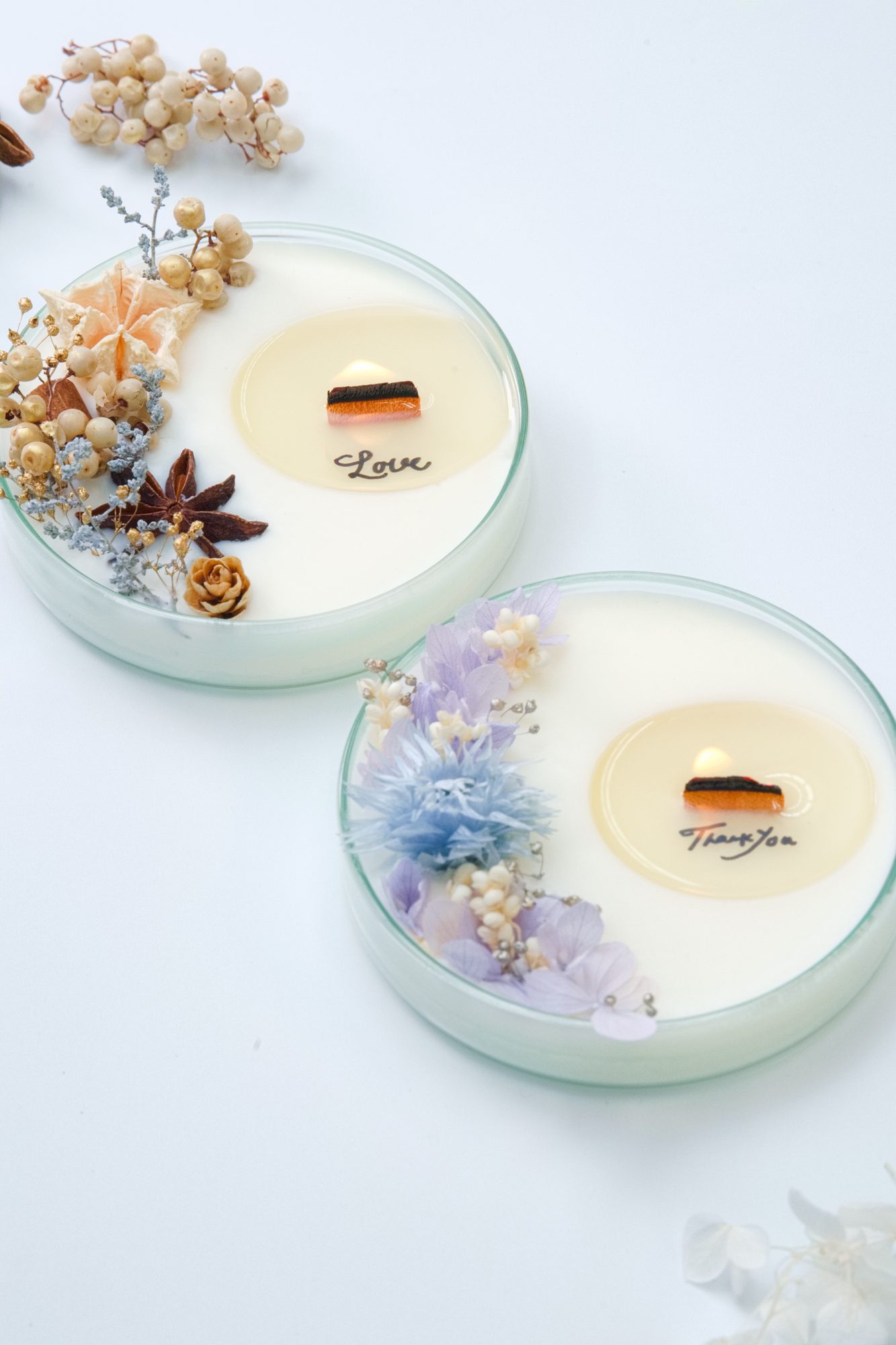
- Candle making experienceTurn the memory of Champagne into light.
-
At a candle studio a short walk from the hotel, make a candle upcycled from a Champagne bottle.
A bottle emptied on your trip is given a new form and glows again after you return home. It is an experience of keeping the memory of savoring Champagne with your own hands.


Tamano, Okayama
SETOUCHI KEIRIN HOTEL 10 by Onko Chishin
Encounter a sport born in Japan and the handcraft of Okayama.
Tamano Keirin Stadium opened in 1950. At KEIRIN HOTEL 10, built next to it, keirin is more than a competition taking place beyond the window.
Learn the rules and tactics from a former keirin racer, and inside the hotel touch the clay of Bizen ware, Okayama’s signature craft. Chairs and building materials used in the former stadium have also been given new roles as furniture and art.
The history of a sport, and the craft of the land.
It is a stay that lets you know the culture handed down in Tamano from inside the hotel.
Featured experiences
- Introductory keirin lectureBefore watching a race, get to know keirin.
-
An experience of learning about keirin, born in Japan, from a former keirin racer. After learning the basic rules, how to watch a race and the tactics between riders, you look at the banking and see each rider’s strategy within the ride.
In a hotel that is one with the stadium, learning and spectating connect in a single flow.
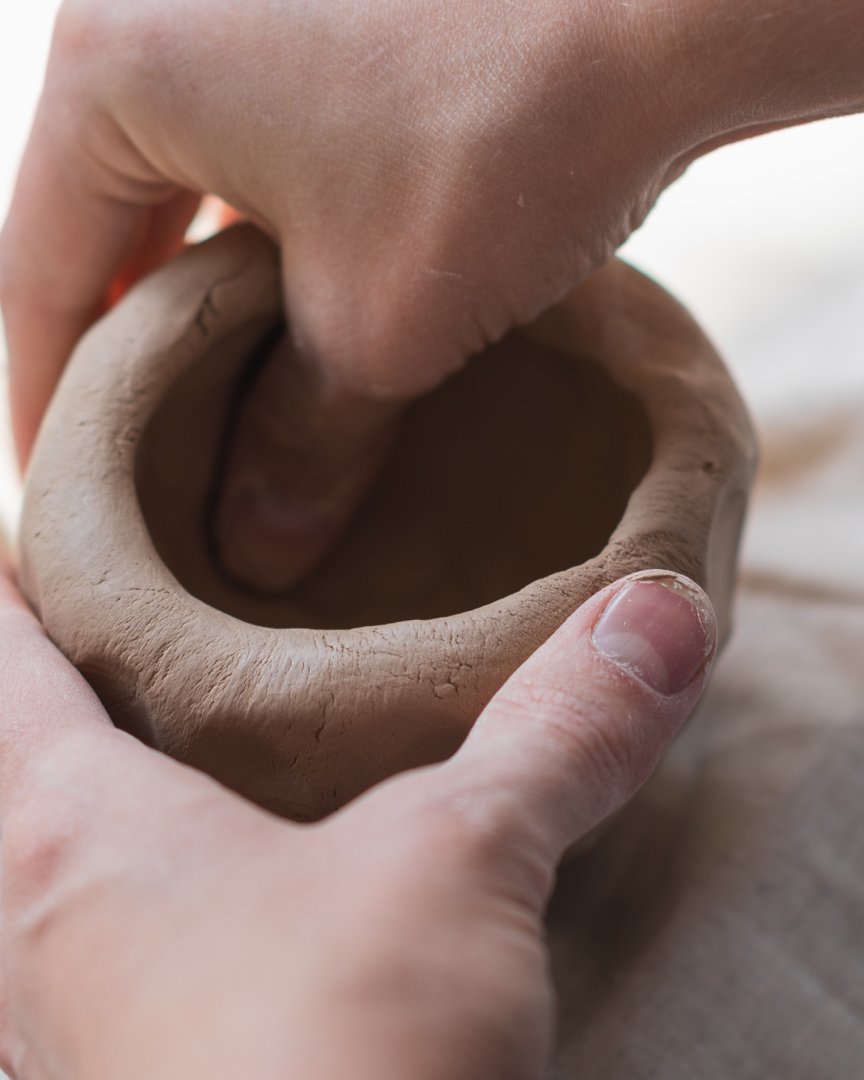
- Making Bizen wareTurn Okayama’s clay into a vessel of your own.
-
Bizen ware is known as one of Japan’s Six Ancient Kilns. Inside the hotel, you take the clay in hand and shape your own vessel by hand-building.
Bizen ware uses no glaze, and earth and fire give each piece a different character. Time spent facing that clay also conveys the depth of a handcraft passed down over many years.
Nichinan, Miyazaki
HOTEL SEASONS NICHINAN
What has long been brewed beside the sea and the table.
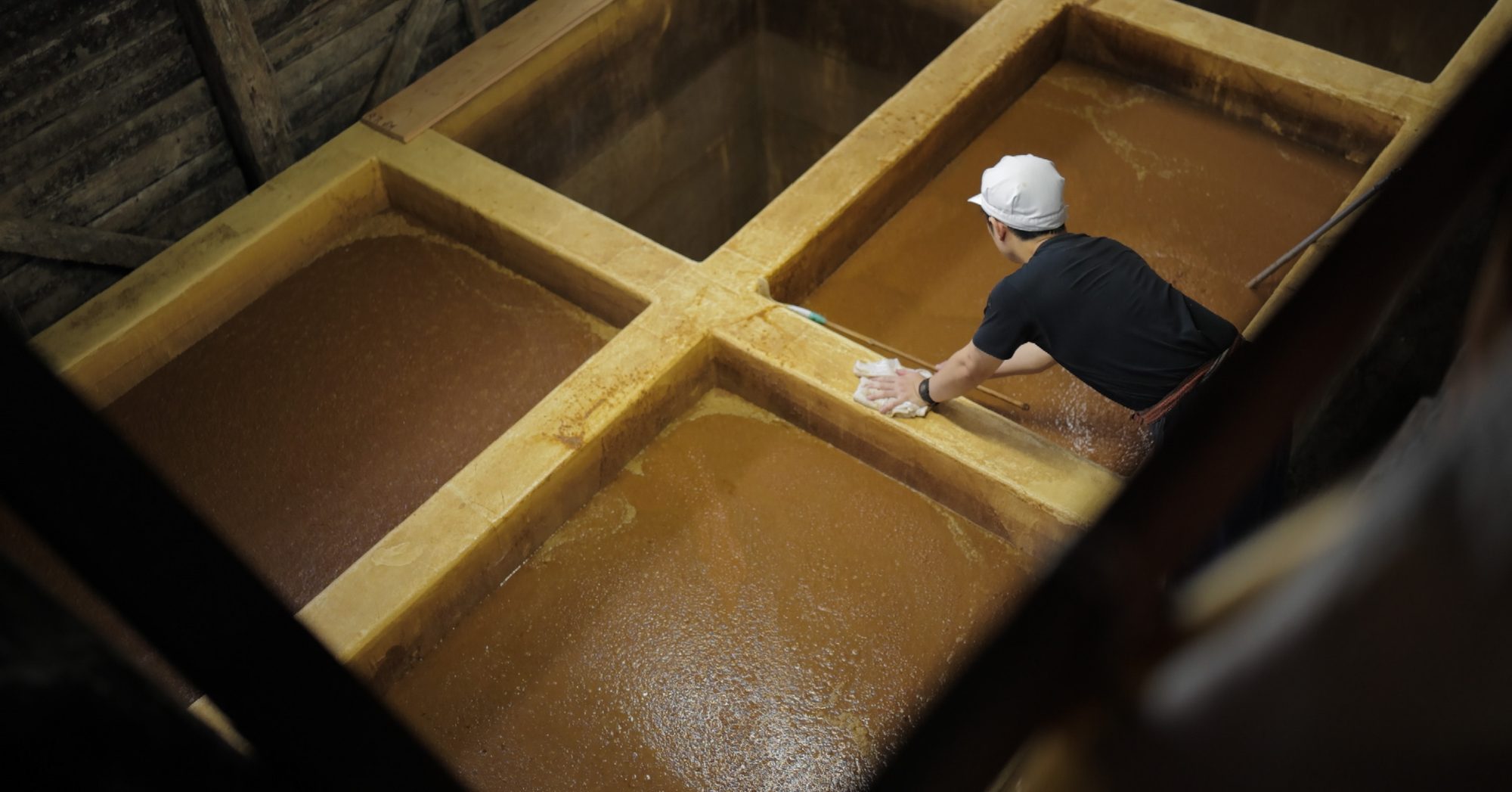
In Nichinan, which has prospered alongside fishing, brewing has always stood beside the local food culture.
A sweet soy sauce that pairs well with fish, handed down mainly around Odotsu. Authentic shochu, with each brewery guarding its flavor using local water and ingredients.
In the spoonful of sauce with bonito or tuna, and in the glass poured for you, remain the tastes and wisdom of the people who have lived here.
To know Nichinan’s culture, start with its flavors.
Featured experiences
- Nichinan’s soy sauce cultureA sweet soy sauce raised by a fishing town.
-
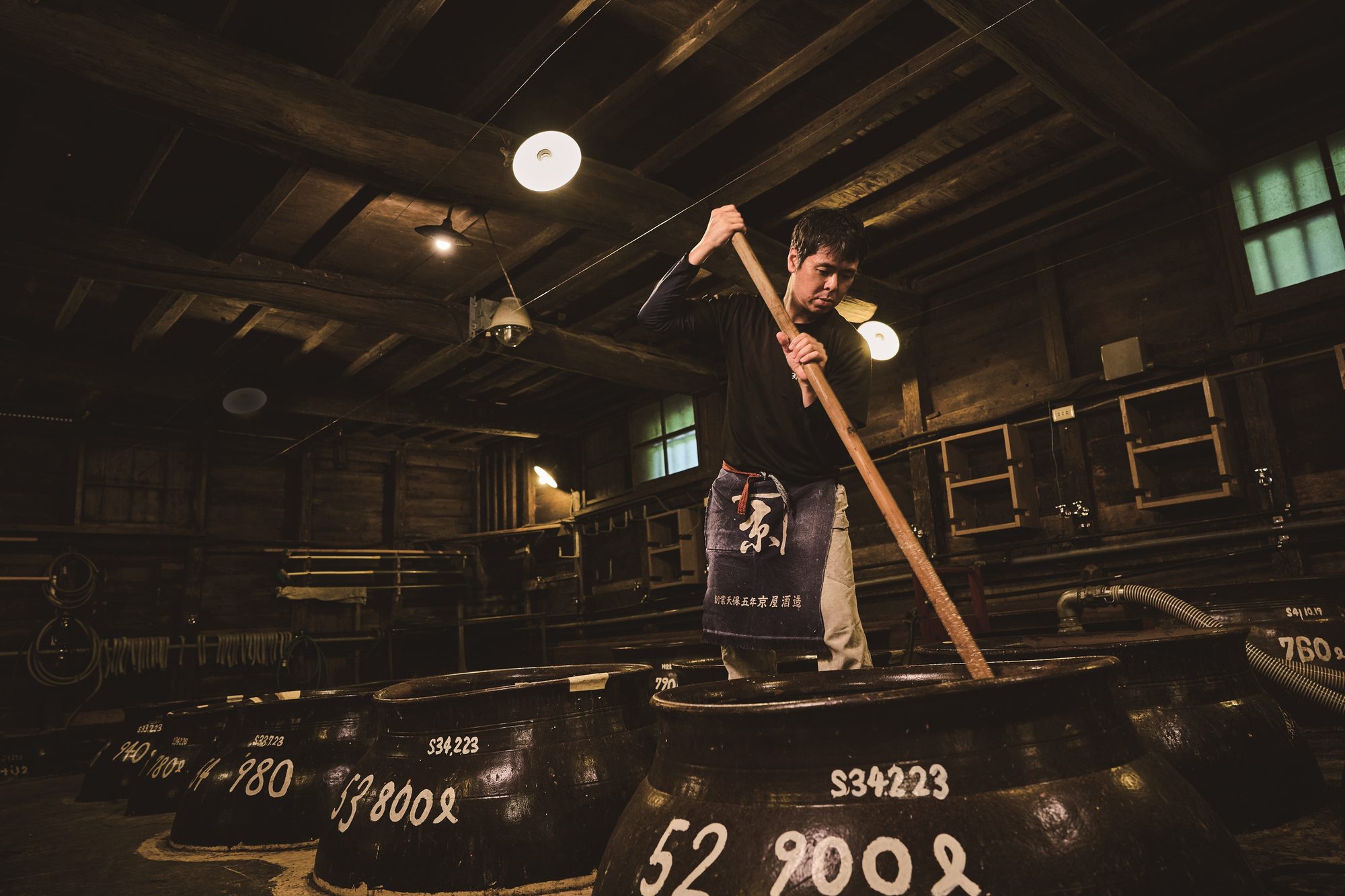
Brewing of soy sauce and miso has developed since the Meiji era, centered on the Odotsu district.
In Nichinan, one of the prefecture’s leading salt-producing areas and a town that prospered through fishing, a sweet soy sauce that suits seafood such as bonito and tuna has taken root on everyday tables.
Takei Jozo, with a history of more than 100 years, Taniguchi Jozo, founded in 1933 (Showa 8), and Miyata Honten, continuing since 1804. Each brewery carries the taste of the land into the present.
At the hotel shop, too, you can pick up soy sauce long loved by locals.
- Nichinan’s shochu cultureLocal celebrations and conversation, together with shochu.
-
Authentic shochu is Miyazaki’s signature drink. Nichinan also has breweries with long histories, and their flavors have been handed down within local life.
Miyata Honten brews authentic shochu alongside soy sauce, producing its signature brand “Nichinan Musume.” The stone warehouse, now a nationally registered tangible cultural property, also holds the memory of long-running brewing.
Beyond enjoying it with a meal, knowing the brewery and the people behind it lets you see the land of Nichinan from a single glass of shochu.
Other experiences
Read next
After arts and culture, on to the theme your heart turns to next.
Island Journeys
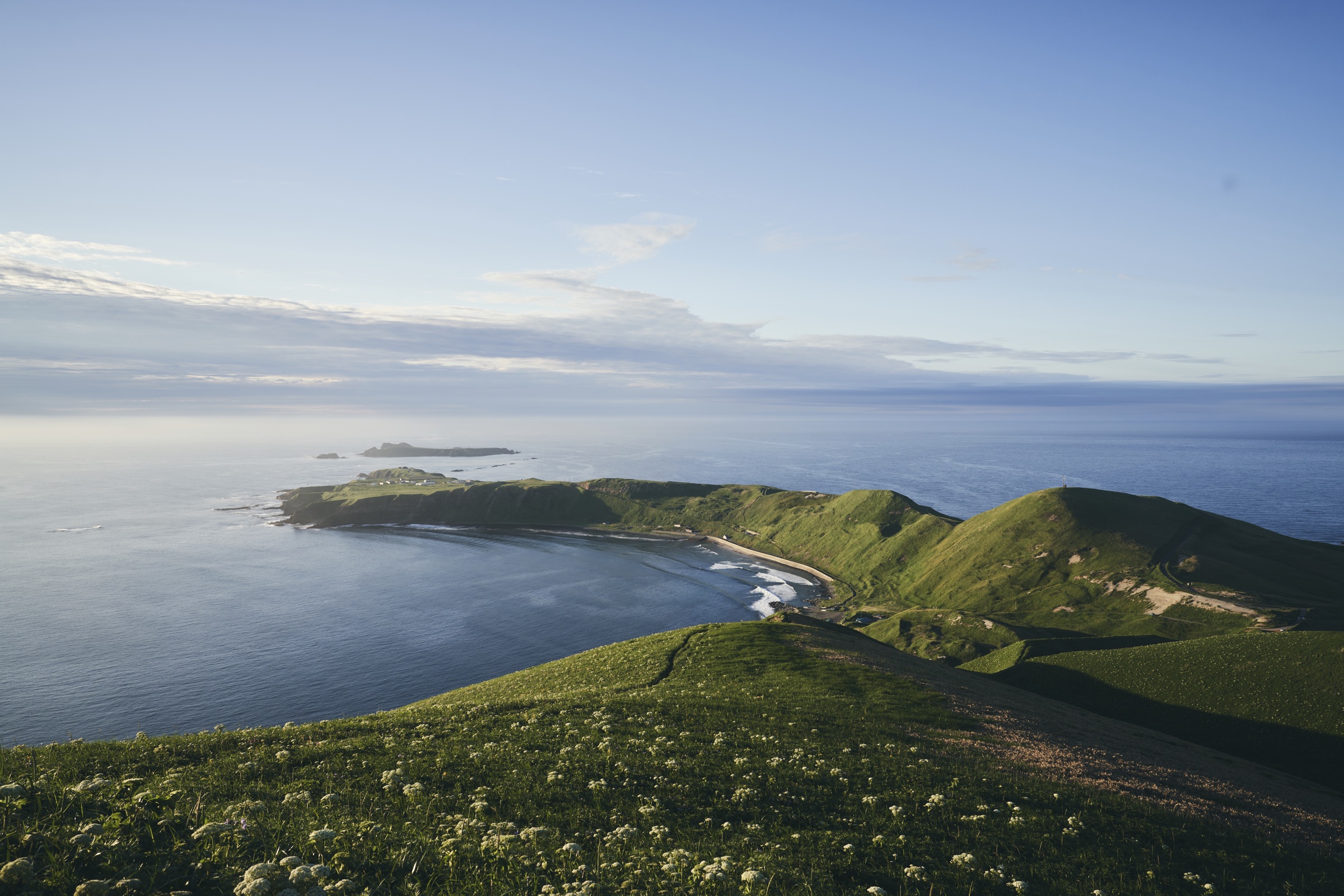
Goto’s churches, Iki’s myths, Rebun’s flowers, Setouchi’s art. Start from a hotel and step into the stories of the islands.
Culinary
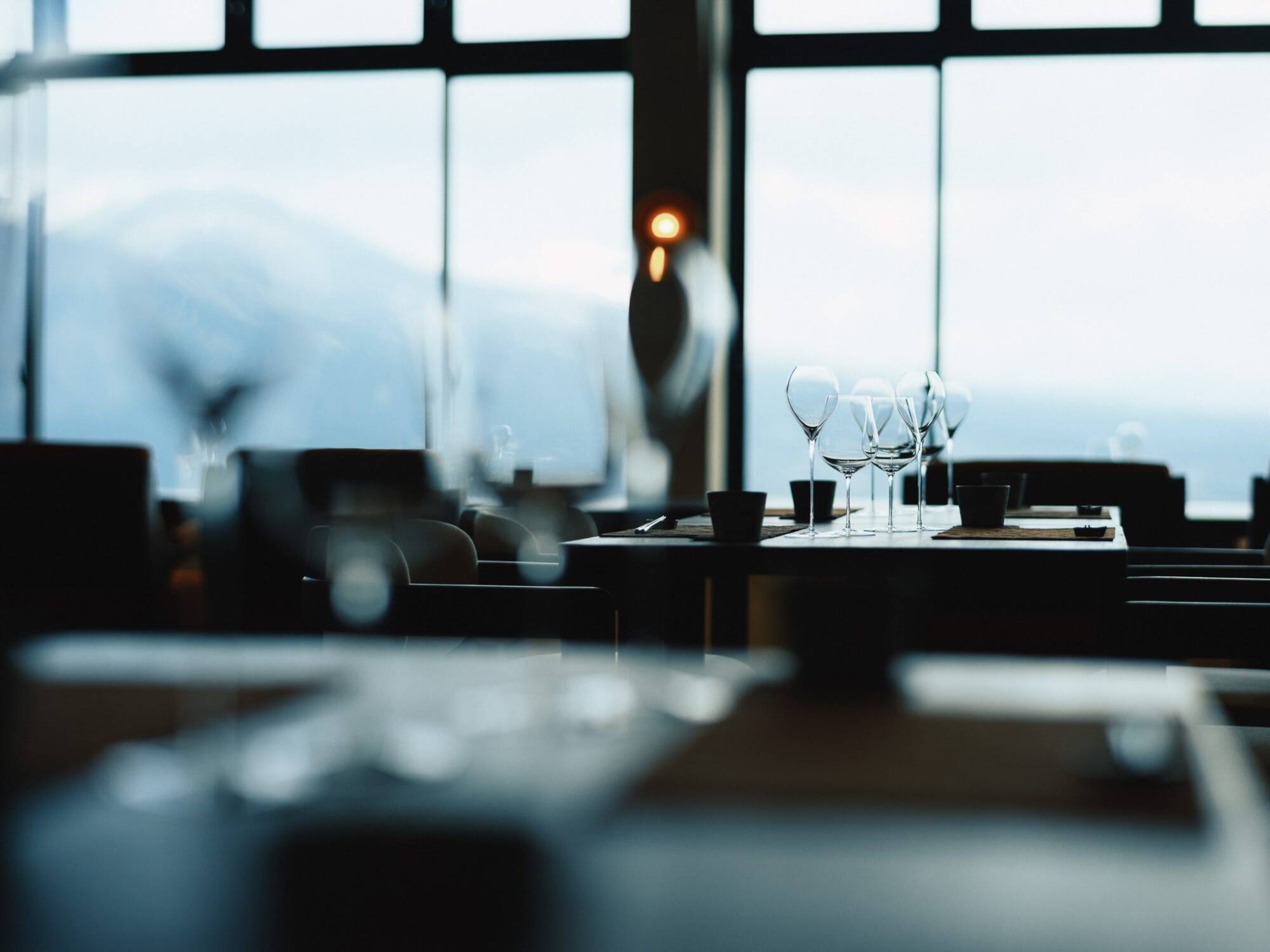
“The bounty of the land, enjoyed in its place.” Local gastronomy and respect for producers, from kaiseki and French cuisine to sushi paired with champagne.
Architecture & Design
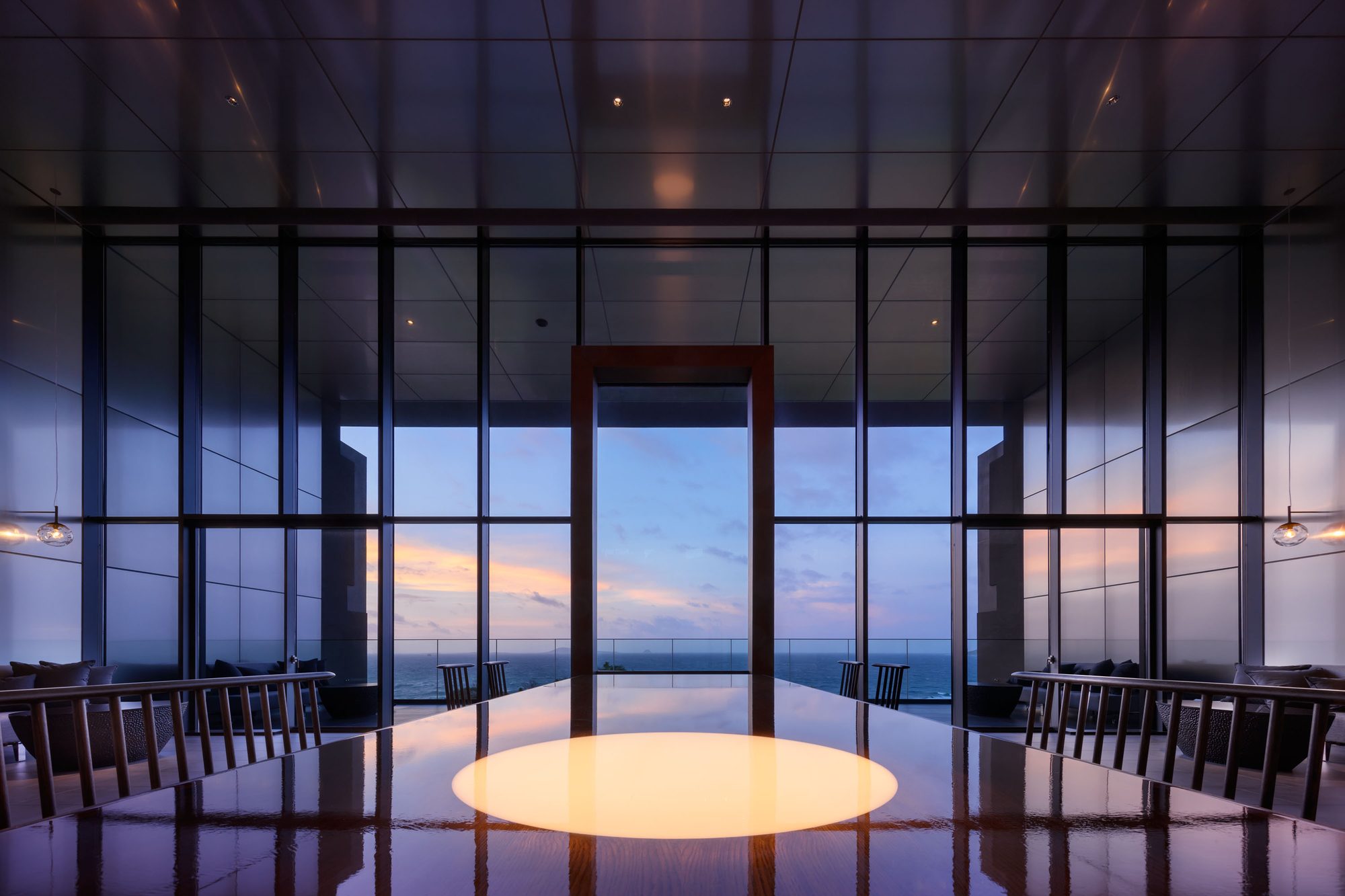
Tadao Ando, Junya Ishigami, Yukio Hashimoto and Makoto Nakayama. From inns set in celebrated architecture to spaces that translate the memory of the land.